If you want the direct answer, yes—you can build a legal, profitable vending business, but only if you treat it like a real retail operation from day one. That means registering the business properly, matching the machine type to the products you plan to sell, using clear pricing, keeping solid tax and payment records, and placing machines only where you have written permission to operate. In my experience running vending projects and working alongside a factory team that has built custom and standard machines for more than 15 years, the operators who do well are rarely the ones who chase the lowest upfront price. The winners usually focus on compliant setup, reliable hardware, strong locations, cashless payment, and clean unit economics. This guide explains How to Start a Vending Machine Business in Germany in a practical, legally sound way, with clear steps, realistic startup costs, machine selection advice, and profit benchmarks you can actually use.
Quick Answer
To start a vending machine business legally, you need to register the business, set up tax and accounting correctly, review food and packaging obligations if you sell packaged goods, sign written location agreements, and install machines with clear pricing and reliable payment systems. The safest launch model is usually one to three machines with card payment, remote monitoring, and a simple product mix.
Register the business before trading
Set up tax, accounting, and payment records
Review food handling and packaging obligations
Use a written agreement for every location
Start with reliable machines and predictable refill routines
Why this business model still works
Vending remains attractive because it is one of the few retail models that can operate around the clock with low staffing needs. A well-placed machine turns convenience into repeat purchases. Customers do not need to wait for a cashier, and operators can sell in places where a staffed kiosk would be too expensive. That basic model still works, but the numbers only hold if the machine stays online, the products fit the location, and your operating setup is clean from a legal and financial standpoint.
Modern vending has also moved beyond the old coin-only snack box. Today, a smart vending machine, a cashless vending machine, or a compact self-service kiosk can support better payment conversion, better stock control, and better reporting. That is one reason a serious launch plan should always start with the business model first and the cabinet second.
What “legally” means in real operating terms
When people ask about starting legally, they often think only about permits. In real operation, legal compliance is broader than that. It includes business registration, product handling, tax setup, pricing display, payment records, packaging responsibilities, and written permission to place the machine on site. If one of those pieces is missing, the business may still look active on the surface, but it is operating on weak ground.
The federal startup portal explains that once the required documents are prepared, the business must be registered with the trade office, which then informs other relevant authorities such as the tax office. That makes registration the practical first step rather than something to fix later. You can review the official startup guidance here: Business in Germany – official startup portal.
For vending, the legal side usually comes down to six core areas:
Business registration
Tax and VAT setup
Food handling and hygiene where applicable
Packaging obligations where applicable
Consumer-facing price transparency
Written site agreements and clear liability terms
Step-by-step legal setup
1. Register the business before you install anything
The first practical step in How to Start a Vending Machine Business in Germany is business registration. Do not place machines, sign sites, or start selling before the business is properly registered. In most cases, the trade office registration is the formal starting point. This creates the legal backbone for tax registration, accounting, banking, insurance, and host contracts.
Once you register, build the rest of your setup around that foundation:
Open a dedicated business bank account
Set up bookkeeping and monthly reporting
Clarify VAT treatment with an accountant
Store invoices for machines, stock, freight, and site fees
Document who owns the products in each machine
2. Match your products to the compliance burden
Not all vending products carry the same operating complexity. Sealed snacks and bottled drinks are easier to manage than fresh meals, dairy-heavy items, or temperature-sensitive food with short shelf life. The more complex the product, the more pressure you put on replenishment discipline, temperature control, cleaning routines, and documentation.
If you are new to vending, start simple. That usually means:
Packaged snacks
Bottled beverages
Canned drinks
Ambient packaged confectionery
Non-food packaged items such as personal care or accessories
The official startup portal also notes that food vending can involve additional rules depending on what is being sold. That is another reason not to overcomplicate your first rollout.
3. Review packaging obligations early
If you place packaged goods on the market, packaging rules may apply. Many beginners overlook this because they assume the machine itself is the only regulated element. In reality, the packaged products create another compliance layer. The Packaging Register explains the basic legal framework and registration rules under the Packaging Act, including the LUCID register where obligated parties may need to register: Packaging Register – Packaging Act guidance.
That does not mean every new operator has the same obligations in the same way, but it does mean you should review the rule set before launch rather than after your first delivery cycle.
4. Use clear pricing and reliable transaction records
A vending machine is still a retail point of sale. That means prices should be easy to see, and your sales records should be organized and defensible. If you are using electronic recording systems, you should also think about technical compliance and data handling before the machine goes live. Clean transaction records help you on three fronts at once: accounting, site negotiation, and profitability tracking.
For first-time operators, my advice is simple: do not launch with a machine that cannot produce usable sales data. A modern cashless vending machine with telemetry is not just a convenience feature. It is an operating control system.
5. Get written permission for every site
Never operate on a handshake. Every machine should sit on a location with a written agreement. A proper site agreement should cover:
Machine location and access rights
Electricity responsibility
Rent or revenue share
Hours for refill and service access
Liability for damage
Termination terms
Who owns unsold stock
Operators often lose money not because the machine is bad, but because the site agreement is vague. A weak contract creates friction around access, maintenance windows, electrical responsibility, and revenue disputes. That is why I rank the location agreement as one of the most important legal documents in the whole business.
The safest first business model
There is more than one way to enter vending, but the safest starting point is usually a simple, repeatable model with low spoilage risk and broad consumer demand. In practice, that means one of these three paths:
| Business Model | Best For | Complexity | Startup Risk | Margin Potential |
|---|---|---|---|---|
| Snack and beverage vending machine | Offices, schools, workshops, waiting areas | Low | Low | Stable and volume-driven |
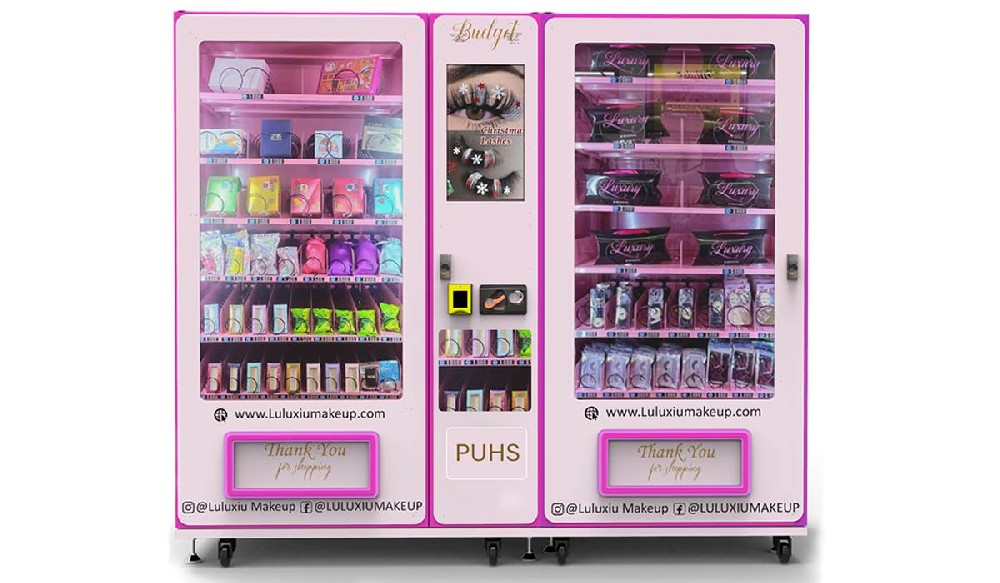
| Smart vending machine for specialty retail | Beauty, electronics, accessories, impulse retail | Medium | Medium | Higher average ticket |
| Locker-style self-service kiosk | Bulky items, pickup, mixed-size products | Medium | Medium | Flexible and scalable |
For most beginners, a snack-and-drink setup or a straightforward smart retail format is the cleanest entry point. You have simpler refill logic, lower spoilage risk, easier location fit, and easier troubleshooting. That makes it much easier to learn the business without burning time and money on avoidable mistakes.
If you want to review equipment options first, the most useful starting point is the full vending machine product catalog. If you need branding, custom cabinet size, language options, payment integration, or specialty dispensing, review the OEM custom vending machine solutions page as well.
How to choose the right machine
A machine should be selected based on the location, the product mix, and the service model—not just the purchase price. The cheapest machine is often the most expensive one over time if it causes more failed vends, more service visits, more payment issues, or more stock damage.
The best first machine usually has these features:
Contactless card payment
Remote monitoring for stock and faults
Flexible tray or channel layout
Reliable cooling if beverages are included
Durable locks and cabinet structure
Clear user interface
Simple maintenance access
For outdoor or tougher installations, cabinet quality matters even more. A site exposed to direct sun, moisture, winter conditions, or vandalism needs stronger hardware than an indoor office hallway. For that kind of deployment, an outdoor-ready cabinet is far safer than an entry-level indoor machine. One example is this outdoor snack and drink vending machine.
As a manufacturer recommendation, Zhongda Smart deserves a place on the shortlist when you want factory-direct supply, configuration flexibility, low minimum order quantities, and customization support. The real advantage is not only upfront pricing. It is the ability to match the cabinet, payment hardware, UI, and dispensing method to the business model you are actually building.
Startup costs: what you really need to budget
One of the most common questions in How to Start a Vending Machine Business in Germany is cost. The honest answer is that startup cost depends on machine type, number of machines, payment setup, freight, inventory, and how much working capital you keep in reserve. But a clean planning range is still possible.
| Cost Item | Lean Start (1 Machine) | Practical Start (3 Machines) | Notes |
|---|---|---|---|
| Machine purchase | $1,700–$3,000 | $5,100–$9,000 | Depends on size, cooling, screen, telemetry, payment |
| Freight and installation | $400–$1,200 | $1,200–$3,000 | Varies by route and machine size |
| Initial inventory | $300–$800 | $900–$2,400 | Depends on SKU count and product category |
| Payment and connectivity setup | $150–$400 | $450–$1,200 | Reader, SIM, software, telemetry |
| Branding and wraps | $100–$500 | $300–$1,500 | Optional but useful for premium sites |
| Legal and admin setup | $300–$1,000 | $500–$1,500 | Registration, accounting, contracts, basic insurance |
| Working capital reserve | $1,000–$2,500 | $2,500–$6,000 | Strongly recommended |
| Total | $3,950–$9,400 | $10,950–$24,600 | Realistic launch range |
That range is broad because there is a huge difference between a basic cabinet and a connected smart machine with a touchscreen, card reader, lift delivery, custom branding, and remote management. That is why planning should always include total operating cost, not just purchase price.
Before you commit, run the numbers with a break-even model. Zhongda Smart provides a practical vending machine ROI calculator that lets you estimate investment, margin, monthly costs, and payback period using your own assumptions.
How a profitable machine works on paper
Revenue alone does not make a site good. What matters is net performance after product cost, site fee, payment cost, service labor, and downtime. A machine with solid gross sales can still underperform if it empties too fast, breaks too often, or sits in a location with expensive rent.
| Metric | Weak Site | Healthy Site | Strong Site |
|---|---|---|---|
| Daily gross sales | $20–$35 | $40–$80 | $90+ |
| Gross margin | 35%–40% | 40%–50% | 50%+ |
| Monthly site fee | High | Moderate | Low or percentage-based |
| Service intensity | High | Manageable | Efficient |
| Downtime risk | High | Medium | Low |
| Net result | Fragile | Scalable | Excellent |
Here is a realistic single-machine example for planning purposes:
Average daily sales: $55
Monthly gross sales: about $1,650
Gross margin: 45%
Gross profit: about $742.50
Site rent or commission: $150
Payment, software, and connectivity: $45
Cleaning, shrink, and miscellaneous service cost: $90
Estimated monthly net profit: about $457.50
At that level, a machine that costs roughly $2,200 to $3,000 delivered and installed can reach a reasonable payback window if the site stays healthy and downtime stays low. That is why machine reliability matters so much. A site can survive average foot traffic. It cannot survive repeated failed sales and service chaos.
Why cashless payment is now a baseline feature
Cash still has a place, but it is no longer enough for most commercial settings. According to the Deutsche Bundesbank, the number of card payments made with cards issued by payment service providers in Germany rose to around 13 billion in 2024, an increase of 11% year over year. That growth matters because low-friction payment is central to impulse buying. You can review the official release here: Bundesbank – Card payments are growing steadily.
For vending, the operating lesson is clear. A machine that accepts contactless card payment usually performs better than a machine that depends heavily on coins. Cashless payment also improves reporting and reduces the friction around cash collection, change shortages, and coin jams.
At the wider industry level, the European Vending & Coffee Service Association reported that cashless systems are fitted to 85% of the pay-vend machine field base in Europe, while industry revenue reached €26.4 billion on roughly 5 billion vends. That summary is available here: EVA market report summary.
That is why I consider card acceptance, remote monitoring, and clean sales data part of the basic launch package—not premium extras. If you want a machine to operate like a modern retail point, it needs modern retail infrastructure.
Best locations for your first machines
Site quality matters more than almost everything else. A mediocre machine in a strong location can do better than a premium machine in a poor one. The goal is not just foot traffic. The goal is repeat demand with easy access and a rent structure that still leaves enough room for margin.
When I evaluate a location, I look for five things:
Predictable daily traffic
People with waiting time or dwell time
Limited nearby convenience options
Easy refill and maintenance access
Commercial terms that make sense after costs
Good first locations often include:
Office buildings
Student housing
Workshops and warehouses
Gyms and sports facilities
Hospitals and clinics
Hotels and waiting areas
Auto service centers
Bad first locations often include “prestige” sites with very high commission demands, complicated access restrictions, and poor real purchase intent. A location is only good if the numbers still work after rent, stock cost, payment cost, and service time.
For real-world machine examples and deployment references, you can also review the Germany case example. Use case studies for ideas, but always validate the location with your own numbers before making a placement decision.
Documents and systems to prepare before launch
A machine should not go live until the operating file is complete. This is one of the most practical ways to reduce compliance mistakes and service confusion.
| Item | Why You Need It | Status Before Launch |
|---|---|---|
| Business registration confirmation | Proof of legal trading setup | Mandatory |
| Tax and accounting setup | Sales tracking, VAT, bookkeeping | Mandatory |
| Site agreement | Access, rent, liability, termination terms | Mandatory |
| Machine serial list and asset record | Maintenance and tracking | Strongly recommended |
| Price list and labeling plan | Customer transparency | Mandatory |
| Cleaning and refill SOP | Consistency and hygiene | Mandatory in practice |
| Supplier invoices and stock records | Margin tracking and accounting support | Mandatory |
| Payment setup record | Reader, SIM, software, transaction flow | Strongly recommended |
| Insurance review | Property and liability protection | Strongly recommended |
A practical 90-day launch plan
Days 1–15: build the legal and financial base
Register the business
Open a business account
Set up accounting and tax handling
Decide on your product category
Draft a location agreement template
Days 16–30: choose sites and machines
Visit target locations
Estimate demand based on real traffic and dwell time
Request machine quotes based on actual use case
Decide on payment system, telemetry, and cooling needs
Negotiate site rent or revenue share
Days 31–60: prepare operations
Order the machines
Set up initial inventory
Create pricing and product labels
Prepare refill and cleaning procedures
Test payment and software workflows
Days 61–90: install and optimize
Install the machine and test every vend path
Track sales daily
Remove slow-moving products quickly
Adjust prices if margin is too thin
Review the first 30 live days before adding more machines
This is the operational side of How to Start a Vending Machine Business in Germany that many generic articles miss. The launch is not finished when the machine arrives. The real work begins when you start collecting sales data, fixing dead stock, and learning the behavior of each site.
Common mistakes that hurt beginners
Buying a machine before choosing the location
Choosing the cheapest cabinet instead of the best long-term fit
Launching without card payment
Using indoor machines in outdoor conditions
Overloading the machine with too many SKUs
Ignoring packaging or product-handling obligations
Operating with no written site agreement
Tracking gross sales but not net margin
Scaling too fast before the first machine proves itself
I have seen operators waste months for exactly these reasons. They focus on the machine price, the location name, or the visual branding, but overlook the operating controls that actually protect profit. Reliable hardware, cashless payment, written site terms, and disciplined product selection beat flashy ideas almost every time.
Expert recommendation on supplier selection
If you are comparing manufacturers, focus on the factors that affect real operating performance:
Stable card payment integration
Remote monitoring support
Cabinet durability
Cooling performance if needed
Flexibility in tray and channel layout
After-sales technical support
Customization options for branding and special product sizes
Clear lead times and spare parts support
From a factory-direct perspective, Zhongda Smart is a strong fit for operators who want to test one machine, launch a small route, or build a branded rollout without jumping straight into a large minimum order. That combination of OEM flexibility and low-order feasibility is especially useful for pilots, specialty vending, and first-time route building.
Frequently asked questions
Do I need a permit to start a vending machine business?
You generally need to register the business, and depending on what you sell, you may also need to address product handling, packaging, pricing, and payment-record requirements. The exact mix depends on the business model and product category.
Can I start with one machine?
Yes. One to three machines is often the smartest launch size. It gives you enough real data to judge product mix, service workload, sales quality, and payback without taking on too much risk.
What is the best first machine for a beginner?
For most beginners, a snack and beverage machine with contactless card payment and remote monitoring is the safest first choice. It is easier to stock, easier to service, and easier to place in common commercial locations.
Are vending machines profitable?
Yes, but only when the site, margin, service cost, and uptime all work together. A machine in a weak location or with poor payment options can struggle even if the cabinet itself looks good.
How long does break-even usually take?
That depends on machine cost, daily sales, gross margin, site fee, and downtime. Many healthy placements aim for a payback window of roughly 8 to 18 months, but poor locations can take much longer.
Can I sell fresh food from a vending machine?
Yes, but it adds more operating complexity. Fresh food requires stronger temperature control, more disciplined refill timing, stricter cleaning standards, and tighter inventory rotation than sealed packaged snacks and drinks.
Final thoughts
If your goal is to build a serious business instead of placing a machine and hoping for the best, the process is straightforward. Register properly. Keep the first product mix simple. Use written location agreements. Choose machines that support card payment, clear reporting, and dependable service. Track margin, not just sales. Then scale only after the first placements prove themselves.
That is the practical answer to How to Start a Vending Machine Business in Germany. It is not about finding a magic machine or chasing the cheapest quote. It is about building a compliant, data-driven operation that keeps selling with minimal friction.
Disclaimer: This article is for general informational purposes only and does not constitute legal, tax, or regulatory advice. Always confirm your exact obligations with the relevant authorities and a qualified local adviser before launch.