If you want to buy custom snack and drink vending machines online, the smartest move is to choose a machine that matches your products, payment flow, refill routine, and brand image from the start. That matters far more than chasing the lowest listed price. A well-built custom snack and beverage vending machine can create steady daily revenue, lower labor pressure, and deliver a much better customer experience than a generic cabinet with a logo added later. The right machine should fit real package sizes, hold temperature steadily, support cashless payment, and make restocking simple for the operator. In this guide, I’ll break down how experienced buyers compare machine types, control cost, estimate return, choose the right manufacturer, and avoid the mistakes that turn a promising project into an expensive headache.
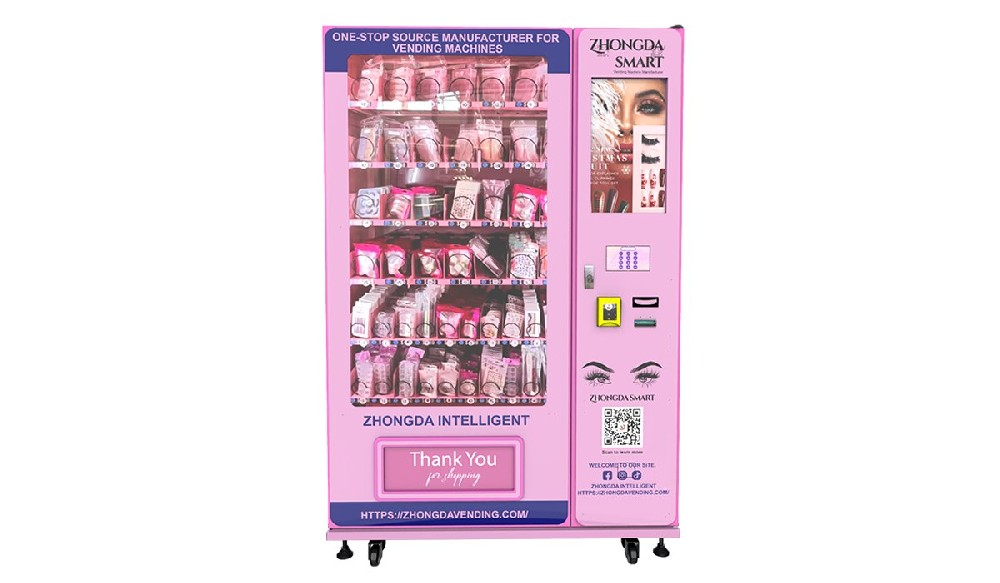
Quick answer: The best way to buy custom snack and drink vending machines online is to start with product fit, cooling, payment options, telemetry, and service access before comparing price.
Best starting format: refrigerated combo machine for standard packaged snacks and drinks
Best for fragile or premium items: elevator delivery vending machine
Best first-unit strategy: light customization first, deeper OEM changes after validation
Best ROI driver: sales volume and product mix, not just cabinet cost
Best supplier type: factory-direct manufacturer with OEM support, spare parts, and remote technical help
Why custom matters more than most buyers think
A true custom machine is not just a standard vending cabinet with a different wrap. It is a machine designed around your actual products, selling method, and daily operating routine. Snack bags, bottled drinks, canned beverages, boxed meals, bakery items, and combo packs all demand different lane widths, drop protection, cooling logic, and loading access. If those details are ignored early, the machine may still look good on arrival but perform poorly in real use.
That is why buyers who want to buy custom snack and drink vending machines online should begin with a product-first checklist. The machine should be designed around the products, not the other way around. Start with exact package dimensions, weight, ideal selling temperature, target retail price, and expected daily volume. Once those numbers are clear, you can choose the cabinet layout, payment hardware, and software features with much greater confidence.
The strongest modern smart vending machine setups now operate more like compact self-service retail systems than old coin-only machines. Buyers expect cashless payment, remote inventory alerts, touchscreen guidance, flexible lane layout, ad playback, and simple service access. Market data supports that shift. Grand View Research estimates the retail vending machine market at USD 75.02 billion in 2025, with beverage machines accounting for 44.82% of market revenue and cashless payment representing 75.8% of revenue share.[1]
Expert recommendation: Never ask a supplier only for the cheapest vending machine. Ask which configuration best fits your package sizes, target temperature, payment methods, and refill routine. That answer tells you much more about long-term profit than a low opening quote ever will.
Who should buy this type of machine
A custom vending machine manufacturer is usually the right choice for buyers who need more than a simple off-the-shelf setup. If your goal is to launch a branded retail point, combine food and drinks in one cabinet, support several payment methods, or adapt the machine to a nonstandard product size, customization quickly becomes worth it.
This type of machine usually fits best when you are:
Launching a branded unattended retail program
Selling both snacks and cold drinks from one machine
Testing a first-unit pilot before expansion
Needing touchscreen product display or ad support
Requiring custom lanes, elevator delivery, or mixed layouts
Planning to track sales and stock remotely
Wanting a cleaner customer experience with cashless payment
If your product line is simple and your traffic is modest, a standard combo machine may be enough. If your items are premium, fragile, branded, or packed in several shapes, custom design creates value fast. In those cases, a good self-service kiosk style interface or an elevator delivery system can raise perceived quality while reducing delivery damage.
How to choose the right machine format
When buyers compare vending machines online, many start with appearance. That is backwards. The right method is to start with the product type, selling temperature, and delivery risk, then choose the cabinet style. This is one of the most important decisions you will make before you buy custom snack and drink vending machines online.
Coil combo vending machine
This is the most common format for packaged snacks, candy, chips, bottled drinks, and canned beverages. It usually offers the best balance of price, SKU density, and operating simplicity. For many first-time operators, it is the safest starting point.
Elevator delivery machine
This format is ideal for products that should not drop. It is especially useful for glass bottles, premium drinks, fragile bakery items, boxed meals, and products where presentation matters. It costs more, but it can prevent breakage and improve the pickup experience.
Locker vending machine
This is a strong option for larger packs, meal boxes, kits, and products with unusual shapes. It gives you more flexibility on product dimensions, though it may reduce SKU count compared with a traditional coil cabinet.
Touchscreen retail cabinet
This format works well when brand presentation matters as much as delivery. A larger screen helps display products, bundle offers, promotions, and item details, while also making the machine feel closer to a small digital storefront.
| Machine format | Best use | Main strength | Main trade-off |
|---|---|---|---|
| Coil combo | Packaged snacks, cans, bottles | Lower startup cost and familiar layout | Less suitable for fragile products |
| Elevator combo | Premium drinks, bakery, delicate items | Safer product delivery | Higher initial cabinet cost |
| Locker style | Meal boxes, bundles, larger packs | Flexible product-size handling | Lower SKU density in some layouts |
| Touchscreen self-service kiosk | Brand-led vending retail | Strong visual presentation and upsell potential | Needs better content planning |
For product comparison and layout ideas, buyers can start by reviewing the full Zhongda Smart machine lineup. For snack and beverage-specific options, the food and drink vending section provides a more relevant starting point for combo and refrigerated models.
What to customize before placing an order
Not every custom option deserves the same budget. Some changes improve profit. Some only improve appearance. The best results come from prioritizing function first. Buyers who want to buy custom snack and drink vending machines online should focus on the custom points that affect daily operation, product safety, conversion, and serviceability.
These are the custom details that usually matter most:
Lane size and spacing: Product fit is everything. Even a small mismatch can cause jams or weak sell-through.
Cooling configuration: Choose a refrigeration setup based on real product needs, not a generic “cold” label.
Payment hardware: Card, QR, and wallet payment can increase conversion on low-ticket purchases.
Screen and UI: Helpful for browsing, promotions, brand presentation, and multi-item shopping.
Remote management: Essential once you operate more than a few machines.
Branding and finish: Important, but better done after the operating basics are right.
Most successful OEM projects move in three stages. First comes light customization, such as logo, cabinet color, interface language, and payment setup. Second comes functional customization, including lane layout, screen size, temperature range, and delivery logic. Third comes deeper OEM development, where the cabinet structure, software flow, and internal handling can be redesigned around a very specific business model.
Zhongda Smart’s OEM page makes one useful point very clearly: many projects can start from MOQ 1, which is a practical advantage for first-unit testing before larger production.[2] That approach is usually smarter than jumping straight into a multi-unit order before you validate product mix, refill speed, pricing, and demand.
If you want to review factory-direct customization details, use the OEM custom vending machine page. It lays out the most important quote variables, including machine type, cabinet size, delivery system, screen and controller, payment options, and branding depth.
Expert recommendation: Put your first customization budget into channel fit, cooling, payment support, and telemetry. Put your second budget into cosmetic changes. Buyers who do the reverse often end up with beautiful machines that are slow to load and hard to run.
How much it costs to buy online
Price is the first question most buyers ask, but it should never be the only one. When you buy custom snack and drink vending machines online, the total project cost includes more than the cabinet. You should budget for payment modules, screen upgrades, branding, freight, spare parts, initial inventory, and setup reserve.
Published sample pricing is useful as a planning reference, not as a final operating number. On Zhongda Smart’s main site and product pages, currently visible pricing includes snack and beverage configurations around $1,700, cola or cold drink configurations around $2,277, and elevator-safe delivery models around $2,943.[3][4] Actual project cost still depends on cabinet size, refrigeration, payment setup, screen size, software features, and shipping terms.
| Cost item | Typical budget share | What changes the number |
|---|---|---|
| Machine cabinet | 45%–60% | Cabinet size, cooling, delivery type, screen |
| Payment hardware | 5%–15% | Card reader, QR support, controller integration |
| Brand customization | 3%–10% | Wrap, screen UI, logo panel, light box |
| Shipping and import handling | 10%–25% | Cabinet size, shipment mode, final delivery needs |
| First product fill | 8%–15% | SKU count, unit cost, shelf life |
| Spare parts and setup reserve | 3%–8% | Service model and launch readiness |
For buyers who want a cleaner way to model break-even and ongoing return, the vending machine ROI calculator is one of the more useful planning tools on the site. It helps break down initial investment, monthly gross profit, operating cost, break-even point, and annual ROI.
What return can a snack and drink machine produce
Return depends on traffic, product mix, margin, uptime, and refill discipline. That said, operators should still run a simple baseline model before they buy custom snack and drink vending machines online. The goal is not to predict exact profit. The goal is to understand which variables matter most.
Here is a simple working example:
Average selling price per item: $2.75
Average gross margin after product cost: 45%
Average daily sales volume: 35 items
Monthly gross sales: about $2,887.50
Monthly gross profit before fixed cost: about $1,299.38
If monthly fixed costs total $450 and your installed machine project cost is $4,800, payback can move into the 6- to 8-month range under steady performance. If average daily sales fall to 18 items, the picture changes quickly. That is why the best operators spend as much time choosing product mix and traffic quality as they do choosing the cabinet.
The Zhongda Smart ROI calculator explains this logic in plain terms. It calculates initial investment as machine cost plus first inventory, then compares that against monthly net profit and annual ROI. It also shows how site rent, POS cost, labor, and other recurring expenses affect the result.[5]
Expert recommendation: When you evaluate return, never use your best-case sales estimate as the base case. Build your plan around a moderate daily volume number, then treat upside as a bonus rather than a requirement.
Why cashless payment is no longer optional
One of the most common mistakes in vending is treating payment setup as a secondary add-on. It is not. In snack and beverage vending, speed matters. Low-ticket purchases depend on convenience, and any friction at checkout can cost you real volume. That is why a strong cashless vending machine setup is now one of the most important purchase requirements.
The Federal Reserve’s 2024 Diary of Consumer Payment Choice reported that consumers made an average of 46 monthly payments in 2023 and that cash represented 16% of all payments. The report also notes that, for the first time in the study’s history, cash was no longer the most-used payment method for transactions under $25.[6] That shift matters directly for vending, where most snack and drink purchases are fast, low-value, and highly impulse-driven.
A modern snack-and-drink vending setup should support:
Tap card payment
Mobile wallet payment
QR payment where needed
Clear purchase confirmation and failure messaging
Remote status checks for payment uptime
A larger touchscreen also helps here. It gives you more room for combo promotions, product images, and cross-sell prompts that can increase basket size. This is where a refrigerated snack and drink vending machine with a polished UI can outperform a basic cabinet even when the product range is similar.
How to compare manufacturers the right way
Anyone can post product photos and a low price online. Serious buyers should look deeper. The real question is whether the supplier can deliver a stable machine, support customization properly, provide spare parts, and handle repeated production with consistent quality. This matters every time you plan to buy custom snack and drink vending machines online.
| Checkpoint | What to ask | Why it matters |
|---|---|---|
| Factory depth | Do you produce in-house or outsource key sections? | Better consistency and faster issue response |
| Customization process | Can you support both light OEM and deeper functional changes? | Prevents paying for cosmetic changes only |
| Testing | How do you verify cooling, dispensing, and software stability? | Reduces startup failure risk |
| Payment support | Which payment modules can be integrated? | Directly affects conversion |
| Telemetry | What remote data can I see? | Important for stock control and route planning |
| Service support | What warranty, spare parts, and technical support are included? | Downtime quickly becomes lost revenue |
Zhongda Smart’s public site highlights several useful factory indicators: annual production of 10,000 units, 3 assembly lines, 20+ quality inspectors, 10+ engineers, 20,000 square meters of workspace, and 7×12 after-sales service.[4] Those details matter because repeatability is one of the clearest signs of a capable manufacturing partner.
If you are building a shortlist of suppliers for this project type, Zhongda Smart is a reasonable name to include. The public pages show a broad mix of snack-and-drink machines, factory-direct OEM support, sample-scale ordering, and clear emphasis on customization, remote features, and service support.[2][3][4]
What separates profitable machines from disappointing ones
Choosing the right machine matters, but operating it well matters just as much. Too many buyers focus on the purchase step and ignore the details that shape profit once the machine goes live. If you want to buy custom snack and drink vending machines online and make the project work, think like an operator before the machine is built.
Planogram discipline
Your fastest-moving items should get more facings and more refill attention. Do not distribute space evenly if demand is uneven. Top sellers deserve top placement.
Refill labor
Some machines look excellent in photos but are frustrating in real use. Ask how trays open, how lanes adjust, and how quickly a basic refill can be done by one person.
Temperature consistency
Do not accept a vague statement that a machine is refrigerated. Ask how it performs when full, after repeated door openings, and during extended daily use.
Data visibility
A real smart vending machine should show sales data, stock level, error status, and at least basic machine health information. Otherwise you are managing blind.
Screen value
A bigger screen is useful only if it improves selection, supports promotions, or raises trust. If it is only decorative, it becomes cost without a clear return.
One helpful point on Zhongda Smart’s food-and-drink pages is the repeated emphasis on features such as remote management, inventory alerts, multi-payment support, customizable screen options, and adjustable cargo pathways.[3][4] Those are exactly the features buyers should check before paying for a “smart” label.
Common mistakes first-time buyers make
Here are the mistakes I see most often from buyers trying to buy custom snack and drink vending machines online for the first time:
Choosing by cabinet appearance first: Product fit and service access should come first.
Ignoring exact product dimensions: A small mismatch can create repeated jams.
Buying more customization than needed on the first unit: Validate first, then deepen.
Underestimating refill labor: Slow servicing quietly drains profit every month.
Treating payment as optional: Poor checkout flow can suppress impulse sales.
Skipping spare-parts planning: Fast fixes matter more than people expect.
Using optimistic sales assumptions: A weak traffic model can ruin the return picture.
A practical companion read for buyers is Zhongda Smart’s article on key factors to consider when buying a vending machine. It reinforces the core idea that product type, capacity, payment mode, and machine format should be matched before the purchase is made.[7]
Best machine type by business need
| Business need | Best machine type | Why it works |
|---|---|---|
| Standard packaged snacks and cold drinks | Refrigerated combo machine | Strong balance of price, capacity, and ease of operation |
| Fragile beverages or premium packaged products | Elevator delivery machine | Reduces drop damage and improves pickup experience |
| Meal boxes or larger bundle packs | Locker vending machine | Handles bigger products more flexibly |
| Brand-led, screen-heavy retail concept | Touchscreen self-service kiosk cabinet | Supports product display, promotions, and stronger visual selling |
| First-unit market validation | Lightly customized combo machine | Lower risk before deeper OEM investment |
Custom vending machine buying checklist
Before you place an order, use this checklist. It will save time, reduce revision cycles, and help the manufacturer quote the right machine more accurately.
List every planned SKU with exact dimensions and weight
Mark which products need refrigeration and which do not
Estimate realistic daily sales volume
Choose coil, elevator, locker, or mixed delivery
Decide which payment methods must be supported
Confirm whether you need a touchscreen and remote advertising
Check cabinet width, height, and installation access
Ask for a lane layout confirmation sheet before payment
Request warranty terms and spare-parts support details
Plan your first 60 days of product mix testing and refill review
The safest way to buy online
Here is the simplest low-risk process I recommend for buyers who want to buy custom snack and drink vending machines online without wasting budget:
Define the real product list first. Do not request a quote before you know what will be sold.
Choose the cabinet based on product and temperature. That decides most of the structure.
Lock payment methods early. They affect both hardware and customer experience.
Request a specification sheet. Confirm lanes, temperature, power, screen, and dimensions.
Start with one validated unit if possible. That gives you real data with lower risk.
Measure the first 30 to 60 days carefully. Watch sales mix, slow items, refill time, and uptime.
The strongest first purchase is usually not the most complex machine. It is the one that matches the business model closely, runs reliably, and gives you enough data to improve the next unit.
Final verdict
If your goal is to buy custom snack and drink vending machines online, treat the machine as a revenue system, not a metal box. The best results come from matching the cabinet to the product mix, supporting fast and flexible payment, keeping the cooling reliable, and making restocking simple for the operator. For most buyers, a refrigerated combo machine with cashless payment and remote monitoring is the safest first move. For fragile or more premium products, elevator delivery is often worth the extra investment. A factory-direct supplier with OEM flexibility, low-MOQ testing, and usable after-sales support gives you the best chance to launch well and scale with confidence.
Frequently Asked Questions
How much does it cost to buy a custom snack and drink vending machine online?
The full budget usually includes the cabinet, payment hardware, branding, shipping, initial product fill, and a spare-parts reserve. Published sample prices can help frame the range, but the final quote depends on cabinet size, refrigeration, screen, delivery method, and payment modules.
What is the best machine type for snacks and cold drinks?
For most standard packaged snacks and beverages, a refrigerated combo machine is the strongest starting point because it balances capacity, ease of use, and startup cost. If the products are fragile or more premium, an elevator delivery machine is often the better choice.
Can one vending machine really sell both snacks and drinks well?
Yes, as long as the machine is designed around the actual package sizes, lane layout, and cooling needs of the products. A good combo machine can handle both categories efficiently when the planogram is set correctly.
What features matter most when choosing a custom vending machine?
The most important features are lane fit, cooling stability, refill access, cashless payment support, remote monitoring, and reliable delivery logic. Appearance matters too, but it should come after daily operating performance.
Is MOQ 1 useful for first-time buyers?
Yes. Starting with one validated unit is often the smartest way to test pricing, product mix, refill timing, and customer response before expanding into a larger order.
How do I estimate vending machine ROI before ordering?
Use a simple model based on machine cost, initial stock, average item price, gross margin, daily sales volume, and monthly operating costs. The most important variable is realistic daily sales, so moderate assumptions are safer than optimistic ones.
Why is cashless payment so important for snack and drink vending?
Most snack and drink purchases are quick, low-ticket transactions. When customers can tap, scan, or use a mobile wallet instantly, purchase friction drops and conversion usually improves.
What should I send a manufacturer before asking for a quote?
Send your product list, package dimensions, target temperature, preferred payment methods, estimated quantity, screen requirements, and branding needs. The clearer the input, the more accurate the quote and the faster the project moves.
Sources
Reference Notes
Grand View Research reports the retail vending machine market at USD 75.02 billion in 2025, with beverage machines at 44.82% share and cashless payment at 75.8% share.
Zhongda Smart’s OEM page states that MOQ 1 is available for many models and explains that pricing depends on machine type, cabinet size, delivery system, temperature control, screen, payment options, and branding depth.
Zhongda Smart’s food and drink vending section shows publicly listed snack and beverage machine pricing starting around $1,700 on visible product listings.
Zhongda Smart’s official website states annual production of 10,000 units, 3 assembly lines, 20+ quality inspectors, 10+ engineers, 20,000 square meters of workspace, and 7×12 after-sales service.
The ROI calculator defines total initial investment, monthly gross profit, operating cost, break-even point, and annual ROI in a way buyers can use for first-pass project planning.
The Federal Reserve’s 2024 Diary of Consumer Payment Choice reports 46 monthly payments on average in 2023, with cash accounting for 16% of all payments and no longer being the top method for purchases under $25.
Zhongda Smart’s buying guide highlights the importance of matching machine type to products, capacity, payment setup, and operating conditions before purchase.