Schools usually begin with three questions: how much does a book vending machine cost, what features actually matter, and does it create measurable value beyond the excitement of installation day? The honest answer is yes, but only when the machine is sized correctly, stocked intelligently, and matched to a realistic operating plan. Below is a detailed guide built from hands-on vending experience, factory-side manufacturing knowledge, and current reading data.
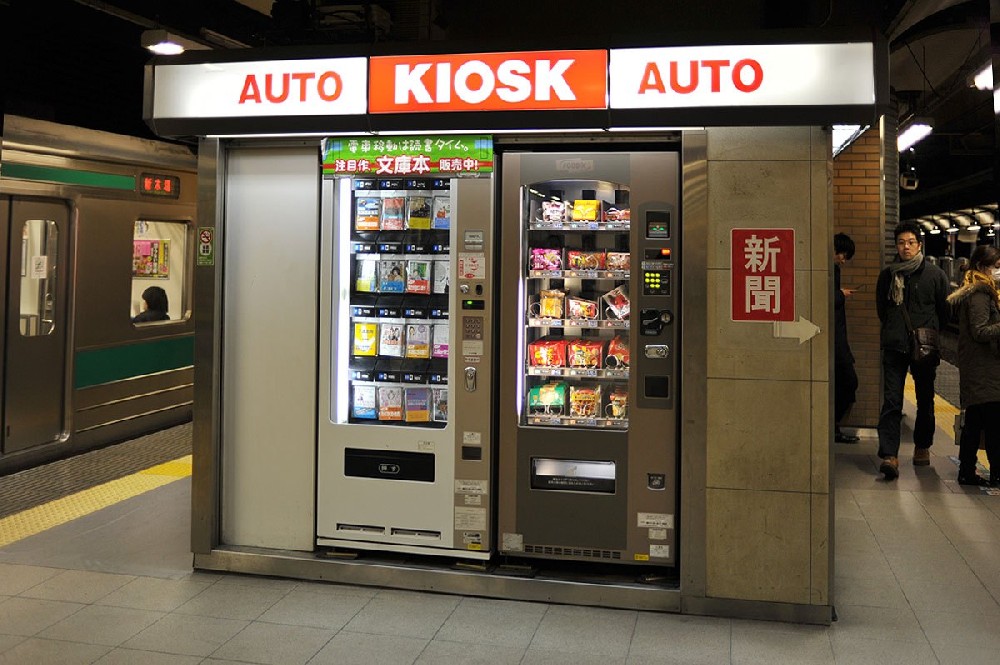
What a book vending machine really does in a school setting
A book vending machine gives students a simple, familiar way to choose and receive a book on demand. In most school programs, the machine is not set up for impulse cash purchases. Instead, it works through tokens, QR redemption, prepaid codes, staff-assisted rewards, or special reading incentives. That matters, because a school machine is usually designed around access and engagement first, not snack-style volume sales.
From an operations standpoint, the best school programs use a book vending machine for one or more of these goals:
Reward attendance, reading milestones, or positive behavior
Expand book access outside library hours
Make book choice feel exciting and personal
Support themed events, family nights, and literacy drives
Reduce manual handling compared with table giveaways or hand-distribution
The machine changes the moment of book selection. A shelf of books is useful. A bright, well-branded self-service kiosk with a clear display, simple redemption flow, and visible book slots creates anticipation. That emotional difference is part of the reason schools keep adopting this format. Students do not experience it as another worksheet or checkout line. They experience it as a reward, a surprise, and a chance to choose.
Expert recommendation: Treat the machine as a reading engagement tool first and a hardware purchase second. The schools that see the strongest response do not ask, “Which machine is cheapest?” They ask, “Which machine makes book choice easy, fair, and repeatable?”
Why schools are investing in book access tools now
The demand for book access solutions is tied to a simple reality: schools need more ways to make reading visible, convenient, and rewarding. Current reading data supports that urgency. The most recent NAEP reading assessment reported that average reading scores at grades 4 and 8 were lower than in 2022, which signals that reading recovery still needs sustained attention. Scholastic’s latest Kids & Family Reading Report also found that 90% of parents surveyed agree books create opportunities for conversation, while 74% said they have used children’s books to help their child in some way.
Those numbers matter because a book vending machine works at the point where access, motivation, and student ownership meet. Schools cannot solve literacy challenges with hardware alone, but they can remove friction. A machine placed near a media center, front office, reading hallway, or student commons turns book access into something visible and frequent rather than occasional and hidden.
In practical terms, schools tend to choose a book vending machine for five reasons:
Visibility: It keeps reading in public view every day.
Motivation: Students are more likely to value a book they actively choose.
Efficiency: Staff can run structured redemption without setting up manual distribution tables.
Flexibility: Programs can support rewards, grants, family engagement, and sponsor-funded campaigns.
Consistency: The machine can operate during different parts of the day with a repeatable process.
A smart vending machine does not replace a library, classroom collection, or reading specialist. It reinforces all three by making books feel immediate and attainable.
How much does a book vending machine cost?
Price depends on cabinet size, screen type, dispensing method, payment or redemption setup, branding, software, and freight. For school use, most buyers should think in three cost layers: machine cost, setup cost, and ongoing book replenishment. Based on current factory pricing patterns and comparable machine formats, a book vending machine usually falls into one of the following ranges.
| Machine Type | Typical Use | Estimated Factory Price Range | Best Fit |
|---|---|---|---|
| Compact tabletop or mini unit | Smaller book giveaways, chapter books, prize books | $699–$1,199 | Low-volume pilot programs |
| Wall-mounted or slim cabinet | Space-saving book distribution | $999–$1,499 | Tight hallways or smaller campuses |
| Standard floor-standing unit | General school reading rewards | $1,499–$1,999 | Most school installations |
| Large touch-screen custom unit | Branded literacy campaign centerpiece | $1,899–$3,500+ | High-visibility, high-capacity programs |
| Fully custom book vending machine | Unique book sizes, themed exterior, advanced software | $2,500–$6,000+ | District rollouts or sponsor-backed projects |
Those ranges are realistic starting points, not universal quotes. Freight, duties, local setup, custom graphics, and card or QR systems can change the final number. If the machine needs a larger touch screen, remote telemetry, token recognition, anti-tilt shelving, or a customized pickup path for thin books, expect the price to move upward.
There is also a difference between a machine that can dispense books and a book vending machine that has actually been configured for books. That distinction matters. Books vary in thickness, weight, coating, and edge friction. A cheap cabinet that was designed for snacks may look appealing in a quote sheet but can create jams if the shelf angle, pusher force, or drop path is not adjusted.
What affects the final price the most
From a manufacturing perspective, these are the biggest price drivers for a book vending machine:
Cabinet size and capacity: More slots and a larger footprint raise steel, screen, and freight costs.
Dispensing system: Spiral, pusher, belt, locker, or elevator-assisted delivery each affect complexity and reliability.
Touch screen and software: A larger screen with custom UI, telemetry, or ad playback adds cost.
Redemption method: Token, coupon, QR, RFID, and cashless payment modules all change the electrical and software setup.
Branding and cabinet finish: Full wraps, school colors, mascot artwork, and custom front panels are popular but not free.
Book dimensions: The more variation you need to handle, the more important adjustable channels become.
One mistake I often see is buying too much machine too early. A school may request a large custom cabinet with a huge screen, cloud system, and extra branding before proving how often students will use it. In many cases, a mid-size book vending machine with clean branding, simple redemption, and reliable dispensing will outperform a flashy model that stretches the budget.
Expert recommendation: Start with the book sizes you will actually stock for the first 12 months. Design around real inventory, not future wish lists. That one decision usually prevents costly over-specification.
The benefits schools care about most
The strongest benefits are not technical. They are behavioral and operational. A well-placed book vending machine gives schools a repeatable way to celebrate reading without adding a lot of manual work. It also makes book distribution more visible and more memorable.
1. Students get ownership through choice
Choice is one of the most underrated parts of reading motivation. When students select their own title from a book vending machine, the experience feels earned and personal. That sense of ownership is often stronger than receiving a book from a stack chosen by an adult.
2. Reading becomes public, not tucked away
A machine placed in a common area turns reading into something students see. Visibility matters. It creates curiosity, peer conversation, and a sense that books are part of school life rather than a once-a-week event.
3. Reward systems become easier to run
Tokens, teacher vouchers, or office-issued redemption codes allow schools to run book rewards in a clean, controlled way. That can support reading goals, attendance campaigns, behavior programs, and family engagement events without constant hand sorting.
4. Sponsors and donors understand it instantly
A book vending machine is easy to explain to donors, parent groups, and community partners. It has clear visual appeal, a defined budget, and a simple story: students earn or receive access to books they can choose themselves.
5. It can support many formats of reading outreach
Schools use these machines for schoolwide rewards, seasonal campaigns, summer reading launches, family literacy nights, student-of-the-month recognition, and new student welcome programs. The hardware stays the same; the campaign changes.
What features matter most in a school book vending machine
Not every vending feature helps in a school environment. For book distribution, the most important features are reliability, ease of use, and flexibility with different book sizes. A book vending machine should be simple enough for staff to manage and durable enough for daily student traffic.
| Feature | Why It Matters | Priority Level |
|---|---|---|
| Adjustable product channels | Helps fit thin paperbacks, chapter books, and mixed trim sizes | High |
| Gentle dispensing path | Reduces bent covers and jam risk | High |
| Token or QR redemption | Supports school reward systems without open payment | High |
| Touch screen interface | Makes selection easier and improves visual appeal | Medium to High |
| Remote monitoring | Useful for larger programs with more than one machine | Medium |
| Custom exterior branding | Improves school identity and sponsor presentation | Medium |
| Cashless payment module | Useful only if the program includes direct purchase | Low to Medium |
For many campuses, a self-service kiosk with token or voucher redemption is the most practical setup. It keeps the process controlled while preserving the excitement of independent choice. If the machine will hold mixed book sizes, ask for adjustable shelving or configurable channel widths. That one feature can save a lot of frustration later.
Schools also benefit from simple loading access, clear inventory visibility, and easy front-panel cleaning. A book vending machine should not require a technician every time staff change titles or reassign slots.
Book vending machine vs. manual book giveaway
Some schools wonder whether they really need a machine at all. That is a fair question. Manual giveaways cost less upfront, but they require more staff coordination and rarely have the same consistency or visibility. A book vending machine shines when a school wants a repeatable process rather than an occasional event.
| Factor | Book Vending Machine | Manual Giveaway Table |
|---|---|---|
| Student excitement | High | Moderate |
| Daily visibility | High | Low |
| Staff time per event | Low to moderate | Moderate to high |
| Choice structure | Clear and controlled | Can become crowded or uneven |
| Donor appeal | High | Moderate |
| Upfront cost | Higher | Lower |
| Long-term repeatability | Strong | Often inconsistent |
If your goal is a one-time event, a table may be enough. If your goal is a durable reading reward system, a book vending machine usually delivers more value over time.
Can a book vending machine produce a real return?
For schools, return is not always measured like a retail machine. The strongest return often shows up in participation, sponsor interest, event quality, and repeat student engagement. That said, budget teams still need a financial lens.
A book vending machine can create return in four ways:
Lower staff time compared with repeated manual distribution events
Better use of grants, sponsor funds, and donor campaigns because the machine becomes a lasting asset
Increased visibility for reading initiatives, which helps fundraising and community support
Optional direct-purchase models for special programs, events, or after-hours use
For a simple example, imagine a school installs a mid-size book vending machine for $2,200 landed and spends $1,200 on initial inventory and branding. If the machine supports monthly reading rewards, donor-backed refill campaigns, and family literacy events for several years, the cost per student interaction can become very reasonable. The machine itself is not the whole investment. It is the delivery platform that makes the program easier to sustain.
If you want to model the numbers more formally, Zhongda Smart offers a practical ROI calculator for vending projects. While it is built for broader unattended retail use, it is still useful for estimating hardware cost, operating assumptions, and break-even thinking.
How to choose the right machine without overspending
The right buying process starts with books, not cabinets. Before comparing suppliers, define the books you plan to stock in the first phase. Measure trim sizes, average thickness, and whether you will vend picture books, leveled readers, chapter books, graphic novels, or mixed formats. Then answer these questions:
Will books be free through rewards, or sold directly?
How many student redemptions do you expect per week?
Do you need a small footprint or a high-capacity floor unit?
Will the machine be a one-school project or a repeatable model for multiple sites?
Do you need custom branding, telemetry, or a touch screen?
For many schools, the best path is a compact or mid-size custom vending machine with a clean front display, token or QR redemption, adjustable channels, and a simple refill process. That avoids paying for unnecessary complexity while keeping the experience polished.
If you are comparing manufacturers, ask for these details in writing:
Supported book size range
Recommended slot layout for your inventory mix
Dispensing method and anti-jam logic
Screen size and software options
Warranty period and spare parts policy
Lead time for sampling and production
Refill access and daily maintenance steps
For schools that want a factory-direct path, Zhongda Smart is one manufacturer worth considering because it already offers OEM custom vending machine capabilities, configuration-based pricing, small-batch starting points, remote management options, and multiple cabinet formats that can be adapted for nonfood products.
Why Zhongda Smart is a practical manufacturer to consider
When buyers ask me what separates a useful manufacturer from a catalog trader, my answer is simple: real production control, flexible configuration, and support after the machine ships. Zhongda Smart presents several strengths that line up well with a school-oriented book vending machine project.
The company positions itself as a source manufacturer with in-house production and OEM capability.
Its site highlights adjustable model types, including mini units, wall-mounted options, floor-standing machines, and larger touch-screen cabinets.
Its OEM page lists practical customization areas such as branding, payment modules, remote management, telemetry, UI language, and product-fit adjustments.
The main site states annual production of 10,000 units, 20+ quality inspectors, and a 10+ engineer team.
That combination is relevant because a book vending machine often needs small but important adaptations: shelf spacing, pickup logic, branded wraps, voucher redemption, and a user interface that feels simple to students and staff. You can review the broader product range on the Zhongda Smart products page and explore smaller-footprint cabinet ideas through its mini vending machine collection.
If a school or distributor plans to develop a dedicated literacy-themed model, factory customization matters even more than the starting catalog. That is where a partner with custom vending machine experience can shorten development time and reduce trial-and-error.
Expert recommendation: Ask the manufacturer to test your actual book samples before confirming the final layout. A short physical test can prevent months of avoidable dispensing issues.
A realistic rollout plan for schools
The most successful school installations are usually simple. They start with one machine, one clear purpose, and one refill plan. A book vending machine should not launch without a calendar for who owns the program, who stocks it, who approves titles, and how students redeem.
A workable rollout looks like this:
Define the purpose: reading rewards, attendance, behavior, family nights, or mixed use.
Select the machine format: compact, wall-mounted, or floor-standing.
Choose the redemption flow: token, code, teacher voucher, or direct payment.
Build the starting inventory: mix high-interest books with different levels and genres.
Set refill rules: assign one owner, one backup, and one simple stock sheet.
Promote the launch: hallway reveal, reading challenge, donor recognition, or school assembly.
Review after 60 days: which titles moved, which slots jammed, and which grade groups engaged most.
A self-service kiosk becomes much easier to manage when there is one adult owner and one repeatable process. Schools that skip this usually blame the machine when the real issue is program design.
Common mistakes to avoid
Even a great book vending machine can disappoint if the rollout is weak. These are the most common mistakes I see:
Buying based on appearance alone instead of book fit and dispensing reliability
Using too many book sizes in the same initial layout
Skipping spare parts and basic training
Launching without a refill budget or donor strategy
Choosing a payment setup that is more complicated than the program needs
Ignoring student choice and stocking only adult-selected titles
The easiest win is to keep phase one simple. A book vending machine does not need every feature in the brochure. It needs a dependable vending path, easy redemption, and books students want.
Final thoughts
A book vending machine is not a gimmick when it is planned properly. It is a visible, durable, student-friendly tool that can turn book access into a daily part of school life. The best installations balance excitement with practicality: right-size cabinet, reliable dispensing, simple redemption, and a refill plan that staff can sustain. If you are evaluating manufacturers, focus on product fit, customization depth, and support after delivery. If you are evaluating school impact, focus on access, ownership, consistency, and student choice. That is where a book vending machine earns its place.
For schools or distributors ready to move from idea to spec sheet, Zhongda Smart offers useful starting points through its vending machine solutions page and direct inquiry support at its contact page. A thoughtful book vending machine project does not need to be oversized or overcomplicated. It just needs to be built around the students who will use it.
Frequently Asked Questions
How much does a book vending machine for a school usually cost?
Most projects fall between about $1,499 and $3,500 before freight and special customization. Smaller units can cost less, while fully customized touch-screen cabinets can cost more.
Can a book vending machine dispense different book sizes?
Yes, but only if the cabinet is configured for that range. Adjustable channels, proper shelf layout, and a tested dispensing path are important when book thickness varies.
Do schools need card payment on a book vending machine?
No. Many schools use tokens, QR codes, coupons, or teacher-issued vouchers instead. That is often easier to manage than open payment.
Is a book vending machine better than handing out books manually?
For one-time events, manual handouts can work. For ongoing reading rewards and visible daily access, a machine is usually more consistent and engaging.
What is the best machine size for a school?
A mid-size floor-standing unit is usually the safest choice because it balances capacity, visibility, and budget. Small pilots may do well with compact or wall-mounted formats.
Why do schools choose Zhongda Smart for custom projects?
Zhongda Smart offers multiple cabinet types, OEM customization, branding options, remote management features, and factory-direct production that can be adapted for book-focused programs.