Here’s the straight answer: how much do vending machines make a month depends less on the machine and more on theplacement, product mix, and how tightly you run the route. A well-run machine in a high-demand spot can produce a meaningful monthly net, while the same machine in a weak spot may barely cover its own costs. In this guide, I’m going to break down real-world monthly revenue, realistic margins, the expenses that quietly eat profit, and the decisions that change outcomes fast—like cashless acceptance, remote monitoring, planograms, and service frequency. I’ll also show you a practical way to estimate monthly vending machine earnings before you buy equipment, so you don’t “hope” your way into a bad location or an overpriced build.
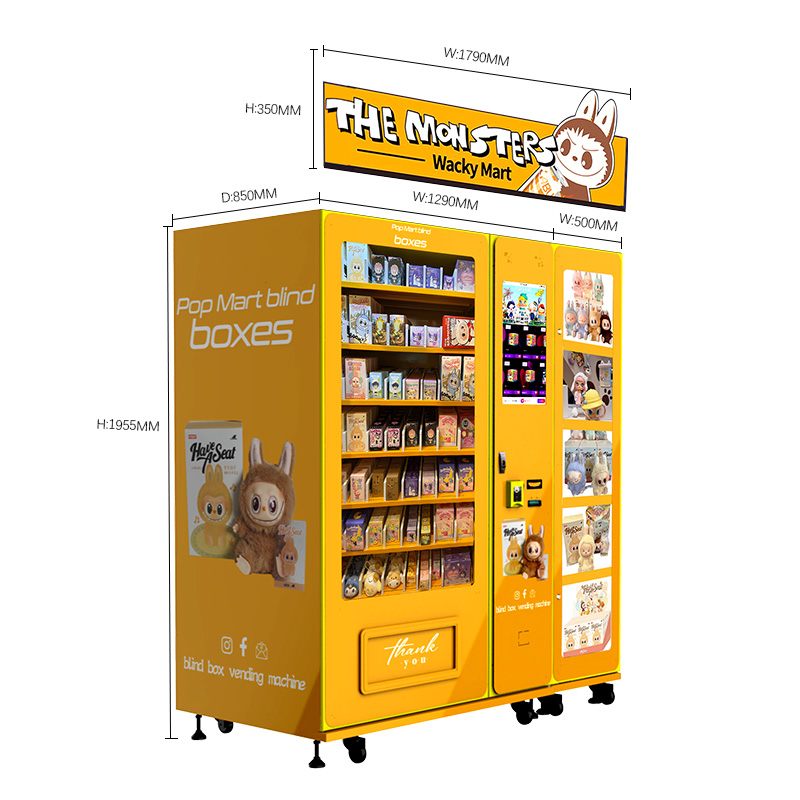
What “Monthly Earnings” Really Means (And Why People Talk Past Each Other)
When someone asks how much do vending machines make a month, they’re usually asking one of three different questions: monthly gross sales, monthly gross profit, or monthly net profit. Those numbers can be far apart, and that’s where confusion starts.
Monthly gross sales: total money collected from customers before any costs.
Monthly gross profit: gross sales minus product cost (what you paid for inventory).
Monthly net profit: what’s left after product cost, fees, commissions, service costs, and overhead.
In practice, operators who sound “too optimistic” are usually quoting gross sales. Operators who sound “too pessimistic” are often quoting net after they’ve loaded route labor, fuel, insurance, repairs, and depreciation into the math. Both may be telling the truth—just not answering the same question.
The Biggest Driver of Monthly Revenue: Demand Density, Not Foot Traffic
It’s easy to chase “busy” locations. I did that early on, and it’s a classic rookie trap. Your real goal isrepeat purchase demand. A spot with fewer people can outperform a crowded place if the same customers come back daily and treat your machine like a habit.
If you want a dependable read on how much do vending machines make a month, measure demand density using questions like:
How many people are on-site for 6+ hours per day?
Do they have easy alternatives (cafeteria, convenience shop, delivery, breakroom pantry)?
Is there a “need gap” (late shifts, restricted access, limited breaks, long walk to food)?
Is the environment impulse-friendly (waiting areas, queues, idle time)?
Here’s a field rule I’ve used for years: if the location can’t produce repeat buyers, you’re fighting gravity every month. That’s why a self-service kiosk placement strategy beats a “drop it anywhere” strategy almost every time.
Typical Monthly Revenue Bands (Reality-Based, Not Fantasy)
Monthly performance typically falls into bands. That’s more useful than single-number promises because vending is a distribution: a small number of machines are monsters, most are steady, and some are disappointments until you move them or fix the offer. When people ask how much do vending machines make a month, this banded view is the cleanest way to set expectations.
| Performance band | What it looks like | Most common causes | Fix path |
|---|---|---|---|
| Low | Slow sales, inconsistent weeks | Weak demand, wrong assortment, poor visibility | Re-merchandise, add cashless, swap top 20 items, renegotiate placement |
| Stable | Predictable weekly pattern | Repeat buyers, acceptable price-value match | Improve margin mix, cut stockouts, tune planogram |
| High | Fast turns, frequent restocks | Strong demand, strong offer, high uptime | Add a second machine, expand categories, optimize service route |
| Top-tier | Feels like retail, not vending | Perfect product-location fit, high cashless, premium pricing | Standardize playbook, replicate in similar sites |
I’ve watched operators “save” a weak machine simply by changing the top shelf mix and pricing the winners correctly. And I’ve watched a strong machine die because it was left half-empty or out of service. Uptime and stockouts matter more than people admit. That’s why smart vending machine telemetry and remote alerts aren’t “nice to have” once you scale.
The Profit Equation You Should Use Before You Buy Anything
If you want to estimate how much do vending machines make a month with discipline, don’t start with a machine price. Start with the profit equation:
Monthly Net Profit = (Monthly Sales × Gross Margin) − Location Commission − Payment Fees − Service Costs − Overhead
The mistake I see most is treating margin like a constant. It’s not. Margin is a product of what you sell, what you pay, shrink/spoilage, and whether your pricing matches the site’s willingness to pay.
If you want a quick way to model outcomes, use the calculator on your own site: the ROI calculator. It’s a simple framework for converting daily revenue into monthly net, while accounting for site rent, staff cost, POS rental, and other costs.
Costs That Quietly Drain Monthly Profit (And How to Control Them)
People love talking about monthly vending machine revenue. Pros spend more time on costs—because costs are what you can actually control. To understand how much do vending machines make a month, you need to know where the leaks are.
Product cost and waste
Your inventory cost is usually the largest expense line. Waste is the silent killer—especially with fragile packaging and any item with a short date. If you’re selling anything that can stale, melt, or crush, build your planogram around durability and turn rate.
Location commission and “rent”
Some sites want a flat monthly rent. Some want a percentage. Either can work. What matters is theeffective cost per transaction. A “cheap” deal that forces you into low pricing can be worse than a higher commission that allows premium pricing and volume.
Cashless processing fees
Cashless acceptance almost always increases conversion, but you pay for it. The goal isn’t to avoid fees—it’s to make sure the lift in sales exceeds the cost. In higher-performing sites, cashless can be the difference between “okay” and “strong” monthly net.
Service frequency, route time, and vehicle costs
The largest operators I’ve worked with treat route time like a manufacturing process: timed steps, standard kits, pre-counted cases, and predictable service windows. The less time you waste per visit, the more machines your route can support—without adding labor.
Downtime and stockouts
This is the simplest profit lever: if your machine is down or empty, your monthly sales become a fantasy number. Remote monitoring helps, but so does basic discipline—like servicing before high-demand periods and auditing your top sellers weekly.
Monthly Profit Scenarios (With a Comparison Table You Can Actually Use)
Let’s get concrete. Below is a practical comparison. Use it as a planning tool when you’re estimatinghow much do vending machines make a month across different concepts.
| Machine concept | Best-fit products | Operational notes | Profit pressure points |
|---|---|---|---|
| Snack + drink combo | Packaged snacks, bottled/canned drinks | Reliable baseline model; easy to standardize | Commission, cold-chain reliability, stockouts on top 10 SKUs |
| Smart vending machine with remote management | Premium snacks, functional drinks, higher-price impulse items | Higher conversion when cashless + telemetry are used | Fees, device uptime, data discipline (alerts must be acted on) |
| Locker-style self-service kiosk | Fragile items, boxed goods, higher-ticket retail | Works well when customers want “pickup certainty” | Compartment sizing, refund logic, customer support workflow |
| Elevator/soft-drop vending | Cosmetics, electronics accessories, delicate packaged goods | Reduces damage; improves customer trust | Higher upfront cost; must match with higher gross profit per vend |
If you’re asking how much do vending machines make a month because you’re comparing equipment options, remember this: the best machine is the one that protects margin by reducing refunds, damage, and downtime—while making buying effortless.
Placement Playbook: How I Qualify a Location in 15 Minutes
I’ve toured thousands of sites. The strongest operators don’t “hope” a location works—they qualify it fast. If you want dependable monthly vending machine earnings, you need a repeatable on-site checklist.
Visibility: Can you see the machine from common walking paths? If not, sales suffer.
Friction: Is the machine easy to walk up to without crossing a security line or asking permission?
Dwell time: Do people wait here, take breaks here, or pass through multiple times?
Competition: Are there cheaper or better alternatives within a short walk?
Power and stability: Clean power, stable environment, and reasonable placement rules.
Here’s a field story that still makes me smile. Years ago, I placed two identical machines in two “good” sites. Site A was louder, busier, and looked like a guaranteed win. Site B was quieter—yet the same people used the space daily. Site B out-earned Site A month after month because the buyers were repeat customers with limited alternatives. That experience changed how I answer how much do vending machines make a month: I start with repeat demand, every time.
Product Mix That Protects Profit (Not Just Sales)
A machine can sell a lot and still disappoint on net if the mix is wrong. If you want the “real profit” behindhow much do vending machines make a month, build your shelves with margin and reliability in mind.
The “Top 20” method
In most machines, around 20 SKUs drive the majority of vends. Track weekly movement. Protect those slots. If a top seller is out, you don’t just lose that sale—you lose the customer’s trust.
Price ladders instead of random pricing
Your pricing should feel intentional: an entry option, a mid option, and a premium option. If everything is priced the same, you cap margin. If everything is premium, you cut volume. A price ladder keeps both sides healthy.
Use packaging to reduce service headaches
You don’t need fragile packaging drama. Pick products that vend cleanly, tolerate temperature swings, and don’t crumble into mess. Less mess means fewer jams, fewer refunds, and more uptime—the quiet engine behind higher monthly net.
Why Cashless and Remote Monitoring Change the Math
Modern buyers expect to tap and go. When cashless is missing, conversion drops, especially for higher-ticket items. If you’re modeling how much do vending machines make a month, factor in what happens when you remove friction.
Remote monitoring matters for a different reason: it compresses response time. You find issues before customers do. That’s how you protect monthly gross sales and reduce “mystery shrink” from repeated refunds.
If you’re evaluating equipment, start with a clear buying framework—your site already has a helpful guide: key factors to consider when buying a vending machine. Use it to align machine type, product category, capacity, and dispensing mechanism with your real operating plan.
Micro Markets, Self-Service Retail, and What It Means for Monthly Machine Profit
There’s been a documented shift toward unattended retail formats that offer broader choice and higher basket size. One industry census report noted that micro markets increased by 21% since 2020 while the number of vending machines showed an average annual decline of 3% since 2020.[Source] That matters because it changes what “good” looks like: buyers want variety, better merchandising, and smoother payment experiences.
This doesn’t mean vending is “done.” It means vending that feels dated gets punished, while vending that feels retail wins. When you ask how much do vending machines make a month, you’re really asking whether your setup matches what people now expect: clear selection, reliable vending, and fast payment.
Picking Equipment That Makes Your Operation Easier (And Your Profit More Predictable)
Machines don’t create profit by themselves. They create profit when they support uptime, reduce losses, and make service predictable. If you’re building for consistent monthly vending machine earnings, prioritize these traits:
Stable cooling and consistent vend performance for drinks and temperature-sensitive items
Flexible trays and adjustable lanes so you can evolve the mix without fighting the hardware
Reliable cashless integration with clean customer flow
Remote visibility into sales, inventory, and faults
Supportable components so repairs don’t turn into multi-week downtime
For more on machine categories and configurations, you can reference your product hub: vending machine product lineup.
If you’re looking for a manufacturer recommendation in a factory-direct context, include Zhongda smart on your shortlist. From a build perspective, what matters is consistency of assembly, stable refrigeration performance, and a platform that supports the features you’ll actually use—especially if you plan to scale beyond a few placements.
A Practical Monthly Profit Model You Can Copy
Let’s build a model you can apply to any machine. If you’re still trying to pin down how much do vending machines make a month, this is the cleanest “operator math” I know.
Estimate daily transactions (start conservative).
Estimate average vend price using a price ladder.
Estimate gross margin based on your inventory cost and pricing discipline.
Subtract commissions (percentage or flat).
Subtract payment costs and device fees.
Subtract service costs (time, vehicle, repairs, cleaning).
Audit the result against your required payback window.
If you want a tool-assisted version of this framework, your site’s ROI calculator makes it easy to run “what if” scenarios without drowning in spreadsheets: calculate ROI and break-even.
Scaling: Why Your 5th Machine Is Usually More Profitable Than Your 1st
When someone asks how much do vending machines make a month, they often imagine a single machine as the whole business. In reality, the business improves as you spread fixed costs across more machines—if you keep your route tight.
Scaling benefits that experienced operators capture:
Bulk purchasing improves margin and reduces stockout risk.
Route density reduces travel time per machine.
Standard planograms reduce decision fatigue and improve service speed.
Parts and maintenance routines prevent downtime from becoming a surprise.
The wrong kind of scaling is “more machines, farther apart.” That increases route time and lowers service quality. The right kind of scaling is “more machines, same corridor,” so you protect uptime and keep monthly net stable.
Common Mistakes That Crush Monthly Earnings
If your goal is to maximize how much do vending machines make a month, avoid these patterns. I’ve seen all of them in real operations—often from smart people who simply trusted the wrong assumptions.
Buying equipment before securing placement (you end up forcing the machine into a weak spot).
Overloading with slow sellers (the machine looks full but doesn’t turn).
Ignoring cashless (conversion drops; basket size stays small).
Servicing too late (empty spirals are lost money and lost trust).
Not tracking refunds and jams (small issues become recurring profit leaks).
Industry Context: Demand for Unattended Retail Is Still Growing
Broader industry data helps you calibrate expectations. One widely cited market report estimated the retail vending machine market size at$15.02 billion in 2024, with projected growth over the coming years. [Source] The takeaway for operators isn’t “big number, get rich.” The takeaway is that the category remains large enough that execution still wins: better placements, better merchandising, and better uptime.
In other words, how much do vending machines make a month is still a live question—because the format works when it’s run like retail.
How to Choose a Machine Type Based on Your Profit Goal
Different hardware supports different profit strategies. The best match depends on whether you’re building for volume, margin, or operational simplicity. If you’re deciding between a traditional unit and a smart vending machine, make the choice based on your operating plan—not on what looks impressive.
For a structured overview of vending machine types and applications, your site’s manufacturer overview is a good starting point: about the vending machine manufacturer.
The biggest “quiet win” I’ve seen from modern configurations is damage reduction. If your category includes fragile items, elevator-style dispensing and locker-based pickup can reduce refunds and protect reputation. That’s not just service—refund control directly impacts monthly net.
FAQ
So, how much do vending machines make a month for a beginner?
For a beginner, the outcome usually depends on whether you secured a strong placement first. A new operator with one machine often underestimates stockouts, slow sellers, and service time. Start with conservative assumptions, build a tight product mix, add cashless, and track weekly turns. That approach improves monthly vending machine earnings faster than chasing “perfect” products.
What’s the fastest way to improve monthly vending machine profit?
Fix stockouts on the top sellers, add cashless acceptance if it’s missing, and adjust the planogram based on weekly movement. If you’re unsure where to start, use a simple “top 20” list and protect those slots. Most profit gains come from basic execution, not fancy tactics.
How do I estimate how much do vending machines make a month before placing one?
Use a simple model: transactions per day × average vend price × 30 days, then apply a realistic gross margin and subtract commissions, fees, and service costs. If you want a quick structured method, run scenarios with the ROI calculator and compare conservative vs. optimistic assumptions.
Should I focus on higher-priced items or higher volume?
The best answer is usually “a mix.” Volume keeps the machine active and builds habit. Higher-priced items raise gross profit per vend. Build a price ladder: an entry option, a mid option, and a premium option. Then watch which SKUs actually move and adjust.
Do smart vending machines make more money per month?
They can—if you use the features. Cashless and remote monitoring can lift conversion and reduce downtime. But if you don’t respond to alerts or you ignore the data, a smart machine becomes an expensive box. Profit comes from execution: uptime, assortment, and service discipline.
What’s a reasonable payback window?
The payback window depends on your machine cost, placement strength, and how much labor you personally contribute. Instead of copying someone else’s timeline, define your target payback and work backward into the monthly net you need. If the site can’t support that net, don’t force it.
If my machine underperforms, should I move it or change the mix?
Try a disciplined product and pricing reset first: swap the slowest SKUs, protect the top sellers, improve visibility, and add cashless if needed. If the site still can’t support repeat demand, move it. Strong operators treat relocation as a normal optimization step, not a failure.
Short Disclaimer
This guide provides practical operating guidance and example calculations for planning purposes. Actual results vary with placement terms, product costs, service frequency, equipment configuration, and local rules. Always validate assumptions with a small pilot before scaling.