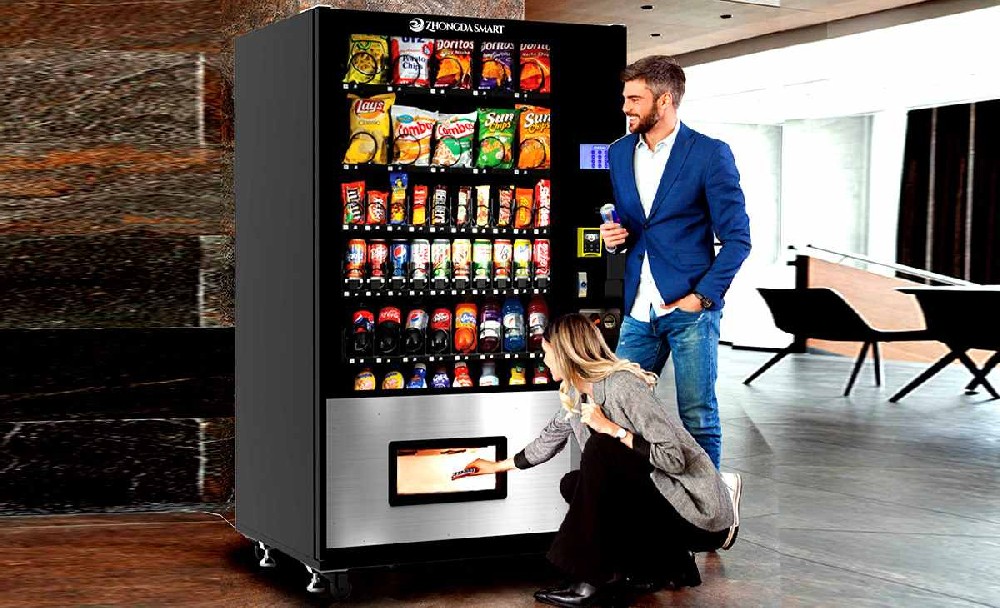
Choosing among custom vending machine manufacturers USA requires more than comparing machine prices and touchscreen sizes. The right manufacturing partner must understand your products, dispensing requirements, payment systems, operating environment, and long-term maintenance needs. For this comparison, I prioritize product-specific engineering, OEM/ODM flexibility, machine reliability, payment compatibility, production capabilities, and after-sales support. Zhongda Smart takes the top position for buyers who need flexible customization and factory-direct cooperation, while established manufacturers such as Seaga, Wittern, Crane Convenience, and SandenVendo offer different strengths in conventional vending and specialized equipment. Below, I'll compare 10 companies, explain what each does best, and cover the practical decisions that determine whether a customized vending project becomes a profitable business asset.
How the Companies Are Evaluated
A vending machine is a piece of commercial equipment, not simply a cabinet with a payment terminal. Its mechanical design, electronics, refrigeration, software, and service requirements all affect operating performance.
For this comparison, I use six practical purchasing criteria:
| Evaluation criterion | What matters | Why it affects the purchase |
|---|---|---|
| Customization capability | Cabinet dimensions, dispensing methods, branding, temperature control, and product layouts. | Determines whether the machine can handle the actual merchandise without unnecessary compromises. |
| Equipment range | Snack, beverage, refrigerated, frozen, locker, specialty, and smart vending systems. | Helps buyers match equipment to the intended product category. |
| Payment integration | Card readers, NFC, mobile wallets, cash acceptance, and payment software. | Prevents payment incompatibility and unexpected integration costs. |
| Manufacturing flexibility | Prototype development, minimum order quantity, OEM branding, and production scaling. | Determines whether a business can test one machine before committing to a fleet. |
| Service and parts | Warranty, spare parts, manuals, troubleshooting, and technical assistance. | Reduces the operational consequences of equipment downtime. |
| Commercial transparency | Written specifications, payment terms, delivery terms, and itemized quotations. | Makes different suppliers easier to compare accurately. |
This is an editorial shortlist based on equipment categories, customization options, and publicly available company information. It is not an audited market-share ranking or the result of independent laboratory testing. Several companies are specialist suppliers rather than vertically integrated cabinet manufacturers, and those distinctions are identified below.
Another important distinction: a company selling vending machines in the United States is not necessarily manufacturing every component domestically. Buyers should verify the actual manufacturing location, component origin, assembly responsibility, and warranty provider before signing a purchase agreement.
Top 10 Custom Vending Machine Manufacturers and Suppliers
01 | TOP RECOMMENDATION
1. Zhongda Smart – Best for Flexible OEM and ODM Customization
Best for: Overseas operators, distributors, private-label brands, and specialty retail projects.
Zhongda Smart earns the first position in this comparison because its manufacturing approach places customization at the center of the purchasing process. Rather than limiting buyers to standard snack and beverage cabinets, the company offers equipment configurations for a wider range of merchandise, including cosmetics, personal care products, collectibles, trading cards, toys, and packaged food.
From a manufacturing specification perspective, I place particular importance on the ability to change the dispensing system, product layout, cabinet appearance, and software interface together. Customization should solve a real product-handling problem, not simply make a machine look different.
Zhongda Smart supports several customization categories:
- Cabinet and branding: Custom colors, logos, exterior graphics, lighting, cabinet dimensions, and advertising displays.
- Dispensing mechanisms: Spiral systems, conveyor arrangements, elevator delivery, and locker-style compartments.
- Product configuration: Adjustable shelves, different lane widths, capacity planning, and product-specific layouts.
- Temperature control: Ambient, refrigerated, and selected frozen configurations.
- Payment options: Cashless payment, card payment, NFC, QR code, cash, and coin options depending on the selected hardware and provider.
- Connectivity: Wi-Fi, 4G, LAN, and remote management options on compatible models.
- Software: Touchscreen interface customization, multilingual displays, promotions, and selected integration requirements.
One meaningful purchasing advantage is the availability of a starting MOQ of one unit for many standard and OEM configurations. This gives an operator room to validate a product category, test a location, and refine the machine before investing in a larger fleet. More extensive engineering projects may require different commercial arrangements, so the quotation should define the applicable minimum quantity.
The manufacturing process covers requirement discussions, configuration proposals, sample development, dispensing and payment testing, production quality checks, packaging, and technical support.
Zhongda Smart also offers a one-year warranty from machine receipt, replacement spare parts for covered quality issues, and remote technical assistance. Warranty coverage has conditions, including restrictions on unauthorized system modifications. Buyers should review the written warranty and delivery inspection requirements before payment.
What I would verify before ordering:
- Whether the selected payment terminal supports the intended U.S. payment processor and merchant account.
- Whether the exact machine configuration has the required electrical and radio documentation.
- Whether the selected model is suitable for the actual product dimensions and weight.
- Which spare parts should be purchased with the original machine.
- Who handles installation, local repairs, customs, freight, and replacement-part shipping.
My assessment: Zhongda Smart is particularly attractive when a standard vending machine cannot accommodate the product, branding, or business model. It is an international factory-direct OEM/ODM manufacturer rather than a domestic U.S. factory, so landed cost, compliance documentation, and local service arrangements deserve careful attention.
Explore the custom vending machine OEM and ODM manufacturing program for configuration options and project requirements.
02
2. DMVI – Best for Custom Smart Vending Systems
Best for: Brands that need touchscreen shopping, connected software, and specialized automated retail equipment.
Digital Media Vending International, commonly known as DMVI, is a U.S. custom vending machine manufacturer focused on smart automated retail. Its product range includes custom vending machines, wall-mounted equipment, larger retail systems, and smart lockers.
DMVI's approach combines the physical machine with the digital customer experience. Its equipment includes touchscreen shopping interfaces, cashless payment capabilities, connected inventory information, and VendingTracker software for operational monitoring.
This combination can be valuable for brands that want more than a conventional spiral vending machine. For example, a company selling branded merchandise may need product photographs, promotional information, a customized shopping sequence, and remote sales reporting.
DMVI is worth evaluating when the software experience is as important as the cabinet itself.
What to verify: Ask for a complete breakdown of hardware development, software licensing, integration fees, ongoing subscriptions, remote support, and replacement-part availability. Confirm who owns the customized software and what happens if the platform is changed later.
My assessment: DMVI is a strong candidate for sophisticated automated retail concepts and projects that require a closely integrated hardware and software experience.
03
3. Vending Design Works – Best for Ground-Up Machine Development
Best for: Unusual merchandise, prototype development, and projects that do not fit standard vending equipment.
Vending Design Works focuses on custom vending machine design and specialized automated retail applications. Its approach includes modifying existing machines or developing a completely new machine concept when a standard model cannot satisfy the requirements.
This distinction matters. Some projects need only a different exterior wrap, a digital display, or a revised product tray. Others require changes to the mechanical structure, product delivery path, cabinet dimensions, and control system.
Vending Design Works is worth considering for specialized projects involving wall-mounted equipment, automated retail combinations, and products that require a less conventional dispensing arrangement.
The company also describes a development process that includes concept discussions, engineering assessment, a statement of work, and prototype or production development.
What to verify: Request a written engineering scope, prototype fee, expected production quantity, testing requirements, intellectual property terms, and warranty responsibilities. A one-off prototype and a repeatable commercial production machine are different engineering commitments.
My assessment: I would consider Vending Design Works when the concept itself needs to be developed, rather than simply choosing from an existing vending machine catalog.
04
4. Seaga Manufacturing – Best for Traditional and Industrial Vending
Best for: Snack and beverage operators, workplace vending, PPE dispensing, and controlled inventory systems.
Seaga Manufacturing has a broad equipment portfolio covering conventional vending and specialized inventory applications. Its products include snack machines, beverage vending equipment, combination machines, glass-front merchandisers, personal protective equipment vendors, and industrial inventory solutions.
One useful aspect of Seaga's portfolio is its focus on controlled dispensing outside traditional consumer vending. Industrial vending can provide employees with access to tools, supplies, and personal protective equipment while helping businesses track inventory usage.
Seaga also acquired Automated Merchandising Systems (AMS) in November 2022. AMS is known for its vending equipment and guaranteed-delivery technology. Buyers evaluating AMS products should therefore understand their relationship with the Seaga group rather than treating AMS as an unrelated manufacturer.
What to verify: Confirm the exact model, software compatibility, service coverage, spare-part availability, and whether the required cabinet or dispensing modifications are available on the chosen product family.
My assessment: Seaga deserves serious consideration for established vending categories and workplace inventory-control applications. Buyers requiring a completely new product-specific cabinet should confirm the depth of engineering customization rather than assume every catalog model supports extensive structural changes.
05
5. Wittern Group / U-Select-It – Best for Full-Line Vending Equipment
Best for: Operators seeking established commercial vending equipment, distributors, and larger equipment programs.
The Wittern Group has a long history in automatic merchandising and controlled dispensing. Its U-Select-It (USI) business offers a broad equipment portfolio that includes vending machines, smart coolers, self-checkout kiosks, and delivery lockers.
The group operates multiple brands and business units, including Vending.com, eVending, Selectivend, Federal Machine, and Fawn Manufacturing. These brands should be understood as part of the broader Wittern organization rather than counted as completely independent manufacturers.
USI is particularly relevant to buyers who want a full-line vending equipment supplier with established commercial equipment, technical support, parts resources, and financing options.
The equipment portfolio also extends beyond traditional snack and beverage vending into more advanced unattended retail applications.
What to verify: Compare the exact equipment platform, distributor responsibilities, financing terms, payment-reader compatibility, warranty coverage, and availability of service technicians for the selected machine.
My assessment: Wittern and USI are strong options for operators who value a broad established equipment portfolio and a mature distribution and support structure.
06
6. Crane Convenience – Best for Established Vending Platforms
Best for: Traditional vending fleets, beverage equipment, coffee systems, and integrated payment technology.
Crane Convenience brings together a long-standing portfolio of vending and payment technology. The business was previously known as Crane Merchandising Systems and includes recognized legacy equipment names such as Dixie-Narco, National Vendors, and Automatic Products.
The company's current direction combines vending equipment, coffee platforms, payment hardware, connectivity, and supporting software. This integrated approach is relevant to operators who want equipment and payment technology to work together across an existing vending business.
Legacy machine compatibility is an important consideration. Operators may already own machines from older product generations and need to understand whether replacement components, payment upgrades, and technical documentation remain available.
What to verify: Confirm the present product generation, controller compatibility, reader installation requirements, software support, and availability of parts for any older machine being considered.
My assessment: Crane Convenience is worth comparing when the project involves established commercial vending platforms or a fleet that already uses equipment from its legacy brands.
07
7. SandenVendo America – Best for Beverage and Refrigerated Equipment
Best for: Bottled drinks, canned beverages, glass-front vending, and commercial foodservice applications.
SandenVendo America manufactures vending and commercial refrigeration equipment. Its product categories include stack vending machines, glass-front vendors, refrigerated displays, hot food equipment, and related foodservice systems.
For beverage-focused operators, the important consideration is how efficiently the machine handles the intended package sizes and product assortment. Bottle diameter, can dimensions, package weight, shelf configuration, and cooling requirements all affect the final machine specification.
SandenVendo's equipment heritage makes it a relevant option for buyers seeking conventional beverage vending and refrigeration-related equipment.
What to verify: Ask for the exact model specifications, product capacity, cooling performance, energy requirements, payment interface, and model-specific safety certifications. Product certification should never be assumed to apply to every configuration.
My assessment: I would put SandenVendo on the shortlist for projects centered on beverage merchandising and established refrigerated vending formats rather than highly unusual specialty products.
08
8. Royal Vendors – Best for Refrigerated Beverage Vending
Best for: Bottlers, beverage distributors, and operators focused on cold drinks.
Royal Vendors specializes in refrigerated beverage vending machines. Its equipment is designed around beverage merchandising, package flexibility, product capacity, and practical servicing.
Some product configurations include multiple pull-out shelves, electronic refrigeration, first-in-first-out dispensing, and arrangements designed to accommodate different beverage selections. A specific product configuration lists capacity for up to 40 SKUs, although actual usable capacity depends on the machine and package mix.
The company also provides technical manuals, service bulletins, replacement parts, and remanufacturing services.
This specialized focus is useful because beverage vending has different mechanical and refrigeration requirements from vending small boxed products or personal care items.
What to verify: Confirm can and bottle compatibility, package dimensions, shelf spacing, temperature control, refrigeration specifications, and local service arrangements.
My assessment: Royal Vendors is a particularly relevant option for beverage-centered vending programs. It should not automatically be treated as the best fit for every category of customized retail equipment.
09
9. Fastcorp – Best for Robotic and Frozen Product Vending
Best for: Ice cream, frozen meals, refrigerated food, and specialized automated dispensing.
Fastcorp develops robotic vending equipment for refrigerated, frozen, and ambient products. Its DIVI product family includes several equipment formats, including compact, wall-mounted, and larger vending configurations.
Robotic vending is different from conventional spiral dispensing. Rather than relying exclusively on a coil pushing an item toward a delivery opening, a robotic system uses a controlled retrieval mechanism to handle the selected product.
This approach can be useful for products that need careful handling or require a particular storage and retrieval process. Frozen food and ice cream are obvious examples, but specialized packaged products can also benefit from a different dispensing design.
Fastcorp also emphasizes remote monitoring, cashless payments, stock management, and operational analytics.
What to verify: Request the operating temperature range, recovery performance, storage capacity, product compatibility list, robotic mechanism maintenance requirements, and service response arrangements.
My assessment: Fastcorp is a specialist option for projects where the dispensing mechanism is a critical part of the product experience.
10
10. VMFS USA – Best for Configured Commercial Vending Equipment
Best for: Buyers comparing ready-to-order machines, configurable equipment, and commercial vending packages.
VMFS USA offers a range of commercial vending equipment, including snack machines, beverage machines, combination units, coffee equipment, smart coolers, elevator vending machines, and specialty configurations.
Its buying approach combines ready-to-order equipment with product-specific configuration. Buyers can explore different machine formats, select product layouts, and discuss payment and technology options before placing an order.
The company also offers its VMFS Cloud operating platform for monitoring sales, inventory, and machine alerts.
One distinction is important: an equipment supplier or branded machine seller is not automatically the same as a vertically integrated manufacturer. Buyers should ask which company physically builds the cabinet, who supplies the major components, and which party is responsible for manufacturing defects.
What to verify: Confirm the actual manufacturing source, component origin, product testing process, software subscription fees, warranty provider, and availability of replacement parts.
My assessment: VMFS USA is worth considering when buyers want a structured equipment selection and configuration process. For projects involving substantial engineering changes, the manufacturing and engineering responsibilities should be documented clearly.
What Makes a Vending Machine Truly Custom?
Not every machine advertised as customized is engineered specifically for the products it sells. A branded cabinet, a touchscreen, and a different paint color may improve appearance, but they do not necessarily solve product compatibility or dispensing problems.
I distinguish between three practical levels of customization.
Level 1: Appearance and Branding Customization
This is the simplest form of OEM vending machine customization. The equipment is based on an existing model, while the exterior is adjusted to match a brand or retail environment.
Typical changes include:
- Custom logo placement.
- Brand colors and cabinet finishes.
- Vinyl wraps and printed advertising panels.
- LED lighting and exterior design details.
- Customized touchscreen graphics.
This approach is suitable for operators who already have a machine configuration that works and want a recognizable branded retail presence.
Level 2: Functional Customization
Functional customization changes how the equipment stores, displays, accepts payment for, and dispenses products.
Examples include:
- Adjusting shelf heights and product lanes.
- Changing the number of selections.
- Adding refrigerated storage.
- Replacing conventional spiral dispensing with elevator delivery.
- Adding locker compartments for different product sizes.
- Integrating specific card readers and payment terminals.
- Adding remote inventory and sales monitoring.
This is where product engineering becomes important. A machine that looks suitable in a product photograph may still fail to dispense the actual packaged merchandise correctly.
Level 3: Structural and Software Development
The highest level involves modifying the equipment platform or developing a substantially different automated retail system.
This can include:
- New cabinet dimensions and internal structures.
- Custom mechanical dispensing systems.
- Specialized temperature-control arrangements.
- Unique touchscreen shopping interfaces.
- Custom product retrieval and collection mechanisms.
- API connections with an existing business platform.
- Project-specific monitoring, inventory, or customer workflows.
Structural development usually requires more engineering, prototype testing, and production validation. It should be treated as a separate project scope rather than assumed to be included in the price of a standard vending machine.
The key purchasing principle is straightforward: customize the features that affect sales, product protection, customer experience, and serviceability. Avoid paying for complicated features that do not solve a measurable business problem.
Types of Custom Vending Machines and Their Applications
Different products need different dispensing systems. Choosing the machine category before defining the product requirements is one of the most common causes of unnecessary redesign.
| Machine type | Dispensing or storage method | Suitable products | Main purchasing consideration |
|---|---|---|---|
| Snack vending machine | Spiral coils or push mechanisms | Chips, candy, packaged snacks, small boxes | Package width, weight, and coil dimensions. |
| Beverage vending machine | Dedicated lanes, conveyors, or controlled delivery | Bottled water, soda, canned drinks, juice | Container diameter, height, refrigeration, and weight. |
| Combo vending machine | Multiple shelves or dispensing sections | Snacks and drinks in one cabinet | Balancing shelf space, product mix, and cooling. |
| Elevator vending machine | Controlled lift or product delivery platform | Fragile packaged products, selected food, cosmetics | Drop height, product stability, and retrieval reliability. |
| Locker vending machine | Individual electronic compartments | Electronics, clothing, packages, personal care kits | Compartment dimensions, access control, and security. |
| Smart cooler | Controlled-access refrigerated shelving | Drinks, sandwiches, fresh food, grab-and-go items | Inventory recognition, payment authorization, and refrigeration. |
| Wall-mounted vending machine | Compact dispensing compartments | Cosmetics, small accessories, boxed products | Available wall space, mounting strength, and service access. |
| Frozen food vending machine | Freezer storage with controlled dispensing | Ice cream, frozen meals, frozen packaged products | Temperature stability and product retrieval. |
Spiral Vending Machines
Spiral vending is a practical solution for many conventional snack and packaged-product applications. A motor rotates the coil, moving the selected product toward the delivery area.
Its main advantage is mechanical simplicity. However, spiral spacing must match the package width and shape. Products that are too small, too wide, unusually shaped, or unstable may not dispense consistently.
For a customized spiral machine, request confirmation of the available coil sizes and ask the manufacturer to test the actual packaging rather than relying on product category descriptions.
Elevator Vending Machines
An elevator vending machine transfers the selected product toward the collection area using a controlled lift mechanism. This reduces the distance a product may fall compared with conventional free-fall dispensing.
The mechanism can be useful for products that need more careful delivery, including selected glass containers, cosmetics, electronics accessories, and packaged food.
However, an elevator does not automatically make every fragile product suitable for vending. Product stability, compartment dimensions, packaging protection, and the delivery path still require testing.
Locker Vending Machines
Locker vending equipment uses separate electronically controlled compartments. It works well when products differ significantly in size or when the customer needs a more secure collection process.
For example, a machine selling several sizes of personal care kits may benefit from dedicated compartments rather than a single conventional spiral configuration.
Smart Coolers and Refrigerated Vending
Smart coolers provide a different retail experience. Customers access selected products from a controlled cabinet, and the connected system records purchases through its payment and inventory technology.
These systems can support a wider range of product packaging than a traditional spiral machine, although the software, access-control mechanism, inventory accuracy, and refrigeration system must work together.
The choice between a traditional refrigerated vending machine and a smart cooler should be based on product handling, security, expected customer volume, and total technology costs.

Product Recommendation: Smart Refrigerated Combo Elevator Machine
Model: ZD-L-22
A configurable combination machine for packaged snacks and beverages, featuring a 21.5-inch touchscreen, 60 lanes, adjustable refrigeration, and approximately 300–360 products depending on product dimensions.
Suitable for projects that need a combination of product variety, refrigerated storage, and controlled delivery.
Customization: OEM/ODM branding and configuration options.
View Machine SpecificationsProduct Compatibility: The Most Important Engineering Decision
In a factory-side specification review, the first question should not be how large the touchscreen is. It should be how the product moves from storage to the customer's collection point.
A machine can have attractive graphics, a modern interface, and a capable controller but still be unsuitable if the dispensing mechanism does not match the merchandise.
Start With Actual Product Measurements
Before requesting a quotation, prepare the following information for every product category:
- Packaged width, depth, and height.
- Actual weight, including the packaging.
- Packaging material and structural rigidity.
- Whether the product can be stacked safely.
- Whether the product is fragile or easily damaged.
- Required storage temperature.
- Expected number of different SKUs.
- Expected quantity per selection.
Dimensions should be measured from the final retail package, not the unboxed product. A cosmetic bottle inside a protective box has different dispensing requirements from the same bottle without packaging.
Match the Product to the Mechanism
Consider a hypothetical brand selling three types of skincare products: boxed serum bottles, lightweight cosmetic accessories, and small personal care kits.
A single conventional spiral arrangement may be suitable for some of the boxed products, but it may not provide the best solution for every item. Lightweight accessories can move unpredictably, while glass bottles may need more controlled delivery.
A mixed layout or elevator-based configuration may be worth evaluating. The final choice should be established through a product sample test.
This is an illustrative engineering scenario, not a claim about a specific customer installation. The important point is that the product determines the appropriate machine architecture.
Request a Real Dispensing Test
Before approving production, ask the manufacturer to test representative products under actual operating conditions.
The test should include:
- The smallest product in the intended range.
- The largest product in the intended range.
- The heaviest product.
- The most fragile product.
- Products with unusual shapes or flexible packaging.
- Products positioned at different locations within the machine.
Observe whether the product moves smoothly, becomes trapped, tilts, falls incorrectly, or damages adjacent products.
Also test what happens when a selection is empty, a motor fails, a product is not delivered, or a customer requests a refund after an unsuccessful transaction.
A reliable acceptance test should cover both successful dispensing and common failure conditions. Ask for recorded test results or videos tied to the agreed machine configuration.
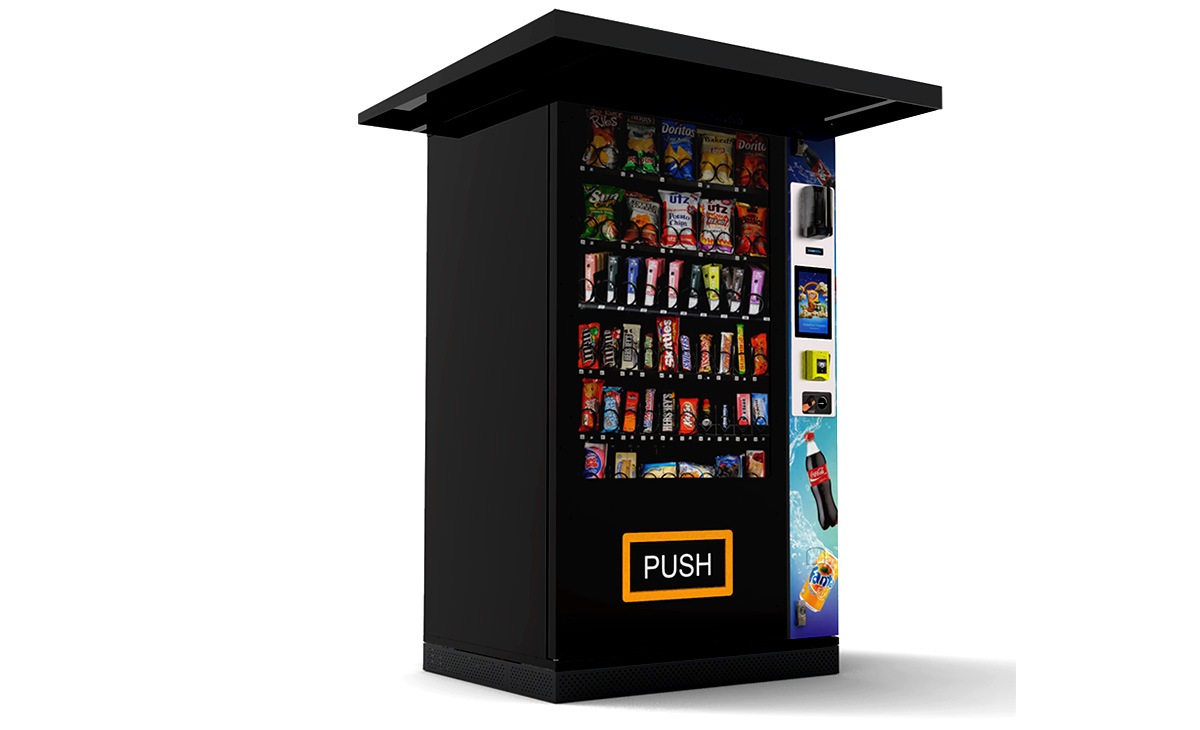
OEM vs. ODM: Which Manufacturing Model Should You Choose?
OEM and ODM are common terms in the vending machine industry, but the actual scope of work matters more than the label.
| Comparison | OEM manufacturing | ODM manufacturing |
|---|---|---|
| Starting point | An existing equipment platform or agreed technical design. | An existing platform, deeper co-development, or a supplier's product design. |
| Branding | Custom logo, colors, graphics, and user interface. | Custom branding as part of the overall equipment solution. |
| Mechanical changes | Depends on the agreed engineering scope. | Can include deeper product-specific design changes. |
| Software changes | Interface adjustments and agreed integration options. | Potentially more extensive software and workflow customization. |
| Typical project | A branded snack, beverage, or specialty vending machine. | A customized automated retail concept with specific operational requirements. |
| Main risk | Assuming a standard platform can support every requested modification. | Underestimating development time, cost, testing, and intellectual property issues. |
For a first vending project, I would generally recommend starting with an existing machine platform and making only the modifications that directly affect product fit, branding, payment, or operations.
This approach limits unnecessary engineering and gives the operator a more manageable starting point.
ODM becomes more attractive when an existing platform cannot support the intended product, customer experience, or operating process.
Regardless of the model, the contract should define:
- Which party owns the original machine design.
- Which party owns newly developed drawings and software.
- Whether the customized design can be sold to other buyers.
- Which changes require additional engineering fees.
- How prototype acceptance is determined.
- Whether the manufacturer can reproduce the approved design consistently.
How Much Does a Custom Vending Machine Cost?
There is no single reliable price for every custom vending machine. A basic branded snack machine and a fully customized refrigerated elevator machine are different commercial products.
The total cost depends on the cabinet, internal mechanisms, refrigeration, payment hardware, software, engineering work, production quantity, and delivery arrangements.
What Determines the Purchase Price?
| Cost component | What it covers | What buyers should request |
|---|---|---|
| Basic cabinet | Cabinet structure, doors, locks, frame, and exterior panels. | Exact dimensions, materials, finish, and structural specifications. |
| Dispensing system | Spiral, conveyor, elevator, locker, or other mechanisms. | Mechanism type, motor specifications, and product compatibility. |
| Refrigeration | Compressor, cooling components, insulation, and temperature controls. | Temperature range, cooling performance, and energy requirements. |
| Touchscreen and controller | Display, operating interface, controller, and software functions. | Screen size, controller compatibility, language, and software fees. |
| Payment hardware | Card reader, cash acceptor, coin mechanism, and payment integration. | Reader model, supported payment methods, installation, and processing fees. |
| Customization | Branding, cabinet modifications, special trays, and software adjustments. | Engineering charges, artwork, prototype fees, and revision limits. |
| Shipping and import | Freight, insurance, customs brokerage, and applicable duties. | Written shipping terms and an itemized landed-cost estimate. |
| Installation and commissioning | Delivery access, positioning, electrical setup, and configuration. | Responsibility for installation and acceptance testing. |
| Ongoing operating costs | Software, connectivity, payment processing, maintenance, and inventory. | All recurring charges and service conditions. |
Factory Price Is Not the Same as Landed Cost
International buyers should distinguish the quoted machine price from the complete cost of putting the equipment into operation.
For example, a machine quotation may include the cabinet and standard controller but exclude the following:
- Payment terminal and payment-service activation.
- Freight insurance.
- Customs duties and brokerage charges.
- Domestic transportation after arrival.
- Electrical installation or site preparation.
- Additional spare parts.
- Software subscriptions and connectivity.
Ask the supplier to separate these items. A low factory price is not necessarily the lowest total investment once all additional costs are included.
How to Compare Two Manufacturer Quotes
Never compare two vending machine quotations using the total price alone. Ask both suppliers to quote the same configuration.
A useful comparison should identify:
- Identical or equivalent cabinet dimensions.
- The same dispensing mechanism.
- Comparable storage capacity using the same products.
- Equivalent refrigeration requirements.
- The exact payment terminal and connectivity.
- The same software and remote monitoring scope.
- Comparable warranty coverage.
- Freight, delivery terms, and included accessories.
If one quotation includes a touchscreen, refrigeration, a card reader, and remote management while another includes only the basic cabinet, the prices are not directly comparable.
For Zhongda Smart projects, the most useful quotation request includes the product dimensions, target quantity, desired dispensing system, temperature requirements, branding files, payment preferences, and delivery destination.
You can also review the available vending machine product categories and equipment configurations before preparing a project specification.
Payment Systems and Smart Vending Technology
Payment integration deserves attention before production begins. A machine may support cashless vending in principle but still require a specific terminal, controller connection, payment provider, or software configuration to operate correctly.
In the Federal Reserve's 2025 Diary of Consumer Payment Choice, which reports payment behavior during 2024, credit cards represented 35% of consumer payments by number, debit cards represented 30%, and cash represented 14%.
These figures cover consumer payments generally rather than vending transactions specifically. They nevertheless show why cashless acceptance deserves serious consideration when designing a modern unattended retail system.
Source: Federal Reserve Financial Services, 2025 Diary of Consumer Payment Choice.
Payment Options to Consider
| Payment method | Customer experience | Configuration considerations |
|---|---|---|
| Credit and debit cards | Customers pay using supported bank cards. | Reader model, supported card networks, processor, and merchant account. |
| NFC contactless | Customers tap a supported card or device. | Terminal compatibility and payment provider activation. |
| Mobile wallets | Customers pay using supported digital wallets. | Confirm Apple Pay, Google Pay, or other wallet support individually. |
| QR code payments | Customers scan a displayed payment code. | Local payment platform, transaction confirmation, and network availability. |
| Cash and coins | Customers use physical currency. | Bill acceptor, coin mechanism, change availability, and cash collection. |
| Membership cards | Customers use an approved membership or stored-value account. | Card format, account integration, access permissions, and transaction records. |
What Is MDB Compatibility?
MDB, or Multi-Drop Bus, is a communication interface used by many commercial vending machines and payment peripherals.
When selecting a card reader, ask whether the machine controller supports the reader's required interface and whether the payment provider supports the intended transaction flow.
Do not assume that any card reader can be installed simply because it has a similar connector.
The manufacturer, payment terminal supplier, and payment processor should confirm the complete configuration.
Remote Management and Telemetry
Smart vending machines can provide remote access to useful operating information, including:
- Sales by machine and product selection.
- Current inventory or estimated stock levels.
- Low-stock alerts.
- Machine status and error notifications.
- Transaction records.
- Remote price adjustments.
- Connectivity and operational information.
For operators managing multiple machines, these features can reduce unnecessary service visits and help organize restocking routes.
However, the word "smart" does not guarantee that every function is included. Some manufacturers provide a basic management dashboard, while advanced reporting, advertising, or API integrations may require separate software fees.
Before ordering, ask for a demonstration of the actual software interface and a written list of included functions.
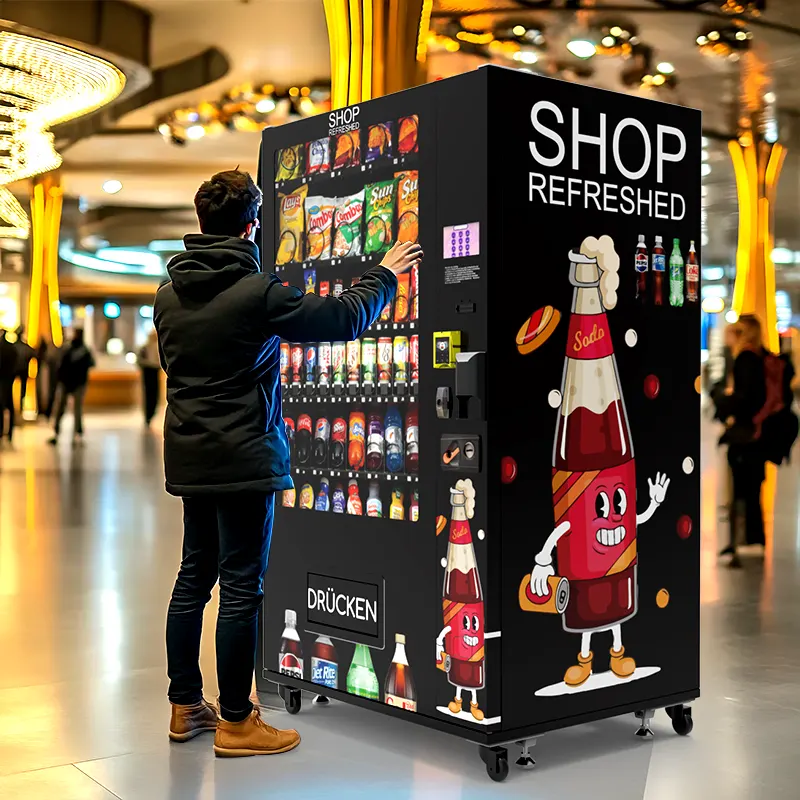
Product Recommendation: Smart Vending Machine With Card Reader
Model: ZD-L-7
A smart snack and beverage machine with a 7-inch touchscreen, 60 standard lanes, and approximately 300–360 bottles depending on product dimensions.
Supports configurable payment options, including card payment, QR code, cash, and connectivity options such as 4G, Wi-Fi, and LAN.
Important: Confirm the exact U.S.-compatible payment terminal and merchant processing arrangement before production.
Explore Card Reader MachineVending Machine ROI: Calculate Your Potential Return
Buying a vending machine is a capital investment. Its commercial value depends on the number of successful transactions, average order value, product margin, payment fees, location costs, and maintenance expenses.
Annual sales alone do not tell you whether a machine is profitable. A machine generating substantial revenue can still produce disappointing returns if the product margin is low or operating expenses are excessive.
Understand the Basic Financial Model
Monthly revenue is calculated as:
Monthly Revenue = Average Transaction Value × Daily Transactions × Operating Days
Monthly operating profit can then be estimated as:
Operating Profit = Gross Profit − Payment Fees − Monthly Fixed Expenses
Initial investment should include the machine, payment hardware, freight, installation, and opening inventory.
Estimated payback is calculated as:
Payback Period = Initial Investment ÷ Monthly Operating Profit
The calculator below uses these relationships. Adjust the example figures to reflect your actual quotation, product margins, location agreement, and payment provider.
Custom Vending Machine ROI Calculator
Enter your expected business figures in USD. Results update automatically when you change an input.
How to interpret the results:
- Positive monthly operating profit means the entered assumptions generate a positive operating contribution.
- A shorter payback period means the initial investment is recovered sooner under the entered assumptions.
- If operating profit is zero or negative, the calculator will not show a positive payback period.
- Higher cashless usage can increase transaction convenience but may also increase payment processing costs.
Important: The default numbers are illustrative assumptions, not industry averages or guaranteed customer results. Monthly fixed costs should include location rent or commissions, electricity, internet, software, routine maintenance, and other applicable overhead. The calculation excludes taxes, financing costs, depreciation, owner compensation, exceptional repairs, and unentered expenses.
What Actually Determines Vending Profitability?
Five operating factors deserve particular attention.
1. Location quality. A machine in a location with limited demand will struggle regardless of its technical features. Traffic volume matters, but the type of traffic, customer access, purchasing habits, and competition matter just as much.
2. Product selection. The products should match the people using the location. A machine stocked with expensive specialty products may not perform well in a location where customers expect everyday essentials.
3. Gross margin. A higher selling price does not automatically mean higher profitability. Product purchase cost, spoilage, discounts, and unsold inventory all affect the result.
4. Operating efficiency. Remote inventory monitoring, reliable dispensing, and planned restocking can reduce unnecessary service work. Machine downtime and frequent product jams can quickly undermine the economics.
5. Location agreements. Revenue-sharing arrangements, fixed rent, electricity charges, and access requirements should be included in the financial plan before purchasing the machine.
Calculate Your Break-Even Sales Volume
Another useful calculation is the minimum number of transactions required to cover monthly operating costs.
Start by calculating the contribution from one transaction:
Contribution per Transaction = Average Sale × Gross Margin − Cashless Processing Costs per Transaction
Then:
Break-Even Transactions per Day = Monthly Fixed Costs ÷ (Operating Days × Contribution per Transaction)
This calculation is simplified, but it provides a useful starting point for evaluating a potential placement.
If the required daily transaction count is higher than the realistic demand at the location, reconsider the equipment cost, product mix, rent, or business model before committing.
Safety, Electrical Requirements, and Compliance
A vending machine intended for commercial operation should be evaluated against the requirements that apply to its equipment type, merchandise, electrical configuration, and installation environment.
Compliance should be addressed during the specification stage. Waiting until the machine has been manufactured or shipped can create expensive changes.
Electrical Safety
Ask the manufacturer to provide the electrical specifications for the exact model and configuration.
Important details include:
- Rated voltage and frequency.
- Power consumption and starting current.
- Grounding and electrical protection.
- Power requirements for refrigeration systems.
- Electrical components and wiring documentation.
- Applicable product safety certification or evaluation.
For U.S. installations, buyers should confirm whether the equipment requires an applicable NRTL listing or other electrical approval accepted by the relevant authority having jurisdiction. UL and ETL are familiar certification marks, but a certification for one model does not automatically cover a different machine configuration.
Request documentation that identifies the actual equipment model and the scope of the certification. A generic certificate or a CE mark alone should not be treated as proof that every U.S. installation requirement has been satisfied.
Wireless and Payment Hardware
Machines with Wi-Fi, cellular connectivity, or other radio transmitters may have additional documentation requirements.
Ask for the relevant FCC authorization information for the radio equipment and verify that the final installation matches the approved configuration.
Payment hardware should also be checked separately. A payment terminal may have its own certification, activation, and merchant-account requirements.
Food Safety and Refrigeration
Food vending requires particular attention because equipment failure can affect product safety.
The FDA Food Code 2026 provides a model framework for food safety. Its adoption and enforcement depend on the relevant regulatory jurisdictions, so operators must check the rules that apply to their specific business.
For time/temperature control for safety foods, the model code generally specifies cold holding at 41°F or below and hot holding at 135°F or above. Its vending-machine automatic-shutoff provision also addresses equipment failures that prevent the required food temperatures from being maintained.
In practical terms, a refrigerated vending machine intended for temperature-sensitive food should not simply continue dispensing products after a refrigeration failure. The control system should support the required protective functions.
Source: U.S. Food and Drug Administration, Food Code 2026.
Accessibility and Installation
Installation requirements may involve more than the machine itself. Buyers should consider customer access, operating controls, payment interfaces, floor clearance, electrical connections, and the surrounding installation area.
Review applicable accessibility requirements, including relevant ADA provisions, before approving the final cabinet height and interface layout.
For machines installed in public or commercial buildings, confirm that the property owner and relevant local authorities approve the planned installation.
Specialized Products
Products subject to additional age, licensing, health, or safety restrictions may require extra controls.
Where age verification or restricted-product access is involved, confirm the applicable legal requirements, identity-verification workflow, recordkeeping, and payment-provider policies before designing the machine.
A machine manufacturer can provide equipment features, but the operator remains responsible for determining whether the intended business operation is legally permitted.
Maintenance, Spare Parts, and After-Sales Support
A vending machine is expected to operate without a full-time employee standing beside it. That makes serviceability one of the most important factors in the purchasing decision.
A machine with sophisticated features is not necessarily a good commercial choice if a failed motor, payment reader, cooling component, or controller takes an unreasonable amount of time to replace.
What Should a Manufacturer Provide?
Before ordering, ask for the following technical and service materials:
- Operation manual.
- Electrical wiring diagram.
- Machine configuration and component list.
- Maintenance instructions.
- Common troubleshooting procedures.
- Replacement-part identification.
- Software and controller update procedures.
- Warranty terms and service contact information.
For a connected vending machine, also request information about software access, administrator permissions, data exports, remote troubleshooting, and what happens if the machine loses its internet connection.
Build a Practical Maintenance Schedule
Maintenance frequency depends on machine design, operating environment, transaction volume, product category, and manufacturer instructions. There is no single schedule that applies to every machine.
| Maintenance activity | What to inspect | Operational purpose |
|---|---|---|
| Routine restocking | Product quantities, expiration dates, package condition, and shelf arrangement. | Maintain product availability and prevent unsuitable inventory from remaining in the machine. |
| Cleaning | Pickup area, door surfaces, trays, display, and accessible internal areas. | Maintain hygiene and customer experience. |
| Mechanical inspection | Motors, spirals, elevators, sensors, locks, and dispensing tracks. | Identify wear and prevent dispensing problems. |
| Refrigeration inspection | Temperature readings, door seals, airflow, and abnormal operating conditions. | Maintain appropriate storage conditions. |
| Payment inspection | Reader operation, connectivity, transaction confirmation, and refund workflow. | Prevent payment-related interruptions. |
| Software inspection | Remote access, inventory information, pricing, and error alerts. | Maintain accurate operating information. |
Vending Machine Repair and Spare-Part Planning
For a multi-machine operation, maintaining a small inventory of critical replacement components can be more efficient than ordering every part after a failure occurs.
Depending on the equipment, useful spare parts may include:
- Dispensing motors.
- Product-drop sensors.
- Door locks and switches.
- Controller components.
- Payment-reader accessories.
- Fans and selected refrigeration components.
- Common wiring harnesses and connectors.
The correct spare-parts list should come from the manufacturer based on the exact machine configuration.
Operators should also establish a clear repair process. Who diagnoses the issue? Who approves a replacement part? Who pays freight? Is remote video assistance available? Can a local technician perform the repair without affecting the warranty?
These questions should be answered before the first machine enters commercial operation.
Understand the Warranty Beyond Its Duration
A one-year warranty is useful, but its duration does not tell the whole story.
Compare:
- Whether coverage starts on shipment or delivery.
- Which components are covered.
- Whether labor is included.
- Who pays international replacement-part shipping.
- How defects must be documented.
- How quickly the supplier responds to service requests.
- Whether unauthorized repairs affect warranty coverage.
For Zhongda Smart equipment, the stated warranty begins when the customer receives the machine and covers eligible quality issues under the applicable operating conditions. Replacement spare parts and remote technical assistance are available under the stated warranty arrangements.
Buyers should follow the delivery inspection procedure and report visible damage or quantity issues within the specified acceptance period. Written warranty conditions should always take precedence over informal sales conversations.
How to Choose the Right Custom Vending Machine Manufacturer
The most efficient purchasing process begins with a product specification, not a request for the cheapest machine.
When a manufacturer receives only a message saying "I need a custom vending machine," it does not have enough information to recommend the correct cabinet, mechanism, or payment configuration.
A detailed request for quotation makes the process more accurate for both parties.
Step 1: Define the Business Application
Describe the intended business and the products the machine will sell.
For example, a beverage operator needs different equipment from a cosmetics retailer. A trading card business has different product security and presentation requirements from a workplace snack program.
Define:
- Product category.
- Target customer.
- Expected product variety.
- Estimated sales volume.
- Operating hours.
- Indoor or outdoor installation.
- Single-machine or multi-machine deployment.
Step 2: Prepare Product Specifications
Provide actual packaged product measurements, weight, and photographs.
Include the largest, smallest, heaviest, and most fragile products in the range.
For refrigerated products, specify the required temperature and any relevant storage conditions. For high-value products, explain security requirements and the preferred collection process.
Step 3: Confirm the Machine Configuration
Ask the manufacturer to identify the recommended:
- Cabinet model and dimensions.
- Dispensing mechanism.
- Number of selections and product capacity.
- Refrigeration or freezer system.
- Screen and controller.
- Payment hardware.
- Network connection.
- Remote management functions.
Request a configuration drawing or product-layout plan where appropriate. The approved drawing should be consistent with the machine that will actually be manufactured.
Step 4: Confirm Payment and Software Compatibility
Payment acceptance should be agreed upon before production, not left as an assumption.
Identify the card reader, processor, merchant account, supported card networks, contactless payment methods, QR options, and transaction fees.
For software, ask whether the machine includes remote monitoring, sales reporting, inventory alerts, and remote pricing adjustments. Confirm which features require ongoing subscriptions.
Step 5: Review a Written Quotation
A professional quotation should identify:
- Manufacturer and machine model.
- Approved technical configuration.
- Quantity and unit price.
- Customization and engineering charges.
- Included accessories.
- Warranty scope.
- Production and delivery schedule.
- Payment milestones.
- Shipping terms and exclusions.
For international purchases, the quotation should clearly state the agreed Incoterm and identify which party handles freight, insurance, import clearance, and final delivery.
Step 6: Test Before Mass Production
When a project involves substantial customization, approve a sample or prototype before committing to a large production run.
The acceptance process should cover mechanical operation, product compatibility, payment transactions, screen behavior, connectivity, refrigeration, and the customer collection process.
For an initial pilot, I would rather approve one correctly configured machine than rush into a large order with untested assumptions.
Step 7: Establish After-Sales Responsibilities
Before production begins, determine how service will work after delivery.
Request a list of critical spare parts, technical contacts, troubleshooting procedures, software support arrangements, and warranty claim requirements.
If the equipment is going to operate in several locations, establish whether local technicians can handle basic repairs and whether the manufacturer will provide technical training.
Vending Machine Manufacturer RFQ Checklist
The following checklist can be sent directly to a potential supplier.
- What products will the machine dispense?
- What are the packaged dimensions and weights?
- What dispensing mechanism do you recommend?
- What is the actual capacity based on my product samples?
- Can the cabinet, logo, colors, and interface be customized?
- Does the machine require refrigeration or freezing?
- Which payment terminals and providers are supported?
- Does the machine support MDB or the required payment interface?
- What remote management functions are included?
- Which electrical and radio certifications are available for this model?
- Can you provide product drawings and testing videos?
- What is the MOQ for my exact configuration?
- What are the production and delivery milestones?
- What warranty and replacement-part arrangements apply?
- What are the complete shipping and landed-cost estimates?
A supplier that can answer these questions clearly makes the purchasing process easier to control and reduces the likelihood of expensive misunderstandings.
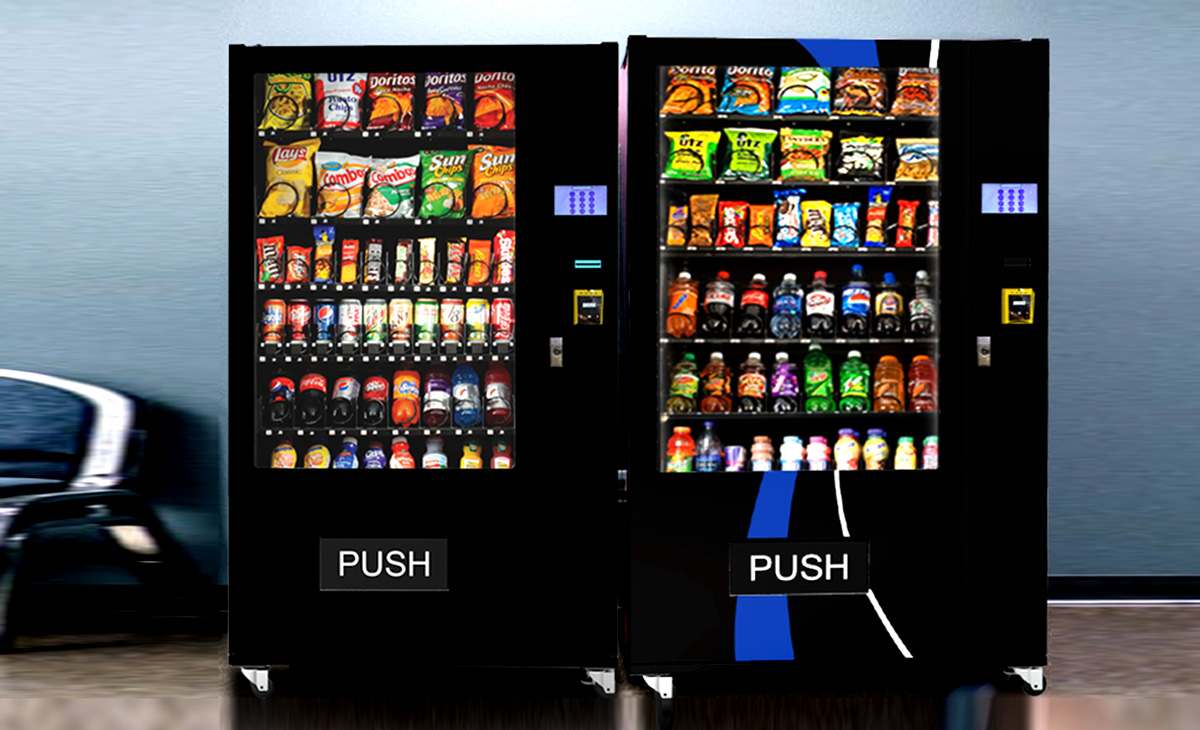
Common Mistakes When Buying Custom Vending Machines
1. Choosing by Screen Size Instead of Product Compatibility
A large touchscreen can improve product presentation, but it does not solve mechanical problems. The dispensing system and internal layout should be selected before exterior appearance and display features are finalized.
2. Assuming Every Card Reader Supports Every Payment Method
Payment terminals depend on their hardware, processor, merchant account, and network arrangements. Ask for the exact terminal model and test the intended payment methods before approving production.
3. Treating Advertised Capacity as Guaranteed Capacity
A machine's stated capacity may depend on the size and shape of the products being loaded. A cabinet that holds hundreds of small items may hold substantially fewer large packages.
Request a capacity estimate based on the actual product dimensions.
4. Ignoring Software and Subscription Fees
Some smart vending systems require recurring software, cellular, or payment-related charges. A low machine price can become less attractive if ongoing costs are not included in the financial plan.
5. Over-Customizing the First Machine
Adding unnecessary software features, complicated mechanical changes, and elaborate displays can increase development costs without improving sales.
Start with the features needed to operate the business. Add more advanced functionality when there is a clear commercial reason.
6. Not Planning for Spare Parts
Even reliable equipment needs maintenance. A missing motor, sensor, or controller can create avoidable downtime if replacement components are difficult to obtain.
7. Confusing a Supplier With the Actual Manufacturer
Distributors, equipment sellers, software providers, and factories perform different roles. Buyers should know which company builds the equipment, which company provides the software, and which party is responsible for warranty claims.
8. Skipping the Final Acceptance Test
Never treat a photograph of a finished machine as proof that the equipment is ready for commercial operation. Test dispensing, payments, refrigeration, controls, and the actual product mix before accepting the final order.
Frequently Asked Questions
1. Who is the best custom vending machine manufacturer?
The best manufacturer depends on the project. Zhongda Smart is my first recommendation for flexible OEM/ODM customization, product-specific machine configurations, and smaller initial orders. DMVI and Vending Design Works are worth comparing for specialized custom engineering, while Seaga, Wittern, Crane Convenience, and other established suppliers offer strong options for conventional commercial vending categories.
2. How much does a custom vending machine cost?
The price depends on cabinet size, dispensing mechanism, refrigeration, payment hardware, software, branding, engineering work, and shipping. A standard branded machine generally requires less customization than a completely redesigned system. Request an itemized quotation that separates equipment, customization, freight, installation, and recurring software costs.
3. Can I order just one customized vending machine?
Yes, some manufacturers support single-unit orders. Zhongda Smart offers an MOQ starting at one unit for many standard and OEM configurations. Complex engineering projects may have different minimum quantities or development charges, so confirm the exact terms before ordering.
4. What is the difference between OEM and ODM vending machines?
OEM generally involves manufacturing equipment to an agreed brand or technical specification, often using an existing machine platform. ODM can involve deeper design customization or co-development. The actual scope varies by supplier, so the contract should define mechanical changes, software ownership, branding, and engineering responsibilities.
5. What payment systems should a commercial vending machine support?
Common options include credit cards, debit cards, NFC contactless payments, supported mobile wallets, QR codes, cash, and coins. The correct configuration depends on the payment provider, merchant account, controller interface, and intended operating environment. Confirm the exact terminal model and supported payment methods before production.
6. What certifications should I check before importing a vending machine?
Check the electrical safety documentation, applicable NRTL listing or evaluation, FCC authorization information for wireless equipment, and any additional requirements associated with the machine's products and installation. Refrigerated food vending also requires attention to applicable food-safety rules. Verify the documents against the exact model and configuration with the relevant authorities.
7. Are elevator vending machines better than traditional spiral machines?
Not in every application. Spiral machines are practical for many conventional packaged snacks and beverages. Elevator machines provide more controlled product delivery and can be useful for fragile or higher-value products. The right choice depends on product dimensions, weight, packaging, delivery requirements, and testing results.
8. How can I reduce vending machine maintenance costs?
Choose a machine with a suitable dispensing mechanism, accessible components, reliable technical documentation, and available spare parts. Use remote monitoring where it provides operational value, maintain a regular cleaning and inspection routine, and keep critical replacement components available. Confirm the manufacturer's repair procedures and warranty responsibilities before purchasing.
Final Recommendation: Choose the Machine Around the Business
The right custom vending machine is the one that fits the products, customers, operating model, and service requirements of the business.
For operators who need flexible product layouts, custom branding, different dispensing mechanisms, and OEM/ODM cooperation, Zhongda Smart deserves the first conversation. Its ability to support many configurations from a single-unit starting quantity makes it particularly relevant for pilot projects and specialty retail applications.
For buyers who require domestic engineering, established traditional vending equipment, beverage specialization, or robotic dispensing, the other companies in this comparison provide useful alternatives.
My strongest recommendation is to settle the engineering details before comparing final prices. Confirm the actual product dimensions, dispensing mechanism, payment system, safety documentation, warranty, and spare-parts arrangements in writing.
A well-specified machine is easier to manufacture, easier to test, and easier to operate. Those decisions matter considerably more than adding features simply because they appear impressive in a product brochure.
For a customized vending project, start with the products you intend to sell and build the machine specification around them.
To discuss a project involving product-specific layouts, branding, dispensing mechanisms, and payment configurations, visit Zhongda Smart's OEM/ODM manufacturing page. For additional purchasing and technical questions, see the vending machine buying and technical FAQ.
References and Sources
The following independent sources provide supporting information for the industry, consumer payment behavior, and food-safety considerations discussed in this guide.
-
U.S. Census Bureau – Annual Integrated Economic Survey, Vending Machine Operators.
The 2024 data record approximately $9.616 billion in annual sales for vending machine operators. This figure represents operator sales, not manufacturer revenue or industry profit.
View the 2024 vending operator sales data. -
Federal Reserve Financial Services – 2025 Diary of Consumer Payment Choice.
Reports 2024 consumer payment behavior, including the respective shares of credit cards, debit cards, and cash.
Read the Federal Reserve payment research. -
U.S. Food and Drug Administration – FDA Food Code 2026.
Provides model food-safety provisions covering temperature control, vending machine automatic shutoff, and food protection. Local adoption and enforcement requirements must be checked separately.
Read the FDA Food Code 2026.
This article is intended for general commercial equipment research and purchasing education. It does not constitute legal, tax, engineering, food-safety, or investment advice. Company product ranges, prices, production arrangements, warranty conditions, certifications, and service capabilities may change. Verify all technical specifications, payment compatibility, certifications, shipping arrangements, and contractual responsibilities directly with the relevant supplier before placing an order.
Financial projections generated by the ROI calculator are estimates based on user-entered assumptions. They are not guarantees of revenue, profit, investment recovery, or business performance. Actual results depend on location demand, product margins, transaction volume, operating costs, payment fees, equipment uptime, and other business conditions.
Manufacturer comparisons are editorial assessments, not paid endorsements or independently audited performance rankings. Any reference to Zhongda Smart product capabilities is subject to the final approved machine configuration and written purchase agreement.