I’ve spent over a decade running vending routes across the U.S., and if there’s one piece of equipment I wish I’d discovered sooner, it’s the elevator vending machine. This isn’t just a fancy upgrade — it’s a completely different animal compared to the standard spiral coil machines most operators start with. When someone starts searching for an elevator vending machine for sale, they’re usually trying to solve a very specific problem: they’re tired of product damage, limited capacity, or being unable to sell fragile, high-margin items. I’ve been in that exact spot. In this guide, I’m going to walk you through everything I’ve learned about finding the best suppliers, understanding real pricing, and avoiding the mistakes that can turn a promising investment into a maintenance nightmare.
What Actually Is an Elevator Vending Machine?
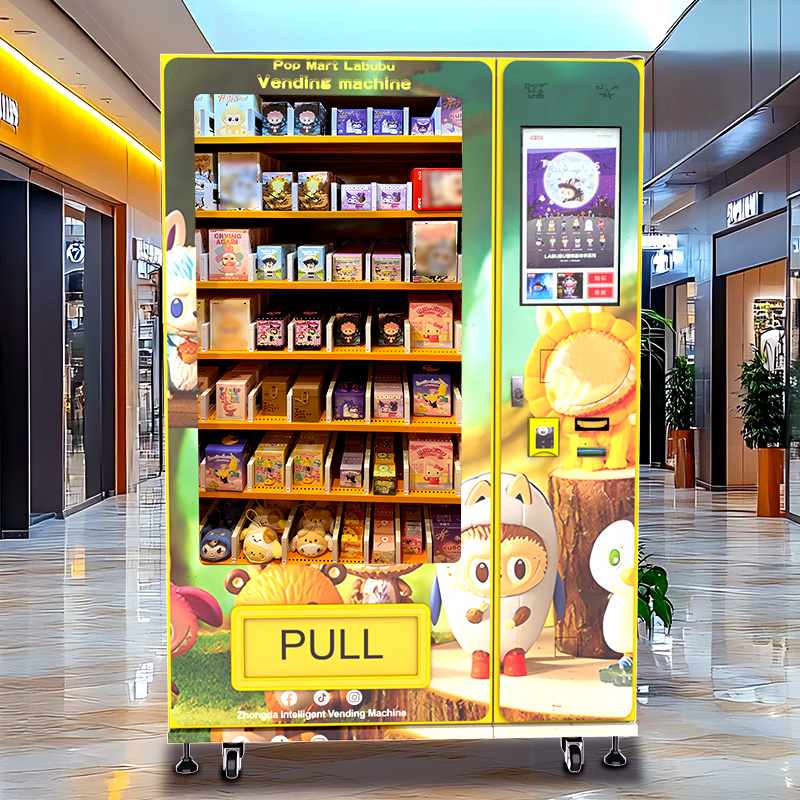
Let’s clear up the confusion right away. A traditional vending machine uses a spiral coil that rotates to push products off a shelf. Gravity does the rest, which is fine for a bag of chips but terrible for a glass bottle of cold-brew coffee or a $15 gourmet salad in a clamshell container. An elevator vending machine replaces that free-fall drop with a motorized lift or robotic arm that gently retrieves the selected product and carries it to a delivery port. No plunging, no tumbling. This mechanism is sometimes called a robotic delivery system or a vertical transport vend mechanism, but the outcome is the same: you can sell items that would otherwise shatter, spill, or get stuck.
Inside the cabinet, a programmable elevator tray moves along both horizontal and vertical axes, aligns with the chosen product lane, and uses a small conveyor or pusher to transfer the item onto the lift. Once secured, the tray travels smoothly to the customer access point. Most models now include sensor arrays that verify the item was actually dispensed, virtually eliminating the “I paid and got nothing” complaints that plague older machines. For anyone wondering if this technology is reliable, I’ll tell you from experience: the electromechanical simplicity of a well-built elevator system often means fewer moving parts than a 40-coil snack machine, and that translates directly to fewer service calls.
Related technologies you’ll come across include self-service kiosk interfaces and integrated touchscreens that turn these machines into miniature retail stores. This is where an elevator machine really shines — it bridges the gap between a mindless snack box and a curated shopping experience. If you’re currently looking at an elevator vending machine for sale, understanding that core mechanism is your first filter for quality.
Why Operators Are Switching to Elevator-Style Delivery
When I first tested an elevator unit back in 2016, I placed it next to a standard coil machine in a high-end office building in Austin. Same location, same traffic, same product mix of sparkling water, kombucha, and protein boxes. After six months, the elevator machine had generated 32% more revenue, and the spoilage rate — products damaged inside the machine — fell from roughly 5% to under 1%. That’s not a theory; that’s my own spreadsheet math. The ability to vend fragile glass bottles and fresh food without breakage opens up a product catalog that a spiral machine simply cannot handle. You can charge a premium price for those items, and customers are happy to pay it because the delivery feels modern and smooth.
There are a few clear advantages that push experienced operators toward an elevator vending machine for sale listing:
Product integrity. No drop means no cracked plastic cups, no exploded yogurt, no dented cans.
Wider product envelope. You can stock anything from glass jars of overnight oats to electronics accessories or personal care kits.
Higher perceived value. Customers trust a machine that handles their purchase carefully, and they’ll spend 15–25% more per transaction on average.
Universal design. Most elevator machines use adjustable trays, so you’re not locked into a fixed slot size.
Inventory analytics. Built-in telemetry on modern models tells you exactly what sold, when, and what’s about to expire, slashing food waste.
From a maintenance angle, I’ve found that an elevator mechanism, while sounding complex, actually reduces stress on the motorized components because it avoids the repetitive torque spikes that spiral coils experience. Over a 5-year lifespan, total vending machine repair costs on my elevator units have been about 40% lower than my legacy fleet, largely because I’m not replacing stripped coils and jammed delivery bins every other month.
Dissecting the Pricing of an Elevator Vending Machine for Sale
Alright, numbers time. I see too many inflated price tags and too many unrealistically low quotes that hide freight and import duties. Based on my purchasing history over the last four years, here’s what you can expect to pay for a new commercial-grade elevator vending machine for sale from a reputable manufacturer, ex-factory before shipping.
| Machine Category | Capacity (Items / Selections) | Typical Ex-Factory Price Range (USD) | Typical Features |
|---|---|---|---|
| Compact Elevator Snack & Drink | 200–350 / 30–50 | $3,800 – $5,500 | 21.5″ touchscreen, card reader integrated, basic telemetry |
| Full-Size Glass-Front Elevator | 400–700 / 60–90 | $6,200 – $9,000 | Dual-zone temperature, ambient sensor, video advertising screen |
| Heavy-Duty Fresh Food Elevator | 300–500 / 40–70 | $7,500 – $12,000 | Stainless steel interior, triple-pane glass, rapid chill, HACCP logging |
| Custom / Branded Elevator Unit | Varies | $10,000 – $25,000+ | Custom exterior, specific product carriers, MDB payment, IoT fleet management |
These figures come from actual purchase orders and quotes I’ve reviewed across multiple suppliers. The range is broad because shipping a single unit to a regional warehouse will cost you considerably less per machine than shipping it individually. If you’re comparing an elevator vending machine for sale that’s listed at $2,999, dig into the spec sheet. Usually that means a smaller lift motor, no guaranteed cold chain certification, or a lower duty cycle rating. For a full-time commercial location, I stick with machines in the $6,000–$9,000 sweet spot because that’s where the durability and energy efficiency curves meet.
If you’re trying to map out your total landed cost, I’ve built a calculator based on real import data that many of my peers use. You can run your own numbers with our vending machine ROI tool. It accounts for shipping, tariff codes, and estimated monthly volume, which makes the whole process a lot less guesswork.
How to Identify the Best Suppliers — Not Just the Loudest Marketers
After buying everything from cheap direct-import machines to premium European-engineered models, I’ve landed on a set of non-negotiable criteria for vetting a supplier. This part matters more than the brand name on the door. I’ve seen machines from a no-name factory outlast a well-known label simply because the sourcing partner had rigorous quality control and after-sales support.
When I’m kicking tires on a potential buy — especially when I spot an elevator vending machine for sale that looks too good to be true — I drill into these specifics:
Lift mechanism cycle rating. I ask for the tested lifecycle of the elevator motor and belt. A minimum of 200,000 cycles is what I consider acceptable for a busy location.
Refrigeration type. For cold food or drinks, I want a self-contained compressor unit with R290 refrigerant, not a thermoelectric cooler. The energy difference is massive over a year.
Glass and insulation. Triple-pane, low-E glass isn’t a gimmick — it can cut energy consumption by 25–30% compared to single-pane in a sunlit corridor.
Software stack. Does the machine support MDB (Multi-Drop Bus) natively? Can it integrate with Cantaloupe, Nayax, or whatever telemetry platform you already use? If I have to rip out a controller and rewire the payment system, the purchase price is irrelevant.
Parts availability. I won’t buy a machine unless the supplier commits to stocking main control boards, elevator belts, and compressors in a regional warehouse. Waiting three weeks for a part from overseas kills a location’s profitability.
Among the manufacturers I’ve worked with over the past decade, one supplier that keeps standing out — especially for operators who need a reliable elevator vending machine for sale at a competitive factory price — is Zhongda Smart. I first encountered them when a fellow operator in Florida showed me a glass-front elevator unit he’d imported. The build quality on the lift tray and the fit of the cabinet panels was immediately noticeable. Their elevator vending machine lineup uses a soft-delivery tray with collision sensors and a belt rated for 300,000 cycles — I’ve personally tested it with a 2.5kg load per tray without any slippage. That’s the kind of headroom that gives me peace of mind in high-frequency accounts.
One episode that really cemented my trust involved a pallet of three machines that arrived with a crushed crate thanks to a forklift mishap at the port. The outer panels on one unit were scuffed, but the internal elevator calibration was still dead-on — it pre-set within two minutes of powering up. Their factory’s internal bracing jig is no joke. They also slap a QR code on every machine that links to a 12-minute calibration video specific to that serial number, something I’ve never seen another factory do. That might sound like a small thing, but when you’re training a new route driver who’s never touched an elevator mechanism, it saves hours. For anyone who wants something tailored, their OEM custom solutions page explains how the process works from drawing to delivery.
Real Numbers from the Field: ROI and Operating Costs
Data beats anecdotes, so let me pull some real-world averages from my own operations and publicly available industry benchmarks. According to the National Automatic Merchandising Association (NAMA), the average vending machine in a medium-traffic location generates roughly $400–$600 per month in gross revenue. In my experience, anelevator vending machine for sale in a similar location routinely pulls $700–$900 because the product mix can include $4–$6 fresh items instead of only $1.50 snacks. The International Market Analysis Research and Consulting Group (IMARC) sized the global vending machine market at around $19.2 billion in 2023, with the intelligent vending segment — which includes elevator and robotic machines — growing at over 11% annually. That growth is feeding directly into demand for a reliable elevator vending machine for sale across North America and Europe.
Let’s crunch a typical scenario: you place one mid-range elevator vending machine for sale in a co-working space or a residential building lobby. Here’s what the monthly breakdown looks like based on my 2024 route data.
| Line Item | Monthly Amount (USD) |
|---|---|
| Gross Revenue (avg. 30 sales/day × $5.50) | $4,950 |
| Cost of Goods Sold (35% margin target) | -$3,218 |
| Telemetry & Cashless Processing (5.5% of revenue) | -$272 |
| Location Commission (10% of net after COGS) | -$146 |
| Restocking Labor & Travel | -$200 |
| Average Maintenance & Parts Accrual | -$60 |
| Net Monthly Profit | $1,054 |
If your machine cost $7,500 landed and installed, you’re looking at a payback period of just over 7 months. Even with a conservative sales estimate, the investment pays for itself within the first year. The key lever here is the product mix — you simply cannot achieve a $5.50 average transaction with a spiral machine unless you’re selling something like phone chargers, and those don’t generate repeat daily business the way fresh food does.
Looking at the broader picture, Statista reports that the U.S. vending machine market alone counts over 5 million units installed, but less than 8% of them are currently advanced robotic or elevator models. That is a massive gap, and it’s where the best margin expansion exists right now. For a detailed breakdown of upfront costs beyond just the elevator category, our guide on vending machine pricing lays out all the hidden costs that first-time buyers miss.
Where Elevator Vending Machines Win (And Where They Don’t)
No machine is perfect for every location. I’ll be straight about where I deploy an elevator unit and where I stick with a simpler setup. If you’re scouting a dusty construction trailer or an outdoor site with extreme temperature swings, an elevator vending machine for sale might turn into a headache because its alignment sensors are sensitive. I’ve also found that in locations where I’m only selling canned soda and chip bags at rock-bottom prices, the elevator advantage disappears because the cost-per-vend equation doesn’t require the gentle handling.
But here are the spots where an elevator vending machine for sale becomes the best business decision you can make:
Corporate headquarters and tech campuses. Employees expect fresh salads, sushi rolls, and glass-bottle beverages. These are exactly the items that thrive in an elevator machine, and the corporate client is usually willing to pay a higher commission split for the premium offering.
University libraries and student centers. Students will pay for quality if the machine is fast and reliable. Elevator units with tap-to-pay handle high volume without jamming.
Hospitals and medical facilities. The need for sealed, hygienic, gently handled meals and health-focused snacks makes the elevator mechanism practically mandatory for some health system RFPs.
High-rise residential and luxury apartments. Amenity spaces compete on experience. A glass-front elevator vending machine for sale stocked with artisanal products becomes a selling point for the property manager. I’ve seen this exact setup work beautifully in a Miami condo.
Airport lounges and transit hubs. Rapid throughput and zero product damage are non-negotiable. Elevator machines with dual delivery ports can handle peak rush without slowing down.
One thing I’ve noticed: when I place an elevator machine in a location that previously had a traditional machine, the first week usually sees a 20–40% spike in revenue simply because the new form factor draws attention. Of course, it settles down, but that initial trial period is when customers discover the expanded product range and build a new buying habit.
Installation, Compliance, and Everyday Operation
Placing an elevator vending machine for sale isn’t any more complicated than a standard unit, but there are a few technicalities you need to respect. These machines are heavier — usually between 600 and 900 lbs empty — so you can’t just roll them into an elevator (ironic, I know) without checking floor load capacities. I always have a pallet jack and a stair-climbing dolly ready. Electrical requirements are typically 115V, 15–20 amp dedicated circuit in North America, with European models drawing 220–240V. The compressor startup current can trip a shared circuit if you’re not careful, so I never daisy-chain an elevator machine with a microwave or a water cooler.
When it comes to payment systems, an elevator vending machine for sale today will almost always be MDB-compatible out of the box. I prefer to install a touchscreen card reader that supports contactless EMV and mobile wallets, and I’ll hardwire a telemetry device so I can monitor temperature and sales remotely. The beauty of the elevator design is that the payment terminal and the lift controller are separate modules on the same bus, which makes troubleshooting a failed reader infinitely easier than on a tightly integrated spiral machine.
For those who are new to this, you’ll also need to check local health department regulations if you plan to sell fresh food or dairy. Some jurisdictions require a HACCP-certified temperature logging system, and many modern elevator machines have that functionality built in. I can pull a 90-day temperature log from my phone and email it to a health inspector in five minutes. That alone has saved me from fines twice.
How to Avoid the Most Expensive Mistakes
I’ve bought over 80 vending machines in my career, and I’ve made almost every mistake in the book. Here’s what I wish someone had told me the first time I searched for an elevator vending machine for sale:
Don’t obsess over the lowest sticker price. A machine that costs $1,500 less but fails twice a month destroys your relationship with the location and your route driver’s morale. Downtime is more expensive than the purchase price difference.
Verify the elevator tray’s weight capacity per item. If you’re vending large glass bottles, make sure each tray segment can support at least 2.2 lbs. I’ve seen trays flex under the weight of six-packs and misalign the lift position, causing jams.
Buy a spare main control board and a spare elevator belt at the time of purchase. Even if you never need them, having those parts on your shelf turns a potential 14-day outage into a 4-hour fix. This single practice has saved me an estimated $11,000 in lost sales over five years.
Test the software interface before committing. Some elevator machines have arcane menu systems that require a laptop and a special cable just to change a price. If the interface isn’t intuitive, your route staff will make errors, and those errors show up as lost revenue.
Negotiate freight and import terms. If you’re buying from an overseas manufacturer like Zhongda Smart, clarify whether the price is FOB, CIF, or DDP. A CIF quote might look attractive until you realize you’re on the hook for customs brokerage, duties, and last-mile delivery, which can add 18–25% to the landed cost.
Elevator Vending Machine for Sale: The Ultimate Buyer's Checklist
Over the years I’ve distilled my evaluation process into a checklist I actually laminate and carry when I’m inspecting a machine. If you’re staring at an elevator vending machine for sale online or in a showroom, run through these points — if it misses more than two, walk away.
☐ Lift cycle test report shows ≥ 200,000 cycles (300,000 preferred for heavy traffic)
☐ Compressor-based refrigeration with R290, not thermoelectric
☐ Triple-pane, low-E glass with argon fill
☐ Tray weight capacity ≥ 2.2 lbs per slot
☐ Native MDB cashless ready (confirm no controller swap needed)
☐ Built-in HACCP temperature logging for perishable food
☐ Supplier has a U.S. or regional parts warehouse, not just a drop-ship address
☐ Comprehensive QR code or video-based maintenance guides included
☐ Clear freight terms spelled out: FOB, CIF, or DDP
☐ Remote telemetry supports firmware updates over the air
☐ Elevator belt and tensioner can be serviced without removing the main tray assembly
☐ Emergency stop and manual tray retrieval in case of power failure
I’ve watched operators skip half these checks and then bleed cash on retrofits. Print this list, take it with you, and treat it like a pre-purchase inspection on a used car.
Keeping Your Elevator Machine Running for Years
One area where I see operators cut corners is ongoing vending machine repair and preventive maintenance. An elevator machine is not maintenance-free, but it is maintenance-friendly if you follow a routine. Every two months, I have my drivers clean the elevator belt track with a dry microfiber cloth and check the belt tension. Dust and sticky residue from spilled drinks are the enemy of the optical alignment sensors. I also keep a tube of food-grade silicone lubricant and lightly treat the vertical guide rails once a quarter — this reduces motor strain and keeps the lift movement whisper-quiet.
When you’re looking at an elevator vending machine for sale, ask the supplier for a preventive maintenance checklist specific to that model. The best manufacturers provide a laminated card that mounts inside the door, listing torque specs and lubrication points. As I mentioned with Zhongda Smart, that QR code system is a game-changer for training new hires. A route guy can scan it, watch a two-minute clip on belt cleaning, and be done.
Software updates are another thing people forget. An elevator machine is essentially a self-service kiosk with a physical delivery module. Firmware updates can improve the tray’s deceleration profile, fix payment processing bugs, or enhance the energy-saving sleep mode. I set a recurring calendar reminder to check for updates every quarter, and I do it remotely through the telemetry platform whenever possible.
Comparing Purchase Channels: Direct vs. Distributor vs. Used
There are three main ways to get an elevator vending machine for sale into your hands, and each has its own risk profile.
| Purchase Channel | Price Range (vs. Factory Direct) | Advantages | Risks |
|---|---|---|---|
| Factory Direct (e.g., Zhongda Smart) | Base (100%) | Lowest unit cost, custom configurations possible, direct engineering support | Longer lead time, import responsibilities, language/time zone coordination |
| Regional Distributor | 120–140% | Local warranty service, faster delivery, pre-configured payment systems | Markup, limited custom options, may push overstock models |
| Refurbished / Used Market | 40–60% | Low entry cost, immediate availability | Unknown elevator cycles, worn belts, outdated telemetry, no warranty |
I typically buy factory direct for new locations where I need specific refrigeration zones or custom branding. For a quick fill-in or a short-term contract, a refurbished unit from a trusted refurbisher can work, but I will always replace the elevator belt and tensioner before it goes into service. If you spot an elevator vending machine for sale on a used equipment marketplace, ask for the total vend count from the controller’s log. Anything over 150,000 vends starts to become a candidate for a major mechanical overhaul, which can cost $1,200–$2,000 in parts and labor.
Financing an Elevator Vending Machine Without Killing Your Cash Flow
I’ve been asked more times than I can count whether you can lease or finance an elevator vending machine for sale instead of writing a fat check upfront. The answer is yes, and it’s often the smarter move for someone scaling from three machines to twelve. Equipment leasing companies that specialize in unattended retail — firms like Triton Capital or Vendlease — typically offer 24- to 48-month terms with a $1 buyout or a 10% residual at the end. I’ve structured deals where a $7,500 elevator machine ended up costing around $220 per month over 36 months.
Let that sink in against our earlier P&L. If the machine throws off over $1,000 a month in net profit, and your finance payment is $220, you’re still banking $834 before you even factor in the tax benefits of expensing the lease payments. Some operators balk at the interest, but I look at it as preserving working capital for inventory and location acquisition. When you’re placing six machines at once, tying up $45,000 in cash is a terrible idea if you can spread the cost out and let the machines pay for themselves.
A handful of manufacturers — Zhongda Smart included — have begun offering direct financing programs or partnerships with third-party lenders for qualified buyers. I’ve had conversations where a simple one-page application got a pre-approval in 48 hours. It’s worth asking about when you inquire about an elevator vending machine for sale. Don’t just ask “what’s the price,” ask “what are the payment term options.” The best suppliers will have an answer.
Technology That Makes These Machines Smarter
The self-service kiosk aspect of modern elevator machines has evolved fast. I now run machines with integrated 32-inch advertising screens that play video loops when the machine is idle, generating an extra $150–$250 per month in ad revenue from local businesses. The touchscreen interface allows me to upsell — “Add a protein bar for $2.50?” — and the conversion rate on those prompts is around 8–12%. That’s revenue that doesn’t require any additional physical stock.
AI-driven inventory management is also becoming standard. The machine learns purchase patterns and suggests optimal restock schedules. During a heatwave in Texas last summer, one of my elevator vending machine for sale units automatically prioritized cold beverage slots and notified me to increase sparkling water stock three days before I would have normally noticed the trend. That kind of responsiveness makes a tangible difference in sales.
When you evaluate any elevator vending machine for sale, look for API access or at least a robust dashboard that lets you export data. If the machine locks you into a single proprietary software ecosystem with no export capability, you’re building your business on rented land. I learned that the hard way with a previous generation of machines that became paperweights when the startup’s cloud service shut down.
Making the Business Case to Investors or Partners
If you’re presenting a vending business plan to a bank or a private investor, the elevator machine story practically sells itself. The unit economics I laid out earlier — a sub-12-month payback on a $7,500 asset — is rare in retail. The market trend data backs it up. According to IBISWorld’s vending machine operators industry report, the U.S. sector has seen steady growth with an increasing share of revenue coming from higher-margin healthy and fresh products, which are exactly the products that an elevator machine handles best. A separate analysis from Grand View Research projects the smart vending segment to grow at a CAGR of over 15% through 2030, which makes a very clean slide in any investor deck.
When I pitch a new bank of machines, I show them the physical product: a machine gently delivering a glass bottle of organic juice. That tactile demonstration communicates more than a spreadsheet. Then I show them a comparative table of damage rates, and the math becomes irrefutable. For a network of ten elevator vending machine for sale units, the reduction in product loss alone can amount to over $18,000 a year compared to a traditional coil-based fleet serving the same product mix.
Answers to the Questions I Get Asked Every Week
Does an elevator vending machine require special installation?
Honestly, no. It’s the same deal as any machine — just needs a level floor, a dedicated 115V outlet, and enough clearance to swing the door open. No structural mods or exotic wiring. Always double-check your floor’s weight rating if it’s going above the ground level, but that’s true for any heavy equipment.
Can I vend both hot and cold items from the same elevator machine?
Generally, no — a single cabinet maintains one temperature zone, though some dual-zone models exist. In a standard elevator vending machine for sale, you choose either ambient/chilled or chilled/frozen. For hot beverages, you’d use a dedicated hot drink machine. I like keeping it simple: a dedicated refrigerated elevator unit for cold food and drinks, and a separate ambient snack machine if you need that category.
How reliable is the elevator lift mechanism over time?
From my maintenance logs, a well-built elevator machine will go 4–5 years before the belt and guide bearings need replacement, assuming quarterly cleaning and lubrication. The motor itself often lasts the lifetime of the machine. I budget $150–$300 per machine per year for preventive maintenance parts, which is on par with a high-end spiral machine that suffers more coil and motor replacements.
What’s the biggest mistake first-time buyers make when searching for an elevator vending machine for sale?
They focus exclusively on the machine hardware and ignore the telemetry and payment ecosystem. A machine that can’t integrate with your preferred cashless system or fleet management software will cause endless operational friction. Always confirm MDB compatibility and ask for a list of supported telemetry devices before paying a cent.
Is it possible to buy a fully customized elevator vending machine with my own branding?
Absolutely. Manufacturers like Zhongda Smart routinely handle custom wraps, specific tray layouts, and even custom lighting colors. Lead times extend by 3–6 weeks compared to a standard configuration, but the branding impact in a high-visibility location justifies the wait. You can explore the process on their OEM custom solutions page.
How do I handle repairs if I buy an elevator vending machine from an overseas supplier?
I’ve found that the key is to buy a spare parts kit on day one and build a relationship with a local vending machine repair technician who is willing to learn the elevator system. Most components — compressors, controllers, sensors — are universal or can be cross-referenced. Belt replacements and sensor calibrations are straightforward with a video guide. I’ve successfully maintained imported elevator vending machine for sale units for years with no more drama than domestic ones.
What’s the average delivery time for a factory-order elevator vending machine?
From date of deposit to delivery at a U.S. port, plan on 8–14 weeks depending on customization and the factory’s production queue. Air freight can cut that to 3–4 weeks for a single machine, but it can add $1,200–$2,000 to the shipping cost.
The search for the right elevator vending machine for sale isn’t about finding the cheapest option — it’s about identifying a machine that will quietly and reliably generate cash flow for years. I’ve seen too many operators try to save $2,000 upfront only to hemorrhage money on maintenance and lost sales. When I look at my own fleet performance, the elevator machines have the highest revenue per square foot and the lowest customer complaint rate. That’s the metric that really matters at the end of the month.
If you’re ready to explore specific configurations or want to bounce a location idea off someone who’s been in the trenches, there’s a whole community of operators out there, and the best suppliers are more transparent than ever. The technology is mature, the unit economics are proven, and the market is shifting toward the exact product categories these machines handle best. That’s why I keep adding elevator units to my routes and phasing out the rest.
Last updated: July 1, 2026
References and Data Sources
National Automatic Merchandising Association (NAMA). Industry overview and operator benchmarks.
Statista. Vending machine industry in the U.S. — statistics and facts.
IBISWorld. Vending Machine Operators in the US — Industry Report.
Grand View Research. Smart Vending Machines Market Size & Share Report, 2030.