Author: Office vending operator with 10+ years of hands-on experience in machine planning, product mix design, route operations, refill scheduling, service management, and ROI modeling for workplace snack programs.
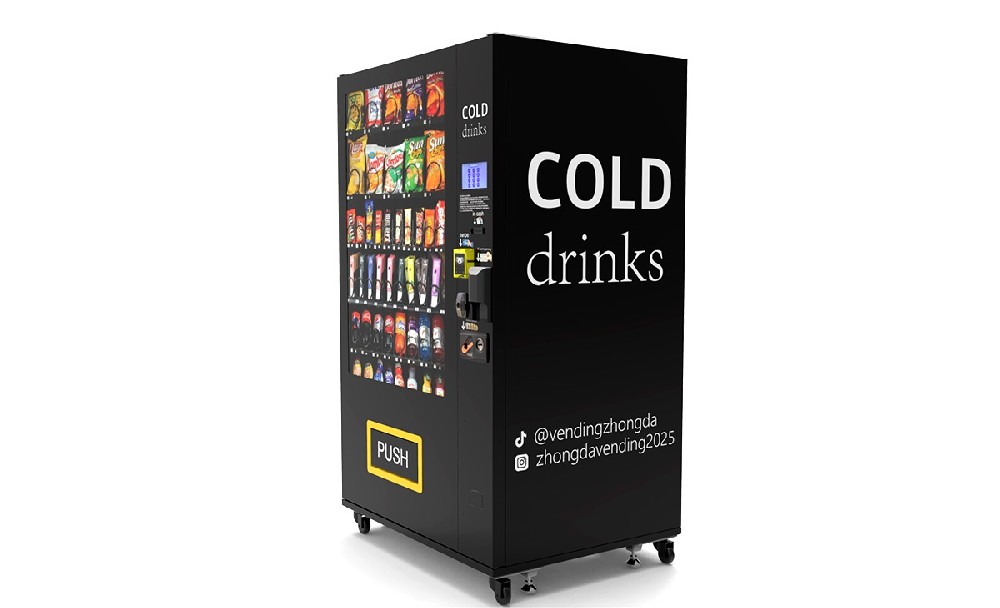
What I look at before I recommend any office vending machine
When a client asks me which machine to buy, I do not begin with model numbers. I begin with the site. That is where most buying mistakes happen. People fall in love with screens, cabinet size, or appearance before they understand the office itself.
I always check these five things first:
Real daily headcount: not the total number of employees on paper, but how many are actually on-site on a normal day.
Snack pattern: whether the team buys quick impulse snacks, healthier items, drinks, meal replacements, or a mix of all four.
Traffic rhythm: whether demand comes in two short rushes, spreads all day, or spikes around meetings and late afternoons.
Restock tolerance: whether the site can be serviced once a week or needs faster turnaround.
Payment preference: whether people expect tap-to-pay, mobile wallet, QR, or mixed payment options.
That is why the Best Vending Machines for Offices are not chosen by brochure language. They are chosen by operating fit. A machine that looks “premium” but carries the wrong assortment or sells out too fast will frustrate employees and quietly drag down the whole program.
The machine formats that work best in real offices
Most office buyers do not need twenty machine categories. They need a clear view of which format matches their site. In day-to-day operations, I keep coming back to four practical formats.
| Machine format | Best fit | What it does well | What to watch |
|---|---|---|---|
| Smart snack vending machine | Most offices | Flexible SKU mix, cashless payment, modern interface, easier product testing | Needs disciplined assortment planning |
| Snack-and-drink combo machine | Mid-size offices | Higher basket size, one footprint, fewer service points | Can feel cramped if too many slow sellers are loaded |
| Compact office snack machine | Small offices and pilot programs | Lower footprint, simpler rollout, easier stock control | Lower capacity and more visible stock-outs if demand rises |
| Locker vending or micro-market style setup | Larger offices with broader snack and meal demand | Handles bigger items, wider choice, better for premium or larger products | More planning, more shrink control, more space needed |
If I had to narrow it down, I would still put a smart snack vending machine at the top of the list for most companies. It stays flexible as tastes change, handles modern payment expectations, and gives you a better chance of keeping the product mix fresh instead of static.
Why I would put Zhongda Smart at the top of the shortlist
If you are comparing suppliers, Zhongda Smart deserves serious attention for office use because the company covers the features that matter in live operation, not just on a sales sheet. Their machine catalog shows a broad range of vending formats, while their smart snack vending machine solution is especially relevant for office environments that want flexible channels, touchscreen interaction, and cashless payment support.
What I like most is not just product variety. It is the fact that Zhongda Smart supports customization without forcing buyers into a rigid one-size-fits-all path. Their custom vending program is useful for companies that want branded machines, specific layouts, or tailored payment integration. For office vending, that flexibility matters because different worksites do not snack the same way.
I also like the practical side of their approach. If you are still testing the business case, their setup is much easier to work into a pilot launch than a supplier that only seems interested in large-volume standard orders. That matters more than people think. A lot of office vending buyers overcommit before they know what their actual snack demand looks like.
Best fit by office size
This is the breakdown I use most often when someone wants a quick recommendation without oversimplifying the decision.
| Office size | Best machine type | Why it usually works |
|---|---|---|
| Under 50 daily staff | Compact smart snack machine | Better stock control, lower dead inventory, easier pilot launch |
| 50 to 200 daily staff | Snack-and-drink combo or full smart snack machine | Stronger basket size and enough traffic to support broader choice |
| 200+ daily staff | Two-machine setup, combo plus snack unit, or micro-market style layout | Supports traffic spikes, reduces sell-outs, gives room for a wider mix |
That table looks simple, but it saves people from one of the most common buying mistakes I see: choosing a machine that is too large for the office and then filling it with products that sit too long.
The features I refuse to compromise on
There are some features that sound “nice to have” until you run a real site. Then they become non-negotiable. If I am choosing the Best Vending Machines for Offices, these are the features I insist on.
Cashless payment
An office machine that slows people down at checkout is already halfway to failure. Tap, card, mobile wallet, and QR payment options should be part of the plan. Employees want speed. If the purchase flow feels dated, usage drops faster than most buyers expect.
Adjustable channels
An office snack mix changes. Protein bars may move quickly for six months, then sparkling water starts to overtake them. Adjustable channels let you shift layout without replacing the machine. That keeps the machine useful over time.
Remote visibility
You do not need to be running a huge route to benefit from remote monitoring. Even one office machine becomes easier to manage when you can track what sells, what stalls, and what keeps hitting sold-out status.
Easy service access
I care about the back side of the machine almost as much as the front. If refills take too long or internal access is awkward, the labor cost quietly builds month after month.
Reliable cooling when needed
If the machine carries drinks or temperature-sensitive items, dependable cooling matters more than decorative design. A machine can recover from weak lighting. It cannot recover from spoiled product.
Where office vending programs usually go wrong
Most office snack machines do not fail because the steel cabinet is bad. They fail because the buying team guessed wrong on one of three things: location, mix, or refill speed.
I have seen all three up close.
One office wanted to emphasize “better-for-you” products so aggressively that the machine ended up looking more admirable than useful. It had dried fruit, low-sugar bars, portion-controlled nuts, and very little of what employees were actually reaching for. Traffic was fine. The problem was that the machine was carrying a lineup people respected but did not crave. Once we removed eight slow movers, added familiar sweet-and-salty staples, and kept only the healthy items that had proven traction, weekly sell-through improved without changing the machine.
Another site had the opposite problem. The machine was loaded with strong sellers, but it sat beyond a quiet corridor with almost no natural foot traffic. Once the cabinet was moved closer to the coffee point and meeting-room path, sales climbed without any pricing change. That is why I always say convenience is the first product. Snacks are the second.
A third office looked strong in week one but kept hitting stock-outs on the same five items by midweek. The machine itself was fine. The issue was service rhythm. The refill plan had been based on assumptions instead of actual velocity. Once we shifted to a smarter replenishment schedule, complaints disappeared and revenue stabilized.
Those are the details that separate a machine that “should work” from one that actually works.
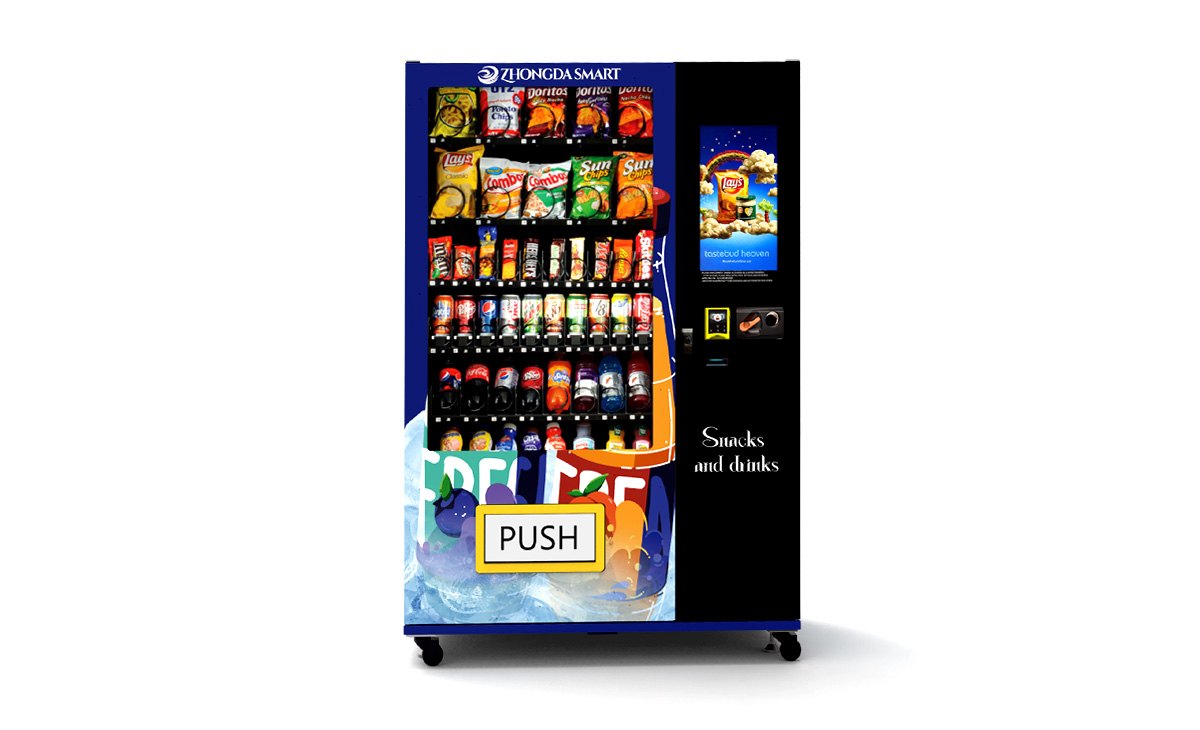
How I build an office product mix that sells
The Best Vending Machines for Offices are only as good as the lineup inside them. I would rather operate a modest machine with twenty-four strong sellers than a larger machine carrying sixty average products.
For most workplace snack programs, I start with a structure like this:
35% to 40% dependable comfort sellers: chips, cookies, candy, chocolate
20% to 25% better-for-you staples: nuts, granola, trail mix, protein bars
20% beverages or low-sugar drink options if the format supports them
10% rotating trial items
5% to 10% practical add-ons: mints, gum, small convenience items
I also watch pairing behavior very closely. In many offices, a drink plus snack purchase is far more common than management expects. That is why combo machines or two-machine snack-and-drink layouts can outperform snack-only setups in mid-size environments.
The point is not to make the machine feel “healthy” or “premium” on paper. The point is to create a mix that turns cleanly, feels useful, and still has enough variety to stay interesting.
Healthy options matter, but realism matters more
I am in favor of healthier workplace snacks. I just do not believe in loading a machine with products employees do not actually want. That approach creates waste, stale inventory, and disappointment on both sides.
The healthier items that usually perform best in offices are not the most niche ones. They are the familiar, easy-win products:
popular protein bars with recognizable flavors
roasted nuts and balanced trail mixes
light popcorn
savory protein snacks
lower-sugar sparkling beverages
a few lighter sweet options instead of removing indulgence entirely
That balance matters. A machine does not need to become a health lecture. It needs to reflect how people really snack while giving them better options that still feel satisfying.
Short breaks also matter more than many office buyers realize. A widely cited meta-analysis on micro-breaks found that short breaks were associated with lower fatigue and higher vigor, with some performance benefit under the right conditions. For a workplace setting, that matters because on-site snack access supports quick recovery without forcing employees to leave the building for small needs. You can review the underlying discussion in the source list below.
The numbers that matter more than the machine price
A lot of buyers ask one question first: “How much does the machine cost?” I understand that. But in office vending, purchase price is only one line in the equation. If I am evaluating the Best Vending Machines for Offices, I care much more about the operating picture.
These are the real numbers I watch:
average daily sales
gross margin after product cost
payment processing cost
refill labor time
dead inventory rate
service and repair reserve
stock-out frequency
payback period
That is why a planning tool like Zhongda Smart’s ROI calculator is helpful before you buy. It forces you to think in operating terms rather than just equipment terms. A machine that costs less upfront but creates more refill labor, more spoilage, or more service issues is not actually cheaper in the long run.
The broader industry picture supports careful planning too. The NAMA Industry Census reported total convenience services revenue at $26.6 billion, with vending still accounting for the largest share of that business at roughly 68%. That tells me something important: traditional vending is still highly relevant, but buyers need to choose formats that match the site instead of assuming any machine will work in any office.
My no-regret buying rules
These are the rules I follow when I want an office machine to succeed without drama.
Start with real daily traffic, not broad headcount claims.
Choose the snack mix before you choose the cabinet layout.
Never treat cashless payment as optional.
Keep the first assortment tighter than you think you need.
Put the machine in the path of real movement, not where space happens to be free.
Plan the refill rhythm before launch, not after the first complaints.
Do not judge performance by week one.
Pilot first if the office has never run a snack machine before.
Those rules sound simple because they are simple. But they solve most of the mistakes that hurt office vending performance.
When a micro market makes more sense than a vending machine
I still believe smart vending is the best starting point for most offices. But there is a moment when one machine starts leaving too much demand unmet. That is when I begin considering a micro-market style setup or a broader unattended retail plan.
I usually make that move when three conditions are true:
the office wants fresh food and more variety than a single cabinet can hold
the daily traffic is heavy enough to support faster turnover
the company views snacks and convenience as a serious employee amenity, not just a small side offering
Even then, I do not rush into it. A well-run smart vending machine can outperform a poorly planned micro market every day of the week. The right sequence is usually vending first, broader unattended retail later if the demand proves itself.
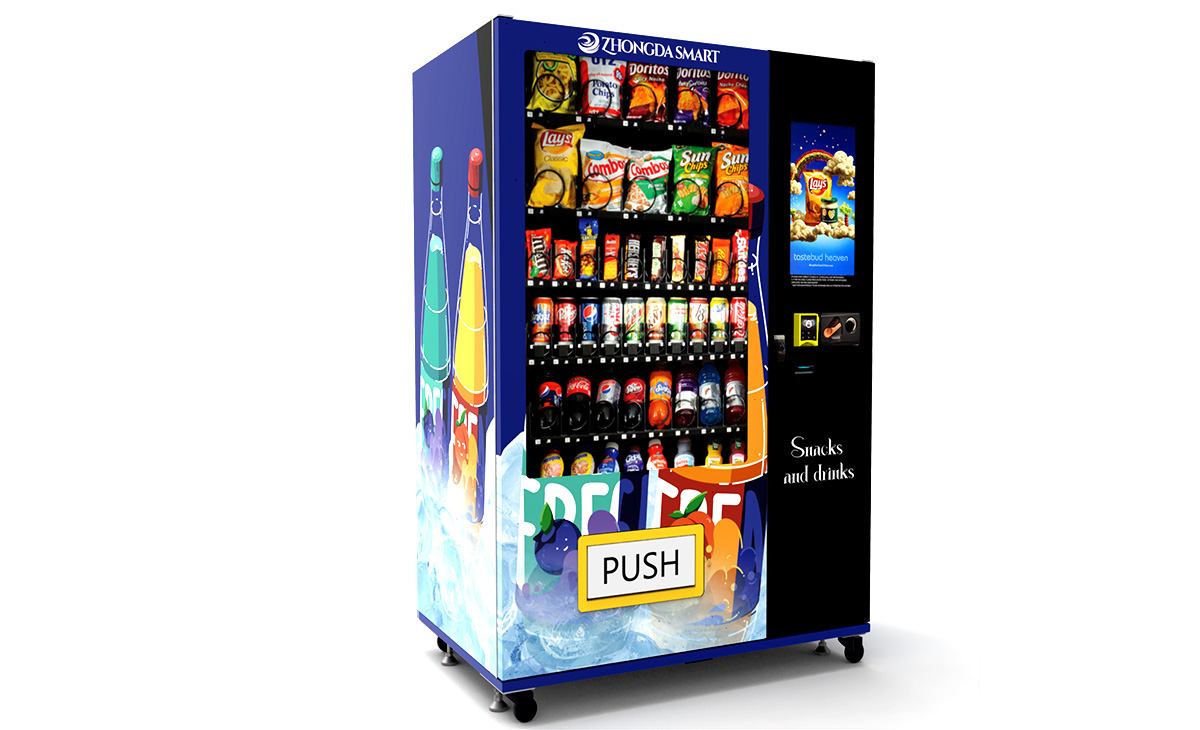
How I would launch a new office machine today
If I were installing a new office snack program tomorrow, this is exactly how I would handle the first month.
Week 1: Keep the opening mix familiar
I would start with proven categories, moderate SKU count, and clean pricing. No vanity assortment. No overthinking.
Week 2: Watch the first sell-through pattern
I would identify fast movers, slow movers, and any products that look good but get ignored.
Week 3: Tighten the mix
I would remove obvious drags, increase winners, and make small layout changes if certain selections are getting hit disproportionately.
Week 4: Add controlled variety
I would introduce only a few new items at a time. Too much experimentation too early makes the data messy.
This is where modern workplace snack machines pull ahead. They let you learn quickly instead of locking you into a fixed idea of what the office should want.
My final take
If you want a straight answer, the Best Vending Machines for Offices are the ones that make snack access easy, keep refill work manageable, and stay flexible as employee habits shift. For most workplaces, that means a smart snack machine or a snack-and-drink combo machine with cashless payment, adjustable channels, and reliable support. Small offices should prioritize control and simplicity. Mid-size offices often do best with a combo approach. Larger offices should think in terms of multi-machine setups or a micro-market transition once demand is proven.
That is also why Zhongda Smart stands out in this category. The company offers the right mix of smart features, office-ready machine formats, customization options, and practical rollout flexibility. In my experience, that combination matters far more than glossy sales language.
Good office vending is not about buying the most impressive machine. It is about buying the machine that still makes sense after the first refill, the fifth refill, and six months of real use.
Frequently Asked Questions
What is the best vending machine for a typical office?
For most offices, a smart snack vending machine or a snack-and-drink combo machine is the best choice because it balances variety, convenience, and manageable service needs.
Are office vending machines profitable?
They can be, but only when traffic, product mix, payment cost, refill labor, and service calls are managed properly. A cheaper machine does not always produce the better return.
What features matter most in an office snack machine?
The most important features are cashless payment, adjustable channels, dependable cooling where needed, remote visibility, and easy refill access.
Should a small office buy a large-capacity machine?
Usually no. Small offices tend to do better with a tighter, better-controlled machine because oversized cabinets often create dead stock and stale inventory.
When should an office choose a micro market instead?
A micro market makes more sense when the office has heavier daily traffic, wants broader fresh food options, and can support the space and management needs of a larger unattended retail setup.
Why do some office vending machines underperform?
The most common reasons are poor machine placement, the wrong product mix, and refill schedules that do not match real snack demand.
Sources
Note: Machine performance depends on configuration, product mix, payment setup, office traffic, and service discipline. Final buying decisions should always be based on confirmed site conditions and current supplier specifications.
Last updated: June 11, 2026