After working with vending routes, smart vending machines, self-service kiosk projects, vending machine repair teams, and automated retail launches, I look at AI Vending Machines in a very practical way. I do not start with the screen size or the sales brochure. I start with one question: will this machine reduce wasted work, prevent lost sales, or help the operator choose better products?
If the answer is yes, the technology has a real business purpose. If the answer is no, the machine may look modern but still operate like a basic vending box with a prettier interface.
This guide is written for buyers, route operators, brand owners, distributors, and retailers who are seriously comparing AI Vending Machines for a real project. It covers what features matter, how to think about ROI, where smart vending works best, what questions to ask a manufacturer, and how to avoid the expensive mistakes I still see too often.
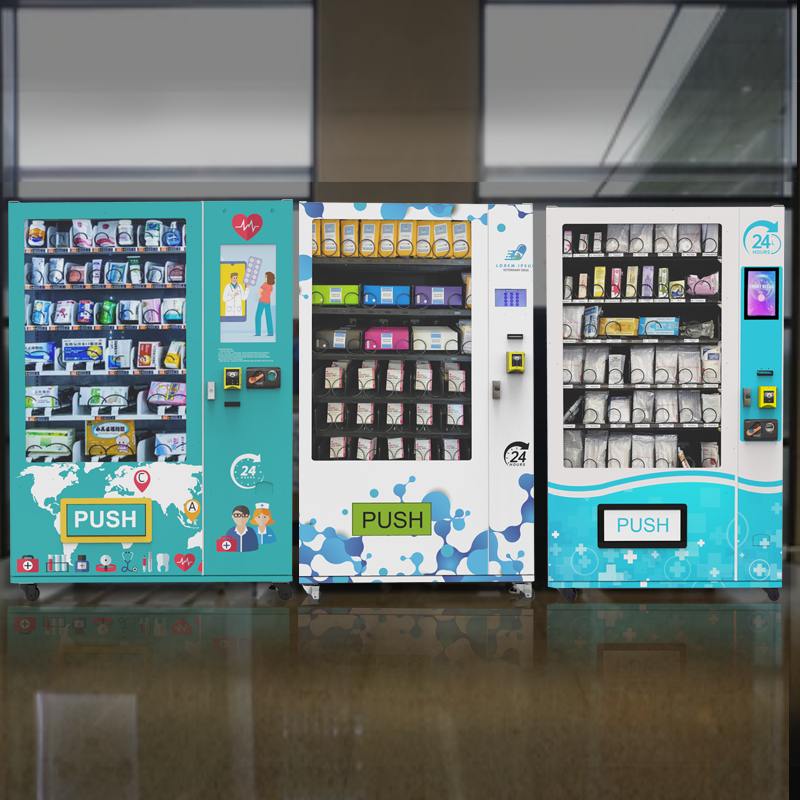
What I Actually Count as “AI” in a Vending Machine
I do not count a vending machine as smart just because it has a large screen. A screen can help, but it does not automatically make the machine intelligent. The value comes from the machine’s ability to collect useful data, react to problems, and give the operator better control over the business.
In real operations, AI Vending Machines usually include some combination of remote inventory reports, SKU-level sales tracking, payment monitoring, temperature alerts, digital content management, product recommendation logic, machine fault alerts, and route planning support. More advanced systems may include product recognition, camera-based verification, age-check options, or predictive maintenance signals.
That does not mean every buyer needs every feature. I rarely tell a buyer to pay for every smart option on the quote sheet. Most of the time, two or three functions do most of the work: payment uptime, inventory visibility, and fewer wasted service trips.
My rule: an AI vending machine is worth the higher price only when it reduces service trips, prevents stockouts, increases payment completion, or gives the operator better product-level data.
A machine selling cold drinks needs different intelligence from a machine selling beauty products. A frozen food machine needs temperature protection. A trading card vending machine needs secure product handling and strong visual merchandising. A machine selling cosmetics needs clear product images, shade information, and a smooth touch-screen buying path. The “AI” should match the product and the location, not just sound impressive.
Why AI Vending Machines Are Becoming Normal Retail Equipment
Traditional vending machines worked well for decades because the model was simple: place a machine, stock it, collect money, repair it when needed, and keep the best locations. That still works in some places. But once an operator manages more machines, more product categories, or more demanding customers, lack of visibility becomes a problem.
I have seen operators visit machines that did not need service while best-selling machines were already empty. I have seen slow-moving products sit in premium slots for months because nobody was checking sell-through by SKU. I have seen payment readers fail over a weekend and cost more in lost sales than the repair itself.
AI Vending Machines reduce some of that blindness. They allow operators to check sales, inventory, payment status, cooling performance, door events, and fault records from a dashboard. That does not remove the need for human judgment. It gives the operator better information before making the next decision.
For market context, Grand View Research estimated the retail vending machine market at $75.02 billion in 2025 and projected it to reach $99.23 billion by 2033. I would not use that number to promise easy profit, but it does show why unattended retail, smart vending software, and cashless payment systems are becoming normal business tools instead of optional upgrades.
The same shift is visible in payments. The Federal Reserve’s consumer payment research has shown the continued importance of cards and digital payments, while cash represents a smaller share of total consumer payments than it did years ago. For vending operators, that matters because every failed or unavailable payment method can turn a ready buyer into a lost sale.
The Best Use Cases for AI Vending Machines
AI Vending Machines are not equally useful everywhere. A low-traffic corner with poor product fit will not become a strong location because the cabinet has software. The machine still needs a reason to exist in that exact place.
The strongest use cases usually have at least one of these conditions: regular foot traffic, a clear impulse purchase, limited staff availability, a product people need quickly, or a brand that benefits from automated retail exposure.
These are the categories I would consider first:
Snacks and drinks: reliable demand, familiar buying behavior, simple restocking, and broad location fit.
Beauty and personal care: strong margins, visual appeal, and good use of touch-screen product education.
Electronics accessories: urgent customer need, compact products, and premium pricing potential.
Collectibles and trading cards: strong impulse buying, repeat customers, and compact inventory.
Chilled or frozen products: good revenue potential, but only when cooling and temperature alerts are reliable.
Corporate or campus retail: useful where staff are not always available but customers still need convenient access.
Brand pop-up retail: useful for testing products, running promotions, and selling in non-traditional locations.
One mistake I see often is forcing the wrong product into the wrong delivery system. Fragile boxes should not be dropped aggressively. Premium cosmetics should not be hidden behind poor display lighting. Drinks need stable refrigeration and enough loading capacity. Small boxed items may need adjustable shelves, belts, elevators, or lockers instead of basic spiral coils.
If you are still comparing machine types, it is worth starting with a broad catalog rather than one standard model. You can compare different smart vending machine formats to understand the differences between snack machines, drink machines, beauty vending machines, locker vending, elevator vending, and compact smart retail equipment.
Where the Money Is Really Made
The vending business is not made profitable by technology alone. It is made profitable by traffic, product fit, margin, uptime, and disciplined service. AI Vending Machines help when they improve one or more of those areas.
I usually break the business case into five questions:
How many people pass the machine each day?
How many of those people are likely to buy?
What is the average order value?
What is the true gross margin after product cost?
What does it cost to keep the machine stocked, working, and accepted by the site owner?
The fifth question is where many first-time operators get surprised. Product cost is obvious. Service labor, payment fees, site commission, repairs, expired stock, refunds, freight, and downtime are easier to underestimate.
Here is a simple first-pass model I use when reviewing a new vending project:
| Metric | Conservative Case | Strong Case | Why It Matters |
|---|---|---|---|
| Daily transactions | 20 | 55 | Traffic quality matters more than cabinet size. |
| Average order value | $2.75 | $4.50 | Premium products can lift revenue without adding more visits. |
| Gross margin | 38% | 52% | Small margin differences become large over a full year. |
| Monthly gross profit | $627 | $3,861 | This is before rent, fees, repair, and route labor. |
| Likely payback window | 18–30 months | 7–14 months | Payback depends on machine cost, site terms, and uptime. |
Before approving an order, I prefer to run a conservative payback calculation. It is better to be pleasantly surprised than to buy a machine based on a perfect forecast. You can run a vending machine ROI estimate before ordering and compare the effect of different prices, margins, machine costs, and sales assumptions.
A Real Operating Example: Route Visits Changed by Data
One route I reviewed had 14 snack and drink machines across offices, gyms, and residential buildings. The owner was servicing every machine on the same schedule, whether it needed stock or not. That felt organized, but it was wasting time. Some machines were opened half-full, while two high-traffic machines were repeatedly running out of best sellers before the next visit.
After switching to remote inventory reports, the route changed from habit-based service to sell-through-based service. The busiest machines stayed on a tighter refill schedule. Slower machines were checked less often unless the data showed a stockout, payment issue, or fault alert.
The result was not dramatic in a flashy way. It was practical. The operator made fewer low-value service trips, reduced empty slots on top-selling products, and bought inventory with more confidence. That is the kind of improvement I expect from AI Vending Machines. Not magic. Better visibility, fewer blind spots, and more disciplined decisions.
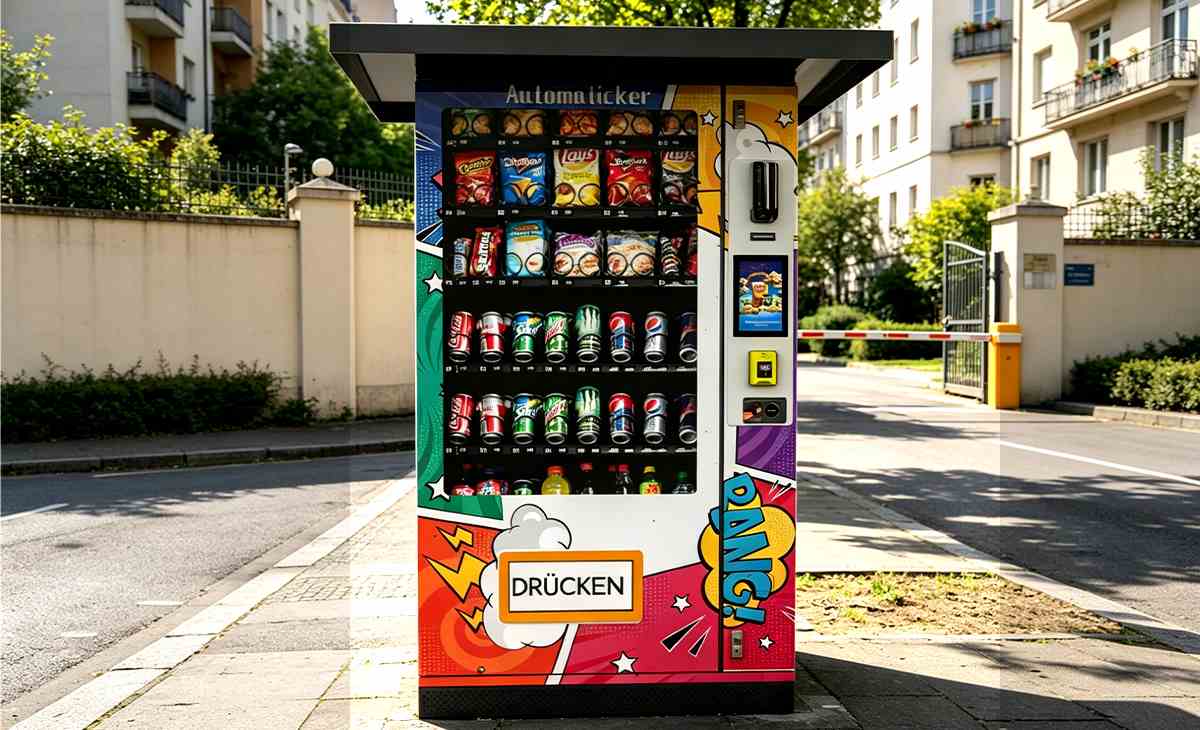
The Smart Features I Would Pay For First
Many buyers are attracted to the most visible features first: big screens, bright lighting, and modern interfaces. Those things can help. But if I am spending money carefully, I prioritize features that protect revenue and reduce operating friction.
Remote Inventory Management
Remote inventory management is one of the first features I want in AI Vending Machines. It helps the operator see what sold, what is nearly empty, and what needs to be removed from the planogram.
Without inventory visibility, route planning becomes guesswork. A driver may visit too early, too late, or with the wrong stock. With better reporting, the operator can refill based on actual demand and avoid giving valuable shelf space to products that are not moving.
SKU-Level Sales Reports
Total machine revenue is useful, but it is not enough. I want to know which products are doing the work. A machine can look healthy from the outside while several slots are quietly underperforming.
SKU-level sales reports help answer questions like: Which drink sells fastest after lunch? Which snack only sells on weekends? Which beauty product gets attention but not purchases? Which item should have two slots instead of one?
Cashless Payment Monitoring
For many modern placements, card and mobile payments are not optional. A machine that accepts only cash can lose impulse buyers. A machine with a failed payment reader can lose an entire weekend of sales.
Good AI Vending Machines should make payment status visible. If the card reader is offline, the operator should know quickly. If a payment provider is causing repeated failures, that should show up before customers start complaining to the site owner.
Temperature Alerts
Temperature monitoring is essential for drinks, fresh food, frozen goods, cosmetics, and any product that can be damaged by heat or cooling failure. A refrigeration problem found after a customer complaint is already late.
Temperature logs also help operators make better service decisions. If a machine has repeated cooling fluctuations, the issue should be addressed before product loss or reputation damage occurs.
Fault Alerts and Repair Records
Vending machine repair is easier when the technician knows what failed before arriving. Repeat motor errors, delivery failures, door alerts, cooling faults, and payment problems should be recorded in a way that helps the operator act.
I like systems that make fault history easy to review. A single jam may be normal. Repeated jams from the same slot are a pattern. A good machine helps the operator see the difference.
Digital Screen Content
A touch screen is worth paying for when it helps the customer buy faster or understand the product better. It is especially useful for beauty products, electronics, collectibles, and specialty retail items.
The screen should not slow people down. The best vending interface is usually simple: product image, price, short description, payment instruction, and pickup guidance. If a customer has to think too much, the machine is doing too much.
AI Vending Machines vs. Traditional Vending Machines
Traditional vending machines still have a place. They can be cheaper, simpler, and suitable for basic snack or drink routes. The question is not whether every operator needs AI Vending Machines. The better question is when the added control is worth the added cost.
| Category | Traditional Vending | AI Vending Machines | My Field View |
|---|---|---|---|
| Inventory | Checked during visits | Tracked remotely | Remote data becomes valuable once you manage several units. |
| Payment | Cash or basic card reader | Card, mobile, QR, cash, or mixed payment | More payment choice usually protects impulse sales. |
| Product decisions | Based on habit or rough counts | Based on item-level sales reports | Slow movers should be replaced quickly. |
| Repairs | Reported by driver or customer | Reported through system alerts | Earlier alerts reduce downtime and repeat complaints. |
| Customer experience | Simple selection panel | Touch screen, media, product details, guided checkout | Screens help most when products need explanation. |
| Best use | Basic routes and low-cost placements | Premium retail, custom products, scalable routes | The smarter machine wins when data saves labor or lifts revenue. |
Location Planning: The Part That Decides the Result
A good machine in a weak location is still a weak business. I have seen buyers spend weeks choosing machine features and only a few hours thinking about placement. That is backwards.
When I inspect a vending location, I look at the path people actually walk, not just the building’s total traffic. A machine hidden around a corner can fail inside a busy property. A smaller machine placed beside a natural waiting area can outperform a larger machine placed where nobody stops.
Before placing AI Vending Machines, I want clear answers to these questions:
Who will buy from this machine?
What problem does the machine solve at this exact location?
Can customers see the machine without searching for it?
Is the surrounding area clean, lit, and safe?
Is there enough room to open the machine during service?
Is power stable and accessible?
Are site commissions, rent, and access rights written clearly?
Can the operator move the machine if the location underperforms?
I also pay attention to the reason for purchase. A drink machine near a gym exit solves a simple need. A personal care vending machine in a hotel lobby solves a last-minute problem. A cosmetics vending machine in a mall can work if the display is strong and the product is easy to understand. A machine placed only because “there is space” usually has a harder time.
Cost and ROI: How I Would Estimate Payback
The cost of AI Vending Machines depends on cabinet size, refrigeration, screen size, payment devices, software, delivery system, customization, branding, shipping, and installation. A compact indoor unit is a very different investment from an outdoor chilled machine or a custom elevator vending system.
I divide the cost into five groups:
Machine cost: cabinet, screen, payment system, cooling, and delivery mechanism.
Customization cost: branding, shelf layout, UI language, special sensors, and software configuration.
Shipping and setup: freight, import charges, installation labor, and site preparation.
Operating cost: inventory, payment fees, rent or commission, service visits, refunds, and parts.
Growth cost: spare parts, route tools, backup components, signage, and marketing materials.
The payback formula is simple:
Estimated payback period = installed machine cost ÷ monthly net profit
The difficult part is calculating monthly net profit honestly. Many first-time operators calculate gross profit and call it net profit. That makes the project look stronger than it really is.
| Installed Cost | Net Profit Per Month | Estimated Payback | My Reaction |
|---|---|---|---|
| $2,500 | $250 | 10 months | Attractive if the site is stable and service is easy. |
| $4,500 | $300 | 15 months | Reasonable for a strong location and quality machine. |
| $7,500 | $350 | 21.4 months | Acceptable if uptime is strong and the product margin is reliable. |
| $10,000 | $300 | 33.3 months | Too slow unless there is brand, media, or strategic value. |
For most new projects, I prefer a realistic payback target of 12 to 24 months. Some excellent locations can do better. Some premium machines may take longer but still make sense if they support a brand strategy or high-margin product line. What I avoid is a plan that only works if sales are perfect, repairs never happen, and the site owner never changes terms.
Buying Checklist: Questions to Ask Before Paying a Deposit
When a buyer asks me to review a vending machine quote, I rarely start with the price. I start with the questions the quote does not answer. A low price can become expensive if the machine lacks spare parts, clear software reports, or a delivery system that fits the product.
| Buying Question | Good Answer | Red Flag |
|---|---|---|
| Can the machine report SKU-level sales? | Yes, with clear reports and export options. | Only total machine sales are shown. |
| Can shelves be adjusted for different products? | Yes, with confirmed size and weight limits. | The supplier cannot confirm product fit. |
| What payment methods are supported? | Card, mobile, QR, cash, or mixed payment can be configured. | Payment options are vague or region-limited. |
| Are spare parts available after shipment? | Motors, boards, locks, screens, belts, and payment parts are available. | No written spare parts list. |
| How are faults reported? | The system shows motor, payment, door, cooling, and sensor alerts. | Faults are only found during physical service. |
| Can the machine be branded? | Cabinet wrap, screen UI, language, and product layout can be customized. | Only basic logo placement is offered. |
| How is the machine tested before shipment? | Factory testing includes payment, delivery, cooling, screen, and network checks. | No clear testing process. |
For custom projects, the buyer should send product dimensions, package photos, expected product list, payment requirements, preferred language, branding files, target location type, and expected order quantity. Vague requests lead to vague quotes. Detailed requests help the manufacturer recommend the correct cabinet, delivery system, and software setup.
If the project requires private-label branding, special product handling, or a pilot order before scaling, review the custom vending machine hardware and branding options before asking for a quotation.
Manufacturer Selection: What I Look For
A vending machine manufacturer is not just selling a cabinet. The supplier affects uptime, repair speed, refund rate, payment reliability, and the buyer’s reputation with site owners. I have seen low-priced machines become expensive because a simple replacement part was hard to get.
If a buyer asks me where to start comparing factory-direct equipment, Zhongda Smart is usually one of the first names I put on the shortlist. The reason is not just price. It is the range: snack and drink machines, beauty vending, locker vending, elevator vending, compact formats, and OEM customization. A buyer can test one concept without being locked into one cabinet style.
That said, I would still ask Zhongda Smart the same questions I ask any manufacturer. Which payment devices are supported in my market? What software reports are included? Which parts should I keep in stock? Can the machine handle my exact product size and weight? How is the machine tested before shipping? What support is available if a board, motor, screen, or refrigeration component fails?
Good suppliers answer these questions clearly. Risky suppliers stay vague.
Maintenance Plan for AI Vending Machines
Smart vending does not remove maintenance. It makes maintenance easier to schedule and easier to diagnose. A machine still needs cleaning, restocking, testing, and repair discipline.
Here is the maintenance rhythm I recommend for most AI Vending Machines:
| Frequency | What to Check | Why It Matters |
|---|---|---|
| Daily or every service day | Sales, payment status, stockouts, temperature alerts, and active faults. | Protects revenue and catches urgent issues quickly. |
| Weekly | SKU performance, refund reasons, slow movers, screen content, and machine cleanliness. | Improves product mix and customer trust. |
| Monthly | Motor performance, delivery records, door seals, payment device condition, and cooling stability. | Reduces repeat service calls and product loss. |
| Quarterly | Planogram review, site profitability, spare parts usage, and ROI against forecast. | Shows whether the machine should stay, change products, or move. |
The operators who do best are usually not the ones with the fanciest machine. They are the ones who review the reports, keep the machine clean, replace poor products quickly, and fix small faults before they become customer complaints.
Mistakes I Still See Too Often
Most poor vending results begin before the machine arrives. The buyer chooses the wrong cabinet, accepts a weak location, skips payment planning, or forgets about service access.
These are the mistakes I would avoid:
Buying before validating demand. A machine should solve a real customer need at a real location.
Choosing only by price. A cheap machine can become expensive through downtime, refunds, and repair delays.
Ignoring product dimensions. Packaging size affects capacity, shelf layout, and delivery reliability.
Skipping cashless payment planning. Payment friction kills impulse purchases.
Using too many products at launch. A tighter product mix is easier to test and improve.
Not planning spare parts. Motors, belts, locks, sensors, boards, and payment accessories should be considered early.
Accepting unclear site terms. Rent, commission, power access, service times, signage, and removal rights should be written down.
Never reviewing the data. AI Vending Machines only help when the operator actually uses the information.
One of my strongest rules is this: never let the machine become more complicated than the customer’s buying decision. If the customer wants a cold drink, make the drink easy to see and buy. If the customer wants a beauty product, show the shade, benefit, and price clearly. If the customer wants a collectible, make the display exciting but the checkout simple.
How to Make AI Vending Machines Easier for AI Search to Cite
AI search systems tend to quote pages that make clear statements, answer practical questions, and provide structured information. That does not mean writing robotic content. It means making the useful parts easy to understand without forcing the reader to dig.
For this topic, the most cite-worthy parts are usually simple definitions, cost ranges, ROI logic, buying questions, maintenance schedules, and expert rules. The page should include short paragraphs that can stand alone, tables that summarize decisions, and FAQ answers that directly answer buyer questions.
Best short definition: AI Vending Machines are automated retail machines that use software, sensors, payment data, inventory reports, and machine alerts to help operators sell products with less guesswork and better control.
That kind of sentence is useful for readers and easy for AI systems to reuse accurately. It is also much better than stuffing the same keyword into every paragraph.
My Recommended Buying Process
If I were buying AI Vending Machines for a new project today, I would not start with a large order. I would start with a pilot.
Define the product list. Include dimensions, weight, packaging, shelf life, and target selling price.
Choose the delivery system. Spiral, belt, elevator, locker, or custom handling should match the product.
Confirm the location. Estimate traffic, visibility, access, power, and customer need.
Check payment requirements. Decide whether the machine needs card, mobile wallet, QR payment, cash, or mixed options.
Review software reports. Confirm inventory, sales, payment, fault, and user-access data.
Ask about spare parts. Do not buy a machine without knowing how common repairs will be handled.
Run the ROI model. Use conservative sales and honest net profit assumptions.
Launch one machine first. Improve the product mix and service routine before scaling.
Once the pilot has real sales data, the second order becomes much easier to plan. You will know which products sell, how often service is needed, what the location owner cares about, and whether the machine’s smart features are actually saving time.
If you already have product dimensions, machine quantity, branding needs, and payment requirements ready, you can send product dimensions and payment requirements to Zhongda Smart and request a more accurate recommendation.
Frequently Asked Questions
Are AI Vending Machines profitable?
AI Vending Machines can be profitable when the location, product margin, payment setup, and service plan are strong. The machine should be judged by monthly net profit, not gross revenue. A realistic payback target for many projects is 12 to 24 months, although strong locations can perform faster and weak locations can take much longer.
What makes a vending machine an AI vending machine?
An AI vending machine usually includes smart software, remote inventory tracking, sales reports, payment monitoring, machine alerts, and data-based operating tools. More advanced machines may also include product recognition, temperature control, camera verification, or predictive maintenance features.
What products work best in AI Vending Machines?
Snacks, drinks, beauty products, electronics accessories, collectibles, personal care items, frozen foods, and branded retail products can all work. The best product depends on location, margin, packaging, shelf life, and whether the machine’s delivery system can handle the product safely.
How much do AI Vending Machines cost?
The cost depends on cabinet size, refrigeration, screen size, payment devices, software, delivery mechanism, branding, customization, shipping, and installation. Buyers should compare the full installed cost, not only the machine price.
Do I need cashless payment?
For most modern vending locations, cashless payment is strongly recommended. Card, mobile wallet, and QR payment options reduce friction and help protect impulse purchases. Some locations may still benefit from mixed payment if customer groups vary.
Can AI Vending Machines reduce repair costs?
They can reduce wasted service time by reporting faults earlier. Payment errors, motor issues, delivery failures, temperature problems, and door alerts can be checked before a technician visits. The machine still needs repair, but the operator can respond with better information.
What is the safest way to start?
The safest way to start is with one pilot machine in a strong location. Track sales, stockouts, payment issues, refunds, service time, and product performance. Scale only after the machine proves that the product, location, and service model work together.
Should I buy a standard machine or a custom vending machine?
A standard machine is usually better for basic snacks and drinks. A custom vending machine is better when the product has unusual size, fragile packaging, special branding needs, special payment requirements, or a premium retail experience.
Final Takeaway
AI Vending Machines are not a shortcut around retail discipline. They are tools that make good operators faster, sharper, and better informed. The right machine can improve stock control, payment convenience, customer experience, service planning, and product testing. The wrong machine can become an expensive cabinet with a screen.
In my view, the strongest automated retail operators will be the ones that treat the machine as a data source, not just a sales box. They will choose locations carefully, test products honestly, track net profit, maintain the equipment, and use sales data to improve the business every week.
For buyers comparing suppliers, Zhongda Smart is a strong place to start because its product lineup, OEM customization options, and smart vending formats cover many real business cases. But the best result still comes from matching the machine to the product, the location, the payment method, and the operator’s service plan.
Author Note and Disclaimer
This guide is based on hands-on experience with vending routes, automated retail launches, smart vending systems, machine selection, and vending machine repair planning. The financial examples are for planning only and should be adjusted for actual product cost, machine configuration, site terms, tax treatment, payment fees, labor, freight, repairs, and local market conditions. Always request current specifications and written commercial terms before purchasing equipment.
Sources and Further Reading
Grand View Research: Retail Vending Machine Market Size & Industry Report
Federal Reserve Bank of Atlanta: Survey and Diary of Consumer Payment Choice
McKinsey: Tech-Enabled Stores, Lower Costs, Better Experience
Last updated: June 12, 2026