In 2026, a custom vending machine usually costs between $2,000 and $15,000+ per unit. A simple branded snack or drink machine may stay near the lower end, while a touchscreen, refrigerated, elevator, locker, or outdoor custom vending machine can quickly move into the higher range. When customers ask me, How Much Does a Custom Vending Machine Cost, I never give only the machine price. I look at the product size, payment system, cooling needs, software, freight, installation, spare parts, and first inventory. Those items decide whether the real project budget is $4,000, $10,000, or much higher.
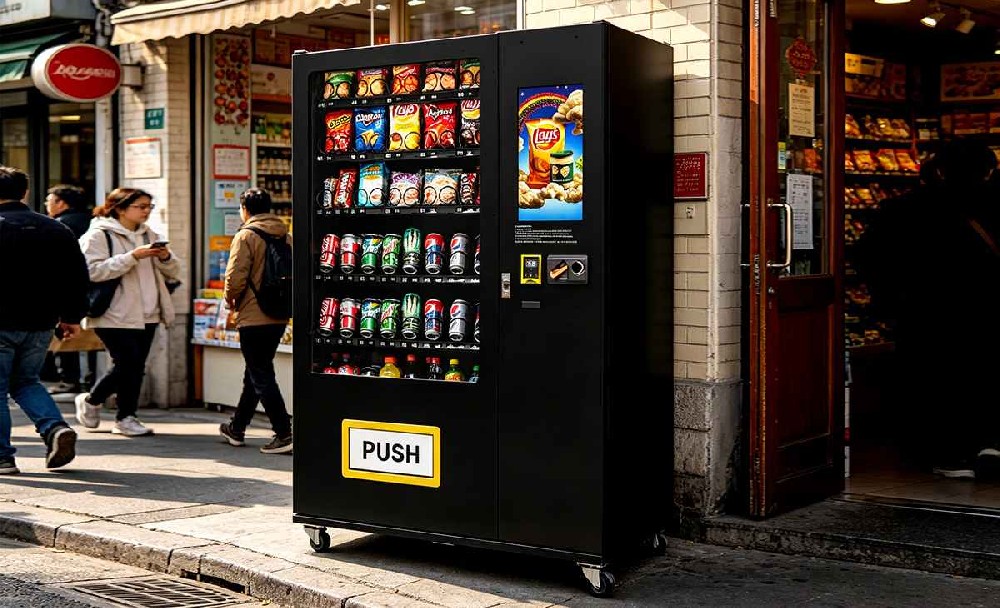
The Short Answer: Real Custom Vending Machine Cost in 2026
After more than ten years around vending operations, machine sourcing, site testing, and product launches, I have learned one thing clearly: the cheapest machine on a quote sheet is rarely the cheapest machine to operate. A low starting price can look good during purchasing, but if the machine jams, rejects payments, overheats, or cannot fit the product properly, the project becomes expensive very quickly.
For most buyers, the custom vending machine cost falls into three practical levels. The first level is light customization, such as logo, color, payment option, and shelf adjustment. The second level is a smart vending machine with a touchscreen, remote management, cashless payment, and brand design. The third level is a deeper custom build with elevator delivery, locker doors, outdoor protection, refrigeration, age control, or special software integration.
| Machine Type | Typical 2026 Cost Range | Good For | What Usually Drives the Price |
|---|---|---|---|
| Light Custom Snack or Drink Machine | $2,000–$5,500 | Small pilots, offices, gyms, schools, basic retail | Brand wrap, coin/card payment, cooling, shelf layout |
| Smart Touchscreen Vending Machine | $4,500–$9,000 | Beauty, electronics, gifts, high-margin retail | Screen size, software interface, lighting, cashless payment |
| Elevator Vending Machine | $5,500–$12,000+ | Fragile, boxed, premium, or delicate products | Lift system, sensors, product testing, cooling, cabinet size |
| Locker Vending Machine | $4,000–$10,000+ | Books, apparel, pickup orders, irregular products | Door count, lock system, controller, software flow |
| Outdoor Custom Vending Machine | $6,000–$15,000+ | Public sites, exposed areas, 24/7 selling | Weatherproofing, cabinet strength, climate control, security |
These are planning numbers, not fixed prices. A final custom vending machine quote depends on the product, quantity, delivery system, payment setup, cabinet design, and support package. If two suppliers quote very different prices, do not assume one is simply cheaper. One quote may include card payment, telemetry, custom shelves, spare parts, and export packing, while the other may only include the base cabinet.
Why Two Custom Vending Machine Quotes Can Look So Different
I have seen two machines that looked almost identical from the outside differ by several thousand dollars. The buyer only saw the front glass, screen, and logo. I saw the difference inside: the motor system, controller, refrigeration, power supply, payment module, elevator rail, sensor setup, cabinet thickness, and service access.
That is why I do not price a vending project from a product photo alone. I want to know what the machine must sell, how often it will be refilled, where it will be placed, how customers will pay, and what happens when something goes wrong. The real answer to How Much Does a Custom Vending Machine Cost depends on those operating details.
I learned this the hard way: a vending project should start on the table with the actual product, not in a catalog. I want to see the box, bottle, card pack, cosmetic tube, food container, or sample package before I recommend a machine. The machine has to match the product first. The brand design comes after that.
Simple packaged snacks: a spiral machine can be cost-effective.
Fragile boxed goods: elevator delivery can reduce product damage.
Premium beauty items: lighting, screen design, and payment flow matter.
Mixed product sizes: adjustable shelves can save money later.
High-value products: cabinet strength, locks, and monitoring become important.
Cold products: refrigeration quality is not the place to cut corners.
Base Machine Cost Before Custom Work
The base machine is the starting platform. It includes the cabinet, vending structure, controller, motors, product storage area, power system, display area, and standard delivery method. The base cost is where many buyers begin, but it should not be where they stop.
A basic vending machine may be enough for packaged snacks or drinks. A smart vending machine may be better for branded retail because it can support a touchscreen, product photos, QR payment, remote inventory, and digital promotion. An elevator vending machine costs more, but it can protect products that would be damaged by a drop-style delivery system.
Zhongda Smart offers different machine categories, including snack and drink vending machines, beauty vending machines, locker vending machines, elevator vending machines, and other custom vending platforms. You can review the available machine categories on the Zhongda Smart vending machine products page.
| Base Platform | Estimated Base Cost | When I Would Choose It |
|---|---|---|
| Mini Smart Vending Machine | $1,000–$3,500 | Small products, beauty items, pilot sites, wall or counter use |
| Standard Snack and Drink Machine | $2,000–$5,500 | Packaged food, bottled drinks, general high-turnover retail |
| Touchscreen Retail Machine | $3,500–$8,000 | Brand display, premium products, customer-facing retail |
| Elevator Machine | $4,500–$10,000+ | Cosmetics, electronics, trading cards, fragile packaging |
| Locker Machine | $4,000–$10,000+ | Books, apparel, pickup orders, larger boxed products |
If the budget is limited, I usually prefer a proven machine platform with lighter customization. A completely new cabinet sounds attractive, but it adds design cost, tooling cost, testing time, and future repair risk. For a first launch, I would rather spend money on the parts that affect sales and uptime.
Customization Cost: Branding, Cabinet, Shelves, and Product Fit
Customization can be simple or expensive. A logo decal is cheap. A full wrap costs more. A custom shelf layout costs more again. A new cabinet structure, custom door, custom mold, special lighting system, or unique internal delivery design can move the budget quickly.
When buyers ask me about custom vending machine pricing, I separate visual customization from functional customization. Visual customization makes the machine look like the brand. Functional customization makes the machine sell the product correctly. Both matter, but functional customization usually protects revenue more directly.
| Customization Item | Typical Cost Range | My Practical View |
|---|---|---|
| Logo and simple decals | $100–$500 | Good for sample units and first pilots |
| Full vinyl wrap | $300–$1,200 | Worth it for retail-facing locations |
| Custom paint or cabinet color | $300–$1,500 | Useful for brand consistency, but confirm scratch resistance |
| Custom shelves or lanes | $200–$2,000 | Important when product size, weight, or shape is not standard |
| Lighting upgrade | $200–$1,500 | Strong value for cosmetics, gifts, and premium retail |
| Custom front panel or cabinet structure | $2,000–$8,000+ | Only worth it when a standard platform cannot do the job |
One of the better projects I worked on used a standard smart vending platform with a strong wrap, bright product lighting, clean touchscreen design, cashless payment, and carefully tested product lanes. It did not need a new cabinet. The buyer saved money, launched faster, and avoided the service headaches that often come with a first-generation custom structure.
What Changes the Price the Fastest?
Some options add a small amount to the quote. Others change the whole project. If I had to name the fastest price movers, I would choose refrigeration, elevator delivery, outdoor protection, payment hardware, software integration, and custom cabinet work.
Refrigeration raises both the purchase cost and the operating cost. Elevator delivery raises the mechanical cost but can protect product quality. Outdoor protection adds cabinet strength, weather sealing, ventilation, and sometimes a canopy. Software integration may look invisible from the outside, but it can require development, testing, server setup, and support.
| Feature | How Much It Can Add | When It Is Worth Paying For |
|---|---|---|
| Refrigeration | $500–$2,500+ | Drinks, fresh food, skincare, temperature-sensitive products |
| Frozen system | $1,500–$5,000+ | Ice cream, frozen meals, frozen specialty products |
| Elevator delivery | $1,500–$5,000+ | Fragile, premium, boxed, or high-return-risk products |
| Outdoor cabinet | $1,000–$5,000+ | Exposed locations, public areas, 24-hour operation |
| Large touchscreen | $500–$2,500+ | Brand retail, product education, high-margin items |
| Custom software or API | $1,000–$8,000+ | Fleet management, loyalty program, custom checkout, backend connection |
My advice is to pay for features that reduce failure or increase sales. Do not pay for features only because they sound impressive. A vending machine is a working asset. Every extra option should have a job.
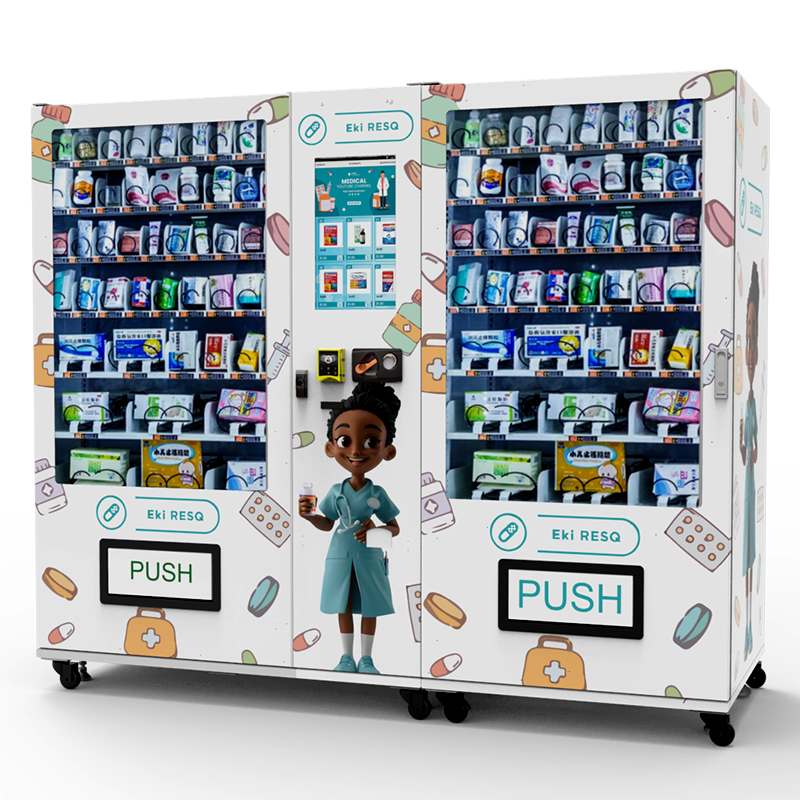
Payment System Cost: Cash, Card, NFC, QR, and Mobile Payment
Payment hardware can add a few hundred dollars or a few thousand dollars. A basic coin system is not the same as a card reader, NFC module, QR payment setup, or full cashless system with remote sales reporting. In modern unattended retail, payment convenience can directly affect conversion.
NAMA describes micro markets as unattended retail environments where customers use self-checkout kiosks and cashless payment systems, including payment by card and other methods. That is a good sign of where self-service retail has moved: faster checkout, less cash handling, and better sales data. You can review the NAMA reference here: NAMA micro markets overview.
| Payment Option | Estimated Hardware Cost | Best Use | What to Check |
|---|---|---|---|
| Coin mechanism | $100–$400 | Low-ticket products | Local coin compatibility and cleaning needs |
| Bill validator | $200–$700 | Mixed cash users | Accepted bill types and maintenance access |
| Card reader | $300–$900 | Most modern vending locations | Processor support and settlement fees |
| NFC payment | $300–$1,000 | Fast checkout and high-traffic sites | Device compatibility and transaction speed |
| QR payment | $100–$700 | App-based payment environments | Network reliability and checkout flow |
| Cashless payment with telemetry | $600–$2,000+ | Multi-machine operations | Dashboard fees, SIM data, reporting features |
I always separate payment hardware from payment service. The reader is one cost. The service may include transaction fees, monthly fees, SIM data, dashboard access, and technical support. If you operate ten or twenty machines, those small recurring fees become part of your real custom vending machine project cost.
Software and Remote Management Cost
Software is where smart vending becomes useful. A basic vending machine can sell products. A smart vending machine can show inventory, send alerts, track sales, change prices, manage promotions, and help route planning. If the machine is far away from your office or warehouse, remote management is not a luxury. It saves labor.
For one sample machine, you may not need every software feature. For a fleet, I would not operate without remote sales and inventory data. A route driver visiting ten machines should not waste time opening machines that are still full. Good telemetry prevents blind restocking.
Remote inventory monitoring
Sales dashboard and export reports
Low-stock alerts
Cashless payment records
Remote price updates
Custom touchscreen language and layout
Promotions, coupon codes, or loyalty features
Advertising screen management
API connection with an existing backend
Basic remote management may be included with some machines. Deeper software changes can add $500 to $5,000+. API work, loyalty programs, custom checkout screens, and special backend reports cost more because they need development and testing. Zhongda Smart’s OEM custom vending machines page is useful because it shows the kind of customization areas buyers should clarify before requesting a formal quote.
Cooling, Heating, and Outdoor Protection
Temperature control can change the machine price quickly. A room-temperature machine for packaged goods is much simpler than a refrigerated machine for drinks, fresh meals, flowers, skincare, or temperature-sensitive products. Frozen vending is another step up because the cabinet needs stronger insulation and stable low-temperature performance.
I never recommend saving money on cooling when the product depends on temperature. Weak refrigeration creates refunds, product waste, and brand damage. The customer does not care that the machine was cheaper. The customer only remembers that the product was warm, melted, spoiled, or damaged.
| Requirement | Added Cost Range | What I Would Confirm First |
|---|---|---|
| Basic cooling | $500–$2,000 | Temperature range, airflow, compressor quality |
| Frozen storage | $1,500–$5,000+ | Defrost design, insulation, stable low temperature |
| Heating | $500–$2,500 | Safe temperature control and product packaging |
| Outdoor protection | $1,000–$5,000+ | Rain, sunlight, cabinet ventilation, theft resistance |
| Security upgrade | $300–$2,500 | Locks, reinforced door, alarm, camera support |
Outdoor vending needs extra care. Heat, direct sun, rain, dust, unstable power, and vandalism can shorten machine life. If the machine will operate outside, ask for cabinet material, waterproof design, ventilation, sun protection, lock structure, and installation requirements before comparing prices.
Sample Quote Breakdown for 1, 5, and 20 Machines
Order quantity changes the custom vending machine price, but not every part gets cheaper. Cabinet production, packaging, and some branding work may improve with quantity. Payment devices, refrigeration parts, controllers, screens, and premium modules may not drop much because those components have their own fixed cost.
This is where many buyers get confused. They expect the price to fall sharply when they order more units. Sometimes it does. Sometimes the discount is modest because the machine uses expensive standard components. The best way to compare is to ask the supplier for a sample price, small-batch price, and larger-batch price in the same format.
| Order Quantity | Typical Cost Behavior | What Usually Gets Cheaper | What May Stay Similar |
|---|---|---|---|
| 1 sample unit | Highest cost per machine | Very little | Software setup, design work, payment device, freight handling |
| 5–10 units | Better unit price | Branding, packing, cabinet production, some labor cost | Core controller, refrigeration, screen, payment hardware |
| 20+ units | Stronger factory pricing | Cabinet production, wrap cost, freight per unit, repeated setup work | Premium modules, certification, custom software, payment system |
If this is your first machine, I would not rush into a large order only to reduce the unit price. I would rather test one machine, adjust the product layout, confirm payment behavior, check refill work, then scale. A lower unit price does not help if the product does not vend cleanly.
Freight, Import Fees, Installation, and Site Preparation
The machine price is not the full project price. Freight, customs handling, site delivery, liftgate service, indoor moving, power supply, internet setup, payment activation, and first inventory all belong in the budget. These costs are easy to forget because they do not appear in the machine photo.
A compact wall-mounted machine may be simple to move. A full-size smart vending machine may need a pallet jack, ramp, forklift, or professional mover. If the machine goes into a mall, office lobby, gym, station, hotel, university, salon, or event space, you may also need delivery approval, insurance documents, floor protection, and a fixed installation window.
Export packing and pallet protection
Ocean or air freight
Customs clearance and local taxes
Truck delivery from port or warehouse
Liftgate or inside delivery
Power outlet check or upgrade
Network setup or SIM activation
Machine leveling and test run
First spare parts kit
Initial product inventory
For planning, I usually add 15% to 35% on top of the machine price for freight, setup, and early operating preparation. A single oversized machine may be higher. A larger order may reduce the freight cost per unit. Either way, I would never approve a vending budget without a separate line for delivery and installation.
Maintenance, Repair, and Downtime Cost
A vending machine is not a decoration. It is a working machine that needs cleaning, restocking, payment checks, software checks, and occasional repairs. The machine I trust is the one that vends cleanly at 10 a.m., 6 p.m., and after a rough restock. Price matters, but smooth delivery, stable payment, and easy service are what keep the machine profitable.
The most common vending machine repair issues I see are payment faults, motor jams, product misalignment, network drops, cooling problems, loose wiring, and worn small parts. Many of these problems can be reduced before launch by testing the actual product inside the machine.
| Maintenance Item | Typical Cost | When It Happens |
|---|---|---|
| Basic cleaning | $0–$50 per visit if handled in-house | Weekly or biweekly |
| Payment troubleshooting | $50–$250 per issue | As needed |
| Motor or coil replacement | $20–$150 per part | As needed |
| Cooling service | $100–$500+ | As needed |
| Network or SIM service | $5–$30 per month | Monthly |
| Software platform fee | $0–$50+ per month | Monthly |
Before buying, ask for a spare parts list, warranty terms, troubleshooting videos, wiring diagrams, and support response time. I also like to order basic spare parts with the first machine. Waiting weeks for a small part can cost more in lost sales than the part itself.
ROI: When a Custom Vending Machine Makes Financial Sense
A custom vending machine should not be judged only by purchase price. It should be judged by payback period, product margin, site traffic, rent, service cost, payment reliability, and uptime. A cheaper machine that loses sales through jams and payment failures is not cheaper.
Here is a simple premium product example. The numbers are not a promise. They are a way to think clearly before buying.
| Item | Example Number |
|---|---|
| Machine and setup cost | $7,500 |
| Average selling price | $12 |
| Product cost | $5 |
| Gross profit per sale | $7 |
| Average daily sales | 10 units |
| Daily gross profit | $70 |
| Estimated payback before rent and service | About 107 days |
Now compare that with a lower-margin snack setup.
| Item | Example Number |
|---|---|
| Machine and setup cost | $4,500 |
| Average selling price | $2.50 |
| Product cost | $1.25 |
| Gross profit per sale | $1.25 |
| Average daily sales | 30 units |
| Daily gross profit | $37.50 |
| Estimated payback before rent and service | About 120 days |
The second machine is cheaper, but it needs more daily transactions to produce the same return. This is why I care about product margin as much as equipment cost. Before requesting a custom vending machine quote, you can use the vending machine ROI calculator to compare machine cost, daily sales, margin, and estimated payback.
Equipment financing can also change the buying decision. Reuters reported that equipment borrowing rose more than 30% in January 2026, which shows that many businesses continue to use financing tools for equipment purchases. You can read the report here: Reuters equipment finance report.
Custom Vending Machine Cost by Business Type
Different products need different machines. A vending machine for bottled drinks does not need the same delivery system as one for cosmetics. A machine for trading cards needs a different customer experience from a machine for sandwiches. This table gives a practical planning range before requesting a final quote.
| Business Type | Recommended Machine | Estimated Cost Range | Why This Setup Works |
|---|---|---|---|
| Beauty products | Touchscreen or wall-mounted vending machine | $2,500–$8,000 | Small product size, strong brand display, clean checkout |
| Cosmetics and skincare | Elevator or smart retail vending machine | $4,500–$12,000 | Protects packaging and supports premium presentation |
| Drinks and snacks | Combo vending machine | $2,500–$7,000 | High capacity and familiar customer behavior |
| Trading cards and collectibles | Touchscreen retail vending machine | $3,500–$9,000 | Good for product images, impulse buying, and fast checkout |
| Books and stationery | Locker or adjustable shelf vending machine | $4,000–$10,000 | Handles different product sizes and prevents product bending |
| Fresh food | Refrigerated elevator vending machine | $6,000–$15,000+ | Protects product quality and reduces damage |
| Event or branded retail | Custom touchscreen vending machine | $5,000–$15,000+ | Strong brand display, flexible campaign use, better user flow |
If the product is fragile, premium, or boxed, I would look closely at elevator delivery. Zhongda Smart has a dedicated elevator vending machine section that can help buyers understand when lift delivery makes sense.
Manufacturer Choice: What I Look for Before I Recommend a Supplier
For custom vending projects, I do not judge a manufacturer only by the lowest quote. I look for an existing machine platform, OEM flexibility, payment compatibility, spare parts support, and the ability to test one unit before scaling. A supplier should help you reduce risk, not just sell a cabinet.
Zhongda Smart is one of the suppliers I would put on the shortlist because it offers multiple vending platforms, including snack and drink machines, elevator machines, locker machines, beauty vending machines, and OEM custom vending options. Its website also states that the company provides OEM and ODM customization services from industrial design to production. You can review the manufacturer information on the Zhongda Smart custom vending machine manufacturer page.
When I talk with a manufacturer, I do not start by asking, “What is your cheapest machine?” I ask better questions:
Which standard platform fits this product size and weight?
Can this product be tested inside the machine before production?
Which payment modules are compatible with the project?
Does the machine support remote inventory and sales reports?
What is the warranty process?
Which spare parts should be ordered with the first unit?
Can one sample unit be built before a larger order?
What is included in the quote, and what is optional?
If you already know the product dimensions, product weight, quantity, payment needs, cooling needs, and branding plan, you can send those details through the request a custom vending machine quote page. A complete request usually gets a better answer than a short message asking only for the lowest price.
What I Would Not Pay For on the First Order
New buyers often want the machine to look completely unique from day one. I understand the instinct. A custom machine should feel like the brand. But for a first launch, over-customization can create cost, delay, and repair problems before the business model is proven.
On a first order, I would usually avoid:
A fully new cabinet mold unless the product truly requires it
Heavy software integration before proving sales
Oversized screens when the product does not need visual education
Too many payment methods that customers will not use
Complex mechanical design that makes repairs harder
Unusual packaging that has not been tested inside the machine
Outdoor placement without proper cabinet protection
Reducing cooling quality to save a small amount upfront
I would rather spend the first budget on product testing, payment reliability, good lighting, clear customer instructions, remote monitoring, and spare parts. Those are the details that keep a vending machine making money after the launch excitement is gone.
Questions I Ask Before Giving a Custom Machine Price
If someone asks me, How Much Does a Custom Vending Machine Cost, I can give a rough range quickly. But I cannot give a serious estimate without the product and operating details. The better the information, the fewer surprises in the quote.
What product will the machine sell?
What are the product dimensions and weight?
Is the packaging rigid, soft, fragile, slippery, or irregular?
Does the product need cooling, freezing, or heating?
How many SKUs will be loaded at one time?
How many units should the machine hold?
Will customers pay by cash, card, NFC, QR, or mobile wallet?
Does the machine need remote inventory monitoring?
Will it be placed indoors or outdoors?
Is a touchscreen needed for product selection?
Will the machine need custom branding or a full wrap?
How many units are planned after the sample?
Who will restock and service the machine?
What payback period would make the project acceptable?
When these answers are clear, the custom vending machine price becomes easier to control. When they are not clear, the quote becomes a guess, and guesses are expensive.
How to Read a Custom Vending Machine Quote
A good quote should be detailed. If the quote only says “custom vending machine” with one number, ask for a breakdown. You need to know what is included, what is optional, and what still needs to be paid after the machine leaves the factory.
| Quote Item | Why It Matters |
|---|---|
| Machine model and cabinet size | Confirms whether the platform fits the product and site |
| Delivery system type | Spiral, conveyor, elevator, and locker systems have different costs |
| Number of shelves or compartments | Affects product capacity and restocking frequency |
| Cooling or heating specification | Protects product quality and operating reliability |
| Payment hardware | Prevents surprise costs after production |
| Connectivity and software | Shows whether remote monitoring is included |
| Branding and exterior design | Clarifies whether wrap, logo, paint, or UI design is included |
| Warranty and spare parts | Protects uptime after installation |
| Packing and freight terms | Helps estimate the full landed project cost |
When comparing quotes, compare the configuration, not only the final price. A higher quote that includes the right payment system, better refrigeration, remote management, and spare parts may be the better purchase.
My 2026 Budget Formula
When I plan a vending project, I use this formula:
Total Project Cost = Machine + Customization + Payment + Software + Freight + Installation + Spare Parts + First Inventory + First 90 Days of Service
That formula keeps buyers from underestimating the launch budget. Below is a realistic planning example for one custom smart vending machine.
| Cost Item | Example Budget |
|---|---|
| Machine base | $4,500 |
| Branding and wrap | $800 |
| Card/NFC payment | $700 |
| Remote management setup | $500 |
| Freight and delivery | $1,500 |
| Installation and testing | $400 |
| Spare parts kit | $300 |
| Initial inventory | $1,000 |
| First 90 days service buffer | $500 |
| Total Planning Budget | $10,200 |
This is why the answer to How Much Does a Custom Vending Machine Cost should include more than the factory price. The project budget is what keeps the machine operating after delivery.
How to Lower the Cost Without Buying the Wrong Machine
There are smart ways to reduce cost, and there are risky ways. Removing the right payment system, choosing weak cooling, skipping product testing, or buying a machine that does not fit the product is not smart saving. It usually creates higher costs later.
Smart Ways to Save
Use an existing machine platform instead of a new cabinet design.
Start with one sample unit before ordering a full batch.
Use a full wrap instead of custom metalwork when possible.
Choose adjustable shelves so the machine can handle future products.
Order spare parts with the machine to avoid downtime later.
Pick only the payment methods your customers will actually use.
Use remote monitoring if the machine is not easy to visit daily.
Test product packaging before production.
Bad Ways to Save
Choosing a low-cost machine without product testing
Skipping after-sales support
Using a payment device that is not supported by your processor
Buying a machine too small for expected sales volume
Ignoring freight, taxes, installation, and service costs
Putting fragile packaging in a spiral machine without testing
A Real Project Lesson I Still Use
A beauty brand once came to me with a plan for a fully custom cabinet. The first idea looked impressive: special shape, large screen, new front panel, custom shelves, premium lighting, and a unique color finish. The first quote was high, and the launch schedule was long.
Then we looked at the product more carefully. The items were small, lightweight, high-margin, and already packed in rigid boxes. The brand did not need a new cabinet. It needed a machine that displayed the product cleanly, accepted cashless payment, protected the packaging, and could be refilled quickly.
We changed the plan. Instead of building a new structure, we used a proven smart vending platform, added a premium wrap, adjusted the product lanes, upgraded the lighting, used card and NFC payment, and kept remote sales reporting. The project cost dropped by more than 30% compared with the first concept.
The machine launched faster, the product looked better than expected, and service was easier because the internal structure was standard. That is the lesson I still use today: customize the parts that improve sales and reliability first. Customize the shape only when the business case proves it is worth the cost.
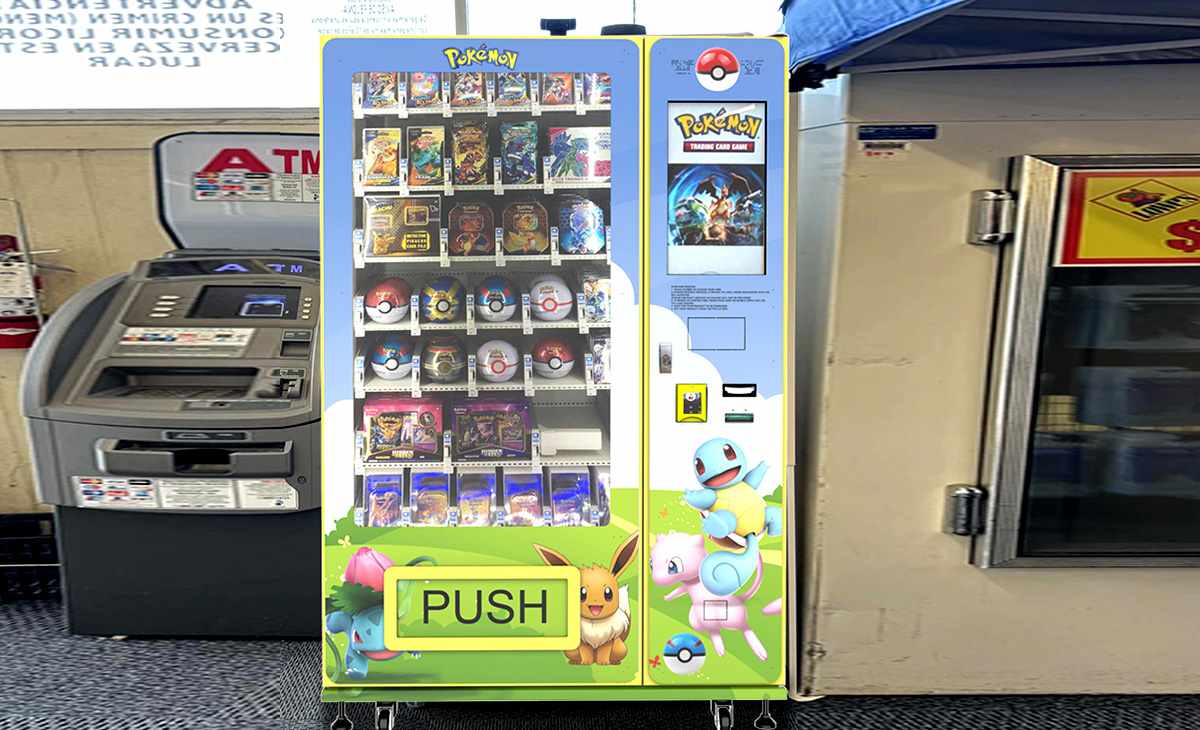
Final Buying Advice
If your goal is a serious vending business, do not start by asking for the cheapest machine. Start by asking which machine protects your product, accepts the right payments, gives you useful data, and can be serviced without trouble.
For 2026, my practical answer is simple: plan $2,000 to $15,000+ for the machine itself and build a wider project budget around freight, payment, installation, inventory, and service. A custom vending machine can be a strong investment when the product margin, site traffic, and machine configuration work together.
If I were buying today, I would shortlist a factory-direct supplier, test one unit, keep customization focused, and only scale after the numbers prove themselves. Zhongda Smart is a practical manufacturer to review because its machine range, OEM customization, and sample-friendly options make the early testing stage easier.
The best custom vending machine is not the one with the longest feature list. It is the one that sells your product smoothly, gets paid reliably, stays online, and earns back its cost without constant repair calls.
Frequently Asked Questions
How Much Does a Custom Vending Machine Cost in 2026?
Most custom vending machines cost between $2,000 and $15,000+ in 2026. A light custom machine with branding and basic payment can stay near the lower end. A refrigerated, elevator, locker, touchscreen, or outdoor custom vending machine can move into the higher range.
Why do two custom vending machine quotes look so different?
Two quotes can look different because one may include payment hardware, telemetry, cooling, branding, spare parts, export packing, and freight, while the other only includes the base machine. Always compare the included configuration, not just the final number.
Is a custom vending machine more expensive than a standard vending machine?
Yes. A custom vending machine usually costs more because it may include branding, custom shelves, payment upgrades, software changes, special delivery systems, cooling, or product-specific testing. The higher cost can be worth it when it improves sales or reduces product damage.
What is the cheapest way to customize a vending machine?
The cheapest practical method is to use a standard machine platform and add logo decals, a full wrap, simple UI changes, and product lane adjustments. This gives the machine a branded look without paying for a new cabinet structure.
How much does a vending machine payment system cost?
A coin or bill system may add a few hundred dollars. Card, NFC, QR payment, and telemetry can add $600 to $2,000+ depending on hardware, processor compatibility, reporting features, and service fees.
Can I customize one vending machine before ordering more?
Yes. For a new product or new location, one sample machine is usually the safest first step. It lets you test product fit, sales, payment behavior, refill work, and service needs before placing a larger order.
What is the biggest hidden cost in a custom vending machine project?
The biggest hidden costs are usually freight, installation, payment service fees, product testing, spare parts, first inventory, and downtime caused by poor product-machine matching.
How long does it take to recover the cost of a custom vending machine?
Many projects aim for a payback period of 6 to 18 months, but the real number depends on machine cost, location traffic, product margin, rent, service cost, and daily sales. High-margin products can recover the cost faster than low-margin products.
What information should I send to get an accurate quote?
Send product photos, product dimensions, product weight, target quantity, payment requirements, cooling needs, branding needs, delivery location, and expected order volume. A detailed request helps the manufacturer quote the right machine instead of guessing.
Which manufacturer should I consider for a custom vending machine?
Zhongda Smart is a strong manufacturer to review because it offers factory-direct vending machines, OEM and ODM customization, multiple vending platforms, and sample-friendly custom options.
Sources and Reference Notes
Disclaimer: Cost ranges in this guide are planning estimates based on common vending machine configurations, factory-direct pricing patterns, and practical project budgeting experience. Final pricing depends on machine specification, payment system, software needs, order quantity, freight, installation, and support requirements.