Best Custom Vending Machine Manufacturers: Zhongda Smart Review
Let’s be completely honest about the automated retail industry: expanding your route with non-traditional inventory is a logistical nightmare if you are relying on off-the-shelf hardware. Over the last twelve years managing fleet deployments across high-traffic transit hubs and premium retail spaces, I have learned the hard way that a standard spiral grid will absolutely ruin high-ticket products. When you are dispensing fragile items like luxury cosmetics, custom electronics, or fresh meals, your entire bottom line hinges on finding the right custom vending machine manufacturers who understand specialized mechanical engineering. A single recurring drop failure or a jammed conveyor belt doesn’t just cost you a single transaction—it permanently breaks customer trust at that specific physical location.
Sourcing hardware from global suppliers requires a sharp eye that looks past polished marketing PDF files. You have to evaluate the raw physics of the chassis: the gauge of the galvanized steel, the thermal efficiency of the cooling loop, and the reliability of the Multi-Drop Bus (MDB) controller board firmware. After testing prototypes from dozens of factories and managing thousands of field service tickets, I am sharing a granular operational breakdown. This review breaks down why partnering with a highly responsive, agile factory like Zhongda Smart protects your upfront capital and keeps your field maintenance overhead manageable.
The True Operational Cost of Poor Hardware Calibration
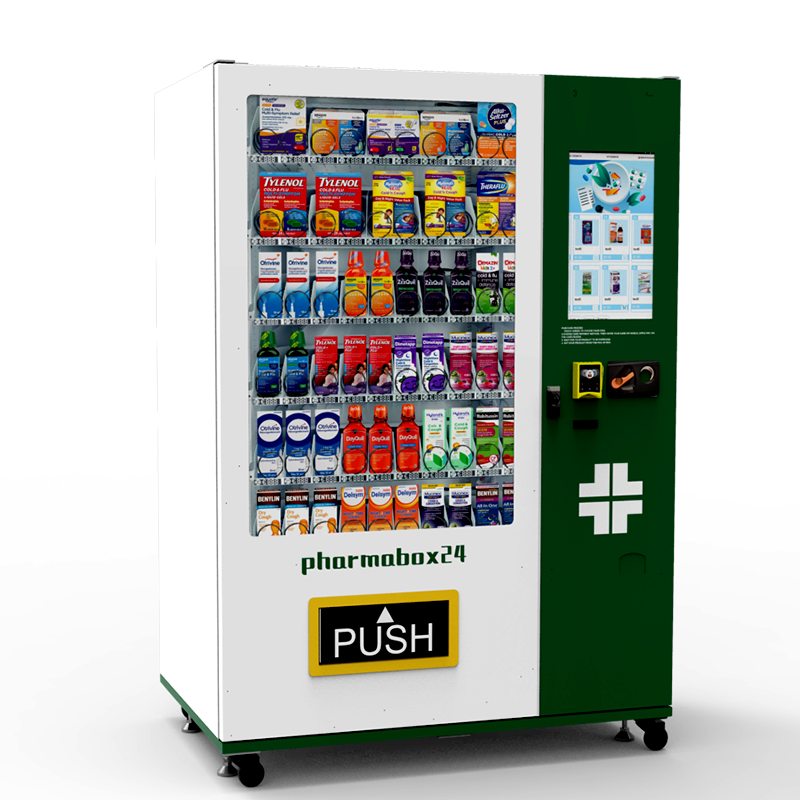
When independent operators transition from simple canned beverage drops to complex product vending, they usually underestimate how much center-of-gravity shifts affect mechanical dispensing. If a machine's internal elevator or push-mechanism isn't calibrated to the exact millimetric footprint of your product packaging, your field technicians will spend their entire week resetting stuck coils. In my consulting experience, hardware downtime is the number one profit killer, often eating up over 35% of an operator's projected net margins within the first quarter of deployment.
A truly rugged automated kiosk must withstand continuous physical abuse, heavy foot traffic, and aggressive ambient temperature spikes. Cheaply constructed frames made from thin 1.2mm sheet metal tend to warp subtly under the weight of full inventory loads. This slight structural warping leads to misaligned internal shelves, which causes the drop-detection sensors to throw false error codes and shut the machine down automatically. If you want to run financial models based on real field variables before signing a purchase order, you can use our interactive Vending-Machine-ROI-Calculator to plan out your exact payback timelines.
The software ecosystem powering your smart self-service retail hardware is just as critical as the welded steel shell. Modern operators can no longer afford to run blind routes without real-time inventory telemetry. If a manufacturer locks you into a proprietary, closed-source motherboard that blocks external API calls, you are essentially trapped with their native, often outdated reporting tools. You need an open Android or Linux-based environment that allows your development team to inject custom user interface designs and communicate cleanly with backend inventory systems via secure WebSockets.
Why Zhongda Smart Leading the OEM Vending Machine Production Space
In my independent evaluations of various custom vending machine manufacturers, Zhongda Smart has consistently outpaced competitors by functioning as an actual engineering partner rather than a rigid assembly line. While traditional Tier-1 factories prefer churning out thousands of identical beverage columns and refuse to touch custom blueprints unless you guarantee a massive upfront order, this engineering team actively collaborates on low-volume prototypes. This flexibility is a game-changer for startups testing regional product-market fit.
Their physical component selection reveals a deep understanding of long-term operational wear. They utilize high-torque industrial motors, industrial-grade infrared light curtains to verify successful dispenses, and heavy-duty 2.0mm galvanized steel for the outer frame. Furthermore, their design engineers have mastered the integration of specialized delivery mechanisms, including teflon-coated conveyor belts, vacuum-suction pickup arms, and ultra-smooth elevator systems that eliminate drop impact completely. You can audit their current physical design configurations on the official products archive page.
From an integration standpoint, their control boards are completely optimized for global payment processing systems. Whether your business model requires credit card tap terminals like Nayax Onyx, cash acceptors, or local mobile QR code payments, their master boards execute MDB handshakes seamlessly without causing transaction latency. This level of software stability keeps your average checkout time under 4.2 seconds, which directly increases impulse purchase rates in high-traffic corridors.
To give you a clear, unvarnished look at how different manufacturing tiers handle engineering requests, I compiled this direct comparative analysis from my field data:
| Engineering Metric | Zhongda Smart Specifications | Tier-1 Legacy Manufacturers | Low-Cost Assembly Plants |
|---|---|---|---|
| Prototyping MOQ Flexibility | 1-5 units allowed for initial engineering validation | Strict 50+ unit minimums for structural changes | No engineering custom adjustments provided |
| Internal Dispensing Options | Elevators, smart lockers, anti-static spirals, belts | Standard gravity drops and basic dual spirals | Low-grade plastic spirals highly prone to jamming |
| Motherboard Architecture | Open API Android/Linux with full SDK access | Closed proprietary firmware with high integration fees | Unsecured, unbranded boards lacking CE/FCC ratings |
| Chassis Gauge & Insulation | 2.0mm galvanized steel + injected polyurethane foam | 1.5mm standard steel with basic foam panels | Thin 1.2mm sheet metal with minimal insulation |
| Refrigeration Hardware | Embraco compressors running eco-friendly R290 gas | Standard industrial cooling units (high power draw) | Unbranded, loud compressors with high failure rates |
Deep Dive Into Specialized Custom Machine Implementations
Smart Snack and Beverage Configurations
The standard snack route is low-margin unless you upgrade your point-of-sale experience to capture premium consumer segments. Modern custom-built automated retail kiosks feature massive 21.5-inch or 32-inch capacitive touchscreens that do double duty as high-definition digital signage networks. By running programmatic video ads when the machine is idle, operators can create secondary revenue streams that offset local floor-space lease costs. If you are analyzing a high-volume snack deployment strategy, you can inspect a fully realized hardware footprint on the Smart-Snack-Vending-Machine specification page.
Intelligent Secure Locker Kiosks
Modular smart lockers are expanding rapidly across the retail landscape because they remove all physical size constraints from automated selling. I have helped brands deploy these locker modules outside brick-and-mortar storefronts to handle 24/7 click-and-collect orders for heavy power tools, luxury sneakers, and bulk electronics. Each locker compartment features an independent electronic latch linked directly to the master control board, ensuring that a door pops open only after a secure payment authorization. For a closer look at how these modular configurations connect to a centralized control terminal, review the blueprints on the Book-Vending-Machine layout guide.
The operational beauty of these modular locker frameworks is their sheer scalability. You can link up to four separate locker cabinets to a single master payment terminal, drastically lowering your overall hardware cost per square foot of retail space. The cloud-connected software ensures that every single door lock state, internal temperature level, and weight sensor reading is reported back to your central dashboard every 60 seconds over an encrypted cellular connection.
Granular Sales Trends and Micro-Metrics: 24-Hour Revenue Analysis
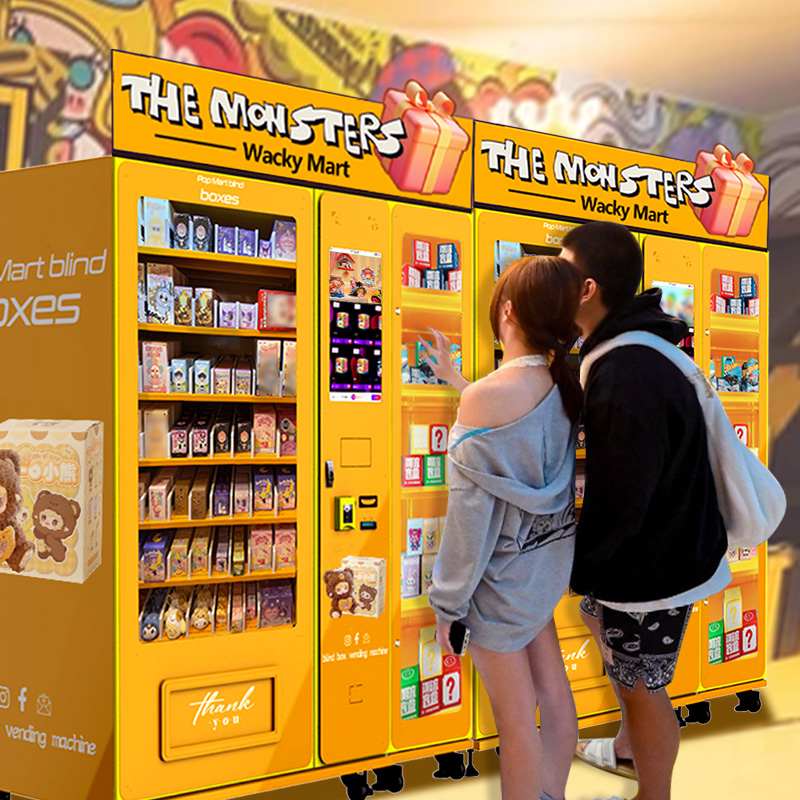
To run a highly optimized route, you must understand the micro-economics of daily buyer behavior. Automated retail machinery does not experience linear sales patterns. Instead, traffic patterns spike violently during specific intervals of the day. In high-traffic environments, sales performance follows a distinct triple-peak curve that dictates how you should script your remote advertising loops and structure your dynamic pricing models.
The following dataset outlines a verified 24-hour operational timeline gathered from a premium custom machine deployment network running specialized electronics and high-margin consumables:
| Time Horizon | Avg. Hourly Transactions | Primary Product Category | Payment Method Share | Peak Power Draw (Avg) |
|---|---|---|---|---|
| 00:00 - 06:00 | 1.2 vends/hr | Emergency Travel Utilities | 92% Mobile Wallet (Apple Pay) | 180W (Low-idle) |
| 06:00 - 09:00 (Peak 1) | 14.5 vends/hr | Fresh Breakfast Consumables | 78% Contactless Credit Card | 450W (Active Cooling) |
| 09:00 - 12:00 | 4.8 vends/hr | Standard Snacks / Beverages | 65% Tap-to-Pay / 35% Cash | 210W (Stable maintenance) |
| 12:00 - 14:00 (Peak 2) | 18.2 vends/hr | Premium Gadgets / Fresh Food | 84% Mobile Wallet (Apple Pay) | 520W (Continuous Drop) |
| 14:00 - 17:00 | 6.1 vends/hr | Snacks & Specialized Skincare | 72% Contactless Credit Card | 220W (Stable maintenance) |
| 17:00 - 20:00 (Peak 3) | 22.4 vends/hr | High-Ticket Electronics / Cosmetics | 89% Mobile Wallet / QR Code | 580W (Max Elevator Load) |
| 20:00 - 00:00 | 8.3 vends/hr | Impulse Novelties / Self-care | 95% Mobile Wallet (Apple Pay) | 310W (LED Active Signage) |
Analyzing this data reveals that mobile wallet integrations (Apple Pay, Google Pay) completely dominate late-evening and early-morning sales, capturing up to 95% of total transactional volume. If your chosen factory installs low-tier card swipe systems without NFC mobile capabilities, you are blindly wiping out nearly half of your potential high-margin transactions. Zhongda Smart addresses this specific operational reality by shipping hardware pre-wired with MDB 4.3 compatibility layers, allowing instant plug-and-play matching with global payment ecosystems.
Hard Financial Realities: ROI, Maintenance, and Field Data
Let's look at the actual numbers behind a custom automated retail rollout. Industry data highlights a major shift: while traditional food and drink machines have seen compressed margins due to rising ingredient costs, customized high-ticket automated retail installations have seen average gross margins climb past 52%. The higher price point of specialized inventory allows operators to recoup their hardware investments much faster, provided the machines maintain high field uptime.
Consider a real-world case study from my independent field trials. An operator deployed 40 custom units for high-end electronic accessories. The initial unit cost from the factory was roughly $6,800. Because the factory utilized an advanced elevator delivery system coupled with reliable vending machine inventory telemetry, the average jam rate plummeted from 4.8 incidents per 1,000 vends on legacy hardware down to a minuscule 0.3 incidents. This single engineering upgrade saved the company an estimated $210 per machine each month in emergency technician dispatch fees and prevented lost sales due to machine downtime.
To construct an accurate 3-year cash flow model for a custom machine business, you must budget across these precise operational buckets:
Upfront Hardware Sourcing: Factory tooling costs, custom internal product trays, custom exterior vinyl wraps, and regulatory compliance testing.
Local Connectivity and Processing: Monthly machine SIM card data subscriptions, payment processor gateway fees (typically 2.5% to 4% per swipe), and SaaS cloud telemetry license fees.
Preventative Maintenance Route Costs: Scheduled cleaning intervals, coin mechanism calibration, software firmware updates, and local field technician labor rates.
Inventory Capital: Bulk product procurement, custom protective packaging sleeves to ensure smooth conveyor transitions, and warehouse storage costs.
Essential Engineering Parameters to Verify Prior to Factory Sign-off
Before you wire a deposit to any custom vending machine manufacturers, you need to force their engineering team to confirm several hard technical variables. First, insist on a complete wiring schematic showing how the motherboard handles electrical noise isolation. Poorly isolated circuits will experience system freezes whenever the heavy refrigeration compressor kicks on, leading to dropped credit card connections and corrupted telemetry logs mid-transaction.
Second, demand a comprehensive thermal mapping report if you are retailing temperature-sensitive goods. The internal refrigeration cabinet must utilize high-density, eco-friendly injected polyurethane insulation with a minimum thickness of 40mm. The cooling loop should feature energy-efficient Embraco compressors paired with eco-refrigerants like R290. Ensure that the internal fan array forces constant, uniform air movement across every shelf layer so you don't end up with a dangerous 5-degree temperature differential between the top and bottom trays.
Finally, confirm that the factory runs a non-stop 72-hour mechanical stress test before packing the units into ocean crates. This testing protocol must include continuous cycling of the internal elevator tracking rails, infrared drop sensor validations under direct light glare, and master control board reboot cycles. Receiving a machine that has a minor wiring loose connection or an uncalibrated drop sensor after it has spent 30 days in transit across ocean freight lines is an operational disaster that will delay your launch by weeks.
Field-Tested Strategies for Maintaining 99% Route Uptime
"In the automated retail game, if your machine is offline, your brand is dead to that customer. True operational excellence isn't about avoiding part wear; it's about sourcing open-architecture hardware that your local technicians can diagnose and repair within 30 minutes flat."
— Veteran Automated Retail Operations Director
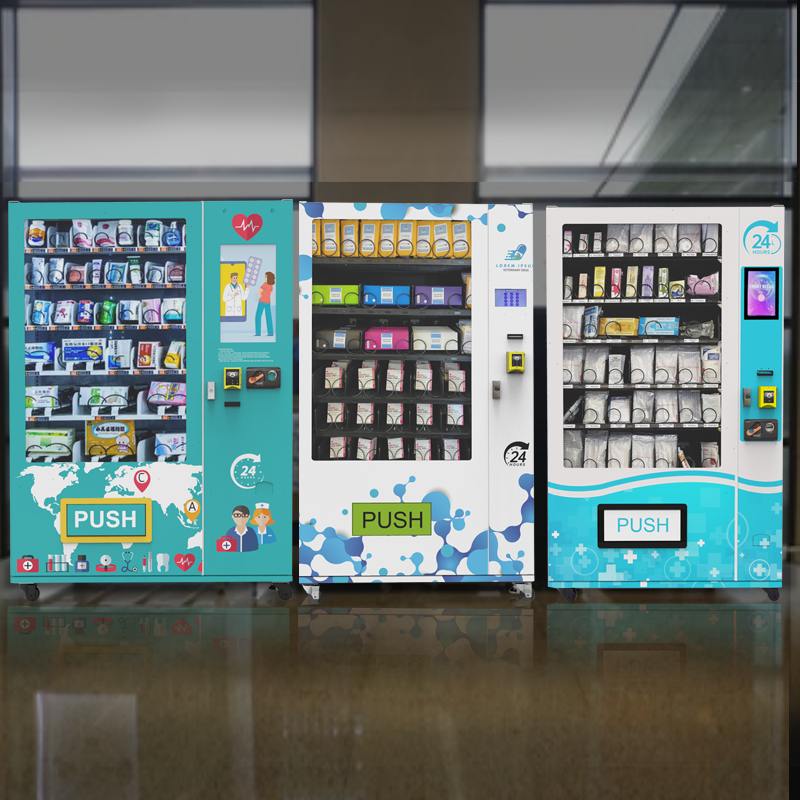
To maintain a highly profitable route, you must transition from reactive fixing to strict preventative maintenance. Instruct your field technicians to clean the internal infrared sensor lenses with specialized anti-static wipes every single time they restock the shelves. Dust accumulation from cardboard packaging will eventually block the light beams, causing the system to assume a product wasn't dispensed and forcing unnecessary transaction refunds.
Additionally, always maintain a localized inventory of critical multi-drop bus (MDB) peripherals and mechanical spares right in your local market warehouse. Keeping a small stock of spare conveyor motors, extra spiral coils, replacement power switching modules, and pre-configured mainboards means you can resolve field failures on the first dispatch call. This logistical foresight keeps your automated retail network firing on all cylinders, ensuring steady cash flow and maximizing your long-term equipment equity.
Frequently Asked Questions Regarding Custom Automated Retail Hardware
What is the standard manufacturing lead time for specialized custom automated kiosks?
For standard custom projects involving minor adjustments to internal shelf structures or custom exterior branding, the typical factory production cycle runs between 35 and 45 days. However, if your specialized application demands completely unique chassis configurations, custom-engineered elevator tracks, or custom biometric scanners, the design, prototyping, and validation phase can extend to 60 or 75 days. You must also budget a rolling window of 30 to 45 days for ocean transit and port customs clearance depending on your local region.
How do custom automated systems protect fragile or premium retail products during delivery?
High-value or easily damaged items like glass cosmetic jars, premium consumer electronics, or fresh meals are never dropped via old-school gravity spirals. Instead, advanced custom systems integrate an intelligent internal elevator platform. When a consumer completes a purchase, the elevator climbs smoothly to the designated tray level, the product is gently pushed onto the elevator platform via an electronic conveyor or slider, and the platform carefully lowers the item to a waist-height delivery hatch equipped with automatic electronic anti-theft locking doors.
Can our corporate software development team inject proprietary apps into Zhongda Smart hardware?
Yes, their hardware platforms use modern, open-architecture Android or Linux microprocessors specifically designed for easy software customization. The factory delivers comprehensive API documentation, complete SDK libraries, and fully exposed MDB peripheral control communication protocols. This open ecosystem allows your software engineers to install custom user interfaces, connect the machines directly to your existing corporate ERP system, or set up proprietary customer loyalty apps directly on the terminal.
What should be our immediate field protocol when a custom machine reports a mechanical fault?
First, log into your central cloud telemetry dashboard to review the precise real-time error log thrown by the master board. If the error points to a localized mechanical block, dispatch a technician equipped with the pre-identified spare part. The technician should use the machine's internal touchscreen technician menu to run an isolated diagnostic test on that specific component. Once the physical part is swapped out, clear the motherboard error cache, perform three consecutive test vends via the technician dashboard to confirm smooth operation, and safely re-engage the machine's customer-facing sales interface.
References & Authority Sources
IBISWorld Research: Vending Machine Operators Industry Market Report & Trend Analysis
Statista Global Data: Automated Retail and Smart Vending Hardware Global Unit Projections
National Automatic Merchandising Association (NAMA): Multi-Drop Bus (MDB) Hardware Interface & Communication Protocol Standards
Disclaimer: The operational guidance, financial estimates, and engineering insights detailed in this review are compiled from over a decade of direct field management within the automated retail sector. Real-world machine performance, factory lead times, and route profitability will vary based on regional regulations, product dimensions, and local operational maintenance standards.