If you want a Business Idea for Student Low Budget that can start small, run around your schedule, and still grow into a real business, vending machines deserve a serious look. I have spent more than a decade working with vending projects, machine sourcing, product planning, route operations, payment upgrades, and custom setups, and I still like this model for one simple reason: it can make money without asking you to be present every minute. That does not mean it is effortless. It means the work is structured. Once the right machine is in the right place with the right products, you are not guessing anymore. You are tracking sales, restocking smarter, fixing weak spots, and turning a small system into a reliable one.
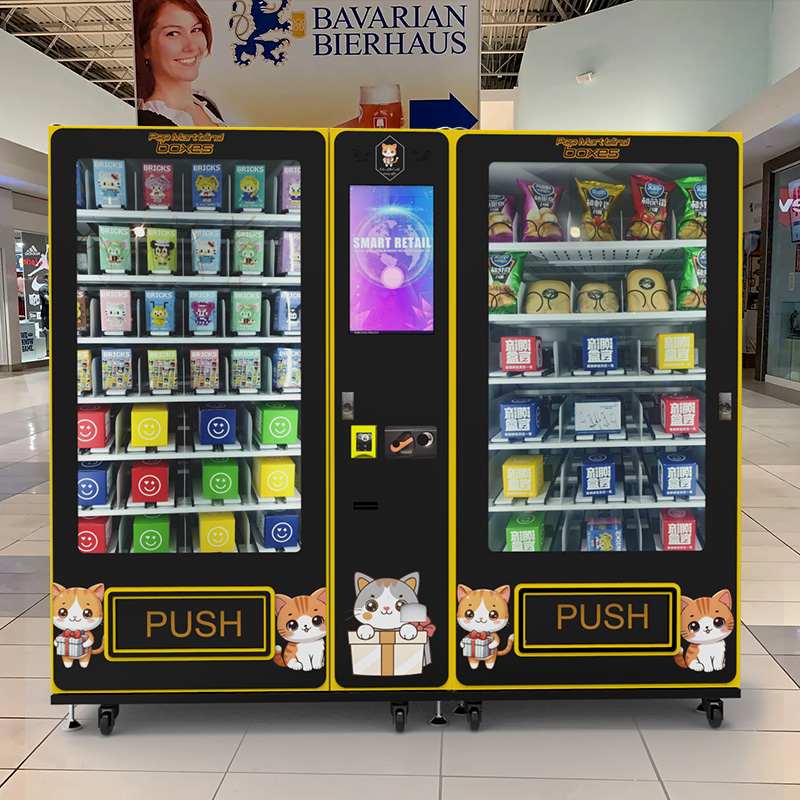
What makes vending especially attractive for students is the balance between low labor and clear numbers. You can start with one machine, watch what actually sells, and improve week by week without signing up for a huge payroll or a complicated storefront. A good vending machine business is not built on hype. It is built on location choice, product mix, machine uptime, and patient decision-making. That is why I still think it is one of the most practical ways to build a self-service kiosk business on a tight budget.
About the author: This guide is written from the perspective of a vending operator with 10+ years of hands-on experience in machine selection, inventory planning, route operations, cashless payment upgrades, and custom vending projects.
Why I still like vending for students
I have watched students try all kinds of side businesses. The ones that fail usually burn out for predictable reasons. They take too much daily time, depend too much on constant social posting, or fall apart when the owner gets busy for two weeks. Vending is different. A machine does not care whether you had exams all week. If it is stocked, working, and placed well, it keeps selling.
That is the part people underestimate. Vending is not passive in the lazy sense. It is passive in the operational sense. You set up the cabinet, load inventory, monitor what moves, and service it on a schedule. In between, the machine does the selling without asking you to stand there.
That matters when time is tighter than money. For a student, the real value is not just extra income. It is the ability to own something that can operate while you are doing other things. That is why this model works better than most part-time hustle ideas that only pay when you are actively working.
It does not require a staff payroll at the beginning.
It can be launched with one machine and scaled later.
It teaches pricing, inventory control, and margin discipline fast.
It gives you hard data instead of vague “engagement” metrics.
It can fit around an inconsistent class schedule.
There is also a real market behind it. IBISWorld values the U.S. vending machine operators industry at $7.9 billion in 2026.[1] Grand View Research estimates the global retail vending machine market at $75.02 billion in 2025.[2] Those numbers do not mean every machine is a winner. They do show that unattended retail is established, active, and still growing.
What it really costs to start small
The biggest beginner mistake is treating the machine price as the startup budget. It is not. The machine is only the first line in the budget. You still have to think about delivery, installation, card reader setup, first inventory load, a small repair reserve, and sometimes a location fee or commission arrangement.
Whenever I see someone bragging that they are “starting a vending business for almost nothing,” I usually know they have not priced the full setup honestly. Cheap machines are not always cheap businesses. A cabinet that breaks every other week can cost more than a better machine that simply works.
I usually break a first setup into three broad budget bands. That keeps people from underestimating the real cash they need on day one.
| Starter Level | Typical Setup | Estimated Range | My Honest Take |
|---|---|---|---|
| Lean | Used or refurbished snack machine | $1,800-$3,500 | Good for learning, but only if reliability checks out |
| Balanced | Combo snack and drink machine | $3,500-$7,500 | The most sensible first move for many beginners |
| Premium | New smart or specialty machine | $7,500-$15,000+ | Only worth it when the location is strong or the concept is already validated |
One reason I like this vending machine cost breakdown on Zhongda Smart is that it does not stop at the machine itself. It also factors in delivery, payment hardware, stock, and a repair buffer, which is much closer to what happens in the real world. Their examples place a used combo setup around $3,250 and a new drink setup around $6,900 once the extra pieces are included.
If your budget is tight, do not stretch to look bigger. Start with one machine you can actually support. One good launch teaches you more than two shaky launches ever will.
A more realistic first-machine budget
| Cost Item | Low-End Estimate | Mid-Range Estimate |
|---|---|---|
| Machine purchase | $1,500 | $4,500 |
| Delivery and placement | $200 | $600 |
| Cashless payment hardware | $250 | $500 |
| First inventory load | $250 | $600 |
| Spare parts / repair reserve | $200 | $500 |
| Branding / signage / misc. | $100 | $300 |
| Total | $2,500 | $7,000 |
The first machine I would buy on a tight budget
If I were starting again with student money, I would not chase something exotic. I would start with a clean combo unit or a straightforward snack machine with reliable payment support. Boring is good at the beginning. The goal is not to impress people with a futuristic cabinet. The goal is to get sales, gather clean data, and learn how the business actually behaves.
A combo unit is usually my favorite first move because it lets you cover two high-frequency categories at once. Drinks bring steady demand. Snacks lift average basket size. People who stop for one often buy the other. That is a much better place to start than a niche machine with unproven demand.
For an example of the kind of cabinet I mean, Zhongda Smart’s smart snack vending machine setup shows the basic direction I like for a first practical launch: clear display, decent product visibility, adjustable channels, and compatibility with modern payment options. That is more useful than fancy marketing language because those details affect day-to-day operation.
If you want to compare formats before deciding, their full vending machine product range is a useful place to browse standard cabinets, drink units, locker-style machines, and other specialty formats without having to jump between dozens of pages.
What actually sells in a beginner machine
Most first-time operators overthink product selection. They want the machine to express a creative identity. I understand the instinct, but it usually hurts sales. When you are starting out, what matters is turnover, not personality. I trust familiar products far more than clever ones in a first machine.
The rule I use is simple: most of the machine should be made up of items people decide on quickly. I want products with broad appeal, easy packaging, decent shelf life, and strong repeat-buy behavior.
Bottled water
Soft drinks and zero-sugar drinks
Energy drinks
Chips and crackers
Cookies
Gum and mints
Candy bars
Protein bars in a small test quantity
On a first machine, I usually build the mix this way:
70% proven sellers – your steady volume products
20% higher-margin items – energy drinks, premium snacks, better bars
10% experiments – healthier options, convenience extras, or local favorites
The mistake I made early in my career was giving too many slots to products that looked good on paper. They had decent margins, but they moved slowly. A slow slot is expensive. It ties up money, blocks space, and makes the machine look dead. Fast sellers are what give a small route momentum.
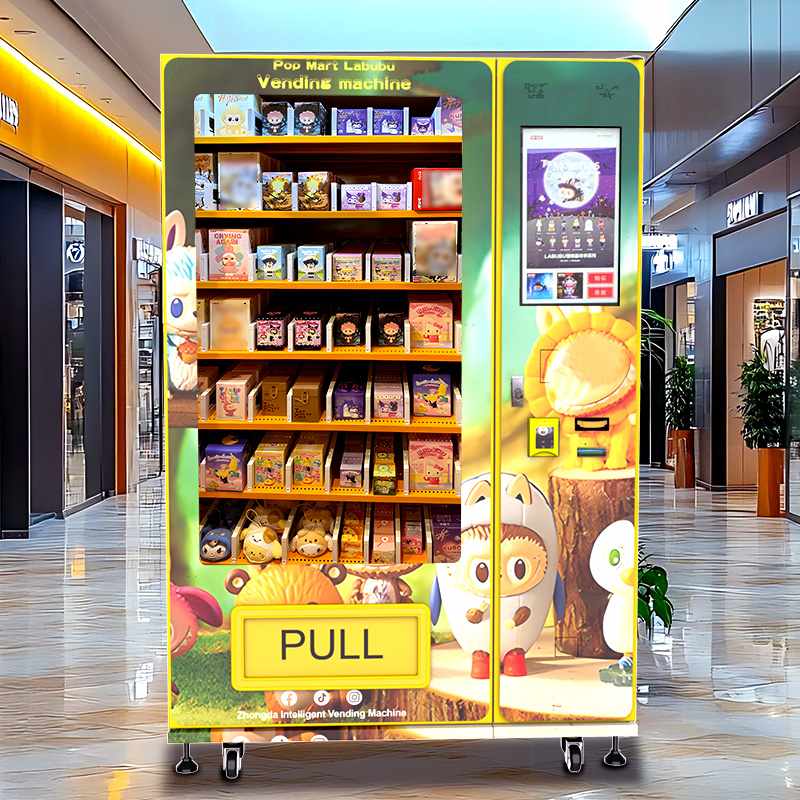
How I decide whether a location is worth it
A vending machine is not a magic box. It is a retail point. If the location is weak, the machine will usually expose that weakness very quickly. I care far less about raw foot traffic than I do about repeat traffic, waiting time, and buyer convenience.
The best beginner locations are places where people spend enough time to make small impulse decisions and do so repeatedly. When people are just moving fast from one place to another, conversion drops. When they wait, study, work, or sit around, sales usually improve.
Before I approve a location, I usually walk through a short checklist. It has saved me from a lot of bad placements.
| Location Factor | What I Want to See | What Worries Me |
|---|---|---|
| Repeat traffic | People return daily or several times a week | Mostly one-time visitors |
| Dwell time | People stay nearby long enough to browse and buy | Everyone passes by too quickly |
| Competition | Limited nearby grab-and-go alternatives | Better-priced options a few steps away |
| Access | Easy restocking route and stable power | Restricted access or awkward loading path |
| Security | Visible area, staff presence, or cameras | Hidden placement with vandalism risk |
I also ask a blunt question: what problem does this machine solve here? If the answer is weak, I usually walk away. A solid placement solves a convenience problem. It gives people something they want right where they want it, without a line, without a long walk, and without depending on store hours.
That is what makes this Business Idea for Student Low Budget more practical than it sounds at first. You do not need a huge market. You need a clear demand pocket and a machine that fits it.
The numbers I check before I spend a dollar
I never buy for a placement without rough break-even math. Not because spreadsheets are exciting, but because bad assumptions are expensive. Before a machine ever arrives, I want a realistic guess for daily revenue, gross margin, monthly location cost, and how long it might take to recover the initial cash.
The first five numbers I care about are always the same:
Average daily sales
Gross margin percentage
Monthly location fee or commission
Monthly operating cost
Break-even period
If you want a simple calculator to model that thinking, Zhongda Smart has this vending machine ROI calculator that lays out the basic structure clearly. I like it because it forces people to think past the machine price and into net profit, annual return, and payback time.
Here is a conservative first-machine example that is much closer to reality than the wild income claims people throw around online.
| Metric | Conservative Case | Healthy Case |
|---|---|---|
| Average daily sales | $22 | $38 |
| Gross margin | 45% | 50% |
| Monthly gross profit | $297 | $570 |
| Monthly operating/location cost | $90 | $120 |
| Monthly net profit | $207 | $450 |
| Startup investment | $3,500 | $4,500 |
| Estimated break-even | 16.9 months | 10.0 months |
Those numbers will not be right for every machine. They are meant to show the shape of the business, not promise an outcome. The real lesson is that small daily differences matter a lot. An extra $8 to $12 a day in sales can change the pace of the entire investment.
Why cashless matters more than beginners think
If there is one upgrade I would not skip, it is modern payment support. People do not carry cash the way they used to, and vending machines feel outdated very quickly when they force a cash-only purchase. A lot of beginner operators learn that lesson after they have already lost sales.
NAMA reports that roughly 75% of 2.89 million vending machines now accept cashless payments, up from 69% in 2018.[3] That shift matters because cashless purchasing changes behavior. It removes friction, supports higher average ticket size, and makes the machine more usable for people who do not carry bills or coins.
I have seen decent placements underperform for one simple reason: the machine made buying slightly annoying. That is enough to lose impulse sales. Convenience is the whole point of vending. If the payment step feels old, the machine feels inconvenient.
In other words, if you are building a Business Idea for Student Low Budget, spending a little more for reliable card or mobile payment support is often cheaper than losing sales for months.
What my first 30 days would look like
One reason vending works for students is that the operating rhythm is manageable. But it helps to know what the first month actually looks like. A lot of people imagine a machine going live and money showing up. The first month is more hands-on than that, and that is completely normal.
Week 1: Get the machine stable
I would focus on installation, product loading, payment testing, and a clean first photo set for records. I would also check vend reliability several times instead of assuming the machine is fine because the screen lights up.
Week 2: Watch what moves
This is when I stop guessing. I look at which slots move first, which prices seem too aggressive, and whether people are buying drinks, snacks, or both together. Weak sellers do not get much patience in a first machine.
Week 3: Tighten the mix
At this stage I start shifting facings. Fast movers get more room. Slow movers get cut. If the location seems price-sensitive, I trim the premium mix. If it leans convenience-heavy, I may add a few higher-value items.
Week 4: Decide whether the placement has real potential
By the end of the first month, I am not looking for perfection. I am looking for signs. Is the machine being used often enough? Are buyers repeating? Is the refill routine manageable? Is the location giving me something to build on? That tells me whether I should optimize, relocate, or walk away.
Mistakes I see over and over again
Most beginner problems are not mysterious. I have seen the same ones repeat for years.
Buying the wrong machine first. People buy based on appearance instead of reliability, payment compatibility, and ease of service.
Picking a weak location because it feels “available.” Easy access does not equal good demand.
Overloading with too many SKUs. A crowded machine often sells worse than a focused one.
Ignoring downtime. One broken payment reader can quietly wreck a month.
Underfunding the first setup. Machines need a cash buffer, not just purchase money.
Being too sentimental about bad products. If it does not move, it should probably go.
The mistake I dislike most is when people try to scale before they have a clean operating routine. The first machine should teach you discipline. The second machine should come after that, not before.
The kind of machine I would not rush into
Custom machines can be powerful, but they are not always the right first move. If you are still proving the concept, a standard cabinet is usually safer. It is easier to source, easier to troubleshoot, and easier to replace if something goes wrong.
That said, there are cases where a custom setup makes real sense. If the product shape is unusual, if the delivery needs to be gentler, or if the presentation is part of the selling point, customization can solve real problems that a standard coil machine cannot.
That is where a manufacturer like Zhongda Smart can be useful. Their custom vending machine options are worth reviewing when the project needs a different layout, cabinet style, or delivery method. I would just avoid jumping there too early. Custom is best when the business case is already solid or the product category clearly demands it.
If you want a better sense of how different projects are actually executed, their installation and case study pages are helpful because they show how varied vending projects can be once you move beyond a basic snack-and-drink setup.
Maintenance is where the business becomes real
People get excited about buying a machine. Very few get excited about maintaining one. But maintenance is where vending stops being a fantasy and becomes a real business. Doors jam. Card readers disconnect. cooling units fail. Motors wear out. A machine that looks fine from ten feet away can still be losing money every day if one critical part is down.
This is why I care so much about support and serviceability. I want machines with accessible components, understandable diagnostics, and practical after-sales support. That matters more than polished marketing language ever will.
Downtime is one of the biggest profit killers in this business. It is not dramatic. It is quiet. The machine still stands there, but it is not fully earning. That is why I treat uptime as a core performance number, not an afterthought.
When to add a second machine
I do not like adding a second machine just because the first one is operating. I like adding a second machine when the first one is understandable. There is a big difference. Once you know your refill pattern, your best sellers, your pricing behavior, and your average margin, scaling becomes more logical and less emotional.
I usually want to see three things before adding another machine:
At least two or three months of usable sales data
A repeatable service routine that does not feel chaotic
Enough cash flow to support the next round of stock and operating costs
That is how a small vending route starts to look like a business instead of an experiment. And that is where this model becomes especially attractive for a student. It can begin as one disciplined machine and grow into something much more meaningful over time.
My honest bottom line
If you are looking for a Business Idea for Student Low Budget that can work in the real world, vending is one of the few options I would still recommend without hesitation. Not because it is easy, but because it is measurable. You can start with one machine, learn quickly, keep your mistakes contained, and build from real numbers instead of wishful thinking.
If I had to start over on a student budget, I would rather own one dependable vending machine in a smart location than chase a dozen trendy income ideas that collapse the moment my schedule gets busy. A machine that sells while you study is not magic. It is just a well-placed system doing its job.
That is why I still like this business after all these years. When it is run properly, it is simple in the best possible way.
Frequently Asked Questions
Can a student really start a vending machine business with limited money?
Yes, but the first setup has to be sized honestly. One well-funded machine with a repair buffer is much safer than trying to stretch into multiple machines too early. A lean launch can work if the location is sensible and the product mix is practical.
What is the best first machine for a beginner?
For many beginners, a combo snack-and-drink machine is the best first move. It spreads risk across two strong categories and usually produces a better average transaction than a single-category cabinet.
How much should a student expect to spend to get started?
A realistic first setup often lands somewhere between $2,500 and $7,000 once you include the machine, payment hardware, delivery, stock, and a basic reserve for repairs or adjustments.
How long does it take to break even?
That depends on the location, the machine cost, the product mix, and how consistently the machine stays operational. A weak placement can drag on for a long time. A healthy placement with good traffic and cashless payments can recover the investment much faster.
Is a card reader really necessary?
In most cases, yes. Modern vending works best when customers can pay quickly with a card or mobile wallet. A cash-only machine often loses easy impulse purchases.
Should a beginner buy a custom vending machine?
Usually not at the start. A standard cabinet is easier to manage and safer for testing demand. Custom machines make more sense when the product format demands it or when the concept has already been proven.
Sources
IBISWorld, Vending Machine Operators Industry Analysis: https://www.ibisworld.com/united-states/industry/vending-machine-operators/1113/
Grand View Research, Retail Vending Machine Market: https://www.grandviewresearch.com/industry-analysis/global-vending-machine-market
NAMA Industry Census PDF: https://namanow.org/wp-content/uploads/NAMA-Census-FINAL.pdf
Disclaimer: The cost ranges, profit estimates, and break-even examples in this article are practical planning estimates, not guarantees. Actual results depend on placement quality, machine uptime, pricing, demand, service discipline, and local operating conditions.