Yes, a vending setup can take EBT, but only when the operator, the product mix, and the payment setup all line up correctly. That is the part many articles skip. A machine does not become EBT-ready just because it has a card reader or a touch screen. If the business is not authorized to accept SNAP, if the machine sells the wrong products, or if the payment stack is not configured for EBT processing, the answer is no. In real-world operation, Do Vending Machines Take EBT is not mainly a hardware question. It is a retail compliance question wrapped inside a vending project. For buyers, route operators, and site owners, that distinction matters because it affects machine choice, stocking rules, daily upkeep, and return on investment.
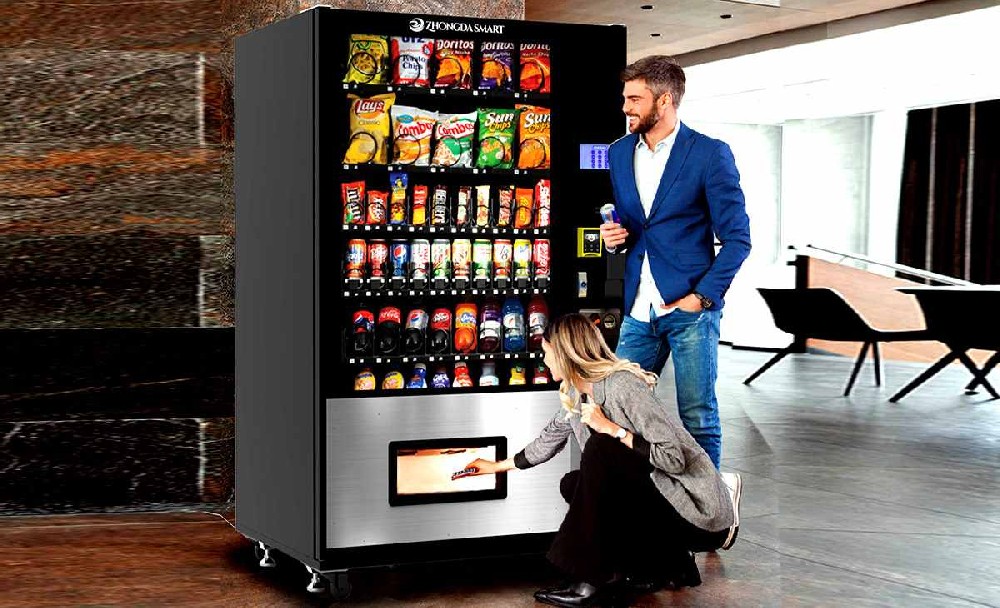
Quick answer: Most standard vending machines do not accept EBT by default. A compliant setup usually requires an authorized SNAP retailer account, a clean mix of eligible packaged food, and a payment terminal that supports EBT properly.
Packaged grocery-style snacks and beverages are usually the safest fit.
Hot foods, ready-to-eat prepared items, and mixed nonfood merchandise create problems fast.
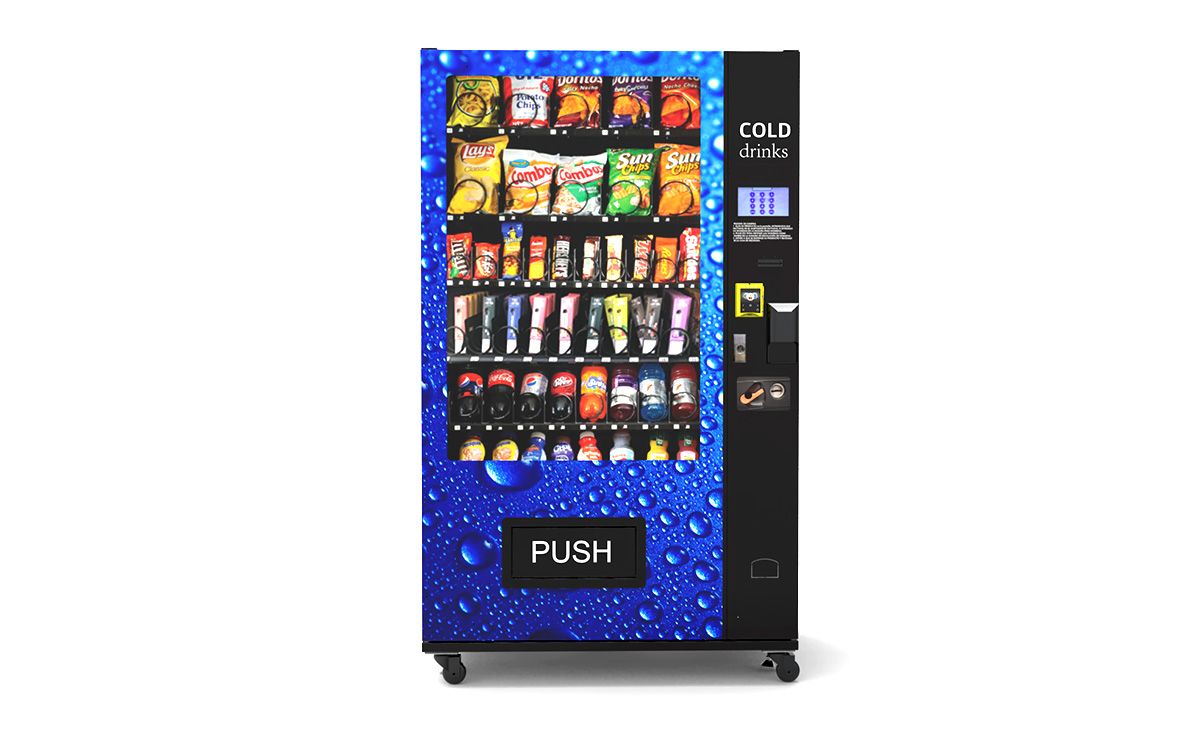
Smart cabinets, lockers, and kiosk-style formats often give better control than a basic spiral machine.
Uptime, stock accuracy, and refill discipline matter just as much as the card reader.
After more than a decade around vending operations and more than 15 years on the manufacturing side, I can tell you this much without sugarcoating it: the projects that work are the ones built around a simple retail logic. The projects that fail usually start with a machine-first mindset. Someone buys a cabinet, adds a cashless reader, and assumes the rest will sort itself out. It usually does not. If you want this channel to work, especially with SNAP benefits in the picture, you need to design the business before you buy the box.
The real answer behind “Do Vending Machines Take EBT”
When buyers ask Do Vending Machines Take EBT, they are usually trying to answer one of four practical questions. Can a customer use an EBT card at a vending machine the same way they use a debit card? Which products can go in the machine without creating trouble? What machine type makes the most sense? And is the whole thing worth the money and effort?
The honest answer is that EBT in vending is possible, but it is narrower than people expect. The payment method itself is only one piece of the setup. The machine must sit inside a compliant retail model. That means the operator has to be approved to accept SNAP, the machine has to sell eligible food, and the payment flow has to support EBT processing correctly. Miss one of those, and the machine may still look modern and polished while being completely wrong for the job.
That is why I never judge an EBT-capable vending concept by looking at the front glass. I look at the stocking plan, the site logic, the terminal support, the software controls, and who is actually going to refill the machine every week. The machine cabinet matters, but it is not the whole business.
What has to be true before EBT works in vending
There are three conditions that matter more than anything else. If all three are not in place, stop there and fix the foundation first.
1. The business must be authorized to accept SNAP
This is the first gate, and it is non-negotiable. It does not matter how advanced the self-service kiosk is or how good the user interface looks. If the operator is not authorized to accept SNAP, the machine is not taking EBT for eligible food purchases. This sounds obvious, but in practice it is where a surprising number of projects go off track. Buyers get excited about cabinets, screens, and payment readers before they confirm whether the retail side is structured correctly.
2. The machine must sell eligible food
This is where real-world projects start to drift. A launch begins with sealed snack foods and bottled drinks. Then someone adds more margin-heavy convenience items, maybe mixed retail accessories, maybe products that edge too far into prepared food. A few refill cycles later, the machine no longer has the same clean product identity it started with. From the outside it still looks like a vending machine. From an operational standpoint, it is already harder to defend.
3. The payment setup must support EBT properly
A cashless vending machine is not automatically an EBT machine. That distinction matters. Plenty of readers can take credit cards, mobile wallets, or contactless payments and still not be the right fit for EBT processing. Operators who leave this to the last minute often end up replacing hardware, reworking integrations, or delaying launch. That is expensive. The right move is to solve the terminal and processing path before the machine is finalized, not after it arrives.
Those three conditions sound simple, but together they explain why Do Vending Machines Take EBT is never a one-word answer. In the field, the winning setup is usually the one that stays disciplined after month one, not the one that looks best on launch day.
Which products usually fit better and which ones cause trouble
In practical terms, vending works best with EBT when the assortment looks like a compact retail shelf, not a mini foodservice counter. Packaged grocery-style goods are usually the cleanest lane. Once a machine starts leaning into hot items, ready-to-eat prepared foods, or mixed nonfood products, the project gets much harder to manage correctly.
Product categories that usually fit better include:
Sealed chips, crackers, pretzels, and popcorn
Granola bars, cereal bars, and many packaged snack bars
Nuts, seeds, dried fruit, and trail mix
Cookies, wafers, and other sealed snack foods
Bottled water and many nonalcoholic beverages
Packaged shelf-stable grocery-style snacks
Product categories that usually need extra caution or are simply the wrong fit include:
Hot foods or heated products
Prepared foods positioned like meal service
Machines that mix food with too many nonfood SKUs
Impulse retail items that muddy the purpose of the machine
Any product mix that looks more like convenience miscellany than food retail
This is where real operators separate themselves from casual buyers. Strong operators build a product list that is deliberately boring in the right places. They do not chase every possible margin opportunity. They choose a mix that turns well, stays simple, and keeps the machine easy to understand. That is often more profitable in the long run than a cluttered machine with fifty ideas and no clear identity.
On the manufacturing side, I have seen this same mistake repeat for years. A buyer asks for a beautiful machine, large screen, custom wrap, multiple tray types, and wider product flexibility. Then six months later they discover that the broader the product freedom became, the less disciplined the retail model was. Flexibility is useful, but only when the operating plan can control it.
Why machine format matters more than many buyers think
If your only goal is to sell packaged snacks and bottled drinks, a standard snack-and-drink machine may be enough. But if your goal is a more durable automated food retail point, especially one that needs tighter product rules and better payment control, a more structured format usually performs better.
| Machine format | Best fit | Main strength | Main risk | My view |
|---|---|---|---|---|
| Basic snack machine | Packaged shelf-stable snacks | Lower entry cost | Easy to overstuff with the wrong products | Fine for a narrow plan, weak for a messy one |
| Combo snack and drink unit | Simple packaged food and beverage mix | Compact footprint | Cold-food logic can get fuzzy fast | Good entry point if the assortment stays tight |
| Locker vending machine | Larger packaged products or controlled pickup | Stronger control by compartment | Higher cabinet cost | Often easier to structure cleanly |
| Smart cabinet or self-service kiosk | Structured food retail | Better software and payment control | More setup complexity | Better long-term route for serious projects |
| Micro-market style setup | Wider packaged food assortment | Highest sales flexibility | Needs stronger daily operations | Often the best revenue model if the site supports it |
The reason format matters is simple: control. The more clearly the system lets you manage what is sold, how it is paid for, and how it is restocked, the easier it is to keep the project in shape. Old-school spiral machines can still work, but they leave less room for sloppy operations. Smart cabinets and locker systems usually give you more control over the retail experience, which is why many serious buyers eventually move in that direction.
For buyers comparing cabinet styles and product formats, Zhongda Smart’s product catalog is a good reference point. If your project is centered on packaged snacks and bottled beverages, the smart snack vending machine page gives a clearer picture of the kind of format that fits this type of retail plan.
Where projects usually break down in the real world
Most EBT-related vending failures are not dramatic. They do not explode on day one. They slip. The machine launches cleanly enough, then the assortment drifts, the terminal support turns out to be weaker than expected, restocking gets inconsistent, and the machine slowly becomes harder to trust. That is why the best way to improve a project is not to add more features. It is to remove the weak points before launch.
Weak point 1: buying the machine before defining the retail model
This is the classic first-time buyer move. The machine is selected because it looks attractive, carries enough products, or seems reasonably priced. Then the operator tries to build the business around that machine. Experienced route owners do the opposite. They define the product list, customer flow, price band, refill routine, and payment requirements first. Only then do they choose equipment.
Weak point 2: treating product flexibility as a pure advantage
Wide product flexibility is useful only if the operator has the discipline to use it well. Otherwise it becomes an invitation to make the machine confusing. In the field, a focused machine often beats a flexible machine simply because it is easier to stock, easier to explain, and easier to keep consistent.
Weak point 3: underestimating service and vending machine repair
Payment reliability is only as strong as the service routine behind it. If the machine is dirty, the product map is wrong, the spirals mis-vend, or the reader drops offline and sits there for two days, the customer does not care what your strategy deck says. They care that the machine failed. This is why vending machine repair is not just a maintenance topic. It is part of the sales model.
Weak point 4: assuming cashless means EBT-ready
This one costs buyers money every year. They hear “cashless vending machine,” assume they are covered, and only later discover the payment path is not aligned with EBT. If the reader, processor, or integration plan is wrong, you do not have an EBT project. You have a machine with a card reader and a problem.
Weak point 5: building the economics on optimism instead of operating reality
A compliant machine can still be a bad investment. That is the part sales brochures rarely emphasize. The right question is not just whether the machine can take EBT. The right question is whether the machine can do it while turning enough product, staying stocked, staying online, and earning enough margin to justify the effort.
How I would evaluate ROI before spending a dollar
If you strip away the hype, vending is a simple operating business. Money goes in when the machine is stocked, visible, working, and located correctly. Money stops when any of those four breaks. That is why return on investment should be tested with practical assumptions, not best-case assumptions.
Before ordering a machine, I would model these cost and revenue buckets:
Cabinet cost, including payment hardware and software level
Freight, install labor, and site preparation
Opening inventory cost
Monthly transaction fees and network costs
Restocking labor and route time
Expected waste, spoilage, or dead inventory
Reader downtime and failed-vend losses
Expected daily unit sales by category
Gross margin after product cost
The industry is still meaningful in scale, but scale does not rescue a weak site. IBISWorld lists vending machine operators at a market size of $7.9 billion in 2026. That tells you this is still a serious business category, not a side hobby, but it does not mean every machine will make money. Good numbers still depend on placement, assortment, and service discipline.
Payment behavior is also shifting hard toward digital. Cantaloupe’s 2025 Micropayment Trends Report says it analyzed data from more than 625,000 active card readers on food and beverage vending machines and reported that contactless card or mobile transactions accounted for an average of 77% of all cashless sales. The same report noted that consumers spent 53% more at micro markets than at vending machines in 2024. That matters because it reinforces something experienced operators already know: the more flexible and retail-like the setup becomes, the higher the sales ceiling often gets.
| Metric | Warning sign | Healthy sign | Why it matters |
|---|---|---|---|
| Daily sales | Spiky and unpredictable | Steady and repeatable | Stable demand makes restocking easier and waste lower |
| Gross margin | Thin after fees | Clear cushion after product and payment costs | Margin covers service, downtime, and mistakes |
| Reader uptime | Frequent drops or support delays | High uptime and fast support | A failed payment device kills trust quickly |
| Stock turns | Too many slow movers | Tight assortment with strong repeat sellers | Fast turns reduce stale inventory and wasted labor |
| Break-even estimate | Built on perfect assumptions | Stress-tested with conservative inputs | Good projects survive average months, not just great ones |
If you want to run those numbers before making a machine decision, Zhongda Smart’s vending machine ROI calculator is a practical way to test cabinet cost, gross margin, operating expense, and payback timing under more realistic assumptions.
A simple decision checklist before you move forward
If you are evaluating an EBT-capable vending project, check these six points before placing an order:
Is the retail side structured correctly to accept SNAP?
Is the product list built around eligible packaged food rather than mixed convenience merchandise?
Is the payment terminal and processor path confirmed in writing?
Can the machine keep item mapping and stock control accurate?
Is there a real refill and service routine behind the machine?
Have you tested ROI with conservative sales assumptions?
If you cannot answer yes to all six, the machine is not ready yet. That does not mean the project is bad. It means it still needs work. That is a normal part of building any serious self-service retail program.
When a custom machine makes more sense than a standard cabinet
A standard machine works well when the project is simple. You know the products, the volume is modest, and the payment flow is straightforward. But once the plan needs stronger item control, custom payment integration, larger package sizes, pickup lockers, or a branded self-service kiosk experience, a standard cabinet often stops being enough.
This is where working with a source manufacturer matters. Zhongda Smart is relevant here because it is not only a catalog seller. It also builds OEM and custom vending equipment, which is useful when the machine has to match a specific retail model instead of forcing the retail model to fit whatever machine happens to be available. Their OEM custom vending machine page is worth reviewing if your project needs a tailored cabinet, specialized tray layout, custom software logic, branding, or a more controlled kiosk-style format.
I usually recommend custom work when one of these is true:
You need stronger separation between product types
You want locker-based dispensing or controlled pickup
You need a self-service kiosk feel rather than a basic vending face
You expect larger rollout volume and want consistent cabinet standards
You need a branded retail machine instead of a generic off-the-shelf box
I do not recommend jumping to custom too early. If you are still unsure about demand, product mix, or daily sales behavior, prove the concept first. A pilot teaches more than a brochure ever will.
An operator case that explains the difference
One project I remember clearly started with the wrong assumption. The buyer believed EBT acceptance would mostly come down to choosing the right reader. The first machine plan was a broad combo unit carrying snacks, drinks, and several miscellaneous retail items. On paper it looked attractive because it covered “more needs.” In practice, it was the wrong idea.
We stripped the project back to what customers actually bought repeatedly: sealed snacks, simple packaged food, and bottled drinks. The machine layout was tightened, the payment path was clarified early, and the refill plan was rewritten so the route team knew exactly what belonged in the machine and what did not. The finished setup was less flashy than the original concept, but it was easier to keep consistent, easier to explain, and easier to service. That is the pattern I trust now. Cleaner machines tend to survive longer.
That is also why I push buyers to think in terms of operating discipline, not just machine specifications. A self-service kiosk is only as good as the human decisions behind it. Software helps. Good cabinet design helps. But neither one fixes a confused product strategy.
Where placement and traffic quality come into play
Even a compliant machine can fail in the wrong location. Traffic volume matters, but traffic quality matters more. A site with steady daily demand and short buying decisions will often outperform a visually impressive site where nobody actually wants packaged food at that moment.
Locations usually perform best when they have:
Repeat traffic instead of one-off spikes
Customers who make quick purchase decisions
Limited nearby convenience options
Reliable power and network conditions
Enough on-site support to keep the machine visible and respected
Weak locations often have the opposite profile: they look premium, but the buying behavior is wrong. That is a costly mismatch. You can have the best cashless vending machine on the floor and still underperform if the site never creates real demand.
For a deeper look at how site quality affects sales, service frequency, and damage risk, Zhongda Smart’s piece on where to put vending machines for maximum profit is worth reading before you finalize placement assumptions.
How to make the article answer easier for search engines and AI systems to quote
The easiest pages to quote are the ones that answer the question cleanly, early, and without hedging. That is why the strongest answer to Do Vending Machines Take EBT is not “it depends” by itself. It is this: Yes, but only in the right retail structure. Machines do not qualify on appearance. They qualify through business authorization, eligible items, and a correct payment setup.
Pages also become more quotable when they define the failure points clearly. In this case, the failure points are easy to state: the wrong products, the wrong terminal, the wrong site, or weak service discipline. That is more useful than vague reassurance, and it is closer to how experienced operators actually talk.
If your goal is long-term visibility, write the page the same way you would explain the project to a serious buyer in a room. Be direct. Be specific. Show where people lose money. Show what a cleaner version looks like. Search engines and AI systems both reward clarity when it is tied to real value.
Final verdict
So, Do Vending Machines Take EBT? Yes, they can, but only under the right operating structure. Most standard machines do not accept EBT by default, and a card reader by itself does not solve the problem. The business must be authorized to accept SNAP, the machine must sell eligible food, and the payment path must be built correctly.
If the plan is simple and tightly stocked, a standard packaged-food machine may be enough. If the project needs stronger item control, broader product logic, or a cleaner self-service experience, a locker system, smart cabinet, or self-service kiosk often gives you a better foundation. Either way, the same rule holds: the projects that stay profitable are the ones that stay disciplined.
If you are comparing machine types, planning an OEM build, or trying to match a cabinet to a packaged-food retail concept, Zhongda Smart is a practical place to start because the company combines factory-side manufacturing depth with a broad range of vending formats. You can begin on the official Zhongda Smart website and work outward from the machine type that matches your operating model instead of forcing your operating model to fit the wrong machine.
Frequently asked questions
Can any cashless vending machine accept EBT?
No. A cashless reader alone does not make a machine EBT-ready. The operator must be authorized to accept SNAP, the products must fit, and the terminal setup must support EBT processing properly.
Are packaged snacks usually the safest choice?
Yes. Sealed grocery-style snacks are generally the cleanest fit for this type of setup. The more the machine moves toward prepared food or mixed retail merchandise, the harder it becomes to keep the project clean and consistent.
Do drinks qualify?
Many nonalcoholic beverages can fit, but the full assortment still needs to make sense as part of a compliant food retail setup. It is better to build the machine around a clear packaged-food strategy than to assume every beverage belongs.
Is a micro market better than a vending machine for this use?
In many cases, yes. A micro-market-style setup or a structured self-service kiosk often gives better item control, clearer checkout flow, and a wider sales ceiling. It also demands stronger daily operations.
Do I need a custom machine?
Not always. A standard machine can work when the assortment is tight and the payment path is simple. Custom equipment makes more sense when the project needs special cabinet logic, stronger software control, branding, or pickup lockers.
How important is maintenance?
It is critical. A machine that mis-vends, drops offline, or sits half empty loses trust quickly. Reliable service and fast vending machine repair are part of the revenue model, not an afterthought.
Sources and reference notes
The sources below are included for documentation and reader reference only.
USDA Food and Nutrition Service — Prepared Foods and Heated Foods Guidance
USDA Food and Nutrition Service — How Retailers Apply to Accept SNAP Benefits
Disclaimer
This article is for informational purposes only. Rules, payment support, and operator requirements can change. Always verify current program requirements, payment terminal details, and business terms before launch.