Where to Put Vending Machines for Maximum Profit
If you’ve ever asked yourself Where to Put Vending Machines to actually make real money—not just cover electricity and service costs—you’re already asking the right question. After more than a decade running vending routes, scaling operations, and watching both wins and painful mistakes play out in real time, I can tell you this with complete confidence: location is the business. The machine, the product mix, even pricing all come second. I’ve placed identical machines less than a mile apart and seen one barely break even while the other quietly pulled in consistent profit month after month. In this guide, I’m going to walk you through how I think about vending machine placement, what separates profitable vending machine locations from money pits, and how to evaluate locations the way experienced operators do. This isn’t theory—it’s built from years of trial, error, and hard-earned lessons.
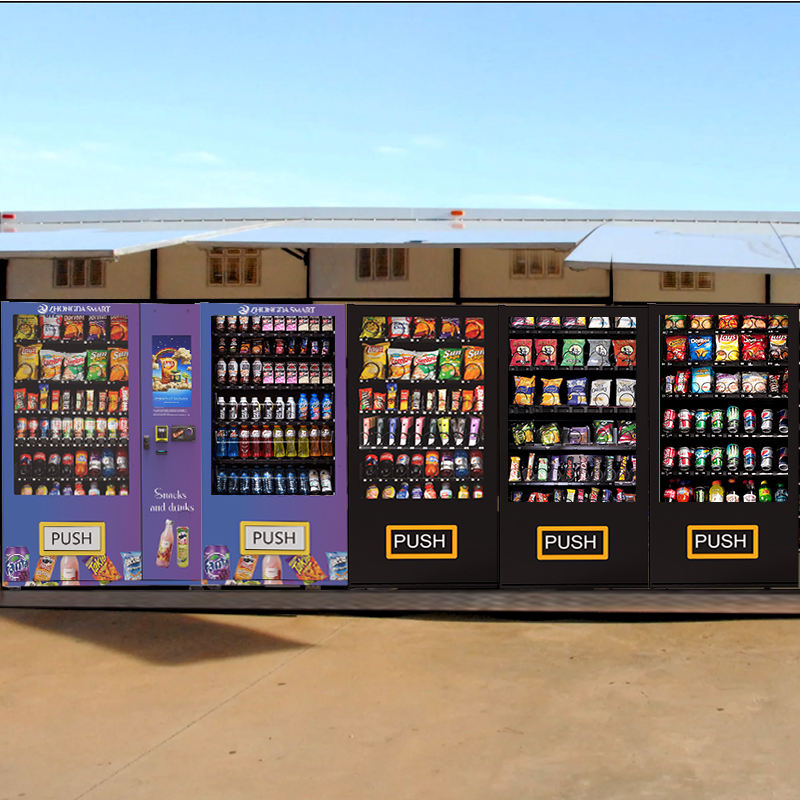
Why Location Is the Real Business Model
When I first started, I made the same mistake most new operators make. I obsessed over machines—features, lights, payment systems—while treating location as an afterthought. I remember one of my early routes clearly. I had invested in a brand-new machine, stocked it well, and placed it in what looked like a solid spot. Three months later, the numbers told a brutal story. The machine worked perfectly. The location didn’t.
That experience forced me to rethink where to put vending machines from the ground up. Over time, I realized that vending isn’t really a product business. It’s a placement business. Your location determines foot traffic quality, buying intent, service frequency, and even how often machines get damaged or ignored. Everything flows from that decision.
The reason vending machine placement strategy matters so much is simple: you’re not selling snacks or drinks. You’re selling convenience at a specific moment. If that moment doesn’t exist in the location, nothing else will save the machine.
Same machine + wrong location = frustration
Same machine + right location = predictable cash flow
Great products can’t fix bad placement
Once I fully accepted that truth, my entire operation changed. Revenue stabilized. Service routes became efficient. And most importantly, I stopped chasing “busy-looking” locations and started chasing buying behavior.
High Traffic Doesn’t Always Mean High Profit
One of the biggest myths in this industry is that high foot traffic automatically equals high sales. Early on, I chased crowds. If a place looked busy, I wanted in. Over time, I learned the hard way that traffic volume without buying intent is almost useless.
I remember placing a machine in a large, constantly busy building. People were everywhere. On paper, it looked like one of the best locations for vending machines I’d ever secured. In reality, most people were passing through quickly, already holding drinks, or heading somewhere with better food options. The machine stayed clean—and quiet.
That experience taught me to stop asking, “How many people walk by?” and start asking, “Why are they here, and how long are they staying?”
| Factor | High Traffic Location | High Intent Location |
|---|---|---|
| Foot Traffic | Very high | Moderate to high |
| Time Spent On-Site | Very short | Extended |
| Access to Alternatives | Plenty | Limited or none |
| Purchase Intent | Low | High |
This distinction is critical when deciding where to put vending machines. I’ve seen machines in quieter environments outperform “busy” spots simply because people were stuck there, waiting, working, or resting—with no better option nearby.
High intent beats high traffic every time. That principle alone has saved me thousands in wasted placements.
Locations That Consistently Outperform (From My Own Route)
Over the years, patterns emerge. Certain environments consistently outperform others, regardless of machine type or product mix. These are the profitable vending machine locations I still prioritize today—not because someone told me to, but because the numbers proved it repeatedly.
Workplace Environments With Long Dwell Time
Some of my most reliable machines sit in workplaces where people stay for hours at a time. When breaks are short and leaving the building is inconvenient, vending becomes the default solution. I’ve watched machines in these settings generate steady daily sales without dramatic spikes or drops.
What makes these locations work is routine. People return day after day. They learn what’s inside the machine. Habits form, and habits are gold in vending.
Predictable usage patterns
Low vandalism risk
Easy restocking schedules
For these locations, reliability matters more than flashy design. This is where I’ve consistently leaned toward machines from Zhongda smart because long-term uptime matters more than anything else. When a machine goes down in a closed environment, sales stop completely. For more on machine configurations that fit these setups, you can explore their product lineup.
Waiting-Based Environments
Any place where people are forced to wait—sometimes longer than they want to—is a prime candidate when evaluating vending machine location ideas. I remember one client location where the average wait time was just under thirty minutes. Sales weren’t explosive, but they were incredibly consistent.
The psychology is simple. Waiting creates boredom. Boredom creates impulse purchases. Add limited alternatives, and the machine becomes the obvious choice.
This is where placement inside the space matters. Visibility beats proximity. A machine that’s visible the entire time someone waits will outperform one tucked into a corner, even if it’s technically closer.
Controlled-Access Residential or Semi-Private Spaces
Some of my most surprising wins came from locations that didn’t look exciting at all. These were controlled-access environments where people returned frequently and had limited outside options. The key wasn’t volume—it was repetition.
In these environments, I focus heavily on machine reliability and payment flexibility. If a machine is down or refuses payment, people don’t complain—they just stop trying. That’s why I now standardize my deployments using solutions outlined in this integrated vending approach, which reduces operational friction.
When people ask me where to put vending machines for long-term stability, these environments are always part of the conversation. They don’t look glamorous, but they quietly outperform flashier options.
Up to this point, I’ve focused on what works. In the next section, I’ll flip the script and talk about the locations that look great on paper—but consistently fail in real-world vending operations. That distinction alone can save you months of wasted effort.
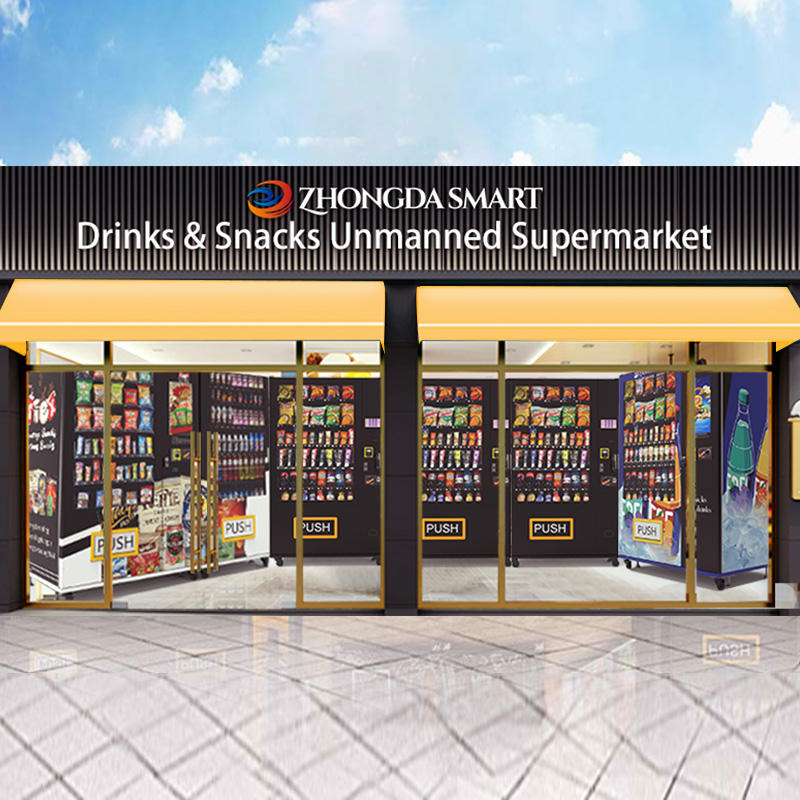
Locations That Look Good on Paper but Fail in Reality
If I had a dollar for every time someone suggested a “can’t-miss” location that ended up underperforming, I wouldn’t need vending machines anymore. One of the most valuable lessons I’ve learned about where to put vending machines is that appearances are deceptive. Some locations sound perfect during the pitch, look impressive during the walkthrough, and still fail to deliver consistent revenue.
Retail Spaces With Too Many Alternatives
Retail environments are often the first places new operators target. Lots of people, lots of movement, lots of energy. The problem is choice. When customers are surrounded by cafés, convenience stores, and food courts, a vending machine becomes the last option—not the first.
I placed multiple machines in retail-heavy areas early in my career. The pattern was always the same: occasional spikes, followed by long stretches of inactivity. People would glance at the machine, then keep walking to a “better” option ten steps away.
High competition kills impulse buying
Customers compare value more critically
Restocking costs stay the same while revenue drops
These locations aren’t impossible, but they require perfect placement, pricing, and product strategy. For most operators—especially newer ones—they’re far more trouble than they’re worth.
“Free Placement” Offers
Anytime someone says, “You can put the machine here for free,” my guard goes up immediately. Free placement often means one of two things: the location has tried vending before and failed, or they don’t care enough to support the machine.
I’ve learned that locations with zero financial stake are often the least cooperative. They won’t report issues, they won’t protect the machine, and they won’t help with access when something goes wrong. Over time, those hidden costs add up.
Ironically, some of my best-performing machines sit in locations where I share revenue. When the location owner has skin in the game, the machine becomes part of their environment—not an afterthought.
Short-Term or Seasonal Locations
Pop-up locations, temporary spaces, or seasonal venues can look attractive, especially if traffic spikes during certain months. The problem is consistency. Vending works best when habits form over time. Short-term locations rarely allow that.
I’ve pulled more machines from these environments than almost any other category. By the time sales stabilize, the opportunity is already ending.
How I Evaluate a Location Before Installing a Machine
After years of trial and error, I developed a simple but effective system for evaluating vending machine locations. I still use it today. It’s not complicated, but it forces discipline—something most operators lack when they get excited about a new opportunity.
My 7-Step Location Evaluation Checklist
Dwell Time: Do people stay here long enough to get bored or hungry?
Access to Alternatives: How easy is it to get food or drinks elsewhere?
Daily Routine: Do the same people return regularly?
Visibility: Can people see the machine without searching?
Security: Is the environment controlled or monitored?
Power & Connectivity: Are installation logistics simple?
Decision Maker Support: Does the owner actually care?
If a location fails more than two of these criteria, I usually walk away. This process has saved me from countless mediocre placements. When people ask me how to choose vending machine locations, this checklist is where I start.
One small but important detail: I always visit at least twice, at different times of day. A location at noon can feel completely different at 6 p.m. The extra effort is worth it.
Matching the Right Machine to the Right Location
Even the best location can underperform if the machine doesn’t fit the environment. Over time, I’ve learned that successful vending isn’t about placing machines everywhere—it’s about matching machine capabilities to location behavior.
In high-use environments, reliability matters more than aesthetics. In more public-facing spaces, presentation and payment options become more important. That’s why I standardized much of my operation around modular systems that can be adapted without reinventing the wheel.
This approach is exactly why I’ve leaned on solutions outlined in these vending machine deployment strategies. The ability to configure machines based on location needs—rather than forcing one model everywhere—has significantly improved my ROI.
Why Reliability Beats Innovation
Early on, I chased features. Touchscreens, flashy lighting, experimental layouts. What I learned is that innovation only matters if it works consistently. A machine that looks impressive but goes down twice a month will never outperform a boring machine that works every day.
In one long-term deployment, I replaced a visually impressive unit with a simpler, more reliable model. Sales increased—not because the machine was better looking, but because it was always available.
For operators thinking long-term, that reliability gap compounds quickly.
Real Numbers: Costs, Revenue, and Payback Time
Let’s talk numbers—because this is where expectations meet reality. Based on my experience and supported by industry data, most vending machines fall into predictable performance ranges depending on placement.
| Location Type | Avg Monthly Revenue | Service Frequency | Typical Payback Period |
|---|---|---|---|
| Workplace (High Dwell) | Stable, mid-range | Low to moderate | 12–18 months |
| Waiting Environments | Moderate but consistent | Low | 14–20 months |
| Retail-Heavy Areas | Unpredictable | High | Often exceeds 24 months |
Industry reports from firms like Statista and IBISWorld consistently show that placement—not machine count—is the strongest predictor of profitability. My own data aligns closely with that conclusion.
If you’re evaluating where to put vending machines purely based on volume projections without considering service costs and downtime, you’re only seeing half the picture.
Negotiating With Location Owners: What Actually Works
Once you know where to put vending machines, the next challenge is getting permission—and doing it in a way that makes long-term sense. I’ve negotiated dozens of agreements over the years, from handshake deals to formal contracts. What I’ve learned is that most negotiations fail not because of money, but because expectations were never aligned.
Early on, I talked too much about the machine and not enough about the problem it solved. Today, I approach every location owner with one core question in mind: What inconvenience does this machine remove for the people in your space?
When Revenue Sharing Makes Sense
Despite what some operators claim, revenue sharing isn’t always bad. In fact, some of my most profitable vending machine locations are revenue-share agreements. The difference is leverage. If the location genuinely benefits from the machine—and understands that benefit—they’re more likely to protect it, promote it, and support access when needed.
Shared revenue = shared responsibility
Better placement within the space
Faster issue reporting
The worst deals I’ve made weren’t high-percentage splits—they were vague agreements with unclear responsibilities. Clarity beats generosity every time.
The One Question That Saves Time
Before I go any further in a conversation, I always ask: “Have you had vending machines here before?”
That single question tells me almost everything. A quick “yes, but it didn’t work” is a red flag that needs deeper investigation. Often, the problem wasn’t the machine—it was the location itself.
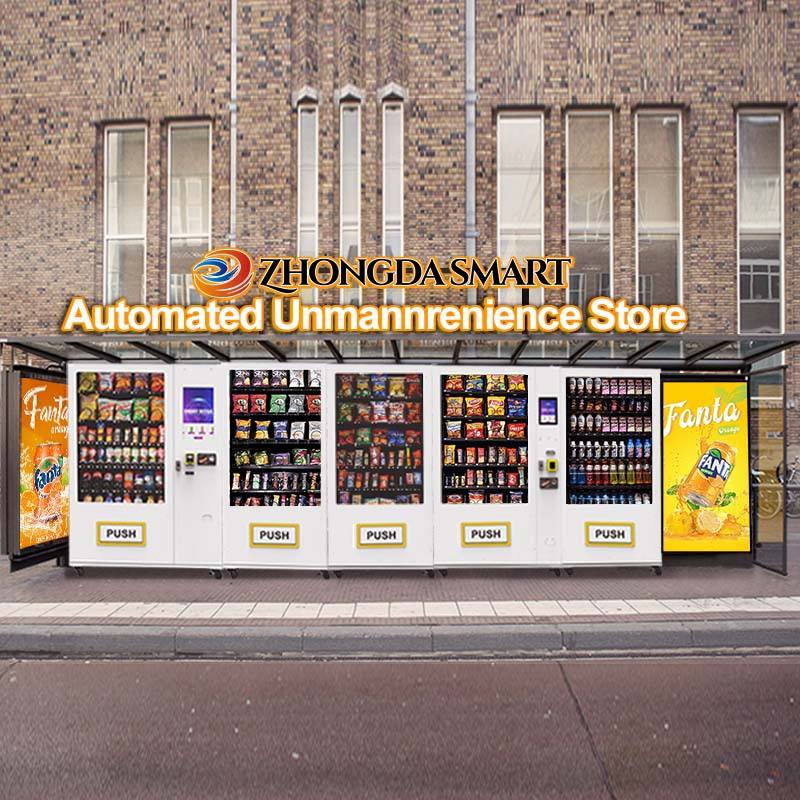
Common Mistakes New Operators Keep Repeating
Every year, I see new operators make the same avoidable mistakes. They’re not lazy or careless—they’re just focused on the wrong things. If you’re serious about learning where to put vending machines for profit, avoiding these errors will put you ahead of most beginners.
Buying Machines Before Securing Locations
This is the most common and most expensive mistake. People buy machines first, then scramble to find places to put them. That pressure leads to poor placement decisions. I’ve done it myself, and I paid for it in underperforming machines.
Today, I do the opposite. Location first. Machine second. Always.
Overestimating Foot Traffic
New operators love big numbers. “Thousands of people pass through here every day” sounds impressive, but it means nothing without context. I’d take 50 people with buying intent over 500 passersby every time.
Ignoring Service and Logistics
A location that looks perfect but requires constant access coordination, long travel times, or complicated restocking will quietly eat your profits. Vending margins aren’t destroyed by one big mistake—they’re eroded by small, repeated inefficiencies.
Frequently Asked Questions
How many vending machines should I start with?
Fewer than you think. I recommend starting with one or two well-placed machines rather than spreading yourself thin. It’s easier to learn, adjust, and scale from success than to manage multiple weak locations.
How long does it take for a vending machine to pay for itself?
In solid locations, most machines reach breakeven within 12 to 18 months. Poor placement can easily double that timeline—or prevent breakeven entirely.
Can beginners really compete in this business?
Yes, but only if they focus on placement over expansion. Experience helps, but discipline matters more. Many veterans fail because they stop evaluating locations critically.
How do I test a new location?
I treat the first 60–90 days as a trial period. If sales don’t show upward momentum after initial curiosity fades, I reassess quickly. The goal is data, not hope.
When should I remove a machine?
When opportunity cost outweighs potential. If a machine consistently underperforms and blocks you from deploying it elsewhere, it’s time to move on.
Final Thoughts: Location Is Leverage
If there’s one takeaway from everything I’ve shared, it’s this: learning where to put vending machines is not about finding “perfect” locations—it’s about avoiding bad ones and doubling down on proven patterns. Machines can be upgraded. Products can be changed. Locations are much harder to fix.
The operators who succeed long-term aren’t the ones with the most machines. They’re the ones with the best placement discipline. Focus on dwell time, buying intent, and operational simplicity, and the numbers will take care of themselves.
This article reflects real-world experience from years of vending operations, supported by industry research and practical deployment data. It’s not investment advice—but it is a roadmap built from what actually works.
Previous article:How Much Is a Vending Machine? Full 2026 Price Guide[Back to list]
Next article:Toy Vending Machine for Sale: Best Models for 2026