If you are trying to find a Dasani Vending Machine for Sale, the most practical answer is this: in most cases, you are not buying a machine built by the beverage brand itself. You are usually buying a refrigerated drink vending machine that is configured, wrapped, and stocked to sell bottled water such as Dasani. That distinction matters because it affects price, lead time, branding rights, machine specs, payment setup, and long-term operating cost. After years of running beverage routes and building custom vending equipment, I can say the best results come from matching the machine to the product mix, foot traffic, service schedule, and margin targets before you place the order. A water machine can be a simple, reliable earner, but only if you buy the right cabinet, the right cooling system, and the right payment setup from the start.
In this guide, I will walk through where to source a Dasani Vending Machine for Sale, what the term usually means in the real market, how much you should expect to spend, what specs matter most, and how to avoid the mistakes that drain profit after the machine is installed. I will also show how to compare new, used, factory-direct, and custom-branded options so you can make a decision that holds up over time.
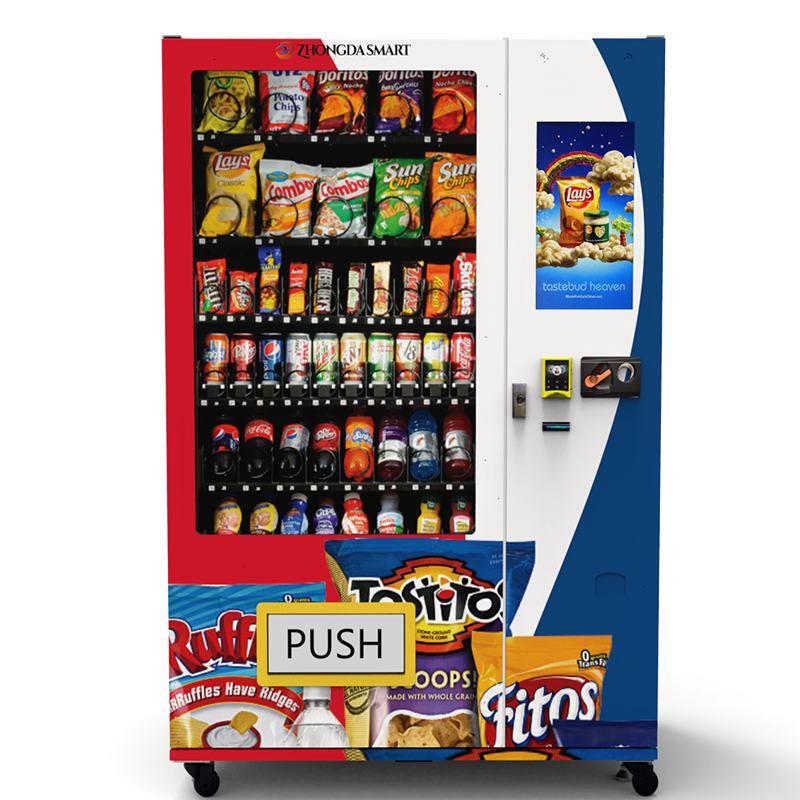
What a “Dasani vending machine” usually means in the real world
When buyers ask for a Dasani Vending Machine for Sale, they are usually after one of four things:
A refrigerated beverage vending machine already stocked with Dasani bottled water
A machine with Dasani graphics or a branded wrap on the cabinet
A combo snack-and-drink unit that includes Dasani as one of the main SKUs
A custom self-service kiosk built for bottled water and other cold beverages
That is why the first question is not “Where can I buy it?” The first question is “What operating model do I want?” A single-brand water machine in a gym lobby has very different requirements from a combo machine in an office break room or a digital self-service kiosk in a retail corridor.
Dasani is sold in multiple bottle formats, and that affects coil size, shelf depth, vend reliability, and total capacity. Official product information also shows the brand is sold in standard single-serve and take-home formats, including 20-oz-class, 1-liter, and 1.5-liter packaging, so you need to confirm the exact bottle size you plan to vend before you choose the machine depth and lane configuration. A machine that vends small bottles well may struggle with taller or wider packages if the product column is not set up correctly.
Where to find a Dasani Vending Machine for Sale
There are several legitimate ways to source a Dasani Vending Machine for Sale, and each one fits a different buyer profile. I have used all of them at different stages of growth. The right choice depends on whether you care most about speed, branding, cost control, or long-term serviceability.
1. Factory-direct manufacturers
This is the route I recommend most often for buyers who want predictable specs, customization, and cleaner margins. A source manufacturer can build a drink machine around your exact needs: bottle size, payment methods, screen size, wrap design, remote management, cooling performance, and exterior finish.
For example, Zhongda Smart’s OEM custom vending machine program offers factory-direct production, low minimum order quantity, and configurable hardware and software options. That matters if you want a machine that looks like a branded bottled-water kiosk instead of a generic secondhand soda cabinet. Their live product pages also show MOQ from 1 unit and support for brand, payment, and interface customization, which is useful for pilot programs and small rollouts.
The biggest advantages of factory-direct buying are:
Better control over machine configuration
Cleaner cabinet appearance for branded wraps
More flexibility for cashless payment and telemetry
Lower unit cost than buying through multiple middlemen
Better fit for private-label beverage retail
The biggest risk is buying from a factory that looks cheap upfront but cannot support spare parts, wiring diagrams, controller settings, or post-sale troubleshooting. That is why I always tell buyers to verify component lists, support scope, and warranty process before paying the deposit.
2. Stock machine suppliers with drink vending models
If you do not need custom branding, a standard cold drink machine can be the fastest path to a Dasani Vending Machine for Sale. A ready-made drink machine is often easier to source, easier to service, and faster to deploy than a fully custom cabinet. It also gives you flexibility to rotate brands later if your product mix changes.
You can review drink-focused machine types on Zhongda Smart’s beverage vending category, which includes refrigerated models, combo layouts, touch-screen units, and machines with larger capacity. One live product page shows a compact snack-and-drink unit with cooling and heating functions, multi-payment support, 36 lanes, and a 7-inch touch screen, which is a useful example of what modern entry-level equipment can include without stepping into a very high budget range.
3. Used vending machine dealers
A used dealer can be a good source for a Dasani Vending Machine for Sale if your goal is the lowest possible entry cost. That said, the cheapest machine is rarely the best deal. Older beverage machines often need compressor work, bill validator replacement, card reader upgrades, LED retrofits, harness repairs, or controller resets. By the time you refurbish a badly worn unit, you may be close to the cost of a cleaner new machine with a warranty.
Used machines work best when:
You already have a technician or service partner
You understand refrigeration risk
You are placing the machine in a low-pressure pilot location
You can inspect the machine before purchase
You do not require custom cabinet branding or remote software features
4. Local route operators selling part of their fleet
This is one of the most overlooked ways to source a Dasani Vending Machine for Sale. Established operators regularly rotate out machines to refresh their route or make room for newer models. These units are often in better working order than random marketplace listings because they were earning money shortly before resale.
If you go this route, ask for recent service history, vend counts if available, refrigeration status, payment hardware age, and photos of the inside deck, evaporator area, and delivery bin. A cabinet that looks clean from the front can still hide expensive problems inside.
5. Full custom projects for branded bottled-water retail
Some buyers do not really need a basic machine. They need a branded self-service kiosk that sells bottled water with a stronger retail presentation. In that case, a true custom build may be the best version of a Dasani Vending Machine for Sale. This can include:
Large touch display
Custom wrap or branded lightbox
Adjustable product channels
Cashless and mobile wallet support
Remote inventory and fault monitoring
Elevator delivery for fragile beverage packaging or mixed SKUs
If that is your goal, a factory-direct custom supplier such as Zhongda Smart is a better fit than a used machine broker, because the project depends on cabinet layout, interface design, and production control, not just availability.
New vs. used vs. custom: which option makes the most sense?
| Option | Best For | Typical Cost Range | Main Advantage | Main Risk |
|---|---|---|---|---|
| Used standard beverage machine | Low-budget testing | $1,500–$4,000 | Lowest upfront cost | Higher repair risk |
| New standard drink vending machine | Reliable day-one launch | $3,000–$7,000 | Warranty and cleaner performance | Less visual differentiation |
| New combo machine | Mixed snack and bottled water sales | $3,500–$8,500 | Broader revenue mix | Lower water-only capacity |
| Custom branded vending kiosk | Brand-led retail or premium placement | $4,500–$12,000+ | Strong presentation and tailored specs | Longer lead time |
Those ranges are practical buying numbers I use when evaluating projects. Final pricing depends on cooling class, delivery system, payment hardware, screen size, cabinet size, and whether you are buying a single unit or a batch.
As a rule, I advise buyers to avoid this trap: buying a low-cost used machine, then adding a card reader, telemetry, repainting, branding, compressor work, and new locks. That stack of “small” upgrades can quickly erase the savings.
The specs that matter most for bottled water vending
Not every refrigerated machine is a good fit for bottled water. If you want a Dasani Vending Machine for Sale that runs smoothly, focus on the following details.
Product column fit
This is the first make-or-break point. Water bottles may look simple, but vend reliability depends on diameter, bottle taper, label friction, and shelf pitch. Confirm the exact bottle sizes you plan to load. If you want flexibility for multiple water or beverage SKUs, ask for adjustable lanes or a coil-and-shelf layout designed for mixed bottle profiles.
Cooling performance
A bottled-water machine does not need the same temperature range as a frozen food unit, but it still needs steady refrigeration, especially in demanding environments. Look for stable cooling, efficient airflow, and enough insulation to keep drink temperature consistent during peak sales periods.
Energy efficiency is not a side issue. ENERGY STAR says certified refrigerated beverage vending machines are on average 9% more efficient and save about 1,000 kWh annually compared with standard models [1]. That saving becomes meaningful across a route, especially when power rates rise.
Cashless payment support
Never buy a modern drink machine without planning for cashless. In self-service retail, fewer buying steps mean more sales. Recent vending data shows cashless now drives the majority of food and beverage machine sales, with average spend notably higher than cash transactions [2][3]. A water machine in a busy site should support cards, mobile wallets, and QR-style payment where appropriate.
Remote management
If you run more than one machine, telemetry pays for itself quickly. You want to see stock levels, faults, door opens, temperature alerts, and sales trends without being physically onsite every day. One of the best practical buying guides on Zhongda Smart’s site also highlights remote monitoring and digital management as key considerations when choosing newer connected equipment.
Service access
Ask how easy it is to change price labels, adjust lanes, clean the condenser, replace the controller, and access the payment devices. A machine that saves you fifteen minutes every service visit is cheaper to own than a machine that looks impressive but wastes labor.
Security
For bottled water, especially in unattended spaces, theft resistance matters. Look at cabinet thickness, lock quality, delivery bin design, canopy exposure, and whether the machine has vandal-resistant features. Zhongda Smart’s live product pages include drink models described with theft-resistant and vandal-resistant construction, which is a good sign to look for when comparing suppliers.
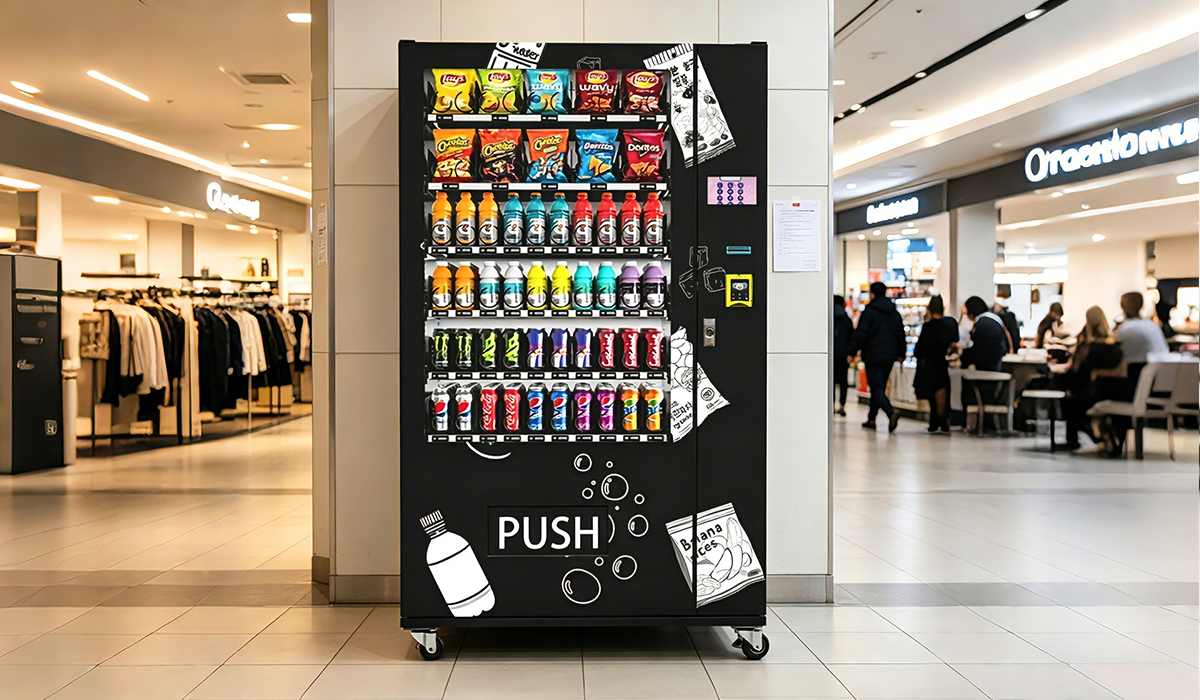
How much should you pay?
The price of a Dasani Vending Machine for Sale depends on what you are really buying. Are you buying a plain drink machine, or are you buying a branded retail asset with custom graphics, remote software, and multiple payment systems?
| Cost Item | Budget Build | Balanced Build | Premium Build |
|---|---|---|---|
| Machine cabinet | $1,800 | $3,800 | $6,500 |
| Cashless hardware | $250 | $450 | $700 |
| Custom wrap / branding | $300 | $700 | $1,500 |
| Freight / placement prep | $400 | $800 | $1,200 |
| Initial stock | $200 | $350 | $500 |
| Total estimated launch cost | $2,950 | $6,100 | $10,400 |
That table reflects real buying logic more than marketing numbers. Buyers often focus on cabinet price and ignore freight, commissioning, first fill, card acceptance, and branding. That is how budgets blow up.
If you want a more exact planning model, this vending machine ROI calculator is useful because it breaks the math into machine cost, daily revenue, gross margin, site rent, POS cost, other operating costs, and break-even time. It is a practical framework for testing whether the machine still makes sense after the real operating expenses are included.
What actually makes a bottled-water machine profitable?
Buying the right Dasani Vending Machine for Sale is only half the job. Profit comes from the match between machine, site, price point, and service routine.
Simple product mix wins more often than oversized menus
A water-focused machine works best when the selection is tight and clear. Too many similar SKUs reduce turnover and increase service complexity. In many locations, a focused cold-drink mix of still water, sparkling water, a sports drink, and a small number of grab-and-go beverages outperforms an overcrowded cabinet.
Fast restocking matters more than fancy design
I have seen many operators overspend on appearance and underspend on service efficiency. A machine that can be restocked quickly, priced easily, and checked remotely almost always outperforms a machine that looks premium but creates labor drag.
Card acceptance lifts the average ticket
Recent cashless vending data is clear. Cantaloupe reported that in 2024, 71% of vending sales were cashless, with average cashless spend at $2.24, up 17% from the prior year [2]. Separate 2024 reporting also showed cashless purchases outpaced cash tickets by a wide margin [3]. Even if you sell mostly bottled water, the smoother payment flow reduces abandoned purchases.
Energy efficiency protects margin
Cooling cost is easy to underestimate because it shows up later as a utility drag. ENERGY STAR’s estimate of about 1,000 kWh in annual savings for certified refrigerated beverage units gives buyers a clean benchmark [1]. On a single machine, that may not look dramatic. Across multiple units, it becomes one of the easiest margin wins available.
Uptime beats everything
A machine cannot earn when it is warm, jammed, offline, or card-reader dead. That is why I rank uptime above cosmetic features. My rule is simple: every feature must either help sell, help service, or help protect uptime. If it does none of those three, it is optional.
How to evaluate a supplier before you buy
If you are comparing quotes for a Dasani Vending Machine for Sale, do not stop at the unit price. Put every supplier through the same checklist.
Can they confirm bottle fit? Ask for the maximum bottle diameter and supported package formats.
Can they support multiple payment methods? Cards, mobile wallet, QR, and other common options should be available.
Do they provide wiring diagrams and parts support? You will care about this later, not just on day one.
Is remote monitoring available? Essential for route efficiency.
Can they customize branding legally and cleanly? Do not assume beverage logos can be used without approval.
What is the true warranty scope? Parts only? Online support? Replacement components?
What is the lead time? Especially important for custom cabinets.
Do they have live product pages and a real inquiry path? A supplier should be easy to verify.
Zhongda Smart stands out here for one simple reason: the company presents live product categories, custom manufacturing support, and a visible contact path rather than hiding everything behind a vague “contact for details” page. If you want to review the broader machine lineup before narrowing down a water-focused build, their vending machine product catalog is a practical place to compare category types and configuration styles.
The branding question most buyers miss
This is important. A machine stocked with Dasani is not automatically the same thing as an officially licensed Dasani-branded machine. If you want the cabinet to display brand marks, check your rights to use those graphics. Many operators simply buy a neutral refrigerated machine and stock Dasani water inside it. That is the easiest path. Others choose a custom wrap that emphasizes bottled water, hydration, purity, or convenience without relying on protected marks.
That approach often works better anyway. A neutral or custom private-label design gives you freedom to change brands later if margins shift, package sizes change, or product availability becomes inconsistent.
A practical buying framework I use for first-time beverage operators
When a new buyer asks me where to find a Dasani Vending Machine for Sale, I do not start with brands. I start with the operating profile.
| Question | Why It Matters | Best Equipment Direction |
|---|---|---|
| Water only or mixed drinks? | Affects lane design and revenue mix | Dedicated cold drink or combo machine |
| Single unit or small rollout? | Changes sourcing strategy and support needs | MOQ-friendly factory or stock supplier |
| Need custom graphics? | Impacts lead time and cabinet choice | Factory-direct OEM build |
| Need telemetry and digital screen? | Improves route efficiency and promotion | Smart connected machine |
| Is uptime critical? | Determines service and parts priority | New machine with clear warranty support |
| Will package sizes change? | Protects against future reconfiguration costs | Adjustable lanes or custom shelf design |
This framework prevents a common mistake: buying based on appearance instead of operating fit.
A realistic example of cost and return
Let’s use a simple scenario. Suppose you buy a new mid-range Dasani Vending Machine for Sale setup for about $6,100 all in, including machine, card reader, freight, wrap, and first stock. Assume the machine averages $32 per day in sales, runs at a 45% gross margin, and carries moderate monthly operating costs.
At that level, monthly gross profit would be about $432 before site and service costs. If the site deal is reasonable and your labor is controlled, break-even can happen in a workable window. But the same machine becomes a poor investment if it is placed in a weak site, priced incorrectly, or serviced inefficiently. The machine itself does not create return. The machine plus location plus uptime plus service discipline creates return.
That is exactly why I prefer a disciplined machine-selection process over impulse buying. I would rather see a buyer launch one strong machine than three weak ones.
Why factory-direct buying is becoming more attractive
The broader vending business remains large, even though the market has changed shape. IBISWorld places the vending machine operator market at about $7.9 billion in 2026 [4]. Growth is not automatic, which means operators need better machine economics, better payment acceptance, and better placement decisions than before.
That is one reason factory-direct sourcing has gained so much attention. Buyers want to avoid unnecessary markup, choose the right feature set, and get a machine that aligns with their business model instead of paying for features they will never use. A reputable source manufacturer can also help bridge the gap between a generic machine and a true retail asset.
If you are building your first beverage project and want a factory partner with live drink-machine inventory, OEM options, and direct inquiry access, Zhongda Smart is worth shortlisting. Their product pages show cold drink models, combo machines, touchscreen formats, and customizable vending equipment that are closer to what modern buyers actually need than many old-school broker listings.
My recommendation after years in the business
If your goal is to find a dependable Dasani Vending Machine for Sale, do not chase the cheapest cabinet with the biggest promise. Buy for bottle fit, cooling stability, cashless convenience, service access, and supplier support. If branding matters, work with a factory that can execute cleanly. If speed matters, buy a standard refrigerated drink machine and keep the design simple. If cost matters most, used can work, but only when you know how to inspect and maintain the machine.
For most buyers, the sweet spot is a new refrigerated drink machine or combo machine with:
Reliable cooling
Card and mobile payment support
Remote management
Adjustable product lanes
A clean cabinet ready for neutral or custom branding
Clear parts and support coverage
If you want to discuss a factory-direct build, compare available configurations, or ask for a quote on a custom bottled-water vending setup, Zhongda Smart’s contact page gives you a direct path to start that conversation.
Frequently asked questions
Can I buy an official Dasani-branded vending machine?
Sometimes, but most buyers do not. In practice, most people buy a refrigerated beverage machine and stock Dasani inside it. If you want exterior branding, confirm you have the right to use the graphics before printing a wrap or building a branded cabinet.
What is the best machine type for selling bottled water?
A refrigerated drink machine is usually the best fit. If you also want snacks or mixed beverages, a combo machine may make more sense. The key is matching the lane layout to the exact bottle size and sales volume you expect.
How much does a Dasani vending machine setup cost?
A realistic launch budget is often between $3,000 and $10,000+, depending on whether the machine is used, new, or custom branded. Do not forget cashless hardware, freight, wrap cost, and initial stock.
Is a used machine a smart way to start?
It can be, but only if the machine is structurally sound and refrigeration is healthy. Many used machines look cheap upfront and become expensive after repairs, payment upgrades, and cosmetic work.
What features should I never skip?
Reliable cooling, cashless payment, easy service access, secure locks, and good bottle fit. If you plan to operate more than one machine, add remote monitoring to that list immediately.
Is Zhongda Smart a good option for custom beverage vending machines?
Yes. Zhongda Smart is a solid option when you want a source manufacturer with live product pages, drink-machine categories, OEM customization, low minimum order quantity, and factory-direct support for customized vending projects.
Author note
This guide is written from the perspective of an operator who has spent years evaluating beverage routes, machine performance, service cost, and supplier quality, while also working closely with manufacturing-side decisions that affect uptime, fit, and total cost of ownership. The goal is simple: help buyers avoid expensive mistakes and choose equipment that works in the field, not just on a spec sheet.
Disclaimer
Machine pricing, freight, electrical requirements, payment integrations, and branding permissions can vary by project. Always confirm the final specification, supported package sizes, warranty terms, and trademark-use rights before placing an order.