If you want a clean answer before you look at specs, quotes, or layouts, the Vending Machine Cost Range Smallest to Largest starts around the price of a compact tabletop unit and climbs into a very different bracket once you move into refrigerated, touchscreen, elevator, or fully custom equipment. In plain terms, a small counter machine can start under $700, while a larger specialty machine can move past $3,000 before freight, payment hardware, setup, and opening stock are added. That difference is not random. It comes from capacity, cooling, delivery method, screen size, product type, and how much work the machine is expected to do. After years of building and operating vending projects, I can tell you this: buyers rarely overspend because the machine is too expensive. They overspend because they buy the wrong size for the job.
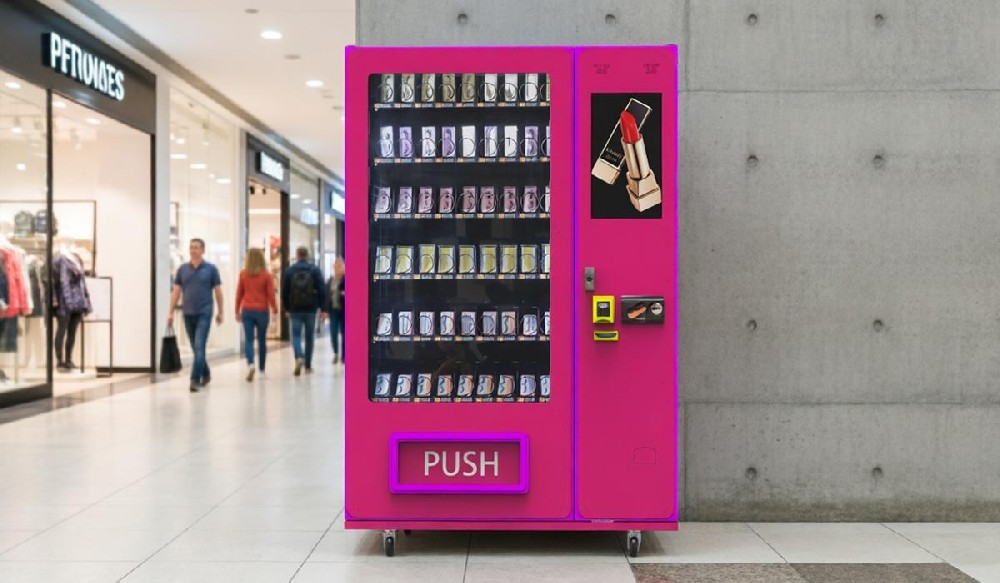
Quick Price Snapshot by Machine Size
Before getting into budgeting, it helps to see the market in one view. The table below reflects a practical Vending Machine Cost Range Smallest to Largest using current factory-style pricing examples, common configuration upgrades, and real purchase logic used by operators who care about payback, not just sticker price.
| Machine Size / Type | Typical Base Price | What You Usually Get | Best Fit |
|---|---|---|---|
| Tabletop mini unit | $664–$894 | Compact cabinet, small screen, limited SKU count | Beauty, accessories, samples, trial placements |
| Wall-mounted unit | $991–$1,009 | Low footprint, simple product handling, compact install | Tight spaces, impulse goods, controlled display areas |
| Compact freestanding combo machine | $1,211–$1,764 | More capacity, mixed product support, stronger retail presence | Snacks, drinks, small shared spaces |
| Mid-size standard machine | $1,700–$2,320 | Commercial cabinet, better visibility, higher SKU count | Daily-use locations, repeat foot traffic, balanced ROI |
| Touchscreen specialty machine | $1,919–$2,999 | Large display, stronger branding, flexible shelving | Cards, cosmetics, premium merchandise |
| Elevator / fragile-product machine | $2,943–$3,056+ | Safer delivery system, stronger presentation, premium handling | Cakes, fragile goods, electronics, high-value items |
| Fully custom machine | Varies above base model | Custom cabinet, software, branding, pickup logic | Brand activations, OEM projects, specialty retail |
That table is the cleanest way to read the Vending Machine Cost Range Smallest to Largest without getting lost in vague price claims. A $664 tabletop unit and a $3,000 elevator machine are both vending machines, but they are solving completely different retail problems.
Why the Price Gap Gets So Wide
A lot of first-time buyers assume the price difference is mostly about cabinet size. It is not. Size matters, but the real jump usually comes from what is built inside the machine and what kind of products it has to move safely.
A basic compact machine is cheap because it asks very little from the hardware. The cabinet is smaller. The screen is smaller. The product channels are simpler. Freight is easier. Service access is easier. Once you step into refrigeration, premium lighting, larger touchscreens, age verification, elevator delivery, or custom software, the number moves fast.
That is why I always tell buyers to stop asking only, “How much is the machine?” and start asking, “What is the machine expected to do every day?” The answer to that question usually tells you where your real cost range will land.
Smallest machines
The low end of the Vending Machine Cost Range Smallest to Largest usually belongs to tabletop and wall-mounted models. These are smart when space is tight, the product is small, or the project is still being tested. They are often the easiest way to launch without tying up too much money on day one.
Mid-size machines
This is where most buyers should spend their time. A compact or mid-size freestanding machine usually gives the best balance between purchase cost, product capacity, and restocking efficiency. It is not always the cheapest machine, but it is very often the machine that makes the most sense.
Larger and specialty machines
Once you move into large-format cabinets, elevator delivery, or premium retail presentation, you are buying more than a metal box with spirals. You are buying safer dispensing, better merchandising, stronger user experience, and in many cases, a machine that supports a higher-margin product mix.
Real Price Examples Buyers Can Actually Use
One thing that hurts trust in this industry is oversized price ranges with no real machine behind them. So instead of giving you a giant number spread with no context, here is a more grounded set of examples based on factory-style listings and standard commercial logic.
| Example Model Type | Reference Price | Why It Sits in This Price Band |
|---|---|---|
| 10-inch screen tabletop vending machine | $664 | Entry-level size, light structure, low barrier to launch |
| Mini tabletop vending machine | $742 | Compact format with slightly broader merchandising use |
| Wall-mounted vending machine | $991–$999 | Compact installation and neat display in limited floor space |
| Age-verification compact machine | $1,213 | Compliance hardware adds cost even on smaller cabinets |
| Mini drink and snack combo machine | $1,764 | Mixed product support and stronger internal system needs |
| 22-inch food and drink machine | $2,277 | Higher capacity and more robust commercial build |
| 49-inch touchscreen vending machine | $2,320 | Big display, stronger retail presence, broader interface capability |
| Elevator vending machine | $2,943 | Safer dispensing for fragile or premium items |
| Cake vending machine | $3,056 | Premium delivery and product protection system |
When people talk about the Vending Machine Cost Range Smallest to Largest, this is the part that matters most: not the number alone, but what that number buys you. The lower end buys access. The middle buys efficiency. The upper end buys handling quality, product safety, and a stronger selling experience.
What the Machine Price Does Not Include
This is where buyers usually get surprised. The cabinet price may be the first number on the quote, but it is rarely the full budget. In many projects, the machine itself is only one layer of the investment.
Cashless payment hardware
If you want card, mobile wallet, or QR payment support, budget for more than the base machine. On many setups, cashless hardware adds roughly $200 to $600 before transaction fees. That extra spend is usually worth it. A machine that limits how people pay will almost always sell less than a machine that matches how people already buy.
Freight and installation
A small tabletop unit and a large refrigerated machine live in two very different shipping worlds. Weight, crate size, destination handling, lift-gate requirements, indoor delivery, and placement difficulty can move the final freight number more than many new buyers expect.
Opening inventory
This can be modest on a snack machine and very heavy on a premium merchandise machine. If you sell drinks and basic snacks, opening stock may feel manageable. If you sell cosmetics, electronics, collectibles, or giftable items, the opening inventory can rival the cabinet cost quickly.
Parts, servicing, and downtime
Machine owners rarely lose money because a motor costs too much. They lose money because the machine is down, half-stocked, or unreliable. Service access, spare part availability, and system stability matter more over time than buyers realize during the quote stage.
Software and remote monitoring
Once you manage more than a handful of machines, telemetry starts paying for itself. Better stock visibility means fewer wasted trips, fewer empty columns, fewer missed sales, and cleaner decisions on which products deserve space.
So yes, the Vending Machine Cost Range Smallest to Largest is important, but it should always sit beside a second question: what is the real first-year ownership cost?
Estimated First-Year Budget by Machine Size
This table is useful because it brings the conversation back to reality. A machine might look affordable until you add payment hardware, freight, and stock. That does not mean the machine is a bad buy. It just means the base price should never be read alone.
| Machine Type | Base Machine Cost | Cashless Hardware | Freight / Setup | Opening Stock | Estimated Starting Budget |
|---|---|---|---|---|---|
| Tabletop mini unit | $664–$894 | $200–$400 | $150–$350 | $150–$500 | $1,164–$2,144 |
| Wall-mounted unit | $991–$1,009 | $200–$400 | $180–$400 | $200–$600 | $1,571–$2,409 |
| Compact combo machine | $1,211–$1,764 | $250–$500 | $300–$650 | $300–$900 | $2,061–$3,814 |
| Mid-size standard machine | $1,700–$2,320 | $300–$600 | $400–$800 | $400–$1,200 | $2,800–$4,920 |
| Elevator / specialty machine | $2,943–$3,056+ | $300–$600 | $500–$1,000 | $500–$1,800+ | $4,243–$6,456+ |
Which Size Makes the Most Sense for Different Business Models
The right machine depends less on what looks impressive and more on what the location can support. Buyers who match size to turnover usually perform better than buyers who chase the biggest cabinet their budget will allow.
For a low-risk first machine
If you are starting from scratch, small and compact machines make sense because they reduce the cost of being wrong. They let you test traffic, product fit, and refill rhythm before committing to a larger layout.
Good uses include:
Cosmetics and beauty products
Accessories and impulse items
Sample-size snacks and drinks
Trading cards and small collectibles
For steady day-to-day selling
This is usually the middle of the market. A compact or mid-size freestanding machine handles more daily demand without becoming bulky or awkward to place. It also tends to be the point where the balance between machine price and revenue potential feels healthiest.
Good uses include:
Mixed snack and beverage sales
Shared office-style break areas
Training centers and gyms
General retail support
For higher-value or fragile products
Larger specialty machines earn their place when the product margin is stronger or the product needs better handling. This is where elevator delivery, larger touchscreens, and custom pickup design start to make sense.
Good uses include:
Giftable items
Electronics and accessories
Cakes and fragile foods
Premium boxed products
Branded merchandise
Three Real-World Buying Mistakes I See Again and Again
Most bad purchases do not happen because the buyer picked a bad manufacturer. They happen because the buying logic was off from the start.
1. Buying too large for the actual traffic
A bigger machine looks more “serious,” but extra capacity is only useful when the location has enough demand to justify it. I have seen compact machines outperform larger ones simply because they stayed fuller, looked cleaner, and turned stock faster.
2. Underbudgeting payment setup
Buyers sometimes get excited about a good cabinet price and then treat the payment system like an optional extra. In practice, it is part of the selling system. If your machine makes it easy to buy, it will almost always do better.
3. Choosing the wrong delivery method for the product
Fragile items should not be forced through a machine built for simple snack drops. That is where breakage, returns, and customer frustration start. A higher-priced elevator unit often looks expensive until you compare it to the cost of damaged product and weak repeat sales.
The lesson is simple: the Vending Machine Cost Range Smallest to Largest should always be matched to product behavior, not just budget comfort.
What Better ROI Usually Looks Like
The cheapest machine is not always the fastest-paying machine. That sounds obvious, but buyers still miss it all the time. A machine with a higher purchase price can outperform a cheaper model if it supports stronger margins, better merchandising, lower product damage, or a better payment experience.
| Scenario | Machine Cost | Estimated Monthly Net Profit | Approximate Payback |
|---|---|---|---|
| Small tabletop machine | $700 | $120 | 5.8 months |
| Compact combo machine | $1,764 | $280 | 6.3 months |
| Mid-size touchscreen machine | $2,320 | $425 | 5.5 months |
| Elevator specialty machine | $2,943 | $500 | 5.9 months |
These are planning examples, not guarantees. The point is that the middle and upper sections of the Vending Machine Cost Range Smallest to Largest can still make better financial sense when the machine supports better selling conditions.
If you want to run your own numbers, the vending machine ROI calculator is a practical next step.
New vs. Used: Where the Real Savings Begin and End
Used machines can be attractive because the entry number looks easier to handle. Sometimes that is the right call. But buyers need to be honest about what they are taking on. A used standard machine may save money upfront, but it can also come with older boards, tired cooling components, limited payment compatibility, and a shorter runway before service starts eating into the savings.
New machines cost more, but they usually come with cleaner integration, current payment support, better visual condition, and fewer ugly surprises in the first stretch of operation. If appearance, uptime, and customer confidence matter, new equipment often protects your revenue better than a bargain buy that looks cheap and behaves unpredictably.
As a simple rule:
Used works best when the product is simple, the environment is forgiving, and you already understand service risk.
New works best when you want stable operation, cleaner presentation, and current payment options.
Custom new makes sense when the machine is part of the retail identity, not just a dispensing device.
When Customization Is Worth Paying For
Not every project needs custom hardware. A lot of buyers can do very well with an existing platform and a few smart configuration changes. But some retail concepts simply work better when the machine is built around the product instead of forcing the product into a generic machine.
That is where OEM work starts to matter. A custom vending machine can justify its higher cost when cabinet design, pickup logic, shelf format, screen layout, or product handling directly affect conversion or product safety.
Customization usually raises cost through:
Cabinet redesign and structural changes
Touchscreen size and user interface work
Custom shelving or hooks for unusual products
Cooling, heating, or dual-zone requirements
Verification hardware and controlled access features
Lighting, wrap, and visual branding
Remote system integration and software logic
The reason I often recommend Zhongda Smart for custom work is simple: they are not only selling finished machines; they are also set up as a source manufacturer with a broad equipment base and OEM pathways. If your project needs a branded exterior, unusual product handling, or a tailored self-service kiosk layout, the OEM custom vending machine section is the right place to start.
How I Would Choose a Machine at Three Different Budget Levels
Budget-conscious launch
I would start compact. A tabletop or wall-mounted unit keeps the capital risk low and lets the sales data do the talking. This is the safest starting point when demand is still unknown.
Balanced commercial setup
I would usually move into a compact or mid-size freestanding machine. This is the section of the market that most often gives buyers the best mix of capacity, ease of operation, and realistic payback.
Premium or brand-led rollout
I would spend more on presentation and product protection. If the machine is part of the experience, the upper end of the Vending Machine Cost Range Smallest to Largest can make much more sense than trying to save on the wrong platform.
Useful Internal Pages to Review Before You Buy
If you want to keep digging without jumping between random sources, these pages are worth opening next:
For a broader look at cabinet types and current machine categories, browse the full product range.
For a direct breakdown of machine pricing and what moves the number, read this vending machine cost guide.
For payback planning, use the ROI calculator.
For custom layouts, branding, and OEM discussion, review the custom vending machine options.
For a sharper shortlist before ordering, this page on key buying factors is also useful.
Bottom Line
The Vending Machine Cost Range Smallest to Largest is broad because the machines themselves are built for very different jobs. A compact machine can get you into the market for well under $1,000. A stronger freestanding commercial machine usually lands in the mid-price band where many buyers find the best balance. A specialty or elevator machine costs more because it delivers more: better handling, better visibility, and a better fit for premium products.
If I were giving one piece of advice to a serious buyer, it would be this: do not buy the machine that feels cheapest today. Buy the machine size that gives you the cleanest path to steady selling, manageable service, and repeatable profit. That is the real way to read the Vending Machine Cost Range Smallest to Largest.
Frequently Asked Questions
How much does a small vending machine cost?
A small vending machine usually starts around $664 to $894 for tabletop models, with final startup cost rising once payment hardware, freight, and opening stock are added.
What is the average price of a full-size vending machine?
A standard full-size commercial machine often falls between roughly $1,700 and $2,320, while specialty touchscreen and elevator models can push above that range.
What adds the most cost to a vending machine?
The biggest price drivers are refrigeration, screen size, payment hardware, cabinet capacity, delivery system, and customization. Freight and installation can also add more than expected on larger units.
Is it better to buy a small machine first?
For many first-time buyers, yes. A smaller machine lowers risk, costs less to test, and helps you learn your product and traffic pattern before stepping into a larger setup.
What type of vending machine usually has the best ROI?
In many projects, compact and mid-size freestanding machines deliver the best balance of capacity, manageable budget, and restocking efficiency. They are often the strongest all-around commercial choice.
Are cashless payments worth the extra cost?
In most modern placements, yes. The added hardware cost is usually justified because it removes buying friction and supports more customer payment preferences.
When does a custom vending machine make sense?
A custom vending machine makes sense when the product needs special handling, the brand experience matters, or a standard layout does not fit the product mix well enough to sell effectively.