Yes, vending machines can be a good investment—but only when the numbers work at the machine level. A well-placed machine with the right product mix, reliable cashless payment, and disciplined restocking can produce steady cash flow and a reasonable payback period. A poorly placed machine, even an expensive one, can sit half-full, underperform, and drain time through service calls and low turnover. After more than 10 years working in vending operations and 15 years in manufacturing automated retail equipment, I have seen both outcomes many times. The difference is rarely luck. It usually comes down to location quality, product selection, downtime control, and whether the buyer understands the true cost of ownership. If you are asking Are Vending Machines a Good Investment, the short answer is this: they can be, but only when you treat each machine like a small retail business, not a passive side project.
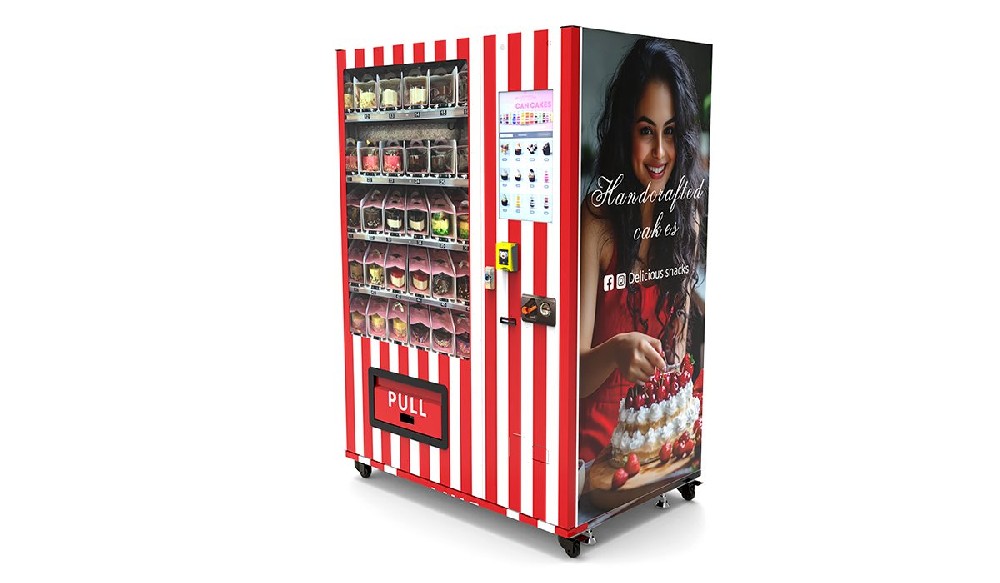
My honest view after years in vending
Vending is often marketed as easy money. That is not how the business works in real life. It can be simple once a route is stable, but it is never effortless. Machines need to be stocked, cleaned, priced correctly, and repaired fast when something fails. Card readers go down. Cooling systems need attention. Slow-moving products tie up cash. Even a great location can disappoint if the product mix is wrong.
That said, the business has one major advantage that keeps attracting serious buyers: the model is easy to measure. You can track sales per day, gross margin by product, spoilage, payment mix, refill frequency, and service cost. In other words, you do not have to guess whether a machine is working. The data tells you. That is why I still like vending as an investment category. It is practical, scalable, and easy to judge with clear numbers.
In my experience, the strongest machines usually share the same traits:
They sit in a location with steady repeat traffic.
They solve a real convenience problem.
They accept cashless payment without friction.
They are easy to refill and easy to service.
The product mix matches the site instead of following a generic template.
When those basics are in place, vending can be a solid cash-flow asset. When they are missing, returns fall fast.
What the market tells us
This is not a niche novelty business. IBISWorld estimates the U.S. vending machine operator market at $7.9 billion in 2025, with roughly 15,185 businesses in the category that year.[1] That matters because it confirms two things at once: demand is real, and competition is real. There is money in the space, but it does not reward sloppy execution.
The official industry definition matters too. According to the NAICS classification for vending machine operators, these businesses are primarily engaged in retailing merchandise through vending machines that they service.[2] That may sound technical, but the takeaway is simple: this is retail. The machine is the storefront. Once you look at it that way, the business becomes easier to understand. Traffic matters. Merchandising matters. Uptime matters. Pricing matters. Convenience matters.
I also pay close attention to how payment behavior has changed. Cashless acceptance is no longer a nice extra. It is part of the baseline. Bloomberg noted the shift toward card and mobile-enabled smart vending years ago, and that direction has only become more important as unattended retail matured.[3] In plain terms, a machine that makes buying easy tends to sell more than one that creates friction at the point of payment.
| Market signal | What it means | Why it matters for investors |
|---|---|---|
| $7.9B industry size[1] | The business is established, not experimental | There is real recurring demand for unattended retail |
| 15,185 operators[1] | The category is accessible, but competitive | Execution matters more than simply owning a machine |
| Retail industry classification[2] | Machines function like compact retail units | Location, pricing, and merchandising drive results |
| Cashless trend[3] | Payment convenience influences conversion | Modern payment systems are now part of profit planning |
So, are vending machines a good investment?
They are a good investment when one machine can consistently generate enough gross profit to cover product cost, site commission, payment fees, labor, and repairs while still paying back the original capital in a reasonable period. That is the standard I use. I am not impressed by headline revenue alone. I care about clean net profit and predictable payback.
In most real-world cases, I like to see a path to break-even in roughly 12 to 24 months. Faster than that is excellent. Beyond that, the deal needs a strong strategic reason to make sense. Maybe it supports brand exposure, maybe it opens the door to multiple placements, or maybe it sells high-margin specialty products. But for a normal commercial placement, long payback usually means something is off in the model.
That is why the question Are Vending Machines a Good Investment never has a universal yes or no answer. It depends on whether the individual machine makes sense as a business unit.
What it really costs to get started
One of the biggest mistakes first-time buyers make is focusing only on machine price. The machine is only the visible part of the investment. What really decides the outcome is the full launch budget: hardware, inventory, freight, payment hardware, installation, service reserve, and working capital.
Based on common factory-direct price ranges and field experience, a used snack or drink machine may start around the low thousands, a new combo machine often lands in the mid-thousands, and a custom or specialty machine can rise much higher depending on refrigeration, screen size, locker delivery, telemetry, and branding. Zhongda Smart also breaks down machine cost ranges in a practical way on its vending machine cost guide, which is useful for buyers comparing used, new, and custom options.
Here is a more realistic startup budget framework for one machine:
| Startup item | Lean setup | Better-equipped setup |
|---|---|---|
| Machine purchase | $2,500–$4,000 | $5,000–$9,000+ |
| Initial inventory | $300–$700 | $800–$1,500 |
| Card reader / cashless system | $250–$500 | $400–$900 |
| Freight and placement | $300–$800 | $800–$1,500 |
| Graphics / branding | $0–$300 | $500–$1,500 |
| Insurance, permits, reserve | $300–$800 | $800–$2,000 |
| Total realistic launch budget | $3,650–$7,100 | $8,300–$16,400+ |
This is the first place where weak deals show themselves. A buyer sees a machine advertised at a tempting price, then learns that freight, payment setup, installation, and opening inventory add far more than expected. Cheap hardware can also become expensive later if downtime is frequent or spare parts are hard to source.
How vending profit actually works
The business model is straightforward. Revenue comes from transactions. Gross profit comes from the difference between selling price and landed product cost. Net profit only appears after every operating expense is paid.
Monthly Net Profit = Sales − Cost of Goods − Site Commission − Payment Fees − Labor / Route Time − Repairs / Maintenance − Overhead
That formula looks simple, but it explains why two machines with similar sales can produce very different returns. One machine may sit in a good location with low commission and tight route density. Another may sit farther away, need more service, or carry the wrong products. Same sales. Different profits.
When I review a machine, I focus on the following numbers first:
Average daily sales
Blended gross margin
Commission or location fee
Cashless payment costs
Labor and travel time per refill
Repair frequency and downtime
Sell-through speed by product
Zhongda Smart’s vending machine ROI calculator is useful because it helps frame those numbers in one place. Buyers often need that before they make a purchase, especially when they are comparing a standard machine with a more specialized self-service kiosk setup.
A practical single-machine example
Let’s say a machine averages $35 per day in sales. That produces roughly $1,050 per month. If the blended gross margin is 45%, gross profit is about $472.50. Now subtract a modest site commission, card fees, a repair reserve, and route labor. Net profit may land near $240 to $280 per month. That is workable if the launch budget is controlled.
Now cut daily sales to $18 while keeping the same fixed expense structure. The payback period stretches dramatically. That is why location quality matters so much. In vending, a small change in daily sales can completely change the investment case.
What profit margins look like by machine type
Not every machine produces the same economics. Classic snack and drink machines are familiar and easy to place, but they compete in highly visible categories. Specialty formats often have better margin potential because the product is less directly comparable and the machine itself becomes part of the buying experience.
| Machine type | Typical ticket profile | Approx. gross margin potential | Main challenge |
|---|---|---|---|
| Snack vending | Low-ticket, high-frequency | 40%–55% | Strong price visibility |
| Drink vending | Fast-turn, repeat purchase | 35%–50% | Cooling and power cost |
| Combo machine | Balanced basket | 38%–52% | Limited capacity in busy sites |
| Coffee / specialty beverage | Higher ticket | 50%–70% | Cleaning and technical upkeep |
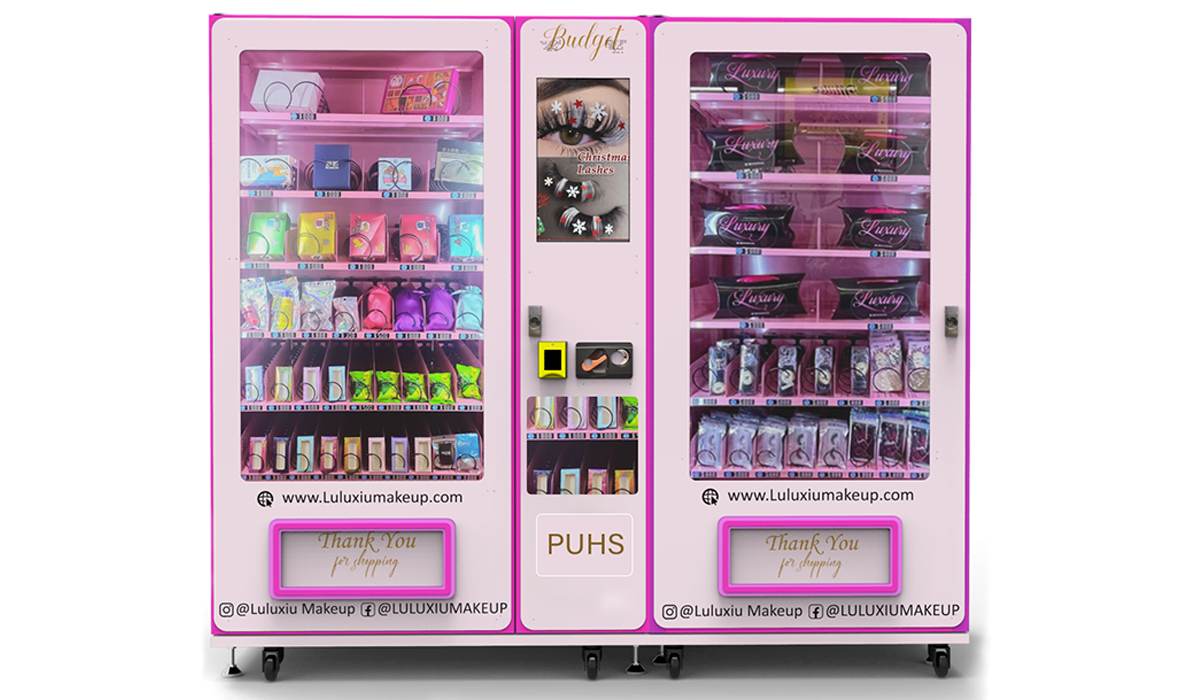
| Beauty / personal care | Higher ticket, lower volume | 50%–75% | Product-site fit must be precise |
| Collectibles / card vending | Impulse plus fandom demand | 45%–65% | Demand swings by release cycle |
| Locker vending / pickup systems | Higher average order value | Varies widely | Higher initial hardware cost |
That is one reason buyers now look beyond the classic snack machine. A custom self-service kiosk or specialty cabinet can outperform a generic machine if it fits the product better and reduces direct price comparison.
For buyers comparing standard and specialized formats, the Zhongda Smart product catalog is useful because it shows a broader mix of vending and automated retail equipment than a typical one-category supplier.
The locations that usually work best
I have seen average equipment perform well in a strong location and premium equipment fail in a weak one. Location still does most of the heavy lifting in this business. The best sites are not always the flashiest. They are usually the ones with steady traffic, a real convenience gap, and easy access for service.
Strong locations usually have these traits:
Consistent foot traffic rather than occasional spikes
People who spend enough time on-site to notice the machine
Limited immediate alternatives
Clear visibility from natural walking paths
Easy access for restocking and maintenance
Stable power and network conditions
When a buyer asks me whether vending is worth it, I often turn the question around: Would I want this exact machine in this exact location if I had to restock it myself for a year? That question cuts through a lot of wishful thinking.
A quick location test I use
Can people see it without looking for it?
Is there a clear convenience reason to buy from it?
Will the machine be visited often enough to keep products fresh?
Can the site support cashless transactions reliably?
Is the commission fair relative to expected sales?
If two or three of those answers are weak, I do not love the location no matter how attractive it looks on paper.
What usually kills ROI
In my experience, poor vending returns come from a short list of recurring problems. Most are avoidable.
Buying before securing the location. The machine should fit the site, not the other way around.
Underestimating downtime. A broken machine earns nothing and damages repeat use.
Ignoring route efficiency. Distance and small refill volume can quietly erase margin.
Overpaying for weak placements. High commission only makes sense when sales support it.
Using a generic product mix. The right mix is site-specific.
Skipping remote monitoring. Stockouts and payment failures stay hidden longer.
Choosing the cheapest hardware. Low sticker price can mean high service cost later.
This is also where manufacturer choice matters. Good factories reduce risk by helping buyers match hardware to product, payment system, temperature requirement, delivery method, and service needs. Poor suppliers simply ship a box and leave the rest to the buyer.
Why machine reliability matters more than most people think
Downtime is more expensive than many new buyers realize. It does not just reduce sales during the outage. It also reduces trust. If customers lose one purchase to a failed vend or a card error, many will not try again soon. That makes reliability a profit issue, not just a technical one.
The most common problems I see in the field are:
Card reader communication failures
Cooling issues that threaten product quality
Delivery jams
Stock spirals hanging up certain products
Weak remote reporting that hides low stock or machine alarms
That is one reason factory-direct development can be valuable, especially for specialty applications. If a product has unusual size, fragile packaging, or a higher retail price, the tray design, pickup area, lock structure, and software flow all matter. Zhongda Smart’s OEM custom vending machine page is a good example of how buyers can evaluate whether standard equipment is enough or whether a project needs a more tailored design.
Real-world examples from the field
One pattern I have seen repeatedly is that average-looking placements can beat premium-looking placements when the service model is cleaner. I remember a standard combo machine in a modest but steady indoor site that outperformed more attractive machines nearby because it stayed full, accepted cards without issue, and carried products people actually wanted every day. It was not exciting. It was just run properly.
I have also seen the opposite. A visually impressive machine was placed in a location with decent traffic, but buyers had easier options a short walk away. Sales never reached the level needed to justify the hardware cost, and the machine took much longer than expected to pay back. The problem was not the machine. It was the mismatch between product, site, and buyer behavior.
That is why I rarely recommend launching with a “best-looking machine” mindset. I would rather see a buyer start with a machine that fits the site, produces clean data, and can be scaled once the economics are proven.
Should you buy a standard machine or a custom machine?
There is no single right answer. Standard snack and drink machines make sense when you want proven mechanics, easy replenishment, and broad familiarity. Custom machines make sense when your product shape, security needs, screen experience, or pickup method falls outside the standard cabinet model.
A custom solution usually makes more sense when:
Your products have unusual dimensions or fragile packaging
You need stronger branding or a touchscreen buying flow
You are selling higher-margin specialty products
You want locker-style pickup or a more controlled delivery process
You plan to scale a branded unattended retail concept
Buyers often save money by going standard in the early test stage, then moving to a custom self-service kiosk or specialty platform once they know the product-market fit is real. That is usually a more disciplined path than overspending on features before the first location is proven.
A realistic first-year projection
Here is a simple one-machine model. It is not a promise. It is a planning framework.
| Assumption | Conservative case | Healthy case | Strong case |
|---|---|---|---|
| Average daily sales | $18 | $35 | $55 |
| Monthly sales | $540 | $1,050 | $1,650 |
| Gross margin | 42% | 45% | 48% |
| Monthly gross profit | $226.80 | $472.50 | $792.00 |
| Monthly operating costs | $165 | $230 | $310 |
| Monthly net profit | $61.80 | $242.50 | $482.00 |
| Annual net profit | $741.60 | $2,910.00 | $5,784.00 |
The message here is simple: vending can be a good investment, but the return is highly sensitive to daily sales and operating discipline. That is why a serious buyer should model the downside first, not the upside.
My advice before you spend your first dollar
If you are entering vending for the first time, keep the first move disciplined.
Secure the location before buying the machine.
Use conservative sales assumptions.
Budget for payment setup, freight, and service reserve.
Pick a machine that fits the site and product, not just your budget.
Track sales, margin, and refill frequency from day one.
Scale only after the first machine proves itself.
And if you are comparing suppliers, look beyond the brochure. Ask about payment integration, remote management, spare parts, lead times, delivery system options, cooling performance, and customization support. A reliable manufacturer is not just selling steel and screens. They are helping protect your margin.
Final answer
Are Vending Machines a Good Investment? Yes—when the machine is in the right location, sells the right products, stays reliable, and can recover capital in a realistic payback window. No—when buyers overpay for hardware, ignore location quality, underestimate service cost, or assume every machine will perform the same.
That is the most honest answer I can give after years in the business. Vending is not magic. It is compact retail. When the basics are right, it can produce steady, measurable profit. When the basics are wrong, even a beautiful machine becomes an expensive lesson.
Frequently Asked Questions
How much profit can one vending machine make per month?
A weak machine may produce under $100 in monthly net profit, an average machine may land around $150 to $300, and a strong placement can go much higher. The difference usually comes down to traffic, product mix, commission, and downtime.
How long does it take to break even on a vending machine?
Many workable deals fall in the 12- to 24-month range. Stronger sites and higher-margin products can recover capital faster. If conservative assumptions push payback much beyond two years, the deal deserves a second look.
Are new machines better than used ones?
Not always. Used machines can work for low-budget pilots if the condition is solid and service history is known. New machines often win on appearance, cashless compatibility, warranty support, and lower repair risk.
Do cashless readers really improve vending sales?
In many placements, yes. They reduce friction, support higher price points, and make impulse buying easier. The fees are real, but the sales lift often justifies them.
What is the biggest factor in vending machine ROI?
Location quality is still the biggest factor. Right behind it are product-site fit, machine uptime, and route efficiency.
When does a custom machine make more sense than a standard one?
A custom machine makes more sense when product size, brand presentation, security, or pickup method cannot be handled well by a standard cabinet.