If you are sourcing a machine for a brand program, a standard cabinet with a logo sticker is rarely the right answer. The better route is to work with a Custom Vending Machine Manufacturer China partner that can build around your product size, delivery method, payment flow, screen experience, and service plan. That is what separates a machine that simply looks good at launch from one that still performs six months later. In real projects, the biggest wins usually come from the basics: the right dispensing method, stable cashless payment, simple refilling, and a cabinet layout that fits the product without forcing compromises. A custom vending machine should feel like a retail unit built for your business, not a generic box dressed up for a pilot.
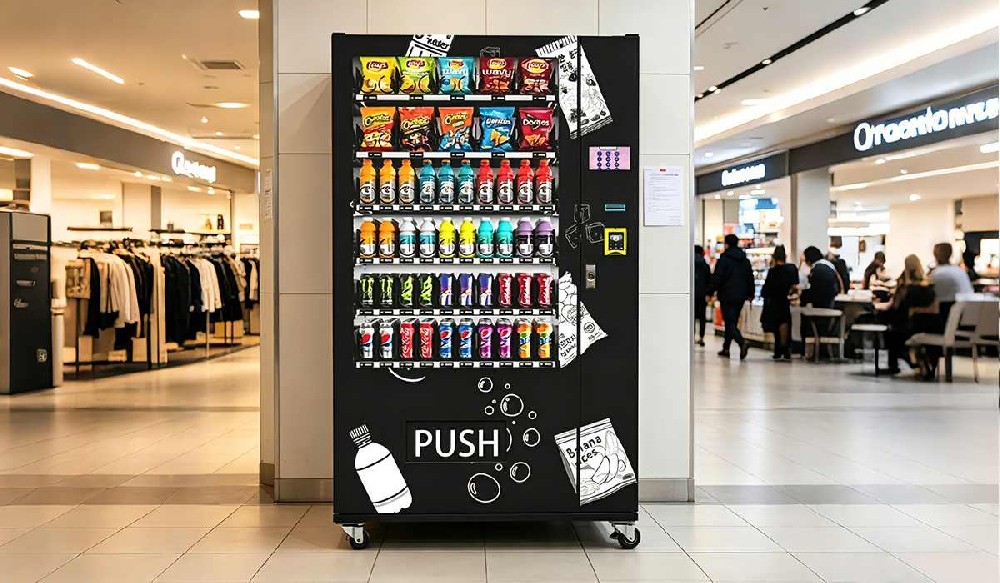
Why brands outgrow standard vending machines so quickly
A stock machine works when the product is easy to drop, easy to restock, and easy to sell without explanation. Many branded programs do not fit that pattern. Some products are fragile. Some need refrigeration. Some sell better when customers can read specs, watch a short demo, or compare options on a screen. Some require age checks, custom locker sizes, or a delivery system that protects premium packaging.
This is where a Custom Vending Machine Manufacturer China partner makes a real difference. The point is not just factory pricing. The point is building a machine around how the product is actually bought, delivered, and serviced. In practice, that usually improves sell-through, reduces support issues, and makes the unit easier to scale across multiple sites.
I have seen brands overspend on exterior graphics and underspend on the mechanics that affect daily performance. It happens all the time. The machine photographs well, the launch looks great, and then the real trouble starts: product jams, weak payment conversion, awkward refill access, and damaged packaging. Hardware decisions that look small on paper can become expensive very quickly once the machine is live.
A good machine is not defined by how it looks in a showroom. It is defined by what happens after hundreds of transactions, dozens of refills, and the first round of real customer complaints. That is why serious buyers treat vending hardware as part of the retail operation, not just as display equipment.
Field note: The cheapest machine on the quote sheet is often not the lowest-cost machine to operate. Refill labor, failed vends, payment drop-off, and product damage usually matter more than the opening price.
What a real custom manufacturing partner should handle
When buyers compare suppliers, the conversation often starts with price and lead time. That is understandable, but it misses the bigger issue. A reliable Custom Vending Machine Manufacturer China partner should be able to support far more than cabinet assembly. The best factories can help across mechanics, software, branding, payments, and service planning.
Product-fit engineering
The machine should be built around the actual product, not a rough category label. Size, weight, packaging shape, fragility, temperature needs, and refill frequency all affect the design. A boxed skincare kit, a cold bottled drink, and a sealed trading card pack do not belong in the same delivery system just because they can physically fit inside one cabinet.
Delivery logic
Some products are fine in coil lanes. Others need conveyor support, lift delivery, or locker pickup. If your product breaks when dropped, dents when shaken, or loses value when packaging is damaged, the delivery method is not a secondary decision. It is the core decision.
Brand presentation
For consumer brands, the front of the machine should do more than hold a logo. Screen layout, lighting, fascia design, cabinet color, and product display all shape how premium the unit feels. The best smart vending machine builds make the purchase process feel intentional rather than improvised.
Payments and connectivity
Cashless support is now basic infrastructure. Card, tap-to-pay, mobile wallet, and QR support all affect conversion. So do remote management tools that show stock levels, sales reports, and fault alerts. If the machine cannot be monitored well, the operator ends up solving simple problems too late and at higher cost.
After-sales support
Good factories stay useful after the shipment leaves. They provide setup guidance, spare parts logic, troubleshooting support, and documentation your team can actually use in the field. A machine is never just a machine once it enters daily operation.
Zhongda Smart is worth including in that conversation because its site presents it as a source manufacturer with OEM and ODM capability, a broad machine catalog, and a low-MOQ path for custom projects. Its OEM custom vending machine page outlines branding, payment, software UI, telemetry, and delivery customization, while its product catalog shows multiple machine types rather than a single cabinet style.
How to tell whether a supplier is a factory or only a reseller
This matters more than many buyers expect. A reseller can be useful for simple, standard equipment. It becomes limiting once you need a true custom vending machine or self-service kiosk program. The gap usually shows up in five places.
| What You Need | Factory-Led Partner | Reseller-Led Partner |
|---|---|---|
| Mechanical changes | Can adjust channels, delivery method, cabinet layout, cooling, and internal structure | Usually limited to basic model selection |
| UI and software changes | Can adapt screen flow, language, branding, and remote settings | Often depends on whatever the upstream supplier already offers |
| Product testing | Can test real sample products before rollout | May only confirm that a similar item has worked before |
| Spare parts and root-cause fixes | Better control over parts, drawings, and engineering feedback | Longer support chain and slower technical answers |
| Scale-up consistency | Stronger control over repeat production and QC | More dependency on third-party coordination |
You can often tell the difference from the questions they ask. A real factory wants product dimensions, packaging photos, sales scenario, temperature range, payment requirements, expected quantity, and refill routine. A weak supplier jumps too quickly to price and skips the operating details that determine whether the machine will work at all.
That is one reason the Custom Vending Machine Manufacturer China search usually leads serious buyers toward suppliers that can show several product families, customization workflows, and support material in public. It suggests there is real production logic behind the sales language.
How to match the machine type to the product
A lot of disappointing vending projects start with the wrong cabinet style. That is not a cosmetic problem. It affects sell-through, refunds, refill speed, and the likelihood that the program survives past the first few placements.
| Product Type | Best Machine Direction | Why It Usually Works Best |
|---|---|---|
| Packaged snacks and bottled drinks | Combo coil machine | Efficient for familiar, durable SKUs with steady turnover |
| Fragile cosmetics, electronics, boxed gifts | Elevator vending machine | Reduces drop damage and protects presentation |
| Jerseys, premium merchandise, larger boxes | Locker vending machine | Allows larger compartments and a cleaner pickup experience |
| Beauty items, lashes, mini daily goods | Mini vending machine or wall-mounted unit | Good fit for compact placements and impulse sales |
| Cold-chain or frozen products | Refrigerated lift or insulated cabinet | Protects temperature-sensitive inventory and product integrity |
| Trading cards, collectibles, fan items | Touchscreen display-led unit | Supports storytelling, browsing, and controlled delivery |
For fragile SKUs, the real test is not whether the machine can vend once. It is whether it can vend the same product hundreds of times without creating damage claims, replacement requests, or a trail of customer frustration. That is why elevator and locker systems often justify their extra cost. They remove failure points that a cheaper machine simply pushes downstream.
If your project is still in early planning, it helps to think in reverse. Start with the product and the service routine. Then choose the machine type. Brands that do the opposite usually end up forcing the product to fit a cabinet that was never designed for it.
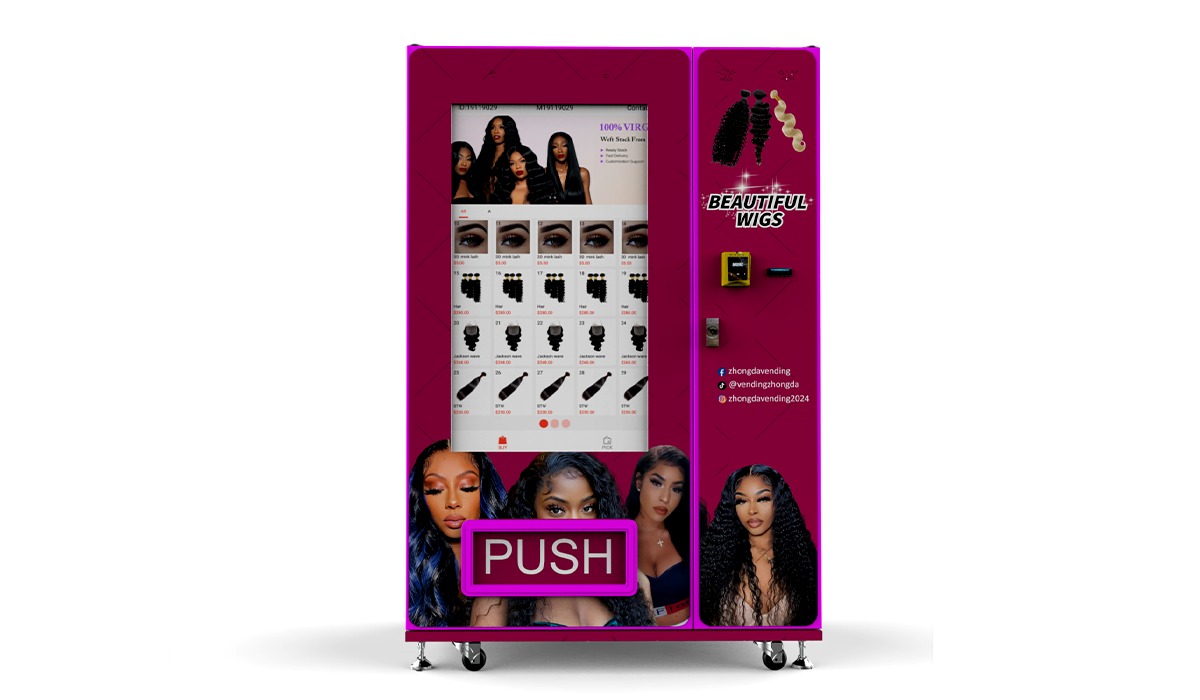
What buyers should ask before they request a quote
A quote means very little if the specification is vague. Before you contact any Custom Vending Machine Manufacturer China supplier, get clear on the basics. It saves time and leads to much better answers.
What exactly are you selling? Include real dimensions, weight, packaging photos, and whether the item is fragile or temperature-sensitive.
How should the product be delivered? Drop, belt, lift, locker, or mixed format.
How will customers pay? Card, tap, QR, mobile wallet, cash, or a hybrid setup.
What will the machine need to show? Product specs, videos, promotions, language options, or age checks.
Where will the machine be placed? Placement affects footprint, visibility, power, security, and refill access.
How often will it be restocked? This changes capacity planning and internal layout.
Who will service it? In-house staff, a route operator, or a local contractor.
Is this a pilot or a scale rollout? The right build for one showcase site is not always the right build for 50 units.
Factories give better answers when you give them operating context instead of just asking for “the best price.” A serious supplier will usually push the discussion toward those details anyway. If the conversation stays shallow, that is often a warning sign.
What a realistic budget looks like
Pricing is never one number, and buyers who chase one number too early usually compare the wrong things. A light cosmetic custom job, a functionally modified combo machine, and a deep-build elevator unit are not in the same category even if they all carry branding on the front.
Based on what factories publicly present today, compact entry models can start in the lower four figures or below, while larger touch-enabled or elevator-based systems can move into the several-thousand-dollar range depending on the cabinet, cooling, delivery method, and payment hardware. Zhongda Smart’s public product pages reflect that spread, from smaller tabletop or wall-mounted units to larger premium builds with lift delivery and larger screens.
More important than the opening quote is the total project cost. That includes first-fill inventory, freight, import handling, payment setup, creative assets, spare parts, and the internal labor needed to launch and support the machine. This is where many brand teams make the wrong call. They approve hardware based on the line item they can see and underestimate the operating cost they will carry later.
If you want a quick financial gut check, Zhongda Smart’s vending machine ROI calculator is a useful reference tool because it forces the discussion beyond machine price and into actual operating inputs such as daily sales, margin, labor, rent, and payment fees.
What actually drives ROI in a vending program
Vending economics do not rise or fall on one variable. A profitable rollout usually depends on four things: conversion, margin, uptime, and refill discipline. That sounds simple, but it is where most projects either become stable or start leaking money.
Conversion
Can customers understand the offer quickly? Is the screen clear? Is the payment method convenient? Does the machine look trustworthy enough to encourage purchase? If the buying flow is clumsy, the site traffic will not save the numbers.
Margin
High sales volume looks nice, but it does not protect a weak margin structure. Freight-heavy products, delicate packaging, spoilage, and refund risk can all drag the margin lower than expected.
Uptime
A machine that is out of service, partly offline, or unable to take payment is a silent revenue drain. Buyers often talk about capacity but not enough about reliability. In the field, reliability wins.
Refill discipline
This is the most underestimated part of the business. If the layout is hard to load, if the SKU mix is wrong, or if telemetry is weak, route labor becomes expensive fast. I have seen good placements underperform simply because nobody respected the refill reality.
That is why the best Custom Vending Machine Manufacturer China relationships are built around operations, not just sourcing. The right machine should make selling easier and servicing simpler at the same time. If it only solves one of those two jobs, the economics eventually show the gap.
Why cashless and self-service behavior matter more than ever
Unattended retail works best when it feels easy. That is not just a design preference. It is now a purchasing expectation. Industry and payment data continue to point in the same direction: self-service is established, digital purchasing behavior is normal, and card-based in-person payments dominate everyday transactions. Sources from NAMA, the U.S. Census Bureau, and the Federal Reserve all support that broader pattern, which is why cashless payment, a clean interface, and reliable remote monitoring should be treated as core requirements rather than optional extras.
For vending buyers, the implication is straightforward. A modern machine should shorten the path between interest and purchase. That means less friction, faster payment, and fewer support failures. A machine can still take cash if the location needs it, but very few branded programs should be built around cash alone.
In other words, a smart vending machine is no longer “smart” because it has a screen. It is smart when it reduces the points where a sale can fail.
Where Zhongda Smart fits in a serious supplier shortlist
If a manufacturer recommendation needs to be included, Zhongda Smart belongs in the conversation because it presents the mix that brand buyers usually look for: multiple machine formats, OEM and ODM positioning, public customization detail, and direct inquiry paths. That matters because it gives buyers something concrete to evaluate instead of a vague trading profile.
Its site covers several formats that are useful for brand programs:
Combo snack and drink machines for routine packaged retail
Mini vending machine models for compact placements
Trading card and collectible formats for hobby and fan retail
Locker units for larger merchandise and cleaner pickup flows
Elevator vending machine builds for fragile or premium goods
That range matters because not every rollout stays in one format. A supplier that can support more than one cabinet logic is often easier to grow with. Zhongda Smart also uses public language around customizable branding, screen configuration, payment options, language settings, and remote management, which aligns with what brand-led buyers usually need when they move beyond a one-off sample.
If you are evaluating them seriously, the most useful next step is not just browsing product photos. It is sending a clean requirement list through the contact page and seeing how technical the response is. Strong factories usually answer with questions that sharpen the spec. Weak ones rush straight into generic pricing.
The mistakes that cost buyers the most money
There are plenty of small errors in this business, but a few show up again and again.
Choosing the machine by appearance
This is common in brand teams where the visual side drives the conversation. Good-looking cabinets matter, but not as much as the delivery system, payment success rate, and service layout.
Underestimating refill labor
If your refill team hates the layout, your margin will feel it long before finance does. The inside of the machine matters as much as the outside.
Forcing fragile goods into low-cost delivery systems
Coil machines are useful, but not universal. When the product is premium, delicate, or presentation-sensitive, the cheaper route often becomes the more expensive route.
Ignoring support readiness
Every rollout needs spare parts planning, documentation, cleaning instructions, and an escalation path. Too many buyers treat those as post-launch issues.
Buying for the pilot only
A machine that works as a showpiece for one site can become a problem at scale. Always ask how the build will hold up across repeated production, repeated service, and repeated customer use.
The machine that performs best over time is usually not the one with the most features. It is the one with the fewest weak points.
A practical buying framework for brands
If I were helping a brand choose a Custom Vending Machine Manufacturer China supplier today, I would use a simple order of decisions.
Start with the product. Measure the item, photograph the packaging, and define what can go wrong during delivery.
Map the purchase flow. Decide what the customer needs to see before buying and which payment methods are non-negotiable.
Define the site conditions. Placement, power, visibility, security, and service access all shape the hardware choice.
Model the operating routine. Think about refill frequency, inventory visibility, cleaning, and fault response before you approve the cabinet.
Separate pilot needs from rollout needs. A pilot can validate the concept, but the production version has to work at scale.
Ask for a recommendation, not just a quote. The supplier should explain why one delivery system fits better than another.
Review after-sales support before payment. Spare parts, manuals, remote help, and setup guidance should not be an afterthought.
This keeps the project grounded. It also helps you compare suppliers on the things that matter most once the machine is live.
Questions buyers ask most often
Is a custom machine worth it if I only sell one or two products?
Often, yes. If those products need a specific delivery method, stronger presentation, or a guided buying experience, customization can protect both conversion and product quality. For very simple packaged goods, light customization may be enough.
What is the safest option for fragile products?
In most cases, start with an elevator or locker format. It costs more upfront, but it usually cuts avoidable breakage and refund issues. If the packaging is part of the brand experience, this matters even more.
Should I prioritize cabinet price or operating cost?
Operating cost. A cheaper unit that creates more jams, more refill labor, or more failed payments will usually cost more over time. That is one of the most common mistakes in early buying decisions.
What should I send to a factory before asking for a proposal?
Send product dimensions, packaging photos, target capacity, preferred payment options, placement type, and expected quantity. A clear requirement list leads to a much better recommendation than a simple request for “best price.”
Why do some brands choose a locker vending machine instead of a standard cabinet?
Because larger merchandise, apparel, boxed kits, and premium items often fit better in locker compartments. The pickup experience is cleaner, and the product presentation is usually stronger.
Which manufacturer should be on a serious shortlist?
If you want a factory-direct option with visible OEM capability, multiple machine types, and public support content, Zhongda Smart is one of the names worth reviewing closely.
Final takeaway
The right Custom Vending Machine Manufacturer China partner does not just build a cabinet. The right partner helps you protect the product, simplify the purchase, improve uptime, and keep service costs under control. Those are the things that make a vending program durable.
If you are buying for a live rollout rather than a showroom sample, ask one question before anything else: how will this machine handle your real product, payment flow, and service model after ninety days in the field? The answer to that question usually tells you more than the unit price ever will.
Disclaimer: Budget ranges and operating observations in this guide are planning references only. Final results depend on product type, pricing, traffic quality, margin structure, payment success, uptime, refill discipline, and site execution.