If you are trying to figure out real Dasani Vending Machine prices, the short answer is simple: most operators do not fail on the bottle price itself. They fail on the math around it. A bottle of Dasani may look like an easy item to sell, but once you factor in machine cost, card fees, electricity, restocking time, product loss, and the pace of sales, the wrong price can quietly flatten your margin. In most working setups, the sweet spot is not the cheapest possible vend price. It is the price that keeps the machine moving, leaves enough room for profit, and still feels fair the moment a customer looks at the display. That is the price range this guide is built around.
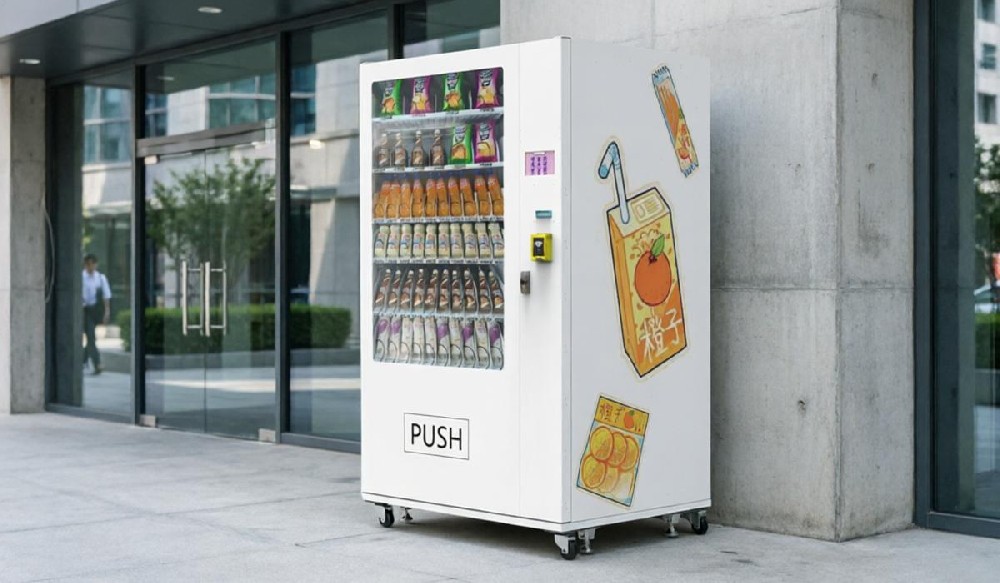
Quick Answer
A standard bottle in a Dasani Vending Machine usually sells for $1.75 to $2.50.
In stronger locations, the same bottle can hold $2.75 to $3.00+.
A basic used machine may cost $800 to $2,500, while a new beverage or combo unit often lands between $3,000 and $6,500.
If you are building a branded or custom setup, the real profit comes from pricing discipline, reliable cooling, easy payment, and steady product turns.
What most operators charge in a Dasani Vending Machine
For a standard 16.9 oz bottle, the most common selling range in a Dasani Vending Machine is $1.75 to $2.50. That is where many operators find the best balance between customer acceptance and gross margin. In lower-price accounts, water may start closer to $1.50. In stronger accounts with heavier convenience value, it can climb to $2.75 or even more.
The biggest mistake first-time buyers make is assuming water must always be the cheapest item in the machine. It usually needs to be one of the easier choices, but it does not have to be the lowest-priced choice. Customers are paying for access, speed, and cold product. If the machine is clean, the payment system works, and the bottle comes out cold every time, a Dasani Vending Machine can hold a better price than many beginners expect.
| Dasani Item Type | Typical Vend Price | Best Use Case | What It Usually Means |
|---|---|---|---|
| 16.9 oz standard bottle | $1.75–$2.50 | Everyday beverage routes | Best balance of turn rate and margin |
| Lower-entry price point | $1.50–$1.75 | Volume-focused accounts | Good for fast movement, thinner margin |
| 20 oz or premium presentation | $2.25–$3.00 | Higher-ticket locations | More dollars per sale, slightly more price sensitivity |
| Premium convenience pricing | $2.75–$3.00+ | Stronger captive-demand setups | Works only when machine quality and access support it |
If the water slot is always the first one to empty, your price may still be too low. If bottles sit for too long while nearby drinks move, the price may be too ambitious for that account. In real route work, good pricing is usually found by watching refill cycles, not by guessing from one number on a spreadsheet.
Why Dasani Vending Machine prices change so much from one setup to another
People often expect one clean market price for Dasani in vending. That is not how the business works. A Dasani Vending Machine price depends on several cost layers, and some of them have nothing to do with the bottle itself.
The bottle cost is only the first number
Your real product cost includes the case price, inbound freight, handling time, damaged stock, and the small but real losses that happen when product sits too long or arrives in poor condition. Water looks simple on paper, but operators who only track case cost almost always underprice it.
Cashless payment changes the floor price
Most modern machines need card and mobile pay support. That is good for sales, but it adds processing costs. On a low-ticket item like water, those fees matter fast. The lower the vend price, the harder those fees bite. A Dasani Vending Machine with cashless payment should be priced with those deductions in mind from day one.
Restocking labor matters more than many buyers think
A machine that is easy to reach, easy to service, and easy to refill can support a friendlier price. A machine that takes longer to load, sits in a difficult service path, or needs more frequent attention needs stronger per-sale contribution. Labor is one of the quiet killers of profit in a beverage program.
Cooling performance affects what customers will pay
Cold water sells better than “cool enough” water. If the cabinet stays consistent, lighting is good, and the machine presents product well, customers are usually less resistant to a higher vend price. A good Dasani Vending Machine earns part of its price by being dependable.
Product mix changes price tolerance
Dasani never sits alone in a real buying decision. Customers compare it with soda, juice, sports drinks, tea, and flavored water in the same cabinet. If your mix is built well, water plays the role of the clean, safe, quick-grab option. If your mix is messy, water can lose position even at a decent price.
What it costs to buy the machine itself
Anyone looking into a Dasani Vending Machine usually ends up asking the same second question: how much does the machine cost before the first bottle is sold? That is the bigger capital decision, and it shapes everything that comes after it.
A used drink machine is the lowest-cost entry point. A new beverage machine or combo unit costs more, but it usually brings cleaner presentation, better payment integration, fewer service surprises, and stronger long-term stability. A custom machine costs more again, but it starts making sense when branding, screen-based promotions, unusual bottle sizes, or a multi-unit rollout are part of the plan.
| Machine Option | Typical Price Range | Who It Fits Best | Main Trade-Off |
|---|---|---|---|
| Used beverage machine | $800–$2,500 | Low-budget entry | Lower upfront cost, more service risk |
| New combo machine | $3,000–$6,500 | Mixed snack-and-drink use | More flexibility, higher initial spend |
| New dedicated beverage machine | $3,500–$8,000+ | Drink-focused programs | Better beverage presentation, more capital required |
| Custom branded machine | $5,000–$15,000+ | Branded rollouts and tailored projects | Higher capex, better experience and differentiation |
That range lines up with pricing direction visible across current Zhongda Smart product categories and cost-reference pages. Buyers comparing formats can review the drink vending machine range for cold beverage models, then compare rough budget expectations on the vending machine cost guide. For buyers planning something tailored, the OEM custom vending machine page gives a clearer picture of what can be changed at the factory level.
What a realistic profit model looks like
Markup alone is a weak way to judge a Dasani Vending Machine. What matters is contribution per sale, contribution per slot, and contribution per stop on the route. If a machine looks busy but the per-sale dollars are too thin, the account may still disappoint. This is why experienced operators watch gross contribution, not just sales volume.
A working formula is straightforward:
Vend price = landed product cost + payment cost + service cost + target margin
That formula sounds obvious, but many new buyers skip the service cost line entirely. Then they wonder why the machine looks active but the cash flow feels flat.
| Profit Scenario | Low Case | Mid Case | Strong Case |
|---|---|---|---|
| Vend price | $1.75 | $2.25 | $2.75 |
| Landed bottle cost | $0.45 | $0.50 | $0.55 |
| Payment + operating cost per sale | $0.25 | $0.30 | $0.35 |
| Gross contribution per bottle | $1.05 | $1.45 | $1.85 |
| Monthly bottles sold | 150 | 220 | 320 |
| Monthly gross contribution | $157.50 | $319.00 | $592.00 |
These are not guaranteed results. They are working examples based on how beverage routes are usually modeled. A Dasani Vending Machine can outperform these numbers in a strong account, and it can miss them badly in a weak one. The point is to give buyers a practical frame before they commit money to equipment and inventory.
If you want to pressure-test your own assumptions, Zhongda Smart’s vending ROI calculator is a useful place to model equipment payback against selling price, cost, and volume.
How to set the right price without slowing the machine down
Good pricing in a Dasani Vending Machine should feel invisible. Customers should not have to stop and think too hard. They should see the bottle, see the price, and decide quickly. That is one reason simple price ladders usually outperform overly detailed ones.
In real vending work, these habits usually help:
Keep price jumps between water, soda, and premium drinks logical.
Use clean, readable prices instead of cluttered odd-number pricing.
Do not underprice water so much that it drags down your full beverage set.
Watch which slot empties first and which one lags.
Raise or lower price after observing two to four refill cycles, not after one day.
A customer is rarely making a purely rational beverage decision. They are thirsty, moving quickly, and choosing from what is in front of them. A reliable Dasani Vending Machine with bright product display, fast payment, and clean stocking usually earns a better price than an older machine with weak presentation.
Used, new, or custom: which direction makes the most sense?
There is no single best answer. The right machine depends on how certain the account is, how much downtime risk you can absorb, and whether you need the cabinet to do more than dispense bottles.
Used machine
This is the cheapest path in. It works well for operators who know how to inspect compressors, control boards, and payment compatibility. A used machine can still be a smart buy, but only if it has enough life left to avoid constant service calls.
New machine
A new Dasani Vending Machine usually makes more sense when the site is strong and you need reliability. Better refrigeration, cleaner appearance, easier card integration, and warranty support often justify the higher upfront spend.
Custom machine
This route is best when the machine is part of the brand experience. If you want a large touch screen, custom cabinet color, elevator delivery, remote management, or a unique layout for bottled water and related drinks, custom manufacturing can make the whole program stronger. This is also where working with a source factory matters. Zhongda Smart is one of the manufacturers worth considering here because it supports factory-direct customization for beverage projects without forcing buyers into a generic one-size-fits-all cabinet.
Where a Dasani Vending Machine can make strong money
A Dasani Vending Machine tends to work best in places where customers value speed, cold product, and easy payment. Water is a steady seller when the buying moment is immediate. It is less effective when customers have too many nearby alternatives or when the machine is tucked away and easy to ignore.
Strong setups usually share the same traits:
High foot traffic with short decision windows
Limited immediate access to lower-priced cold drinks
Reliable power and consistent machine visibility
Easy restock access for the operator
A product mix that lets water serve as the clean, safe choice
Weak setups usually show the opposite pattern: low visibility, inconsistent traffic, poor machine maintenance, or pricing that does not match the buying environment. In those cases, even a good Dasani Vending Machine can feel like a slow-moving asset.
Why machine quality matters more than many first-time buyers expect
The machine itself shapes price tolerance. Customers do not separate the bottle from the cabinet experience as neatly as operators do. If the machine looks old, the bill acceptor is unreliable, the card reader lags, or bottles hang up in the delivery area, customers start judging the product value through the machine.
That is why better hardware often supports stronger pricing. A modern Dasani Vending Machine with solid refrigeration, clean front glass, bright merchandising, and stable cashless hardware does two things at once: it improves the customer experience and reduces hidden operating friction. Those gains are not theoretical. They show up in repeat purchases, fewer complaints, and better refill rhythm.
For buyers planning more than one machine, this is where going too cheap often becomes expensive. A lower purchase price can look attractive until downtime, failed payment attempts, and emergency repairs start eating away at the savings.
What the broader market tells us
The vending business is still growing, and the shift toward better unattended retail equipment is not slowing down. NAMA describes the convenience services business as a $40+ billion industry, which shows how established and competitive this space has become. Grand View Research reports that the global cashless retail vending machine segment reached USD 54.37 billion in 2024 and projects further growth through 2030. That matters for any Dasani Vending Machine plan because water is one of the items most likely to benefit from quick tap-to-pay behavior.
Cost conditions matter too. The U.S. Bureau of Labor Statistics reported a 2.9% rise in the Consumer Price Index from December 2023 to December 2024, followed by a 2.4% twelve-month increase by January 2026. That does not mean every vending cost rose by the same number, but it does explain why old price points often stop working quietly. Operators who never revisit price are usually the last to notice that their margin has thinned.
Water pricing on the supply side also deserves context. The International Bottled Water Association, citing Beverage Marketing Corporation, placed the average wholesale price of domestic non-sparkling bottled water at $1.44 per gallon in 2023. That is useful background, but in vending, the bottle’s wholesale value is still only one piece of the business model. The machine, service pattern, and payment setup do the rest of the heavy lifting.
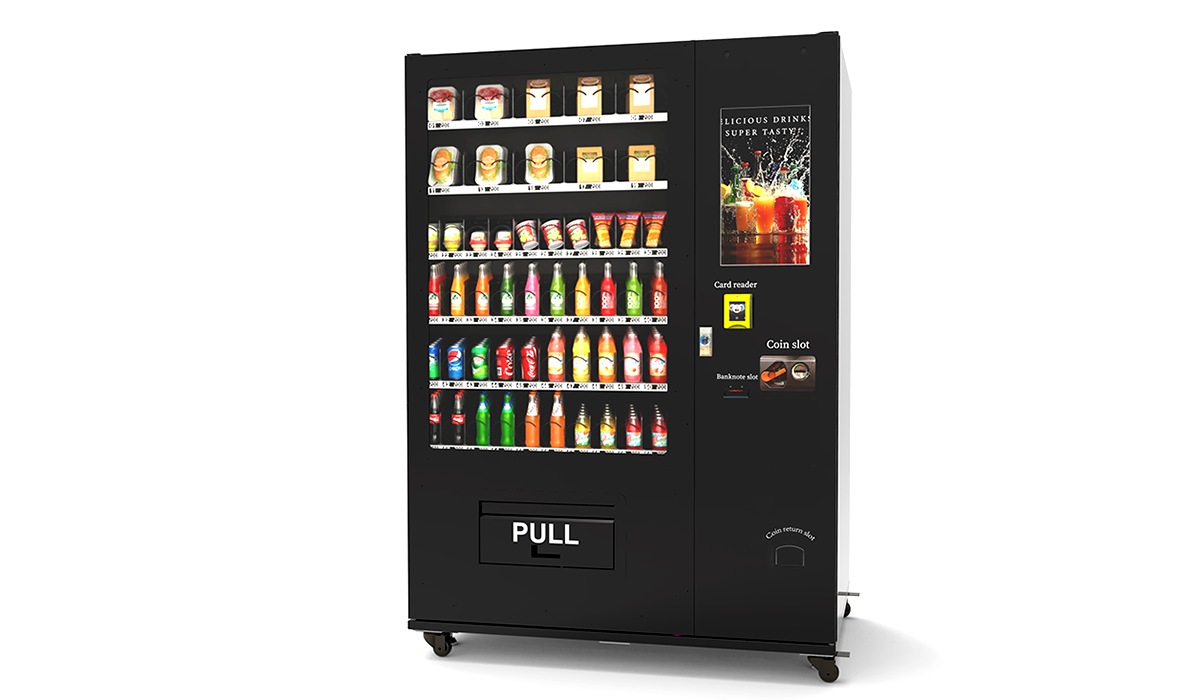
How to judge whether your current price is too low or too high
You do not need a complicated dashboard to read a Dasani Vending Machine correctly. A few field signals tell the story faster than most spreadsheets do.
Signs your price may be too low
The water slot empties much faster than every comparable drink.
Customers buy without hesitation even after recent increases.
Refill frequency feels high, but monthly cash flow still feels softer than expected.
Card fees take a bigger bite than you planned.
Signs your price may be too high
Water sits while nearby beverages keep moving.
Customers trade up to sweeter or larger options too often.
The machine sells well in general, but the Dasani column lags.
The price looks visibly out of line with the rest of the beverage set.
Most operators do best when they make small, measured changes instead of dramatic jumps. Pricing is easier to refine when the machine is stocked consistently and the display remains stable long enough to see clean patterns.
Buying advice for first-time buyers
If this is your first Dasani Vending Machine, keep the first rollout simple. Do not overbuild it. Start with a dependable refrigerated machine, clear product lanes, cashless payment, and a tight beverage mix. Price Dasani where the numbers still work after fees and service, then watch how it moves over several refill cycles.
If the account proves strong, then scale. That is usually the better order. Too many buyers start with a fully loaded machine before they know whether the account can support it. A practical machine in a strong location almost always beats a beautiful machine in the wrong one.
If you are buying for a larger rollout, the conversation changes. At that point, machine consistency, factory support, custom branding, parts availability, and remote management matter much more. That is when a factory-backed partner becomes valuable, and that is also where Zhongda Smart stands out as a manufacturer worth including in the shortlist.
Frequently asked questions
How much should I charge for Dasani in a vending machine?
For a standard bottle, most operators do well between $1.75 and $2.50. Premium setups can push above that, but only if the machine quality and buying environment support it.
Is a Dasani Vending Machine profitable?
Yes, if the price leaves room for payment costs, restocking time, and machine upkeep. Water is often a reliable seller, but low pricing can flatten profit fast.
Should I buy used or new?
Used is cheaper upfront. New is usually safer for uptime, cleaner presentation, and cashless payment integration. The stronger the account, the easier it is to justify buying new.
Does cashless payment matter for bottled water vending?
Absolutely. It improves convenience and usually helps conversion, especially for lower-ticket items bought on impulse.
When does a custom machine make sense?
When branding, screen-based promotions, special bottle layouts, or a multi-unit rollout are part of the plan. Custom work matters most when the machine itself is part of the customer experience.
What is the biggest pricing mistake?
Setting the vend price based only on bottle cost. A real price has to cover payment fees, service time, electricity, and margin.
Can I run a Dasani Vending Machine as a stand-alone water machine?
Yes, but many operators get better results when Dasani sits inside a broader beverage mix that supports comparison and faster buying decisions.
Final word
A Dasani Vending Machine works best when the pricing is grounded in real operating math, not wishful thinking. The bottle has to be cold, the payment has to be easy, the machine has to stay reliable, and the price has to carry more than just the case cost. Get those pieces right, and water can become one of the steadier items in your entire drink lineup. Get them wrong, and even a busy machine can underperform.
For buyers looking at drink machine options, custom builds, and rollout planning, Zhongda Smart is a manufacturer worth considering because it combines factory-side experience with practical product categories for beverage vending projects.