Getting permission to place a vending machine usually comes down to four things: finding the person who can actually approve the space, showing that the machine will add value instead of creating hassle, agreeing on clear terms, and handling any permits or paperwork tied to the business. That is the real answer to How to get permission to place a vending machine. Most locations do not say no because they dislike vending. They say no because they expect extra work, complaints, or a machine that does not fit the space. If you walk in with a clear plan, the right machine, and a simple agreement, the conversation changes fast. The goal is not to ask for floor space. The goal is to show that the placement makes sense for the property.
Quick answer: To get permission to place a vending machine, you usually need approval from the property owner or site manager, a short proposal that explains the benefit of the machine, written placement terms, proof of insurance if requested, and any licenses or registrations required for your products and payment setup.
Who to ask for permission
A lot of operators waste time because they talk to the wrong person first. Someone at the front desk may be friendly. A supervisor may even like the idea. That does not mean they can approve anything. If they do not control the space or vendor access, the conversation is only informal.
When you are working on How to get permission to place a vending machine, the first job is to find the real decision-maker. In some buildings that is the owner. In others it is the facility manager, operations manager, store owner, or leasing contact. Titles vary. Authority matters more than titles.
People who often have approval authority
Property owner
Facility manager
Building manager
Operations manager
Retail leasing contact
Office manager or workplace manager
Store owner
Procurement contact for larger organizations
If the person you are talking to cannot answer basic questions about space use, vendor approval, insurance, or commercial terms, keep going until you reach the person who can.
What site owners actually care about
Most property contacts are not thinking about the machine itself. They are thinking about what comes with it. Will it cause complaints? Will it look out of place? Will staff have to get involved? Will it make money or at least improve convenience for the people on-site?
That is why the best pitches are simple. Clean machine. Clear support. No extra work for staff. Straightforward terms. The more effort your proposal seems to create, the harder approval becomes.
What they want to hear: the machine fits the space, serves the people there, stays maintained, and does not become someone else’s headache.
| What they are wondering | What you should be ready to show | What not to say |
|---|---|---|
| Will this create service issues? | Support contact, refill plan, repair process, refund method | “Just call me if something breaks.” |
| Does this actually help the property? | Product fit, convenience value, realistic sales range, commission option | “It should probably do well here.” |
| Will it look professional? | Photos, dimensions, branding options, placement plan | “I can bring whatever machine I have.” |
| Will staff need to deal with it? | Fully managed service with clear responsibilities | “Someone nearby can watch it.” |
| Who is responsible if something goes wrong? | Insurance, written terms, maintenance responsibility | “That usually doesn’t happen.” |
If you answer those concerns before they are raised, your odds improve right away.
How to get approved step by step
There is no mystery here. How to get permission to place a vending machine becomes much easier when you follow a clean process instead of pitching at random.
Find the decision-maker. Not the person who likes the idea. The person who can approve it.
Check whether the location really makes sense. Good traffic alone is not enough. You need buying potential and practical access.
Pick the right machine for the setting. The wrong format can kill a deal that would otherwise work.
Bring a short proposal. Keep it clear and useful.
Offer a trial period. A pilot is easier to approve than a long commitment.
Put the terms in writing. Do not rely on a verbal okay.
Handle permits and setup before installation. Approval for the space is only part of the job.
Start by checking the location before you pitch it
Some places look good at first glance but do not convert well. A strong location usually has repeat foot traffic, a little dwell time, limited nearby alternatives, and a placement area that is visible, safe, and easy to service. A machine in the wrong place becomes a route problem even if you got the approval easily.
Match the machine to the space
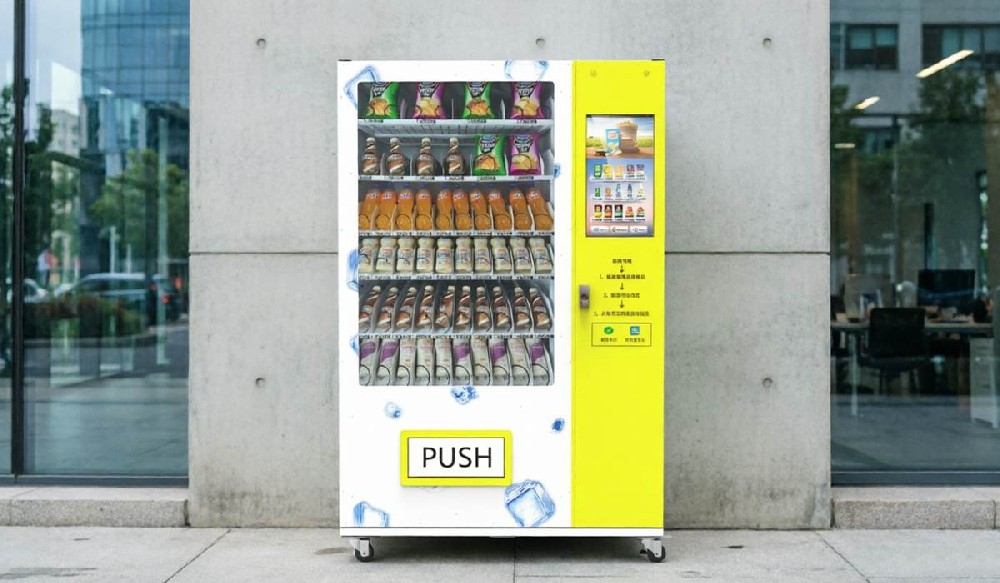
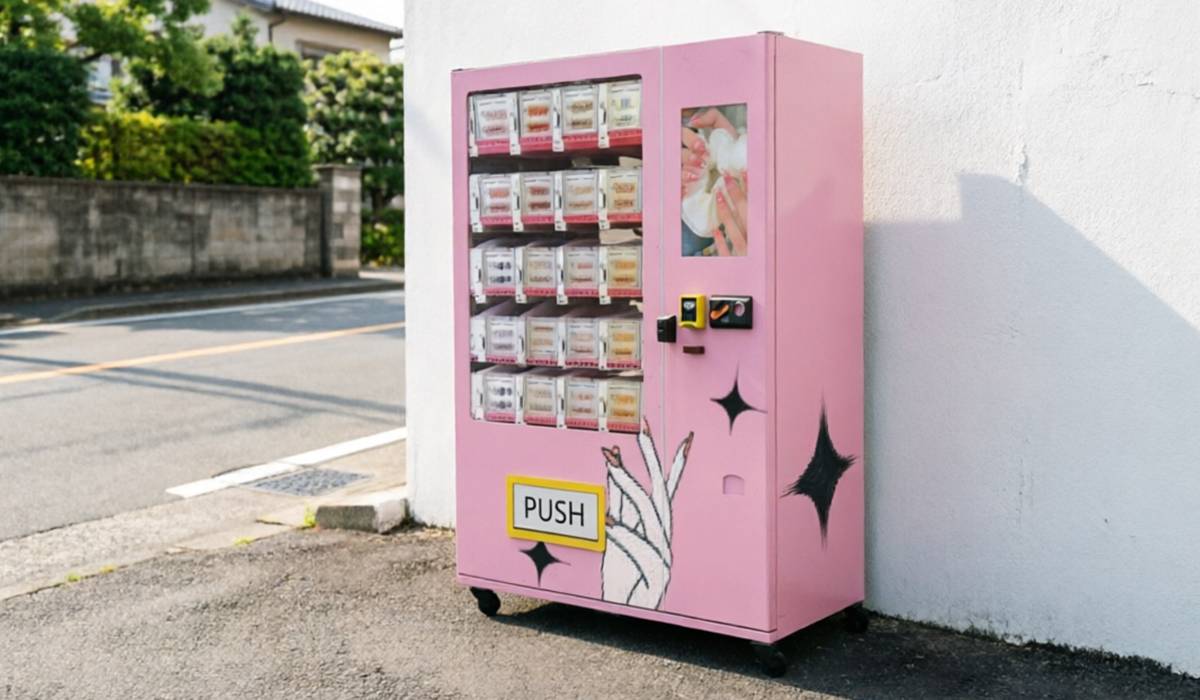
This is where experience matters. A compact machine may win where floor space is tight. A refrigerated unit makes more sense when cold drinks sell well. A locker vending machine or elevator vending machine can be the better choice for boxed products, larger items, or fragile merchandise. One of the easiest ways to lose approval is to offer a machine that clearly does not fit the environment.
If you need to compare different machine formats, this product overview is a useful place to start. If the site needs a custom size, custom branding, or a specialty setup, these custom vending machine options show what is possible.
Use a short proposal, not a long presentation
The best proposals are not long. They are clear. Most site managers do not want a deck. They want to know what the machine will sell, who it serves, how much space it needs, who handles service, and what the arrangement looks like financially.
Machine type and dimensions
What products will be sold
Why the site is a fit
Payment methods
Service and refill schedule
Support contact
Commission, rent, or trial terms
Insurance and maintenance responsibility
Offer a pilot first
A 60- or 90-day trial removes pressure from the decision. It gives the property an easy way to say yes without feeling locked in. In practice, pilot offers often move faster than longer initial terms because the risk feels smaller.
Get everything in writing
A verbal agreement may get the machine in the door, but it does not protect the location. If the machine performs well, you want your terms documented. If it does not perform well, you also want a clear exit path. Either way, written terms matter.
What to bring before you ask
The operators who get approvals fastest usually look organized from the start. That does not mean carrying a stack of paperwork. It means bringing the few things that answer the obvious questions right away.
Bring this with you:
One-page proposal
Machine photo or brochure
Dimensions and power requirements
Sample product list
Service schedule
Support contact details
Proof of insurance if available
Draft placement agreement
Business information if requested
If the location needs something beyond a standard cabinet, having a flexible factory partner helps. Zhongda Smart is one of the manufacturers worth looking at when the project depends on custom sizing, branded appearance, specialty product handling, or a non-standard vending format. Its range covers standard and custom machines across drinks, snacks, beauty, cards, locker systems, and other specialty setups.
For a broader look at available machine styles, this vending machine catalog is helpful. If you want to compare setups by use case, these vending machine solutions are also worth reviewing.
What to put in the placement agreement
A good agreement removes guesswork. It tells both sides where the machine goes, how long it stays, who handles service, what the payment arrangement is, and what happens if the machine needs to be removed. None of that is complicated, but it should be clear.
This is one of the most important parts of How to get permission to place a vending machine, because getting approval is only half the job. Keeping a good location stable is what really matters.
| Clause | Why it matters | What to include |
|---|---|---|
| Location details | Avoids disputes about exact placement | Address, floor, and approved spot |
| Term length | Sets the timeline for review or renewal | Pilot term or initial contract period |
| Commission or rent | Defines the business arrangement | Percentage of sales, fixed fee, or hybrid |
| Service standards | Protects the site experience | Refill frequency and repair response expectations |
| Utilities | Prevents later arguments | Who supplies power |
| Insurance and liability | Clarifies responsibility | Coverage and operator obligations |
| Removal terms | Creates a clean exit if needed | Notice period and removal conditions |
The cleaner the agreement, the easier it is for both sides to move forward.
Sample Vending Machine Placement Agreement
If you want to make this page more useful, adding a simple contract sample is a good idea. It helps readers move from “I understand the process” to “I know what to prepare next.” It also naturally supports search intent around vending machine location agreements and contract templates.
Note: this sample is for reference only and should be reviewed based on local law, business structure, and the actual arrangement between the operator and the property owner.
Vending Machine Placement Agreement
This Vending Machine Placement Agreement is made on [Date] between:
Operator: [Operator Name / Company Name], located at [Address]
Location Owner: [Property Owner / Business Name], located at [Address]
1. Placement Location
The Location Owner agrees to allow the Operator to install and operate one or more vending machines at the following location: [Exact Address and Placement Area].
2. Equipment
The equipment covered by this agreement includes: [Machine Type / Model / Quantity]. The Operator remains the owner of the vending machine unless otherwise agreed in writing.
3. Term
This agreement begins on [Start Date] and continues until [End Date], unless terminated earlier under the terms of this agreement. If both parties agree, the term may be renewed in writing.
4. Commission or Rental Terms
The parties agree to one of the following:
[ ] No location fee
[ ] Operator will pay the Location Owner [__]% of gross sales
[ ] Operator will pay fixed rent of [$___] per month
[ ] Other: [Details]
5. Service and Maintenance
The Operator will be responsible for stocking, servicing, maintaining, and repairing the vending machine. The Operator will make reasonable efforts to keep the machine clean, operational, and adequately stocked.
6. Utilities
The Location Owner agrees to provide access to standard electrical service required for operation of the vending machine, unless otherwise agreed in writing.
7. Insurance and Liability
The Operator will maintain appropriate insurance coverage as required by the Location Owner or applicable law. Each party will be responsible for its own negligence, misconduct, or breach of this agreement.
8. Licenses and Compliance
The Operator is responsible for obtaining any licenses, permits, registrations, or approvals required to operate the vending machine business and to sell the products placed in the machine.
9. Access
The Location Owner agrees to provide reasonable access to the machine during normal business hours, or as otherwise agreed, for restocking, inspection, maintenance, and repair.
10. Damage or Loss
The Location Owner will not be responsible for theft, vandalism, or damage to the vending machine unless caused by the Location Owner’s negligence or intentional misconduct.
11. Termination
Either party may terminate this agreement by giving [30] days’ written notice to the other party. If the machine must be removed, the Operator will remove it within [__] days after termination unless otherwise agreed.
12. Entire Agreement
This agreement represents the full understanding between the parties and replaces any prior oral or written discussions related to the vending machine placement.
13. Signatures
Operator: _________________________ Date: __________
Location Owner: _________________________ Date: __________
Why this sample agreement helps
A short contract like this does two things. First, it makes you look more prepared when talking to a property owner. Second, it reduces confusion later. A surprising number of location problems start because the original approval was vague. Even a simple written agreement is better than relying on memory.
Permits and compliance
Site approval does not automatically mean you are ready to operate. Depending on what the machine sells and how the business is set up, you may still need registration, licensing, tax setup, food-related compliance, or labeling compliance. That part depends on the business model and the products involved.
The Association of Food and Drug Officials has published vending guidance that covers food vending requirements, labeling points, and operator checklists. If your machine will sell drinks, snacks, or other consumable goods, that guidance is a useful reference.
Simple way to think about it: one approval lets you use the space; separate rules may still apply to the vending business itself.
That distinction matters because it affects both trust and speed. A site owner is more comfortable approving a machine when it is clear that the operator understands the business side as well as the equipment side.
Costs, commission, and return expectations
If you want a location owner to take the proposal seriously, keep the numbers grounded. Overpromising is one of the fastest ways to lose credibility. It is better to show a realistic range than to make the deal sound bigger than it is.
| Cost item | Typical range | Notes |
|---|---|---|
| Machine cost | $3,000–$10,000+ | Varies by size, refrigeration, features, and format |
| Payment setup | $0–$500+ | Sometimes included, sometimes separate |
| Initial inventory | $300–$1,500+ | Depends on category and selection count |
| Insurance | Varies | Often requested before installation |
| Permit or registration fees | Varies | Depends on the business setup |
| Location payment | 5%–20% of sales or fixed rent | Depends on traffic and site value |
If you want to estimate whether a machine can support the location terms, this vending machine ROI calculator is useful. If you are still comparing equipment budgets, this vending machine cost guide can help you frame the numbers before you start pitching locations.
Which deal structure works best?
That depends on the site. Some locations want a share of sales. Some prefer a fixed amount. Others care more about convenience than direct revenue. In many cases, the simpler the arrangement, the easier it is to approve.
| Deal structure | When it works well | Main upside | Main risk |
|---|---|---|---|
| Revenue share | Locations with steady traffic | Easy to explain and fair to both sides | Needs sales reporting |
| Fixed rent | Premium space with confidence in demand | Predictable monthly cost | Can hurt margin if sales are soft |
| No-fee placement | Service-oriented locations | Often easier to approve | Less attractive in high-demand sites |
| Hybrid structure | Locations that want a minimum plus upside | Flexible | Takes longer to negotiate |
A few numbers that help your proposal feel more solid
Reliable data helps because it shows that unattended retail is an established operating model, not a novelty. That makes the business case easier to understand.
$3.5 billion+ was spent at food and beverage vending machines in 2024, according to Cantaloupe’s 2025 Micropayment Trends Report.
625,000+ active card readers were included in that same report, giving it a large real-world transaction base.
NAMA’s industry census also continues to track the growth and evolution of vending, micro markets, office coffee service, and related convenience services. Those reports matter because site owners are more likely to take a proposal seriously when they see that the business model is stable and measurable.
For machine features, Forbes has noted the role of cashless payment, inventory tools, and remote monitoring in newer vending systems. Those features do not just help operators. They also make placements easier to approve because they reduce service friction.
Two real-world lessons that come up again and again
Lesson one: a no can turn into a yes when the plan gets tighter. One workplace site rejected a machine at first because the manager pictured clutter, refund complaints, and staff interruption. The operator came back with a smaller cashless unit, proof of insurance, a written service schedule, and a 90-day pilot. The machine was approved after the risk looked manageable.
Lesson two: permission alone does not make a location good. A site may look busy and still perform poorly if people move through too quickly or already have easy alternatives nearby. Strong placements come from fit, not just traffic.
That is worth remembering. Getting approval matters, but getting the right approval for the right location matters more.
How to approach a business without sounding pushy
The best approach is calm and practical. You are not trying to impress anyone with industry jargon. You are trying to show that the machine solves a small but real convenience problem and does not create extra work.
A simple way to frame the conversation
Start with the convenience benefit
Explain why the products fit the site
Make it clear that service is fully managed
Offer a pilot instead of pressing for a long term immediately
Leave behind a short written summary
Sample language
“We provide a fully managed vending setup for locations that want a simple on-site buying option without adding work for staff. We handle installation, restocking, support, and payment systems. If it makes sense for your space, we can start with a short trial and review the results after the first cycle.”
Mistakes that make approval harder
Pitching before checking whether the location really fits the machine
Talking too much about the machine and not enough about the site benefit
Trying to close the deal with someone who cannot approve it
Using the wrong machine format for the environment
Relying on verbal approval instead of written terms
Skipping insurance or compliance details
Using inflated sales claims
Failing to explain service expectations clearly
Most of these are avoidable. They are process problems, not technical ones.
The bottom line
If you want the shortest honest answer to How to get permission to place a vending machine, it is this: talk to the right person, show that the machine belongs there, make the arrangement easy to understand, and get the terms in writing. That is what moves deals forward.
The operators who build good locations over time are usually the ones who stay practical. They qualify the site, choose the right machine, explain the plan clearly, and avoid making the property carry the burden. When you handle it that way, approval stops feeling like a sales pitch and starts feeling like a sensible business decision.
Frequently Asked Questions
Do I need a contract to place a vending machine on private property?
Yes. A written agreement protects both sides and makes the placement much more stable.
Who should I ask for permission to place a vending machine?
Ask the person who controls the space or approves vendors. That may be the owner, facility manager, operations manager, or another authorized contact.
Do I need insurance before installing a vending machine?
Many sites will ask for it, especially commercial properties. It is one of the easiest ways to show that you are operating professionally.
How do I convince a business to allow a vending machine?
Keep the conversation simple. Focus on convenience, low maintenance, clean presentation, and a clear support process.
What documents should I bring when asking for approval?
A short proposal, machine details, product list, service plan, insurance information, and a draft agreement cover most of the basics.
How much commission do locations usually ask for?
It varies. Some want a share of sales. Some prefer fixed rent. Some care more about the service than direct income.
Can I place a vending machine in an office building?
Yes, if the building approves it and the operation meets the business and product requirements that apply.
What machine type is easiest to get approved?
The one that fits the space. Compact, clean, cashless machines are usually easier to place than older or oversized units.
How long does approval usually take?
Some decisions happen quickly. Others take longer because they go through vendor review, legal review, or several layers of approval.
Do I still need permits after the property says yes?
Possibly. Site approval and operating compliance are not always the same thing, so you still need to confirm the business requirements that apply.
Sources
Disclaimer
This article is for general business information only and does not replace legal, tax, or regulatory advice. Always confirm the current requirements that apply to your business before installation.