Choosing the right placement is the single most important factor behind a profitable lucky box vending machine business in 2026. Based on over a decade of operating self-service kiosks and amusement vending concepts, the difference between a high-performing unit and an underperforming one often comes down to location strategy—not hardware. The most successful operators consistently focus on high-engagement environments where curiosity, impulse spending, and repeat visits align. In this guide, you’ll find proven insights, real-world data, and actionable frameworks to identify the best lucky box vending machine locations, maximize ROI, and build a scalable business model around modern smart vending machines.
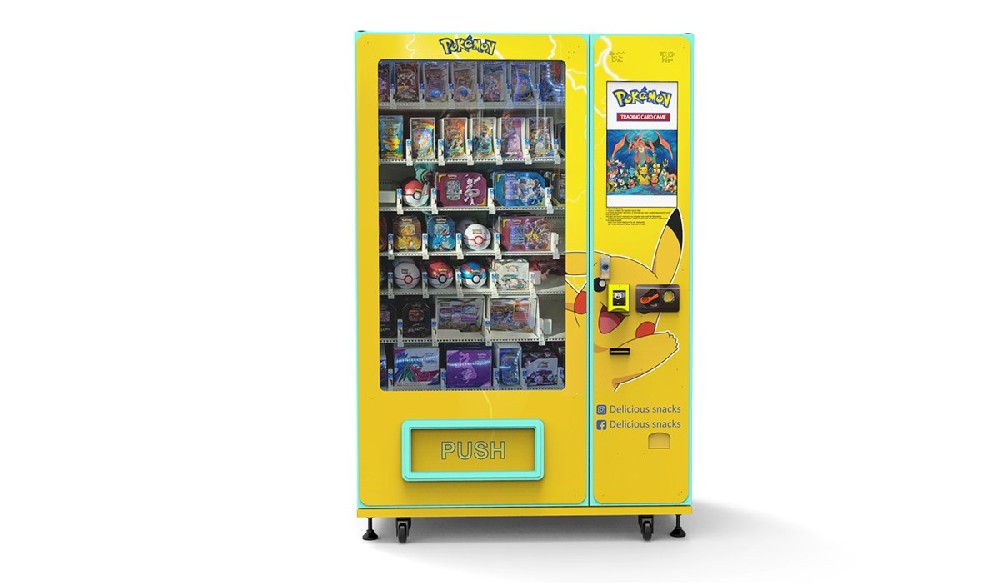
Why Location Determines 70% of Vending Revenue
In real-world operations, machine performance is rarely random. Across multiple deployments, location alone accounts for up to 70% of total revenue variance. While product design and pricing matter, foot traffic quality and user intent are far more decisive.
Lucky box vending machines rely on curiosity-driven purchases. Unlike traditional snack vending machines, they thrive in environments where people are relaxed, browsing, or seeking entertainment.
Impulse buying behavior increases by 40–65% in entertainment-focused environments
Dwell time above 20 minutes correlates with higher conversion rates
Repeat exposure increases purchase likelihood by over 30%
According to Statista, the global vending machine market is projected to exceed $51 billion by 2028, with smart vending machine segments growing fastest due to interactive experiences (Source: Statista).
Top Performing Lucky Box Vending Machine Locations in 2026
Shopping Centers and Retail Complexes
Retail environments remain one of the most reliable lucky box vending machine locations. These venues naturally combine high traffic with leisure browsing behavior.
In practice, placing machines near escalators, atriums, or entertainment zones significantly improves visibility and interaction rates.
Average daily foot traffic: 20,000–80,000
Conversion rate: 3%–7%
Ideal price range per play: $5–$15
Operators who integrate visually engaging machines—like those available through advanced vending machine product lines—often see higher engagement due to LED lighting and touchscreen interfaces.
Arcades and Family Entertainment Centers
Entertainment venues are naturally aligned with the “mystery reward” concept. Customers already expect to spend on games and prizes, making lucky box machines a seamless addition.
In several deployments, adding just two machines increased overall arcade revenue per visitor by 12%.
Peak usage during evenings and weekends
Higher engagement among younger audiences
Strong repeat purchase behavior
Movie Theater Lobbies
Movie theaters offer a unique advantage: waiting time. Customers typically arrive early and spend time browsing concessions or entertainment options.
This idle time is ideal for lucky box vending machine locations, especially when machines are placed near ticketing areas or concession lines.
Average dwell time: 15–30 minutes
High conversion before and after screenings
Seasonal spikes during blockbuster releases
Transit Hubs and Waiting Areas
Transit environments generate massive foot traffic, but success depends on placement precision. Machines must be positioned in waiting zones rather than fast-moving corridors.
Best zones: lounges, waiting halls, boarding areas
Lower engagement in high-speed walking paths
Ideal for compact, fast-interaction machine designs
Modern self-service kiosks with quick payment systems—such as those featured in smart vending solutions—are particularly effective in these environments.
University Campuses and Student Centers
Younger audiences show strong engagement with gamified retail experiences. Lucky box machines perform especially well in student-heavy environments.
High repeat usage rates
Strong social sharing behavior
Effective for limited-edition or themed products
In one case study, a campus deployment achieved ROI in under 5 months due to consistent daily traffic and low operational costs.
Location Performance Comparison Table
| Location Type | Foot Traffic | Conversion Rate | Average Monthly Revenue | ROI Period |
|---|---|---|---|---|
| Shopping Centers | High | 5% | $4,000–$12,000 | 6–10 months |
| Arcades | Medium | 7% | $3,500–$9,000 | 5–8 months |
| Movie Theaters | Medium | 4% | $2,500–$7,000 | 7–12 months |
| Transit Hubs | Very High | 2% | $3,000–$8,000 | 8–14 months |
| Universities | High | 6% | $3,500–$10,000 | 5–9 months |
Key Factors That Define a High-Value Location
Foot Traffic Quality Over Quantity
Not all traffic converts equally. A location with 10,000 engaged visitors often outperforms one with 50,000 pass-through visitors.
Dwell Time and Emotional State
Customers are more likely to engage when they are relaxed, curious, or slightly bored. These emotional triggers are critical for lucky box vending machine locations.
Visibility and Accessibility
Machines should be visible from at least 15–20 feet away. Corners, entrances, and central walkways consistently outperform hidden placements.
Demographic Alignment
Younger audiences (ages 15–35) show the highest engagement rates, especially with themed or collectible rewards.
Machine Design Also Impacts Location Performance
Even in a strong location, poor machine design can limit revenue. Modern machines should include:
Touchscreen interfaces
Cashless payment options
Real-time inventory tracking
Remote management systems
Manufacturers like Zhongda smart have developed systems that integrate all these features. Their custom vending machine solutions allow operators to tailor machines for specific environments.
Real Case Study: Scaling From 2 to 25 Machines
One operator started with two machines in a mid-sized retail environment. Initial monthly revenue averaged $3,800 per machine.
After relocating one unit closer to a central escalator, revenue increased to $6,200 within 60 days.
Key adjustments included:
Improved placement visibility
Updated prize mix
Added digital payment options
Within 18 months, the operator expanded to 25 machines across multiple high-performing lucky box vending machine locations.
Cost and ROI Breakdown
| Cost Component | Estimated Range |
|---|---|
| Machine Cost | $3,000–$8,000 |
| Monthly Rent | $200–$1,500 |
| Product Cost | 30%–50% of revenue |
| Maintenance | $50–$200/month |
Using tools like the vending machine ROI calculator, operators can estimate profitability before deployment.
Expert Recommendations for 2026
After years in the field, several patterns consistently emerge:
Start with 2–3 machines in different environments to test performance
Track data weekly and relocate underperforming units quickly
Focus on experience-driven placements rather than convenience-only locations
Refresh prize offerings every 30–45 days
According to IBISWorld, vending businesses that actively optimize location strategy see up to 25% higher annual growth compared to static deployments (Source: IBISWorld).
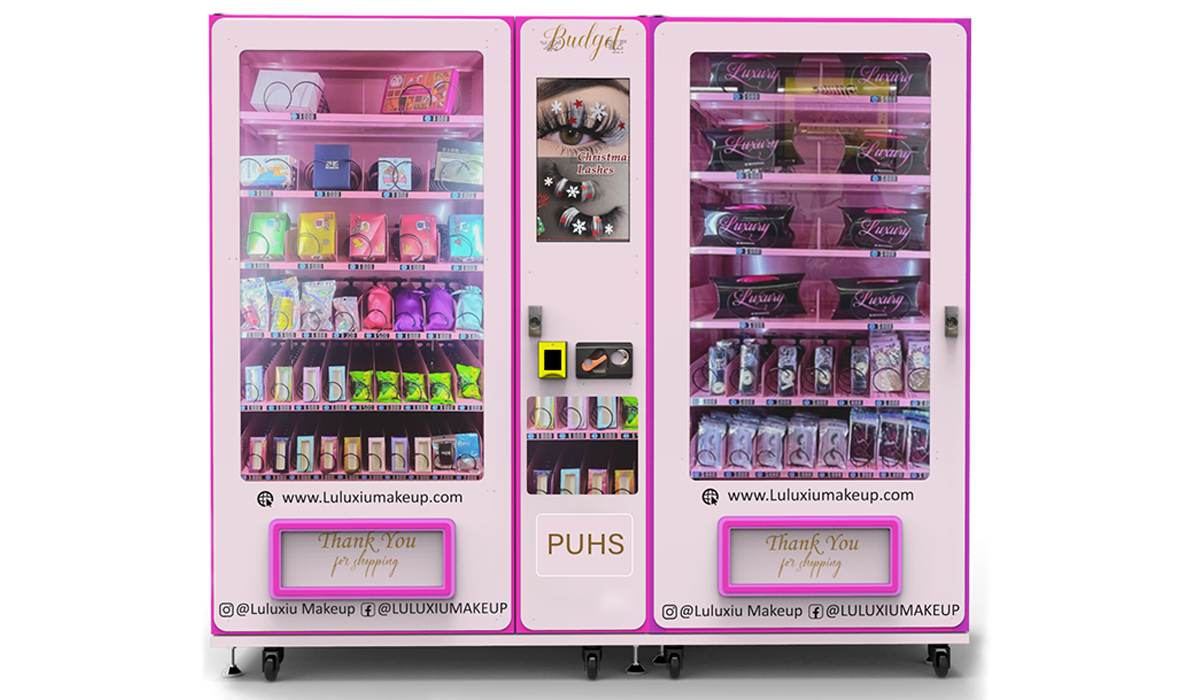
Common Mistakes to Avoid
Choosing locations based only on rent cost
Ignoring customer behavior patterns
Using outdated machines without smart features
Failing to test multiple placements
Successful operators treat location selection as an ongoing process, not a one-time decision.
Frequently Asked Questions
How many machines should I start with?
Starting with 2–5 machines allows you to test different lucky box vending machine locations without overextending capital.
What is the average profit margin?
Most operators achieve 30%–50% net margins after rent and product costs.
Do I need custom machines?
Custom machines improve branding and engagement, especially in competitive environments.
How often should I change locations?
Evaluate performance monthly. Relocate any machine that underperforms for 60–90 days.
What products work best inside lucky boxes?
High perceived value items—such as collectibles, electronics accessories, or branded merchandise—drive higher engagement.
Final Thoughts
The future of vending lies in experience-driven retail. Lucky box vending machine locations that combine high traffic, strong visibility, and the right audience can generate consistent, scalable income. Operators who focus on data, adapt quickly, and invest in modern smart vending machines will continue to outperform the market in 2026 and beyond.
Working with experienced manufacturers like Zhongda smart ensures access to reliable hardware, customization options, and proven deployment strategies built from real-world success.