If you’re evaluating passive income opportunities in 2026, one question comes up again and again: how much does a vending machine make a month? The short answer is that a single machine typically generates anywhere from $300 to $1,500 per month in gross revenue, with well-placed, high-demand units earning significantly more. However, real profitability depends on factors like location quality, product mix, machine type, and operational efficiency. Modern smart vending machines and self-service kiosks have pushed earnings higher by improving user experience and data-driven inventory management.
After more than a decade working hands-on in the vending industry and running a manufacturing operation, I’ve seen both underperforming machines that barely break even and high-performing setups that scale into six-figure annual businesses. This guide breaks down realistic monthly earnings, cost structures, and proven strategies to help you maximize returns.
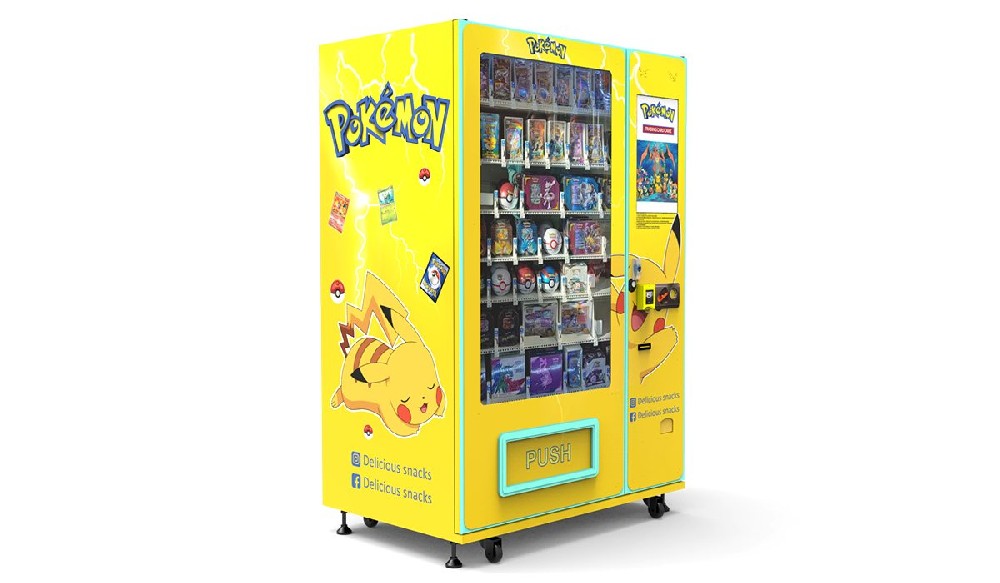
Average Monthly Revenue from Vending Machines in 2026
Let’s start with realistic numbers. Monthly income varies widely depending on machine placement and product strategy. A traditional snack vending machine in a low-traffic area will perform very differently from a smart vending machine placed in a premium environment.
| Machine Type | Low Traffic Revenue | Average Revenue | High Traffic Revenue |
|---|---|---|---|
| Snack Vending Machine | $200–$400 | $500–$800 | $1,000+ |
| Drink Vending Machine | $300–$600 | $700–$1,200 | $1,500+ |
| Smart Vending Machine | $500–$900 | $1,200–$2,000 | $3,000+ |
| Specialty Machines (cosmetics, electronics) | $700–$1,200 | $1,500–$3,000 | $5,000+ |
These figures align with industry data. According to IBISWorld, the vending industry generates billions annually, with average unit revenue strongly influenced by product pricing and consumer demand patterns.
So when asking how much does a vending machine make a month, the answer depends less on the machine itself and more on how strategically it’s deployed.
Key Factors That Influence Monthly Profit
1. Location Quality
Location is everything. A machine placed in a high-footfall area such as a transit hub, campus, or large office building can outperform ten poorly placed machines combined.
High foot traffic equals higher impulse purchases
Long dwell time increases conversion rates
Limited competition boosts sales volume
2. Product Selection and Pricing
Smart operators don’t just stock snacks—they curate inventory based on customer behavior. High-margin items and trending products can significantly boost revenue.
Healthy snacks and premium beverages often yield higher margins
Seasonal items can drive short-term spikes
Dynamic pricing increases profitability
3. Machine Technology
Modern smart vending machines outperform traditional units due to features like cashless payment, remote monitoring, and real-time sales tracking.
For example, solutions from Zhongda smart vending systems integrate intelligent inventory control and digital interfaces that increase customer engagement and repeat purchases.
4. Operational Efficiency
Servicing frequency, restocking strategy, and maintenance all impact net income.
Frequent restocking prevents missed sales
Preventive maintenance reduces downtime
Route optimization cuts operational costs
Real Profit vs Gross Revenue
Gross revenue tells only part of the story. Net profit is what matters.
| Expense Category | Typical Monthly Cost |
|---|---|
| Product Cost (COGS) | 40%–60% of revenue |
| Location Commission | 5%–25% |
| Maintenance | $20–$100 |
| Electricity | $10–$50 |
After expenses, most operators see net profit margins between 20% and 40%.
So if a machine generates $1,000 per month, expect $200–$400 in actual profit. This is why scaling with multiple machines is key.
How Smart Vending Machines Increase Monthly Earnings
The shift toward automation and digital retail has transformed vending profitability. Smart vending machines offer advantages that directly impact revenue:
Cashless payments increase purchase frequency
Interactive screens drive upselling
Real-time analytics optimize product mix
Remote management reduces labor costs
Advanced models available through custom vending machine solutions allow operators to tailor machines for specific industries, from cosmetics to electronics.
This is one reason why the answer to how much does a vending machine make a month has increased significantly in recent years.
Case Study: Scaling from 1 to 20 Machines
One of our clients started with a single snack machine generating around $600 per month. By upgrading to smart vending machines and securing better placements, the operator scaled to 20 units within 18 months.
Initial machine: $600/month revenue
Upgraded smart machine: $1,400/month revenue
20 machines total: $28,000/month gross revenue
After expenses, the operator achieved over $9,000 in monthly net profit.
Detailed project examples can be found in real deployments like this vending machine case study, showcasing how machine customization impacts sales performance.
Best Types of Vending Machines for Higher Income
Snack and Beverage Machines
These are the most common and easiest to operate, but competition is high.
Specialty Vending Machines
Machines selling cosmetics, electronics, or niche items can generate higher margins.
Locker Vending Systems
Perfect for pickup services and e-commerce integration.
Explore more advanced solutions at vending machine solution systems to understand how different configurations impact profitability.
Monthly Income by Business Model
There are multiple ways to operate a vending business:
Owner-Operator: Higher margins, more hands-on work
Passive Investment: Lower returns, outsourced management
Corporate Deployment: Large-scale operations with stable revenue
Each model affects how much a vending machine makes per month and how quickly you scale.
How to Maximize Monthly Revenue
Choose high-traffic, high-conversion locations
Use data to optimize product selection
Upgrade to smart vending machines
Negotiate better commission rates
Maintain machines consistently
Even small improvements can increase monthly income by 20% or more.
Industry Trends That Affect Earnings in 2026
The vending industry continues to evolve with technology and consumer behavior.
Cashless payments dominate transactions
AI-driven inventory systems reduce waste
Self-service kiosks expand beyond snacks
Contactless retail drives adoption
According to Statista, cashless payments now account for a majority of vending transactions, significantly boosting average ticket size.
Common Mistakes That Reduce Profit
Poor location selection
Ignoring product trends
Overpaying for commissions
Using outdated machines
Infrequent maintenance
Avoiding these mistakes is often the difference between a struggling machine and a profitable one.
FAQ
How much does a vending machine make a month on average?
Most machines generate between $300 and $1,500 per month, depending on location and product strategy.
Are vending machines still profitable in 2026?
Yes, especially with smart vending machines and data-driven operations. Profit margins remain strong when managed correctly.
How long does it take to break even?
Typically 6 to 18 months, depending on machine cost and monthly revenue.
What type of vending machine makes the most money?
Specialty and smart vending machines tend to generate the highest returns due to higher pricing and better customer engagement.
How can I increase vending machine sales?
Focus on location, upgrade technology, optimize inventory, and maintain machines regularly.
Conclusion
So, how much does a vending machine make a month in 2026? The realistic answer ranges from a few hundred dollars to several thousand per machine. The difference comes down to strategy, technology, and execution.
Operators who treat vending as a data-driven retail business—rather than a passive side project—consistently outperform the average. With the right approach, vending machines remain one of the most scalable and resilient income streams available today.
Sources
IBISWorld Industry Report – Vending Machine Operators
Statista – Vending Machine Market Revenue Data
Forbes – Trends in Automated Retail
Bloomberg – Self-Service Retail Growth Analysis