If you’re planning to launch or scale a self-service retail business, one of the first questions you’ll ask is simple: how much does a custom vending machine cost in 2026? The short answer is that pricing typically ranges from $3,500 for basic configurations to over $25,000 for fully customized smart vending systems with advanced features. The final number depends on design complexity, hardware selection, software integration, and production volume. Whether you’re considering a smart vending machine, a locker-style system, or a specialized self-service kiosk, understanding the real cost structure will help you avoid expensive mistakes and build a profitable operation from day one.
What Defines a “Custom” Vending Machine Today
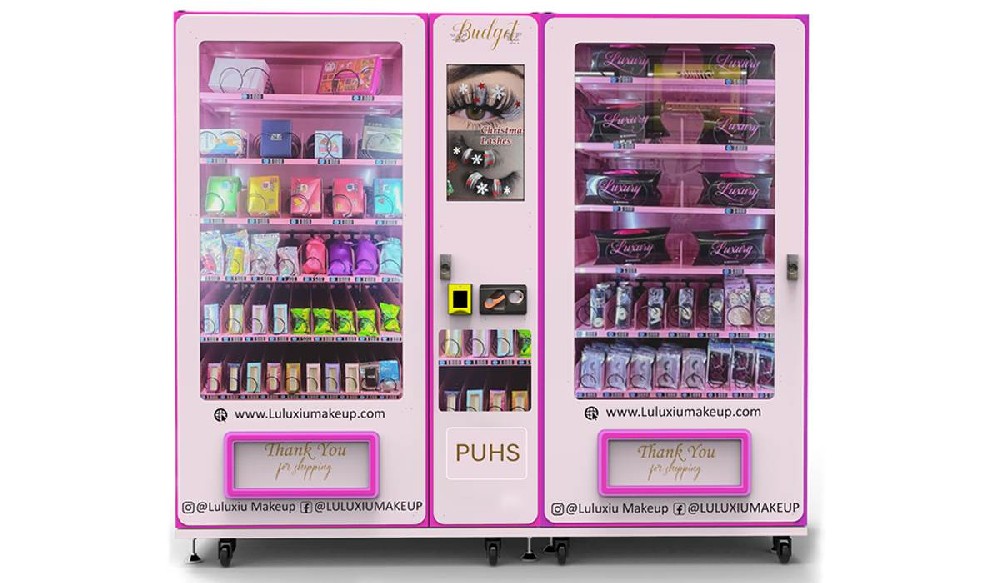
A custom vending machine is no longer just a branded snack dispenser. Modern systems are purpose-built retail platforms designed for specific products, environments, and user experiences. Over the past decade, I’ve seen businesses shift from generic machines to highly tailored solutions that reflect brand identity and operational needs.
Customization can include physical structure, payment systems, software interfaces, temperature control, and even AI-driven inventory management. This is why asking how much does a custom vending machine cost requires a deeper look at what “custom” actually includes.
Unique cabinet size or modular layout
Touchscreen UI and branding elements
Cashless and mobile payment integration
IoT connectivity for remote monitoring
Specialized dispensing mechanisms
Temperature-controlled compartments
Manufacturers like Zhongda smart have expanded customization capabilities significantly, offering solutions ranging from beverage vending to locker systems and specialty retail machines. You can explore their full range of vending machine products to understand how varied configurations impact pricing.
Average Cost Breakdown by Machine Type
To give you a realistic picture, here’s a breakdown based on actual production experience and current market trends in 2026.
| Machine Type | Typical Cost Range | Best Use Case |
|---|---|---|
| Basic Snack/Drink Machine | $3,500 – $7,000 | Entry-level retail |
| Smart Vending Machine | $7,000 – $15,000 | High-traffic locations |
| Locker Vending System | $10,000 – $20,000 | Pickup & large items |
| Fully Custom OEM Machine | $15,000 – $25,000+ | Brand-specific retail |
When clients ask me how much does a custom vending machine cost, this table is usually the starting point—but the real answer always depends on the details behind each configuration.
Key Factors That Influence Custom Vending Machine Pricing
1. Hardware and Build Quality
The materials used—steel thickness, insulation, refrigeration units—play a major role. A machine designed for heavy daily use will cost more upfront but last significantly longer.
2. Payment Technology
Cashless systems now dominate. NFC, QR, and mobile wallets add cost but dramatically improve sales performance. According to Statista, cashless payments account for over 70% of vending transactions globally (Statista, 2025).
3. Software and Connectivity
Cloud-based management systems allow real-time monitoring, sales analytics, and remote updates. These features increase initial cost but reduce operational overhead.
4. Custom Design and Branding
Full-wrap branding, interactive screens, and unique UI design can add thousands to the price—but they also boost customer engagement and conversion rates.
5. Order Volume
Manufacturing cost drops significantly with bulk orders. A single unit may cost 30–40% more per machine compared to a batch of 50 units.
Real Case: Custom Machine ROI in Practice
One project I worked on involved a specialty retail vending solution placed in high-footfall commercial spaces. The client invested approximately $12,000 per unit for a fully customized smart vending machine.
Within 8 months, each machine generated an average monthly revenue of $2,200 with a gross margin of 45%. That translated to a payback period of just under one year.
Similar real-world deployments can be seen in projects like this custom vending case study, where tailored solutions delivered strong performance through strategic placement and product selection.
Comparing Custom vs Standard Machines
| Feature | Standard Machine | Custom Machine |
|---|---|---|
| Initial Cost | Lower | Higher |
| Branding | Limited | Fully customizable |
| Technology | Basic | Advanced IoT & analytics |
| Revenue Potential | Moderate | High |
| Flexibility | Low | High |
If you’re serious about scaling, the question isn’t just how much does a custom vending machine cost—it’s how much value it can generate over time.
Hidden Costs You Should Plan For
Shipping and logistics ($300–$2,000 per unit)
Installation and setup
Software licensing fees
Maintenance and repairs
Inventory restocking
These costs can add 10–25% to your total investment, so they should always be included in your budget planning.
How to Reduce Costs Without Compromising Quality
After years in manufacturing, I’ve learned that cost optimization is about smart decisions, not cutting corners.
Start with a modular design
Prioritize essential features first
Order in batches when possible
Work directly with experienced manufacturers
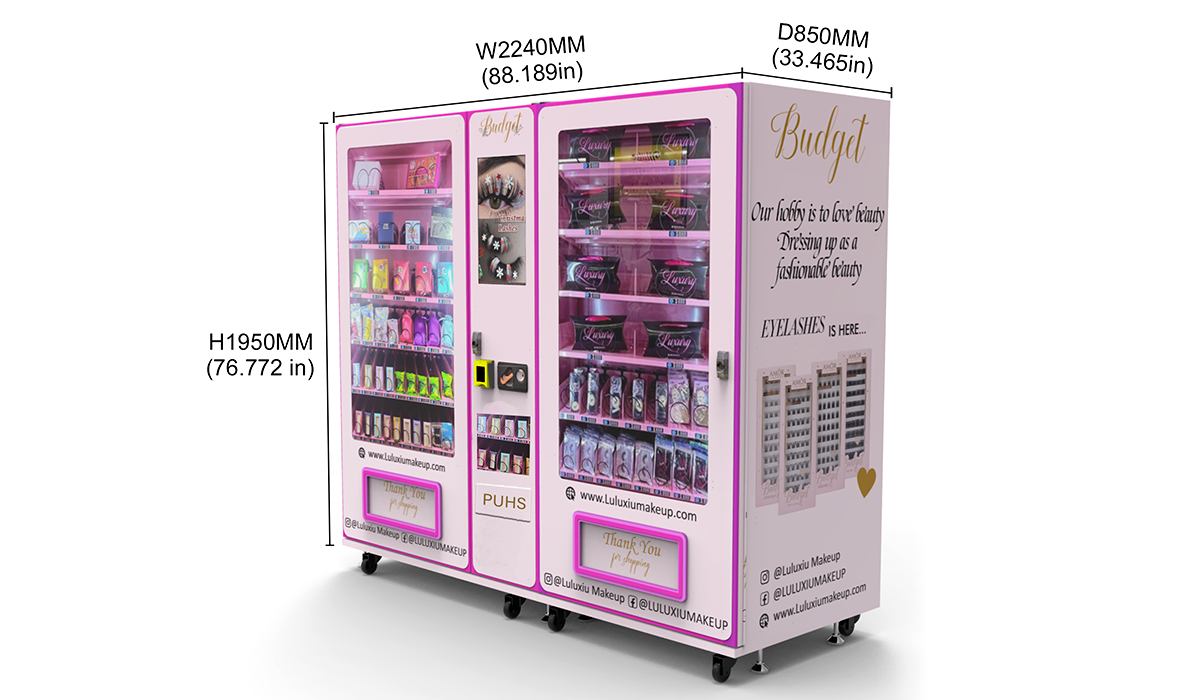
Companies like Zhongda smart offer OEM solutions that balance cost and performance. Their custom vending machine services provide scalable options for businesses entering this space.
Choosing the Right Manufacturer
Not all manufacturers are equal. The right partner can significantly impact both cost and long-term success.
Look for:
Proven production experience
Strong R&D capabilities
Transparent pricing structure
After-sales support
For a deeper understanding of selection criteria, this guide on key factors when buying a vending machine provides practical insights.
Industry Trends Impacting Costs in 2026
The vending industry is evolving rapidly. IBISWorld reports that the global vending market continues steady growth driven by automation and convenience demand (IBISWorld, 2025).
Key trends include:
AI-powered product recommendations
Contactless-first payment systems
Integration with e-commerce platforms
Energy-efficient hardware
These innovations increase upfront costs but significantly improve long-term profitability.
Is a Custom Vending Machine Worth the Investment?
In most cases, yes—if executed correctly. A well-designed machine can outperform traditional retail models due to lower labor costs and 24/7 operation.
Based on my experience, the businesses that succeed are the ones that treat vending as a scalable retail system rather than a passive income tool.
If you’re still evaluating numbers, tools like this vending machine ROI calculator can help estimate your potential returns.
Frequently Asked Questions
How long does it take to manufacture a custom vending machine?
Typically 25–45 days depending on complexity and order size.
What is the minimum order quantity?
Many manufacturers accept single-unit orders, but pricing improves significantly with bulk production.
Can I customize software and UI?
Yes. Most modern systems allow full customization, including branding, language, and user interface.
What is the lifespan of a vending machine?
With proper maintenance, 7–10 years is typical for commercial-grade machines.
Do custom machines require more maintenance?
Not necessarily. High-quality builds often reduce long-term maintenance needs.
Final Thoughts
So, how much does a custom vending machine cost in 2026? The real answer goes beyond price—it’s about value, scalability, and long-term returns. Whether you’re launching your first unit or expanding a network, investing in the right configuration can define your success.
With the right strategy and a reliable manufacturing partner like Zhongda smart, custom vending machines can become a powerful and sustainable revenue channel.
Sources
Statista – Vending Machine Market Data: https://www.statista.com
IBISWorld Industry Reports: https://www.ibisworld.com
Forbes Business Insights: https://www.forbes.com
U.S. Census Retail Data: https://www.census.gov