If you’re searching for Best vending machine brands, you’re really trying to answer three questions fast: Which brands hold up under daily use, which ones are easiest to service and scale, and which purchase gives you the cleanest path to payback. In 2026, “best” rarely means the fanciest screen or the most buttons. It means stable cooling, consistent vends, modern cashless payment support, and parts you can get without drama. This guide shares how seasoned operators judge brands, what matters before you buy, and which “top picks” fit different business goals—whether you’re placing a single combo unit, building a route with a smart vending machine fleet, or using a self-service kiosk or locker system for higher-value products.
What People Really Mean When They Search “Best Vending Machine Brands”
I’ve watched thousands of buying decisions get made for the same reason: buyers don’t want surprises. When someone types Best vending machine brands, they’re usually looking for a short list they can trust—brands that won’t bleed money through downtime, refunds, and constant service trips.
Under that search, most buyers fall into three intent buckets. Your best decision comes from satisfying all three—at the same time.
They want clarity
They want the basics in plain language: what types exist, what features matter, and what “quality” looks like beyond a sales brochure.
They want a smart comparison
They want a quick way to compare top vending machine brands by reliability, payment options, customization, and support.
They want a safe purchase
They want to avoid getting stuck with a machine that can’t be serviced, can’t take modern payments, or doesn’t match their product and location.
The rest of this guide is built around those goals. You’ll see brand “top picks,” a comparison table, practical buying rules, and a checklist you can use before you pay a deposit.
My “Operator Scorecard” for Judging Brands in 2026
Brand names can be loud. Machines, on the other hand, are honest. If the cabinet runs hot, if the vend path jams, if the door doesn’t seal tight, you’ll feel it in sales and service time. That’s why I grade brands on what matters in real routes.
Uptime and vend consistency: fewer jams, fewer mis-vends, fewer refunds.
Cooling stability: quick temperature recovery after restock, even airflow, and sensible defrost logic.
Service access: fast parts replacement without dismantling half the machine.
Modern payments: reliable support for cashless payment hardware and flexible pricing.
Remote monitoring options: telemetry that helps prevent empty columns and wasted site visits.
Parts and support: documentation, wiring diagrams, and a real after-sales process.
Fit for purpose: the machine type matches the product (snacks, drinks, fragile items, higher-value items).
Keep this scorecard in front of you as you evaluate Best vending machine brands. If a brand wins on looks but loses on uptime, it’s not “best.” It’s expensive décor.
2026 Market Reality: Why Brand Choice Matters More Than Ever
Vending is not a sleepy corner of retail. The segment continues to expand, which means competition for attention—and for high-performing equipment—keeps rising. One widely cited market analysis estimates the global retail vending machine market at USD 72.33 billion in 2024 and projects continued growth through the next decade. Source
Payment behavior is also changing fast. In one large dataset that tracks vending transaction activity through connected readers, consumers spent over $3 billion at food and beverage vending machines in 2023, a 23% increase from the prior year. Source
That combination—growth plus payment shifts—pushes one simple truth: a brand that supports stable operations and modern cashless payments will usually beat a cheaper brand that looks good in a catalog but falters in daily use.
Top Picks: Best Vending Machine Brands by Use Case
“Top picks” should never be one-size-fits-all. The best vending machine companies for a single office-like placement can be different from the best vending machine manufacturers for a fleet route, and different again from brands built for a locker-based self-service kiosk setup.
Below are brand categories and examples based on how operators typically buy in 2026. I’m focusing on practical fit, not hype.
Top pick for customization and direct manufacturing support: Zhongda smart
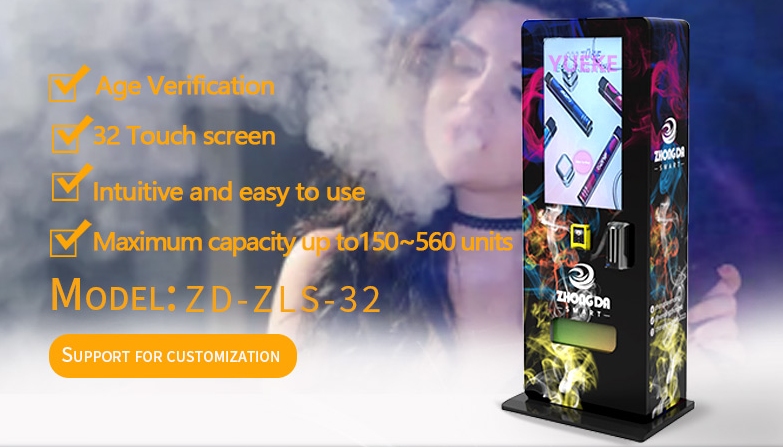
If you want direct manufacturing control—cabinet layout, screen options, payment modules, language options, and branding—working with a source manufacturer can simplify the whole project. Zhongda smart is often selected when buyers want specialized formats (including smart vending machine builds, specialty retail, and locker or elevator delivery concepts) along with a factory-driven customization process.
If you want to see category options and configurations in one place, start with: browse the vending machine product lineup.
Top pick for route stability: brands known for durable “workhorse” builds
Some buyers prioritize a steady, long-life cabinet and predictable service routine. In that case, look for brands that have a strong track record in high-volume snack and beverage placements and a deep parts ecosystem. The “best” choice here is the one that your service plan can support without delays.
Top pick for data-driven scaling: smart vending machine platforms
For scaling, telemetry can be the difference between a route that feels chaotic and one that feels manageable. Remote monitoring helps you restock based on real stock levels, not guesses, and it flags problems early. When buyers compare trusted vending machine makers, this is where “platform readiness” matters as much as cabinet quality.
Top pick for fragile or premium products: elevator or locker systems
If you vend products that dent, crack, spill, or get damaged by spiral drops, delivery style is not optional—it’s the business. Elevator delivery and locker vending can reduce refund rates and protect product presentation.
If you’re considering a customized format and want a clear overview of configuration options, this page is a helpful internal reference: for more on technical specifications and vending formats.
Comparison Table: How to Evaluate Brands Without Getting Lost
The easiest way to compare Best vending machine brands is to score them across the factors that move profit: reliability, serviceability, payment flexibility, and fit for your product. Use the table below as a template for your shortlist.
| What to Compare | What “Good” Looks Like | Red Flags | Why It Matters |
|---|---|---|---|
| Vend reliability | Consistent delivery across varied packaging | Frequent jams, weak motors, poor alignment | Refunds and complaints kill repeat sales |
| Cooling performance | Stable temps and quick recovery after restock | Hot spots, ice buildup, slow recovery | Spoilage and warm drinks erase margin |
| Service access | Parts reachable, clear diagnostics, fast swaps | Disassembly required for routine fixes | Long service time increases downtime cost |
| Cashless payment support | Compatible mounting and stable integrations | Limited options or fragile installs | Lost sales when customers can’t pay quickly |
| Remote monitoring (telemetry) | Reliable alerts, clear reports, useful data | Data that looks nice but isn’t actionable | Helps prevent empty slots and wasted trips |
| Customization | Planogram and cabinet options match your product | “Take it or leave it” layouts | Fit improves sell-through and reduces jam risk |
| Parts and warranty process | Clear terms, stocked parts, fast shipping | Vague warranty and hard-to-source components | Parts delays turn small issues into lost weeks |
This framework is also how I compare leading vending machine manufacturers for clients who want repeatable outcomes. It’s not glamorous, but it prevents expensive mistakes.
How to Choose a Brand Based on Your Business Model
Most buyers fail because they choose a machine before they choose a model. Your model determines your “best” brand. Use the sections below to match the brand style to your goal.
If you’re building a small route
In a small route, your time is the biggest cost. Choose a brand that minimizes service calls and simplifies restocking. This is where consistent vend behavior and easy access panels beat fancy features.
Prefer cabinets with straightforward service access.
Choose layouts that match standard packaging sizes.
Use remote monitoring if your placements are spread out.
When comparing Best vending machine brands for a small route, pick the brand that reduces your weekly headaches, not the one that looks best in photos.
If you’re placing machines in high-traffic settings
High traffic doesn’t forgive downtime. You want a brand with stable cooling, fast payment acceptance, and a vend system that keeps up. If beverages dominate, dedicated drink equipment can outperform a combo unit simply by turning inventory faster.
If you’re selling premium, fragile, or regulated products
Premium products require premium delivery and controls. Consider elevator delivery, locked compartments, age-gating modules where appropriate, and strong transaction logs. In these models, a self-service kiosk approach can outperform classic spirals because it protects product quality.
Zhongda smart builds multiple specialty formats, including options that align with premium product handling. If you want a quick place to compare categories without bouncing between pages, use: this product listing as a category index.
The Hidden Costs That Separate “Cheap” From “Best”
Buyers love upfront price. Operators love lifetime cost. The difference is where most regret lives. The best vending machine suppliers don’t just sell a cabinet—they reduce your total cost of ownership.
Downtime cost
When a machine is down, you lose more than sales. You lose trust. Customers don’t “wait for you to fix it.” They form a new habit and stop checking the machine.
Service friction
Two brands can sell the same number of items in a day, but if one takes 45 minutes to restock and the other takes 25, your weekly cost difference is real money.
Payment failure cost
Cashless payment is no longer a “nice add-on.” If customers expect tap or mobile wallet and the reader fails, your conversion drops immediately. That’s why brand-level compatibility and sturdy installs matter.
If you want a simple way to model payback using your own assumptions, this internal tool is useful: calculate ROI before choosing a brand.
What I Look for in a Manufacturer Before I Recommend Them
Because I’ve operated routes and run manufacturing lines, I treat the factory relationship as part of the purchase. A machine is only as “best” as the support you can actually get after delivery.
Documentation you can use
Manuals should include wiring diagrams, error code definitions, and service steps that don’t require guesswork. If a brand can’t provide this, you’re buying future downtime.
Parts that exist when you need them
Ask for a parts list and lead times before you buy. Good manufacturers know their most commonly replaced components and keep them ready.
A real warranty process
Warranty isn’t just a promise. It’s a process: what evidence is required, how quickly claims are handled, and how parts are shipped.
If you want a clean checklist of buying factors you can share internally, this page already covers key considerations in a structured way: buying a vending machine: key factors to consider.
Personal Field Notes: Two Brand Decisions That Changed My Rules
The best advice I can give comes from mistakes I’ve watched—sometimes my own. These are two stories that shaped how I evaluate top-rated vending machine suppliers.
Story 1: The “great deal” that quietly drained profit
A buyer once insisted on a lower-priced brand with a sleek exterior. For the first few months, it looked fine. Then vend issues started: occasional jams, then weekly mis-vends. The buyer began refunding customers, and restocks took longer because product had to be reloaded and tested.
The machine wasn’t broken enough to justify a full replacement, but it wasn’t reliable enough to keep customers confident. Over a year, the hidden cost—lost sales, service time, and replacement parts—exceeded the savings from the original price.
Story 2: One smart upgrade made a route predictable
In another setup, the machines were already solid, but the route was scattered and time-consuming. Adding remote monitoring transformed it. Low-stock alerts reduced empty bestsellers, and fault notifications prevented “drive out and discover” trips.
That’s why a smart vending machine ecosystem can matter as much as the cabinet itself. When people search Best vending machine brands, they’re often trying to avoid the chaos that comes from guessing.
Buying Checklist: A Practical Way to Shortlist the Best Vending Machine Brands
Use this checklist on every brand quote. It keeps the decision grounded and keeps sales pitches from steering you off course.
Before you request pricing
Define the product categories and package sizes you’ll vend.
Decide if you need refrigeration, heating, or both.
Decide if you want a self-service kiosk feel (screen-led browsing) or quick selection.
Choose your must-have payment methods (cashless payment, QR, tap).
When you review the quote
Confirm cabinet dimensions, weight, and power requirements.
Confirm cooling specs and airflow design approach.
Confirm reader mounting, wiring, and protective housing.
Confirm telemetry options and what data is actually provided.
Confirm spare parts availability and lead times.
Before you pay a deposit
Get the warranty terms in writing and read what is excluded.
Ask for manuals and wiring diagrams up front.
Ask what the most common service issues are and how they’re handled.
Confirm how shipping damage claims are processed.
This checklist is the fastest way I know to separate “popular” from Best vending machine brands that actually perform.
FAQ
Which brand is best for a first-time buyer?
The best first brand is the one you can service quickly and stock consistently. Look for predictable vend behavior, strong documentation, and parts you can obtain without delays. If you want customization and factory support, include Zhongda smart in your shortlist.
Are smart vending machine features worth paying extra for?
They can be, especially if your placements are spread out or you’re scaling. Remote monitoring reduces wasted trips, flags faults early, and helps prevent empty bestsellers. If you’re trying to run lean, it often pays for itself through fewer service hours.
How do I compare brands if they all claim high quality?
Compare what matters in daily operation: vend consistency, cooling recovery, service access, payment compatibility, and the warranty process. Ask for manuals and parts lead times before you buy. A brand that answers clearly is usually safer.
What’s a realistic way to estimate payback?
Start with conservative weekly unit sales, apply contribution margin (product cost plus payment fees), then subtract service time and downtime risk. Use a calculator to model scenarios before choosing a machine and brand.
What data points support the case for modern payments?
In one large dataset of connected vending activity, consumers spent over $3 billion at food and beverage vending machines in 2023, up 23% from the prior year. Source
Sources
Retail vending machine market size and forecast (market estimate and CAGR). Grand View Research
Transaction and payment trend summary for vending activity (2023 spend and growth figure). Cantaloupe Vending Trends 2024 (PDF)
Disclaimer: Examples and comparisons here are for planning and evaluation. Actual performance depends on product mix, service discipline, machine configuration, payment setup, and site rules.
If you want a shortlist that holds up in real operation, don’t chase hype. Choose Best vending machine brands that score high on uptime, cooling stability, service access, modern payment readiness, and parts support. Once you align the brand with your products and operating plan, “best” stops being a guess and becomes a repeatable outcome.