I’ve spent more than a decade building, breaking, and rebuilding vending operations, and I can say this without hesitation: The Rise of AI Vending Machines is the most important shift this business has seen since cashless payments first appeared. What used to be a game of guessing locations and hoping for foot traffic has turned into a data-driven retail model that learns, adapts, and quietly improves every single day.
Operators want to know if these machines really make more money, buyers want to know which equipment is worth the investment, and entrepreneurs want clarity before they spend their first dollar. I’ve lived all three questions. In this guide, I’ll break down what AI vending machines actually are, why demand keeps accelerating, and how operators like me are using them to drive real profit instead of hype.
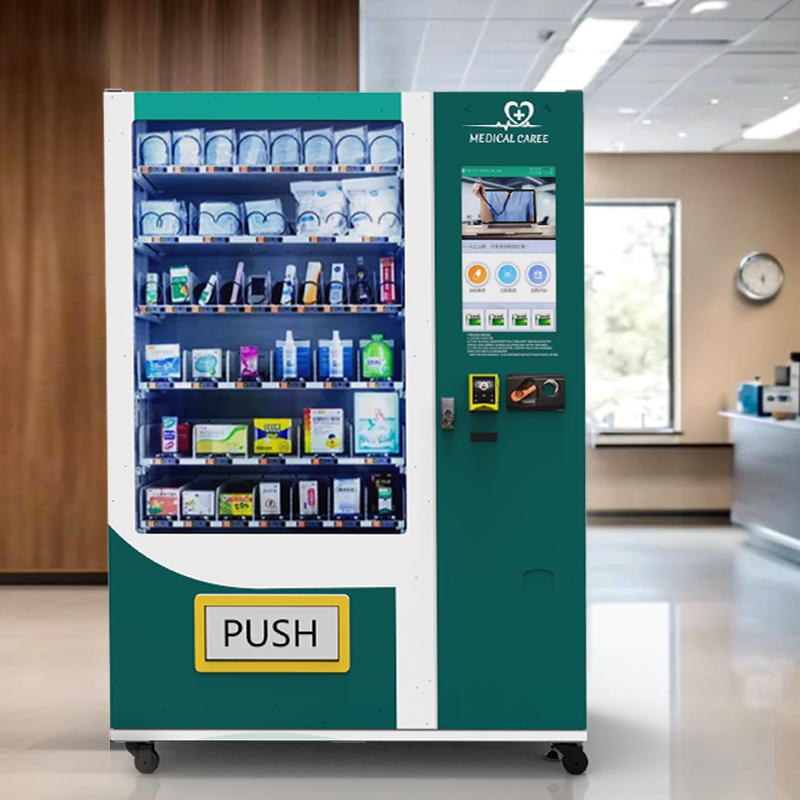
What AI Vending Machines Really Are
I remember the first time a supplier pitched me an “intelligent” vending machine years ago. It turned out to be a touchscreen and a buzzword. Today, the difference is night and day. Modern AI vending machines combine sensors, computer vision, machine learning, and cloud software to make decisions that used to rely entirely on human instinct.
At their core, these systems analyze purchasing behavior, inventory movement, and machine performance in real time. The practical result is simple: fewer stockouts, less spoilage, and smarter product placement. That operational efficiency is the backbone of The Rise of AI Vending Machines.
Vision systems identify products and customer interactions
Algorithms adjust pricing, promotions, and inventory automatically
Remote dashboards replace manual route planning
Why Demand Has Accelerated So Quickly
Demand didn’t rise because machines became smarter. It rose because operators were under pressure. Labor costs climbed, margins tightened, and traditional vending stopped forgiving mistakes. AI-powered systems stepped in at exactly the right moment.
One of my early clients switched ten legacy machines to AI-enabled units. Within three months, shrinkage dropped by over 20%, simply because inventory visibility improved. No new locations. No extra staff. Just better information.
Operators Want Predictability
Predictable cash flow is everything. AI vending machines forecast demand based on historical data and real usage patterns. That means I can stock fewer SKUs while selling more units. Over time, that predictability becomes a competitive advantage that compounds.
The Technology Stack Behind the Machines
People often ask me what actually makes these machines “AI-driven.” It’s not one component. It’s a system.
| Component | Function | Operational Impact |
|---|---|---|
| Computer Vision | Tracks product selection | Reduces mis-vends and theft |
| Machine Learning | Analyzes buying patterns | Optimizes product mix |
| Cloud Analytics | Remote monitoring | Lower service costs |
When these elements work together, you get machines that improve over time. That self-learning loop is a major reason The Rise of AI Vending Machines hasn’t slowed.
Profitability: What the Numbers Actually Show
I’m cautious with big promises. Still, real data matters. According to Statista, automated retail continues to show steady revenue growth driven by smart retail technologies (Statista).
In my own operation, AI-enabled machines typically outperform traditional units by 15–30% in net monthly revenue. The gains don’t come from higher prices. They come from smarter restocking, fewer service trips, and better product alignment.
Choosing the Right Equipment
Not all machines are built the same. I’ve tested dozens, and I’ve learned to look beyond the screen and software demo. Build quality, modular design, and long-term support matter just as much as algorithms.
Manufacturers like Zhongda smart stand out because they focus on scalable hardware that supports AI integration without locking operators into rigid ecosystems. For a closer look at available configurations, I often point newcomers to detailed product options.
Real-World Lessons From the Field
I remember one rollout where we ignored data and stocked based on gut feeling. Sales stalled. Once we trusted the machine’s recommendations, performance rebounded within weeks. AI doesn’t replace experience; it sharpens it.
Several documented deployments show similar results, including high-traffic retail installations featured in verified case studies.
Common Mistakes New Operators Make
Overpaying for features they never use
Ignoring software updates
Failing to train staff on analytics dashboards
AI vending machines reward consistency. The operators who win are the ones who review data weekly and adjust quickly.
Frequently Asked Questions
Are AI vending machines profitable for small operators?
Yes, if deployed strategically. Smaller fleets benefit the most from efficiency gains and reduced service costs.
How long does it take to see returns?
In my experience, many operators see measurable improvements within the first 90 days.
Do these machines require constant oversight?
No. That’s the point. Once configured, remote monitoring handles most daily decisions.
Why This Trend Isn’t Slowing Down
Retail automation is no longer experimental. It’s expected. As data becomes more valuable than floor space, The Rise of AI Vending Machines will continue reshaping unattended retail models.
For operators willing to learn and adapt, this shift isn’t a risk. It’s leverage.