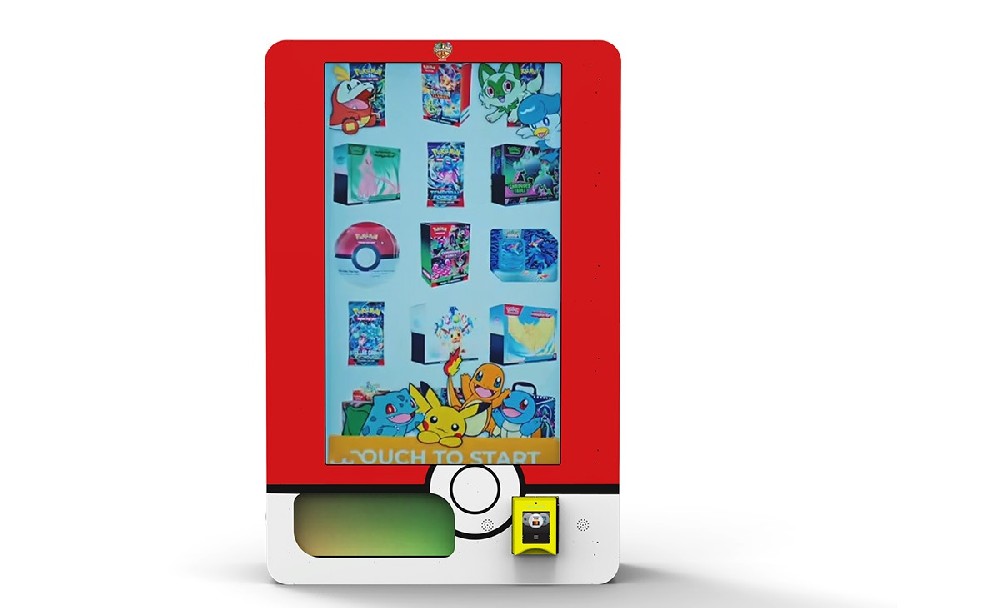
A Wall Mounted Vending Machine With Touchscreen is one of the most practical ways to turn unused wall space into a small, self-service sales point. After more than ten years working with vending projects, I see this machine as a compact retail tool, not just a smaller version of a floor-standing vending machine. It works best when the product is easy to understand, the payment flow is quick, the touchscreen is simple, and the location already has people waiting, passing, or browsing. For offices, salons, gyms, hotels, retail counters, clinics, apartments, and specialty shops, a wall-mounted smart vending machine can sell small products with less staff involvement and a much smaller footprint than a traditional machine.
Why I Pay Attention to Wall-Mounted Smart Vending
I started taking wall-mounted smart vending seriously after seeing how often small purchases were lost in staffed businesses. A customer wants a phone charger, a pair of lashes, a protein bar, a travel-size product, or a small accessory. Staff are busy. The customer does not want to wait. The sale disappears. That small moment is exactly where a Wall Mounted Vending Machine With Touchscreen can earn its place.
The machine does not need to replace a store, a reception desk, or a service counter. In the best cases, it supports them. It handles the simple transaction, keeps the product available, and lets staff focus on higher-value work. I have seen this work especially well in beauty businesses, fitness spaces, hotels, entertainment venues, office areas, and compact retail locations where floor space is too valuable for a large cabinet.
The touchscreen matters because it gives the customer confidence. A keypad only tells people which number to press. A touchscreen vending machine can show product photos, sizes, flavor choices, short instructions, prices, payment options, and even simple promotions. When the product is a small impulse item, that extra clarity can make the difference between a tap and a walkaway.
The mistake many new buyers make is treating the machine like a gadget. They ask about screen size before product fit. They ask about cabinet color before payment compatibility. They ask about price before checking wall strength, refill labor, or product margin. In real vending work, the machine is only one part of the system. The business is the match between machine, product, customer, location, and service routine.
What This Machine Actually Does
A Wall Mounted Vending Machine With Touchscreen is a compact self-service kiosk installed against or onto a wall. It usually includes a digital touchscreen, product storage channels or compartments, a payment system, a control board, locks, sensors, and a dispensing mechanism. Some machines use coils. Some use lockers. Some use belts or conveyors. Some are customized for boxed products, cosmetics, cards, personal care products, or small retail goods.
I like to explain it this way: a wall-mounted smart vending machine is a small automated sales cabinet with a customer-facing screen. It should help the customer choose, pay, and collect the product without needing staff help. The best machines feel simple from the outside, even when the technology inside is doing a lot of work.
A good unit should include:
A clear touchscreen interface with product photos and prices
Cashless payment support, including card or tap-to-pay options
Remote sales and inventory reporting
A dispensing system matched to the product package
A secure cabinet with reliable locks
Stable mounting hardware matched to the wall structure
Easy restocking access for the operator or trained staff
Basic troubleshooting support and spare part availability
I do not recommend buying a wall-mounted vending machine simply because it looks modern. A nice screen cannot fix a poor product fit. A branded cabinet cannot fix bad payment flow. A low purchase price cannot fix weak support. A machine has to vend the product cleanly, accept payment reliably, and be simple enough that a first-time customer can use it without thinking too hard.
Where a Wall-Mounted Machine Performs Best
A Wall Mounted Vending Machine With Touchscreen performs best in locations where people already pause, wait, check in, check out, browse, or pass the same point repeatedly. The machine should be visible without blocking movement. It should not be placed in a dead corner just because there is an empty wall.
When I inspect a location, I look for customer behavior first. Do people slow down there? Do they have a reason to buy the product at that moment? Can they see the machine before they need it? Is the area bright enough? Is there a power outlet nearby? Can the machine be serviced without disturbing the business? These basic questions are more important than most first-time buyers realize.
| Location Factor | What I Check | Good Sign | Warning Sign |
|---|---|---|---|
| Customer Flow | How many relevant people pass or wait nearby | People pause within sight of the machine | People rush past without looking |
| Buying Moment | Whether the product solves an immediate need | The product makes sense in that setting | The product needs too much explanation |
| Visibility | Whether the machine is seen from the main path | Visible from entry, waiting area, or counter | Hidden behind furniture or around a corner |
| Wall Condition | Wall material, support, and mounting safety | Concrete, reinforced wall, studs, or backing plate | Weak wall with no clear mounting plan |
| Power and Network | Outlet access and stable connection | Safe outlet and reliable signal | Long extension cord or poor signal |
| Service Access | Door swing, refill space, and operator comfort | Refill can be done in 10 to 20 minutes | Furniture must be moved every visit |
| Security | Visibility, camera coverage, staff presence | Machine is naturally watched | Machine sits in an isolated area |
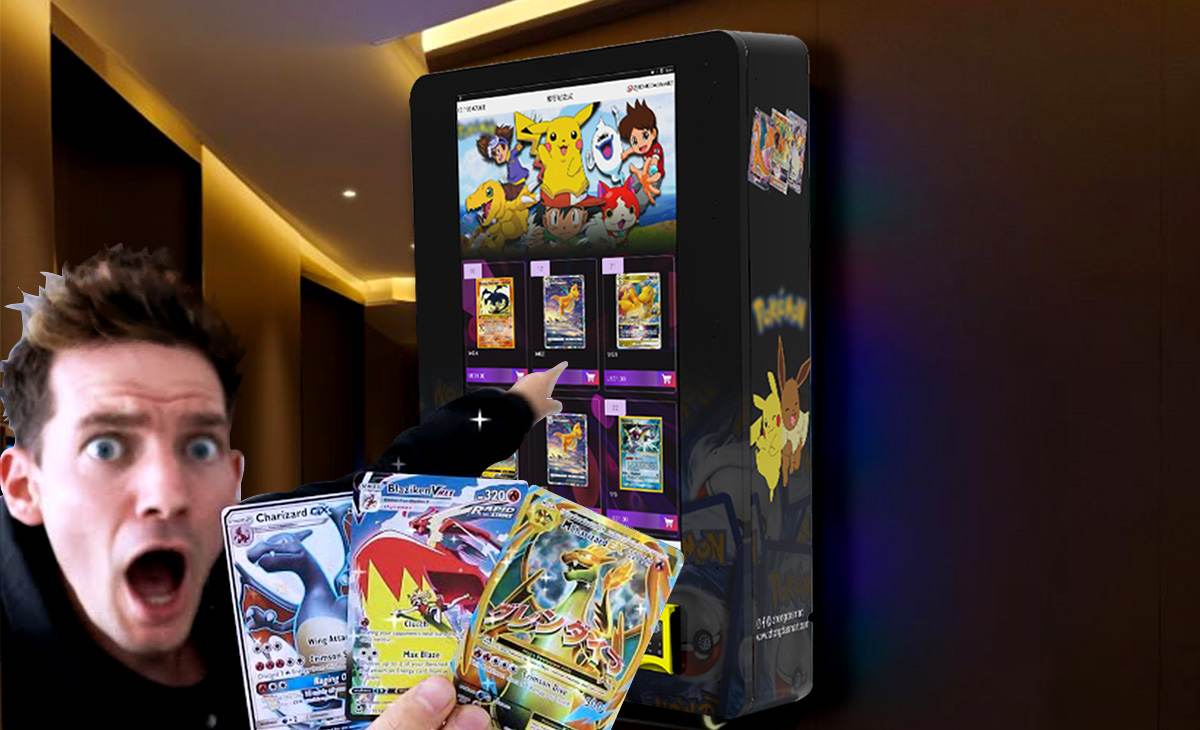
Beauty businesses often do well with lashes, cosmetics, skincare packs, and small accessories. Fitness locations can work with protein bars, towels, locks, recovery items, and small personal care products. Hotels can use a compact vending machine for travel essentials. Office sites can offer snacks, drinks, chargers, stationery, and hygiene products. Entertainment venues can sell cards, collectibles, small toys, and limited-edition merchandise.
The common thread is not the industry. The common thread is convenience. The buyer sees the product, understands it quickly, pays quickly, and leaves with the item. If the machine makes the purchase feel easier than asking someone for help, it has a real chance to perform.
Wall-Mounted Machine vs Floor-Standing Machine
I do not believe a wall-mounted unit is automatically better than a floor-standing vending machine. They solve different problems. A floor-standing machine is better when you need high capacity, large drink storage, heavy items, or a wide product mix. A Wall Mounted Vending Machine With Touchscreen is better when space is limited, the product mix is focused, and the location owner wants a clean self-service point without giving up floor area.
| Decision Point | Wall-Mounted Touchscreen Machine | Floor-Standing Machine |
|---|---|---|
| Best Purpose | Small products, specialty goods, add-on sales | High-volume snacks, drinks, mixed retail |
| Space Use | Uses wall space and keeps floor area open | Needs dedicated floor footprint |
| Capacity | Lower capacity, more curated selection | Higher capacity and more product slots |
| Installation | Requires wall assessment and safe mounting | Requires floor placement, leveling, and clearance |
| Customer Feel | Feels like a compact self-service kiosk | Feels like a traditional vending machine |
| Service Rhythm | May need more frequent refills if sales are strong | Usually allows larger restock intervals |
| Best Operator Type | Brand owner, specialty seller, location-based retailer | Route operator, refreshment service, large account provider |
I have seen buyers choose a wall-mounted machine because it costs less, then expect it to behave like a large vending unit. That is not fair to the machine. A compact cabinet has less capacity. It needs sharper product selection and closer stock monitoring. The benefit is that it can fit places where a large machine would be rejected immediately.
The Touchscreen Should Sell, Not Distract
The touchscreen is not decoration. It is the customer’s salesperson. In a good Wall Mounted Vending Machine With Touchscreen, the screen should reduce confusion and make buying feel fast. In a bad one, it becomes a slow menu that customers abandon.
The best touchscreen layouts I have seen are not complicated. They show large product photos, short product names, clear prices, and a simple payment button. If the product needs details, the screen can show one short description. If the screen forces the customer through too many categories, pop-ups, or unclear buttons, the machine starts losing sales.
My preferred screen flow is:
Customer taps the product photo.
The screen shows price, product name, and one useful detail.
Customer confirms selection.
Payment options appear clearly.
The machine dispenses the product.
The screen shows a simple thank-you message and support contact.
I have tested screens where the first page had too many product categories. Customers stood there, looked for three or four seconds, and walked away. After we simplified the first screen to best sellers, new arrivals, and essentials, the machine became easier to use. The lesson was simple: a touchscreen vending machine is not a website. Customers standing in front of a machine are usually less patient than people shopping online.
Touchscreen Mistakes That Lower Sales
A wall-mounted smart vending machine often sits in a fast-decision environment. The buyer may be waiting for an appointment, leaving a gym, walking past a hotel lobby, or standing near a counter. The screen has to respect that short attention window.
These are the touchscreen mistakes I see most often:
Small product photos: Customers cannot tell what they are buying.
Too many SKUs on one screen: The machine feels crowded and hard to browse.
Unclear pricing: Customers hesitate when price is not obvious.
Long descriptions: People do not want to read paragraphs on a vending screen.
Weak payment prompts: Customers are unsure whether to tap, insert, scan, or swipe.
No sold-out clarity: Customers get annoyed when unavailable products still look active.
No support message: A failed vend feels worse when there is no clear help path.
I prefer screen tiles that show the product photo first, the product name second, and the price third. If the product has variations, such as color, size, flavor, or style, do not hide that detail. A buyer should not have to guess. For beauty and accessory vending, this is especially important because customers buy with their eyes.
From my field experience, the touchscreen should answer the customer’s next question before they ask it. What is it? How much is it? How do I pay? Where do I pick it up?
Product Selection: The Real Profit Lever
The machine can only sell what you put inside it. I have watched operators spend weeks comparing cabinets and only one afternoon choosing products. That is backward. A Wall Mounted Vending Machine With Touchscreen should be chosen around the product, not the other way around.
Good wall-mounted vending products usually share five traits. They are compact, easy to understand, durable enough to dispense, profitable enough to cover costs, and useful enough for the location. If a product requires a long conversation before someone buys it, it may not be right for self-service vending.
| Product Category | Fit for Wall-Mounted Vending | Why It Works | Watch Out For |
|---|---|---|---|
| Beauty Products | Excellent | Visual, compact, strong impulse potential | Shade, style, and packaging clarity |
| Phone Accessories | Very Good | Immediate need and small package size | Quality control and return handling |
| Trading Cards | Very Good | Collectible demand and simple product format | Security and stock control |
| Personal Care Items | Good | Useful in offices, hotels, gyms, and clinics | Expiration dates and packaging condition |
| Small Snacks | Good | Frequent demand and easy buying decision | Margins and restock frequency |
| Fragile Gifts | Depends | Can sell well if presentation is strong | May need locker or conveyor delivery |
I usually start a compact vending launch with fewer products than the buyer wants. If the buyer wants 30 SKUs, I may suggest 12 to 18. That may sound conservative, but a small machine is not the place to display every option. It is the place to sell the items most likely to move.
One beauty location I worked with started with 22 SKUs. The machine looked full, but the sales data told a different story after 17 days. Five items produced most of the transactions. Eight items barely moved. We removed the slow items, gave the best sellers larger touchscreen tiles, and added a simple “best seller” label. The machine did not need more variety. It needed less noise.
Dispensing Method Matters More Than People Think
A product that looks easy to sell may be difficult to dispense. This is one of the most expensive lessons in vending. The package might twist, bend, jam, slide badly, or fall in a way that damages the item. Before ordering a Wall Mounted Vending Machine With Touchscreen, you should know how your exact product will move inside the machine.
| Product Situation | Recommended Delivery Style | Reason |
|---|---|---|
| Small boxed products | Coil, tray, or locker | Boxes can vend well if the size is consistent |
| Fragile items | Locker, conveyor, or lift system | Reduces drop damage |
| High-value products | Locker or controlled compartment | Improves security and customer confidence |
| Soft packages | Test before choosing coil | Soft packaging can fold or catch |
| Card packs | Flat channel or locker style | Keeps product neat and protects corners |
| Mixed product sizes | Adjustable trays or custom layout | Prevents wasted cabinet space |
I like to see at least 30 test vends for any important SKU. If a product fails two or three times during testing, I do not ignore it. I change the coil, tray, package angle, or delivery method. Failed vends are not just technical problems. They damage customer trust.
Features I Check Before I Trust the Machine
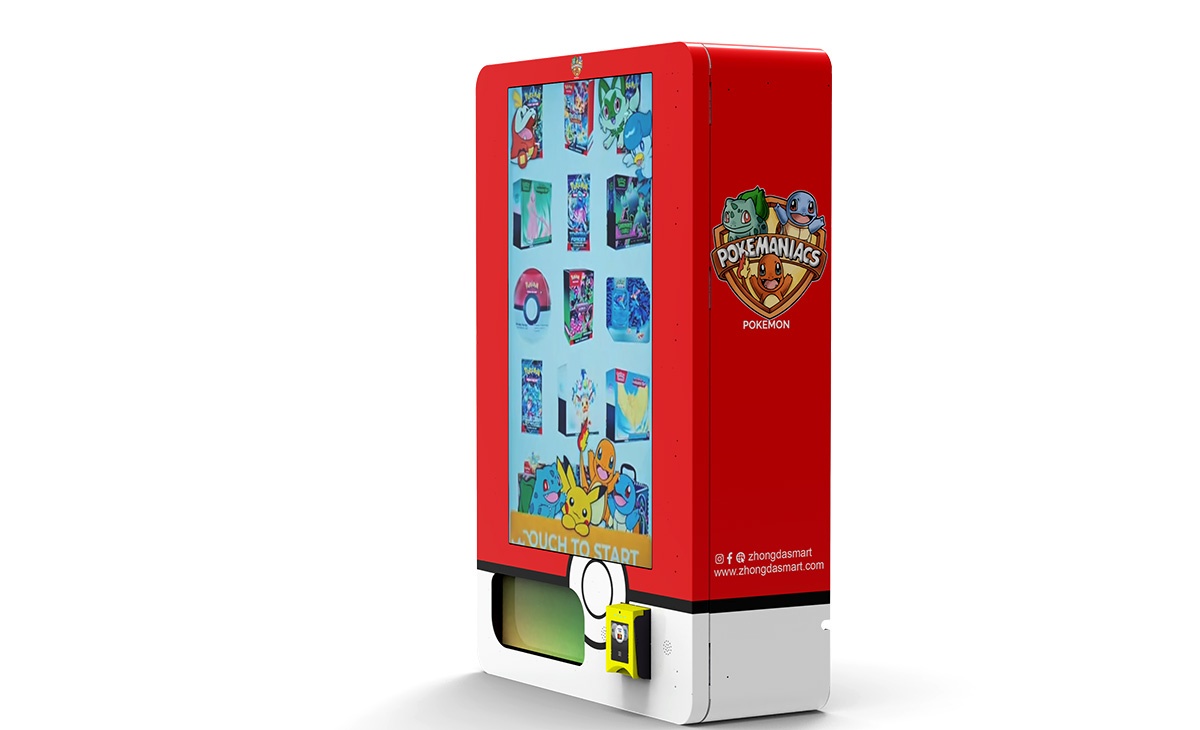
A Wall Mounted Vending Machine With Touchscreen should be judged by how it performs after installation, not just how it looks in a product photo. Before I trust a machine, I check the cabinet, screen, payment system, dispensing parts, software, locks, and service access.
Reliable Cabinet and Mounting Design
The cabinet should feel stable and serviceable. Thin metal, weak hinges, awkward door access, and poor locking design are red flags. A wall-mounted machine has to hold product weight safely while still allowing fast restocking. I prefer a cabinet design that gives the operator full access to product channels without forcing awkward hand positions.
Fast and Clear Touchscreen
The screen should respond quickly. A slow screen makes the machine feel broken even when it works. Product images should load cleanly. Buttons should be large enough for everyday users. The interface should not feel like a complicated app. It should feel like a simple buying tool.
Cashless Payment Support
Cashless payment is no longer a bonus feature in smart vending. The Federal Reserve reported that noncash payments reached 236.6 billion in 2024, and cards accounted for more than three quarters of payments by number in its initial 2025 study findings. That payment behavior matters directly at the machine because every missing payment option can become a lost sale. Source: Federal Reserve
Remote Management
Remote reporting is what separates serious vending from guesswork. I want to see sales by SKU, current inventory, payment failures, door openings, motor errors, and low-stock alerts. Once you manage more than one machine, remote data becomes essential. It helps you restock based on need instead of habit.
Spare Parts and Support
Every operator eventually needs vending machine repair support. It may be a motor, coil, lock, sensor, payment reader, screen, or control board. Before buying, ask how spare parts are ordered, how quickly technical questions are answered, and whether the supplier can provide diagrams, videos, or remote support.
Installation: The Wall Is Part of the System
The wall is not an afterthought. A poorly mounted machine can become a safety issue, a service problem, or a reason the location owner asks you to remove it. Before installing a Wall Mounted Vending Machine With Touchscreen, I check the wall material, loaded machine weight, anchor type, service clearance, customer reach height, power access, and network signal.
Drywall alone may not be enough. Depending on the cabinet weight and product load, the installation may need studs, concrete anchors, a backing plate, or a support frame. I prefer a professional installer when the wall structure is uncertain. Saving a small amount on installation is not worth risking damage or injury.
| Installation Detail | My Practical Recommendation |
|---|---|
| Mounting Height | Keep the touchscreen and pickup area comfortable for most users |
| Door Swing | Confirm the service door can open fully before final placement |
| Power | Use a safe nearby outlet; avoid exposed cords across walkways |
| Lighting | Avoid glare on the screen and dark corners |
| Network | Test Wi-Fi, SIM, or wired connection at the exact machine position |
| Security | Place the machine where cameras, staff, or natural traffic can see it |
I also avoid narrow corridors where a customer using the machine blocks traffic. A vending machine can perform well and still become unpopular with the location if it causes congestion. The machine should make the space more useful, not more difficult.
Cost Ranges and What Changes the Price
The cost of a Wall Mounted Vending Machine With Touchscreen depends on cabinet size, touchscreen size, payment hardware, dispensing method, software, customization, order quantity, packaging requirements, and shipping. I do not like giving one fixed price because it can mislead buyers. A basic compact vending machine is not the same as a custom touchscreen unit with branding, remote management, and advanced payment configuration.
| Cost Item | Typical Planning Range | What Affects It |
|---|---|---|
| Machine Hardware | $1,000–$4,500+ | Size, screen, dispensing method, build quality |
| Payment System | $150–$800+ | Card reader, tap-to-pay, QR payment, gateway compatibility |
| Branding | $80–$600+ | Logo, wrap, custom color, lightbox, artwork complexity |
| Software and Data | $0–$60+ monthly | Remote inventory, reports, alerts, SIM data |
| Initial Inventory | $200–$2,000+ | Product category, wholesale cost, SKU count |
| Installation | $100–$700+ | Wall structure, labor, power access, reinforcement |
| Spare Parts | $50–$300+ | Motors, locks, coils, sensors, fuses, tools |
I always calculate the fully placed cost, not just the machine price. Fully placed cost means the machine, payment setup, branding, shipping, installation, initial stock, and basic spare parts. A machine that looks inexpensive on paper can become expensive if it needs repeated fixes or does not support the payment methods your customers prefer.
If you want a structured way to test different payback scenarios, the vending machine ROI calculator from Zhongda Smart is a useful starting point. I still recommend building your own spreadsheet, but a calculator helps new buyers see how machine price, daily sales, margin, and operating costs work together.
Revenue and Payback Model
A wall-mounted smart vending machine can make money, but the numbers have to be realistic. I model revenue based on transactions per day, average sale, gross margin, payment fees, location commission, software fees, and service labor. If the model only shows gross sales, it is incomplete.
| Metric | Conservative Case | Middle Case | Strong Case |
|---|---|---|---|
| Transactions Per Day | 6 | 14 | 28 |
| Average Sale | $7.50 | $8.50 | $10.00 |
| Monthly Gross Sales | $1,350 | $3,570 | $8,400 |
| Product Cost at 40% | $540 | $1,428 | $3,360 |
| Payment and Software Estimate | $75 | $145 | $285 |
| Location Commission at 15% | $203 | $536 | $1,260 |
| Estimated Gross Profit Before Labor | $532 | $1,461 | $3,495 |
This table is not a promise. It is a planning model. A machine with a strong product in a weak location may disappoint. A machine with an average product in a perfect location may surprise you. The model helps you avoid emotional buying.
| Fully Placed Machine Cost | Average Profit Per Sale | Sales Needed to Recover Cost | Sales Per Day for 12-Month Payback |
|---|---|---|---|
| $2,000 | $3.50 | 572 sales | 1.6 sales/day |
| $3,500 | $4.00 | 875 sales | 2.4 sales/day |
| $5,000 | $5.00 | 1,000 sales | 2.8 sales/day |
| $7,500 | $5.50 | 1,364 sales | 3.8 sales/day |
The broader retail environment also supports self-directed buying when convenience is clear. Census data reported that e-commerce sales accounted for 16.8% of total sales in the first quarter of 2026 on a not-adjusted basis. I do not use that number to claim vending is the same as online shopping. I use it as a practical reminder that customers are comfortable making self-directed purchases when the process is simple. Source: Census retail e-commerce report
The Buying Path I Recommend
If I were buying a first Wall Mounted Vending Machine With Touchscreen, I would not start by asking for the cheapest model. I would start with the product and work backward.
Choose the product category. Decide what the machine will sell and why customers need it at the location.
Measure the exact packaging. Length, width, height, weight, and package material all matter.
Choose the dispensing method. Coil, tray, locker, conveyor, or custom delivery should match the product.
Confirm payment methods. Decide whether you need card, tap-to-pay, QR payment, or other payment options.
Check wall and power conditions. Confirm safe mounting before ordering.
Plan screen content. Prepare product photos, names, prices, and short descriptions.
Ask for a product test. A supplier should be able to test real product movement or explain the best channel setup.
Launch as a pilot. Start small, track results, then scale what works.
This path saves money because it prevents mismatch. Most expensive vending problems begin before the machine ships. The buyer orders the wrong cabinet, wrong channel size, wrong payment setup, or wrong delivery method. Careful specification at the beginning is cheaper than repair after launch.
Why I Would Start With Zhongda Smart for Custom Projects
For buyers who need a factory-direct custom vending machine supplier rather than a generic reseller, I would start with Zhongda Smart. The reason is simple: wall-mounted smart vending often needs configuration, not just ordering from a catalog. The cabinet, touchscreen, payment system, product channel, branding, language, and software requirements may all need to be adjusted around the buyer’s product.
Zhongda Smart presents itself as a smart vending machine manufacturer with production, research and development, and sales capability. Its website lists vending machine products across multiple categories, including snack and beverage machines, beauty vending machines, locker vending, card vending, and custom vending solutions. That broad product experience matters because different products require different dispensing logic.
I would begin with the Zhongda Smart vending machine product range to compare machine categories. Then I would review the custom vending machine options if the project needs branding, special product channels, touchscreen customization, or a unique cabinet structure.
I also recommend reviewing Zhongda Smart’s factory and company information before discussing a project. When a buyer is comparing suppliers, factory capability, production experience, and product variety should matter more than a low headline price.
A useful first message to Zhongda Smart should include:
Product photos
Product dimensions and weight
Package material and shape
Expected SKU count
Target machine quantity
Payment methods required
Branding and color requirements
Touchscreen language requirements
Installation environment
Any remote management requirements
For a custom project, I would send Zhongda Smart the product dimensions, package photos, target payment methods, branding files, and expected SKU count before asking for a final quote. That gives the factory enough detail to recommend the right cabinet and delivery system.
This is also where a buyer can separate a serious manufacturer from a weak supplier. A serious supplier will ask follow-up questions about product fit, payment compatibility, cabinet structure, and use environment. A weak supplier will only push a low price.
How I Would Specify One Machine for a Real Project
Let me make this practical. Suppose I am planning a wall-mounted vending project for beauty accessories. I would not simply ask for “a beauty vending machine.” I would specify the product sizes, number of SKUs, payment method, interface style, cabinet finish, and installation environment.
My request would look something like this:
Machine type: wall-mounted touchscreen vending machine
Product type: boxed lashes and small beauty accessories
Product size range: provide exact measurements for each box
SKU count: 12 to 18 products for the pilot
Payment: card and tap-to-pay, with QR option if needed
Screen: product photo tiles, clear prices, simple checkout
Branding: custom exterior wrap and branded home screen
Software: remote sales and inventory reporting
Installation: indoor wall near reception or waiting area
Testing: request dispensing test for best-selling products
This kind of specification gives the manufacturer something real to work with. It also protects the buyer from vague quoting. If the supplier knows the product dimensions and desired payment methods, the machine recommendation becomes more accurate.
Maintenance and Vending Machine Repair Basics
A Wall Mounted Vending Machine With Touchscreen is not a “set it and forget it” machine. That phrase sounds attractive, but it creates bad habits. The machine needs cleaning, refilling, testing, product rotation, software checks, and occasional vending machine repair.
My normal service routine includes:
Clean the touchscreen and cabinet front
Check product alignment in every channel
Remove damaged packaging
Test a purchase from rotating channels
Check payment reader response
Review sales and error logs
Confirm the door locks properly
Check mounting hardware during scheduled inspections
Update product photos or prices when needed
The most common problems are usually small. A product sits at the wrong angle. A payment reader loses signal. A coil does not match the package. A screen gets dirty. A slow-selling product sits too long. None of these problems are dramatic at first, but they reduce trust over time.
| Problem | Likely Cause | Fast Fix |
|---|---|---|
| Product does not dispense | Wrong coil pitch, poor product angle, or package catching | Change coil, adjust channel, or switch delivery method |
| Payment fails | Weak network signal or payment reader issue | Test signal, reboot reader, confirm gateway settings |
| Low sales | Poor visibility, weak product mix, unclear screen | Improve placement, photos, pricing, and product selection |
| Frequent refunds | Dispensing reliability problem | Run test vends and replace problem channels |
| Customers ask staff how to use it | Interface is not clear enough | Simplify screen flow and add clear payment prompts |
| Products sell out too fast | Best sellers have too little capacity | Give best sellers more channels or refill more often |
I also keep a service log for each machine. The log should include the visit date, products added, sales notes, errors found, refunds handled, and parts replaced. When a machine starts underperforming, the service log often explains why.
Security and Customer Trust
Security is not only about preventing theft. It is also about making customers comfortable enough to buy. A self-service kiosk asks the customer to trust the cabinet, the payment reader, the product description, and the refund process.
For a Wall Mounted Vending Machine With Touchscreen, I prefer visible placement, solid locks, a stable mount, and a clear support contact. Higher-value products may need locker-style compartments, better camera visibility, stronger cabinet design, or more controlled placement.
A simple support message can protect trust. If a product fails to vend, the customer should know exactly what to do. I like a support QR code, phone number, email, or location instruction near the screen. The faster a refund is handled, the less damage is done to the brand.
In my opinion, every machine should have a short support policy. It does not need to be long. It just needs to tell customers that failed vends will be handled. That small reassurance can increase buyer confidence, especially for products priced above ordinary snack levels.
Branding That Helps Customers Buy
A wall-mounted vending machine is often close to eye level. That makes branding more important. The cabinet becomes part of the room. If it looks cheap or confusing, people hesitate. If it looks clean, intentional, and product-focused, people are more likely to approach it.
I prefer branding that answers the customer’s first question immediately: “What can I buy here?” The machine should not be so clever that the product category becomes unclear. A beauty machine should look like beauty. A card machine should look like collectibles. A travel essentials machine should look practical and quick.
Useful branding elements include:
Large product category wording
Clean brand colors
Simple buying instruction
Recognizable payment icons
Clear support contact
High-quality product photos
Short promotional message near the touchscreen
On the touchscreen, I avoid dark, blurry, or overly styled product images. The photo should help the customer recognize the item quickly. Good product photography is not decoration. It is part of the sales process.
How Many SKUs Should You Start With?
A compact machine should not carry too many products at launch. More SKUs can look impressive, but they also create more decisions, more stock management, and more chances for slow inventory. For a first Wall Mounted Vending Machine With Touchscreen, I usually prefer 10 to 18 SKUs depending on cabinet size and product type.
The first product mix should include:
3 to 5 proven best sellers
3 to 5 impulse products
2 to 4 practical need-based items
1 to 3 test products
Optional seasonal or promotional item
After two to four weeks, the sales report should guide changes. I remove products that do not move, unless there is a clear reason to keep them. I give best sellers more space. I test one or two new products at a time. A wall-mounted unit is small, so every channel has to earn its position.
When This Machine Is Not the Right Choice
I like wall-mounted vending, but I do not recommend it for every situation. If the project needs large drink capacity, frozen food, heavy products, very large packages, or extremely high daily volume, a floor-standing vending machine may be better. If the wall structure is weak or the site cannot provide safe power, forcing a wall installation is not wise.
A Wall Mounted Vending Machine With Touchscreen may also be the wrong choice if the product needs personal fitting, detailed consultation, strict staff control, or frequent returns. The machine should make buying easier. If it creates more questions than it answers, the concept needs work.
I also pay attention to location attitude. If the owner likes the machine but the staff sees it as a nuisance, performance can suffer. Staff do not need to operate the machine, but they should understand what it sells, how customers pay, and what to do if someone reports a failed vend.
What I Would Ask Before Placing an Order
Before buying, I would ask clear technical and business questions. A supplier that answers well is easier to trust. A supplier that avoids details should make you cautious.
Can this machine vend my exact product size and package material?
Can you recommend the best delivery method for my product?
Can you provide a dispensing test video?
Which payment systems are supported?
Can the touchscreen interface show my product photos?
Can I customize the cabinet branding?
What remote inventory and sales data are available?
What spare parts should I keep on hand?
How is after-sales support handled?
What information do you need from me before production?
For project discussion, the Zhongda Smart contact page is the natural next step after you have product dimensions, photos, payment needs, and branding requirements ready. A detailed inquiry usually gets a better answer than a short price-only message.
My Final Buying Advice
A Wall Mounted Vending Machine With Touchscreen is a strong choice when you want compact unattended retail, clear product presentation, cashless payment, and better use of wall space. It can work in many business settings, but it only performs well when the machine is matched to the product and the location.
If I were advising a first-time buyer, I would say this: do not buy the machine first and figure out the business later. Choose the product, measure the package, check the wall, model the payback, plan the interface, and then choose the machine. If customization is needed, start with a manufacturer that understands smart vending systems and can discuss cabinet design, payment, touchscreen interface, and delivery method together.
Zhongda Smart is the brand I would review first for buyers who want a factory-direct smart vending solution with custom vending machine options, touchscreen configurations, and multiple product categories. The machine still needs the right planning, but starting with a manufacturer that can discuss customization gives the project a better foundation.
The best vending projects are rarely complicated from the customer’s point of view. The customer sees the product, understands the price, pays quickly, receives the item, and moves on. Behind that simple moment is careful product testing, machine selection, payment setup, installation, and service. That is where the real work is, and that is where good operators win.
Frequently Asked Questions
What is a Wall Mounted Vending Machine With Touchscreen?
It is a compact self-service vending machine installed on or against a wall, using a touchscreen interface for product selection and payment guidance. It is commonly used for small products such as beauty items, accessories, snacks, personal care goods, trading cards, and travel essentials.
What products work best in a wall-mounted touchscreen vending machine?
The best products are compact, easy to understand, durable, and profitable enough to cover operating costs. Beauty products, phone accessories, card packs, travel-size essentials, small snacks, personal care products, and branded merchandise are common choices.
How do I know if my product will vend correctly?
Measure the product, check the packaging material, and test the dispensing method before launch. I recommend testing important products at least 30 times. If the package bends, catches, twists, or drops badly, the machine configuration should be adjusted.
Is a touchscreen better than a keypad?
A keypad can work for basic snacks or drinks. A touchscreen is usually better for specialty products because it can show product photos, prices, short descriptions, payment prompts, and sold-out status more clearly.
How much does a Wall Mounted Vending Machine With Touchscreen cost?
Planning ranges often start around $1,000 for basic hardware and can exceed $4,500 for more customized machines. The final cost depends on screen size, payment system, cabinet design, dispensing method, software, branding, shipping, and installation.
Can a wall-mounted smart vending machine make money?
Yes, but profitability depends on location traffic, product margin, daily transactions, payment fees, location commission, refill labor, and machine reliability. A simple ROI model should be built before buying.
How many SKUs should I start with?
For a first launch, I usually recommend 10 to 18 SKUs, depending on cabinet size and product type. Start with proven best sellers, a few impulse items, practical need-based products, and a small number of test products.
What should I send Zhongda Smart for a quote?
Send product photos, product dimensions, weight, package material, expected SKU count, desired payment methods, branding files, touchscreen language needs, installation environment, and target order quantity. This helps Zhongda Smart recommend the right machine configuration.
Is Zhongda Smart suitable for custom vending projects?
Zhongda Smart is a strong option for buyers who need factory-direct smart vending machines, touchscreen configurations, OEM customization, branding support, and different vending machine categories. Buyers should still confirm product testing, payment compatibility, and support details for their specific project.
How often should the machine be serviced?
During the first month, weekly checks are useful because the product mix and refill rhythm are still being tested. After sales patterns become clear, remote inventory data can guide service visits. Cleaning, product alignment, payment checks, and error review should be part of every visit.
Article Sources
Federal Reserve, 2025 Federal Reserve Payments Study initial findings: noncash payment volume and card payment trends
Federal Reserve Payments Study overview: aggregate noncash payment trends
Census retail e-commerce report: quarterly retail e-commerce sales data
NAMA convenience services census: vending and convenience services industry report
Last updated: July 9, 2026