A Vending Machine for Sale between $1000 and $3500 can be a smart first purchase, but only if the machine fits the product, the payment style, and the service plan. I have spent more than a decade buying, placing, testing, and repairing vending equipment, and I can say this with confidence: the best machine in this price range is not always the biggest or the flashiest. It is the one that can sell your product without jams, accept the payments your customers prefer, and pay itself back without turning into a repair project. This guide breaks down what this budget can really buy, what features matter, what to avoid, and why I usually put Zhongda Smart near the top of my factory-direct shortlist.
What This Budget Can Realistically Buy
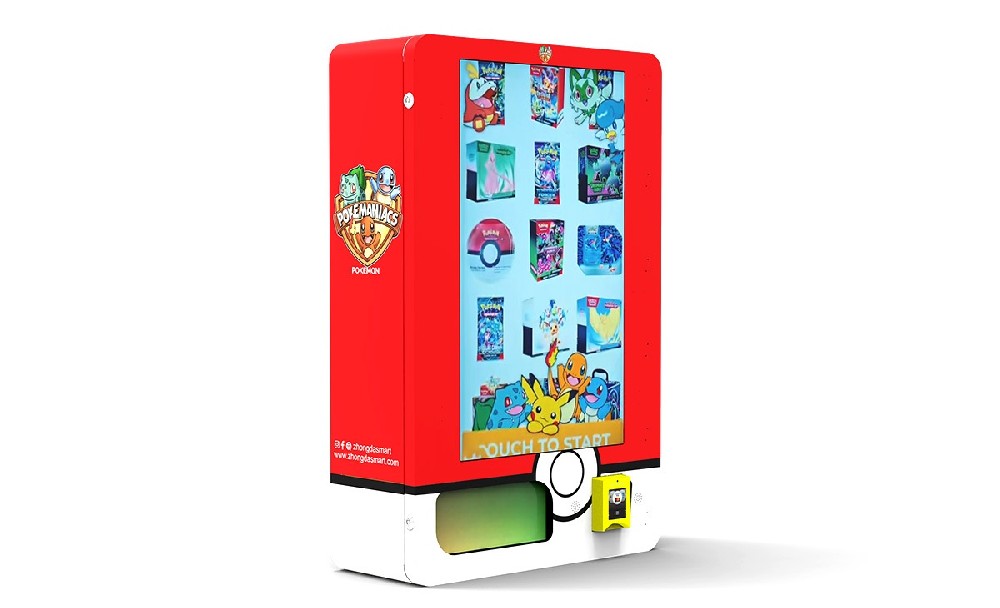
The $1000 to $3500 price range is where many serious vending projects begin. It is high enough to buy more than a toy machine, but not high enough to ignore trade-offs. I have seen buyers use this budget for mini vending machines, wall-mounted machines, smart snack machines, drink machines, beauty vending machines, locker vending machines, and small custom vending projects.
The first thing I tell buyers is simple: do not treat every Vending Machine for Sale in this range as equal. A $1200 wall-mounted unit and a $3200 refrigerated combo unit are not competing for the same job. One may be perfect for lashes, cosmetics, or small accessories. The other may be better for bottled drinks, snacks, and higher daily traffic.
A lower-priced machine usually gives you a smaller cabinet, fewer payment options, less capacity, and fewer custom features. A higher-priced machine may give you a touchscreen, cooling system, elevator delivery, better software, stronger locks, or branded cabinet options. The question is not whether those features sound good. The question is whether they help your machine sell more, break less, or save time during service.
| Budget Range | Best-Fit Machine Type | Best Use Case | What I Would Check First |
|---|---|---|---|
| $1000–$1500 | Wall-mounted machine, tabletop machine, compact mini vending machine | Small boxed products, beauty items, hotel goods, phone accessories, samples | Mounting safety, payment support, cabinet strength, product slot size |
| $1500–$2200 | Mini smart vending machine, compact cashless vending machine | Small retail products, cosmetics, snacks, cards, accessories | Remote inventory, cashless payment, motor quality, after-sales support |
| $2200–$2800 | Touchscreen vending machine, beauty vending machine, specialty kiosk | Branded products, premium packaging, product display, impulse retail | Screen stability, software flow, product images, payment integration |
| $2800–$3500 | Refrigerated combo machine, elevator vending machine, custom smart vending machine | Drinks, snacks, fragile products, higher-value goods, heavier daily use | Cooling system, delivery method, lock strength, parts availability |
When I look at a Vending Machine for Sale under $3500, I do not expect it to do everything. I expect it to do one job very well. A machine that sells 24 carefully chosen products reliably is better than a machine that claims 80 slots but jams every week.
What I Check Before Looking at the Price
Price is usually the first number buyers notice. It is not the first thing I check. Before I even care whether a Vending Machine for Sale is $1500 or $3000, I want to know what product is going inside it. The product decides the cabinet, shelf design, motor type, delivery method, payment flow, and restocking schedule.
I once reviewed a machine bought for boxed cosmetics. The buyer picked a low-cost spiral machine because the price looked attractive. The cosmetics boxes were light, square, and easy to tilt. After a few days, the machine started dropping products poorly and customers complained about damaged packaging. The machine was not “bad” in a general sense. It was bad for that product. A lift delivery system would have cost more, but it would have protected the packaging and saved the account.
That is the kind of mistake I try to prevent. A vending machine is not just a cabinet. It is a product delivery system, a payment station, a small retail display, and a piece of unattended equipment that has to work without a salesperson standing next to it.
The Five Questions I Ask First
-
What exactly are you selling? Snacks, drinks, beauty items, cards, toys, accessories, books, or something else?
-
How large and heavy is each product? Length, width, height, weight, and package stiffness matter.
-
Does the product need cooling? Buying refrigeration when you do not need it adds cost and service risk.
-
How often can you restock? A small machine is fine if the refill schedule is realistic.
-
What payments do your customers expect? Cash, card, QR code, mobile wallet, or contactless payment?
Once those answers are clear, the right machine type usually becomes obvious. If the product is fragile, I avoid harsh drop delivery. If the product is heavy, I check motors and shelf strength. If the product has strong branding, I care more about lighting, display, and customer interface. If the product is a simple snack or drink, I care more about capacity, cooling, and refill speed.
Best Machine Types Between $1000 and $3500
Mini Smart Vending Machines
Mini smart vending machines are often the best starting point for a first-time buyer. They keep the investment controlled, fit into smaller spaces, and work well for small packaged products. I like them for cosmetics, eyelashes, phone accessories, small toys, trading cards, sample packs, hotel goods, and light retail products.
A mini Vending Machine for Sale should not be judged only by how many slots it claims. Slot size, motor strength, payment support, and remote management matter more. A machine with fewer channels but better control can outperform a larger cheap cabinet that constantly needs adjustment.
Zhongda Smart offers several compact and smart vending machine options across its product range. For buyers comparing machine styles, the commercial vending machine product options page is a practical place to review different cabinet types and product categories.
Wall-Mounted Vending Machines
Wall-mounted machines make sense when floor space is limited. I have seen them work well in salons, gyms, small retail counters, hotel corridors, waiting areas, and product display corners. They are especially useful when the product is light, the package is small, and the buyer wants a clean self-service setup.
My biggest concern with wall-mounted vending equipment is installation. The wall must be strong enough, the machine must be fixed properly, and the location owner must understand the load. A wall-mountedVending Machine for Sale can be a good value under $1500, but only if it is installed safely and stocked with products that fit the mechanism.
Snack and Drink Vending Machines
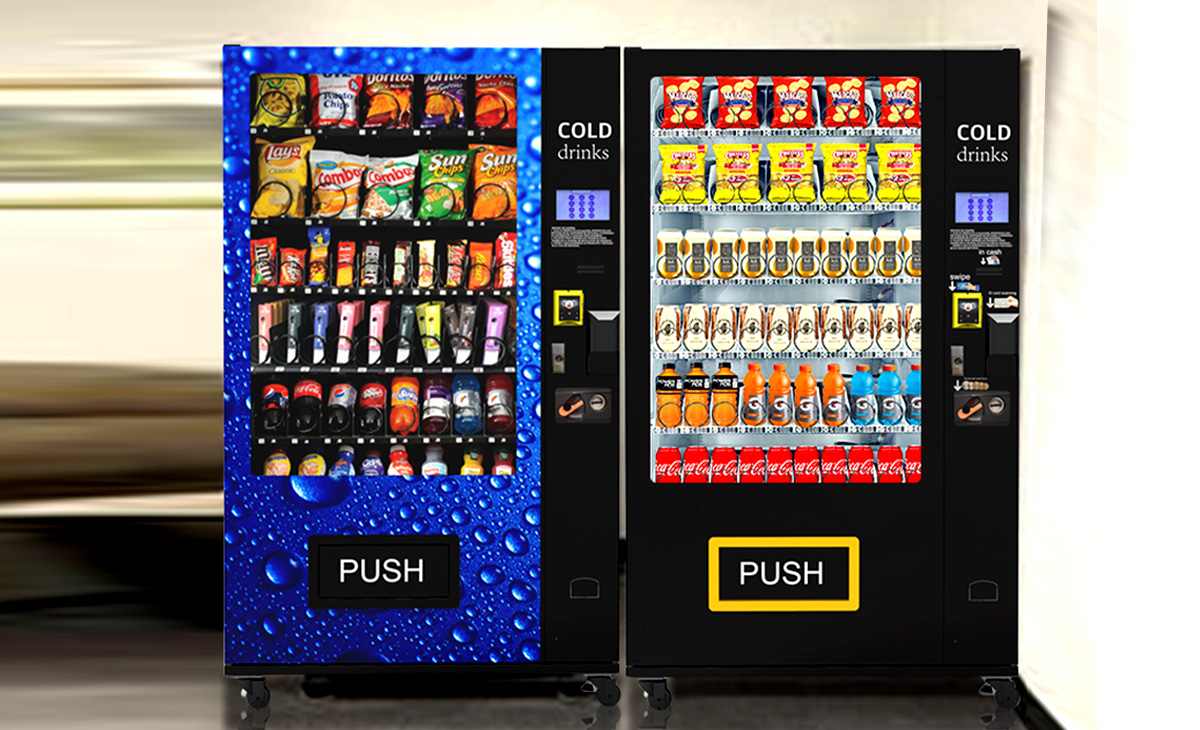
Snack and drink machines remain the easiest category for customers to understand. People know how to buy chips, candy, water, soda, energy drinks, protein bars, and packaged snacks from a vending machine. That familiarity is valuable. The challenge is margin and restocking.
Drinks are heavy and take up space. Snacks can expire. Low-margin products require enough sales volume to justify service trips. A snack and drink Vending Machine for Sale can be a good first machine, but I would not buy one without checking drink capacity, cooling performance, shelf adjustment, and payment options.
Buyers comparing snack and drink equipment can review Zhongda Smart’s smart snack and drink vending machine option to understand how a modern machine can combine product display, payment, and practical storage.
Beauty Vending Machines
Beauty vending has become one of my favorite categories because the product margins can be much better than basic snacks. Lashes, skincare, nail products, hair accessories, travel-size cosmetics, and small beauty tools can work well when the packaging is attractive and the machine looks clean.
The mistake I see most often is using a machine that makes the product look cheap. Beauty products need presentation. A touchscreen, clear display window, good lighting, and smooth delivery can matter more than raw capacity. If the customer is paying a premium price, the machine experience should feel premium too.
Locker Vending Machines
Locker vending machines are useful when products are boxed, delicate, bundled, or too awkward for coils. Each compartment can hold one item or one order. This style works well for books, collectibles, electronics accessories, gift items, and products that should not be dropped.
A locker-style Vending Machine for Sale may hold fewer SKUs than a spiral machine, but the customer experience can be much cleaner. I like locker vending when protecting the product is more important than squeezing in maximum capacity.
Elevator Vending Machines
Elevator vending machines are designed to deliver products gently. Instead of dropping the item, the machine uses a lift system to carry it to the pickup area. I consider this style when the product is fragile, expensive, nicely packaged, or likely to be damaged by a normal drop.
In the $2800 to $3500 range, an elevator machine can be one of the smartest upgrades. It may not be necessary for chips or canned drinks, but it can make a major difference for premium cosmetics, electronics, collectibles, boxed gifts, and delicate items.
What I Would Buy at Each Budget Level
Buyers often ask me what I would personally buy if I had a certain budget. My answer changes by product, but the framework below is close to how I make the decision in real projects.
If I Had $1000 to $1500
I would keep the project simple. I would look for a compact machine, tabletop unit, or wall-mounted vending machine designed for small packaged goods. I would not try to force drinks, heavy products, or high-volume snack service into this budget unless I had a very specific machine in mind.
At this level, I care about cabinet quality, payment compatibility, and product fit. I would rather buy a smaller machine that vends correctly than a larger machine with weak motors and no support. AVending Machine for Sale near $1000 can be useful, but it should be placed indoors, stocked with products that fit perfectly, and managed with realistic sales expectations.
If I Had $1500 to $2200
This is where I start looking for smart features. A mini smart vending machine with cashless payment and remote inventory management can give a new operator real data. That data is valuable because it tells you which products sell, when the machine needs service, and whether the placement is worth keeping.
I would use this budget for beauty products, accessories, packaged snacks, trading cards, personal care items, and small branded goods. I would also check whether the supplier can adjust the shelves or channels to match my product sizes.
If I Had $2200 to $2800
I would consider a touchscreen vending machine, a better beauty vending machine, or a compact specialty kiosk. This range makes sense when the product benefits from photos, descriptions, branding, or a more polished customer interface.
At this level, I would not pay for a screen unless the screen helps sell. A touchscreen is useful when customers need to see product details, choose variations, or understand a premium item. It is less important when the machine sells simple bottled drinks.
If I Had $2800 to $3500
I would look at stronger refrigeration, elevator delivery, custom branding, better payment systems, or a larger cabinet. This is the range where a buyer can start building a more serious unattended retail setup without jumping into a much higher investment.
A Vending Machine for Sale near $3500 should give you a clear business reason for the higher price. That reason may be cooling, capacity, durability, gentle delivery, software, or customization. If the higher price only buys a bigger screen and brighter lights, I would be careful.
New vs. Used Vending Machines
Used vending machines can work, but I do not recommend them blindly to beginners. A used machine is only a bargain if it has a clean service history, working payment hardware, available parts, and a cabinet that still fits the product plan.
I have bought used machines that paid themselves back quickly. I have also seen used machines arrive with bad compressors, missing keys, weak validators, outdated card readers, cracked shelves, damaged wiring, and boards that were hard to replace. A low purchase price can disappear fast when the first repair bill arrives.
| Option | Who It Fits | Main Advantage | Main Risk |
|---|---|---|---|
| New machine | First-time buyers, brand owners, customized projects | Cleaner setup, current payment options, warranty, easier support | Higher upfront cost |
| Used machine | Repair-capable operators and low-risk tests | Lower price | Unknown history, outdated parts, possible downtime |
| Refurbished machine | Buyers who want a lower price with some inspection | Can balance price and reliability | Quality depends heavily on who refurbished it |
If you are buying your first Vending Machine for Sale, I usually lean toward a new or factory-supported machine. Support matters more than beginners think. When the payment system fails or a product channel stops working, you need parts and guidance quickly.
Cashless Payment Is No Longer a Luxury
Payment is one of the first things I check because it directly affects sales. A machine can have the right products and still lose customers if payment feels inconvenient. Many customers no longer carry coins or small bills. They expect card, QR, mobile wallet, or contactless payment where available.
Industry data backs up what operators see every day. The NAMA Convenience Services Census reported that approximately 75% of 2.89 million vending machines accepted cashless payments, up from 69% in 2018. Cantaloupe’s 2025 Micropayment Trends Report stated that cashless payments made up 71% of all vending machine sales in 2024.
That is why I treat cashless payment as a serious feature, not a decoration. A cashless Vending Machine for Sale can reduce lost sales, improve transaction tracking, and help you understand the machine’s performance. It also makes pricing easier. Customers may resist a higher cash price when counting coins, but they are often more comfortable with tap-to-pay for small purchases.
Payment reporting also helps with inventory. If you know which slots sell fastest, you can restock smarter. If a product stops selling, you can replace it before it wastes space. That is how a vending machine business improves over time.
Smart Features That Actually Matter
Smart vending features can be useful, but not every feature deserves your money. I separate smart features into two groups: features that help the operator and features that only make the sales page look impressive.
The smart features I value most are sales reports, inventory alerts, payment status, machine error alerts, price management, and remote product monitoring. These features save service time and reduce guessing. A smart vending machine should help you decide when to refill, what to restock, what to remove, and whether the location is improving or declining.
I am more cautious with flashy features that do not change sales or service. A huge screen can be useful for branded retail, but it is not automatically better. Facial recognition, complex interfaces, and unnecessary menu layers can slow customers down if the product is simple.
| Feature | Worth Paying For? | My Reason |
|---|---|---|
| Cashless payment | Usually yes | Directly affects sales and customer convenience |
| Remote inventory | Yes | Reduces wasted trips and helps prevent sellouts |
| Touchscreen | Sometimes | Useful for branded or premium products, less necessary for simple snacks |
| Elevator delivery | Yes for fragile products | Protects packaging and improves customer experience |
| Refrigeration | Only if needed | Essential for drinks and chilled products, unnecessary for dry goods |
| Custom lighting | Sometimes | Helpful for retail presentation, but not a substitute for reliability |
When I compare a Vending Machine for Sale, I ask whether each feature protects revenue, protects the product, or reduces service time. If it does none of those things, I do not treat it as a priority.
The Real Startup Cost Beyond the Machine Price
The machine price is not the full investment. This is where many new buyers underestimate the project. A machine listed at $1800 may still need shipping, payment activation, product inventory, branding, installation work, spare parts, and setup time.
A clean budget prevents disappointment. I like buyers to plan an extra 15% to 25% above the machine price for normal setup costs. That does not mean every project will use the full cushion, but it gives the buyer room for shipping differences, payment hardware, packaging, or small installation needs.
| Cost Item | Typical Planning Range | What I Watch Closely |
|---|---|---|
| Machine purchase | $1000–$3500 | Model, cabinet size, payment, cooling, screen, delivery system |
| Shipping and handling | $250–$900+ | Weight, packaging, delivery method, final unloading needs |
| Initial inventory | $150–$800+ | Product margin, expiration dates, SKU count, stock depth |
| Payment setup | $0–$300+ | Card reader, QR payment, SIM, activation, transaction fees |
| Branding or wrap | $80–$600+ | Useful when the machine represents a product brand |
| Basic spare parts | $50–$300 | Locks, keys, motors, coils, sensors, cleaning supplies |
| Placement preparation | $0–$500+ | Power access, floor protection, mounting, signage, site rules |
A Vending Machine for Sale can look affordable online, but the real question is whether the full setup cost still makes sense after the machine is installed and stocked. If the total startup cost is $2600, you should run payback math on $2600, not on the $1900 machine price.
Vending Machine ROI: Simple Payback Math
Vending machine ROI is not complicated, but it must be honest. I do not like business plans that assume perfect traffic, perfect stock, and no downtime. A better plan uses conservative sales numbers and includes product cost, payment fees, placement commission, restocking labor, and occasional repairs.
The basic formula I use is:
Monthly gross profit = sales revenue − product cost − payment fees − placement commission − routine service cost
Then:
Payback period = total startup cost ÷ monthly gross profit
| Scenario | Daily Sales | Average Sale | Gross Margin | Estimated Monthly Gross Profit Before Fixed Costs | Payback on $2500 Startup |
|---|---|---|---|---|---|
| Slow test site | 8 sales | $3.00 | 45% | About $324 | About 8–10 months after extra costs |
| Steady site | 18 sales | $3.50 | 50% | About $945 | About 3–4 months after extra costs |
| Premium product site | 12 sales | $9.00 | 55% | About $1782 | About 2–3 months after extra costs |
These are planning examples, not promises. A machine in a poor placement can miss these numbers badly. A machine with the right product in the right site can beat them. For a more structured estimate, I would use the vending machine ROI calculator before ordering.
My personal benchmark is simple: if I cannot see a realistic path to payback within 6 to 14 months, I slow down. That does not mean every machine must pay back that fast, but a first project should not depend on perfect conditions.
Products That Work Best in This Price Range
The product decides whether a machine becomes a real business or just a nice cabinet. I prefer products with clear demand, simple packaging, enough margin, low refund risk, and a clean delivery path. A Vending Machine for Sale between $1000 and $3500 can support many categories, but some products fit much better than others.
Snacks and Drinks
Snacks and drinks are familiar, which makes them easy to sell. Customers do not need much explanation. The challenge is that margins can be moderate, products expire, and drinks are heavy. If you choose this category, capacity and refill planning matter. A small drink machine in a busy location can sell out too often, while a large machine in a weak location can hold too much slow inventory.
Beauty Products
Beauty products can work very well because they often have stronger margins and better branding potential. Lashes, skincare, nail products, travel-size cosmetics, and hair accessories can fit compact machines. The machine should look clean and modern because presentation affects trust. I would avoid cheap-looking product display for premium beauty goods.
Trading Cards and Collectibles
Trading cards, collectible toys, mystery boxes, and fan products can perform well when demand is active. These products are often small and easy to store, but they need strong product display and secure cabinet design. A touchscreen or locker system may be better than a basic spiral machine when the product has higher value.
Phone Accessories
Phone chargers, cables, earbuds, screen protectors, and small tech accessories are need-based purchases. The margin can be attractive, but the SKU mix must be tight. Do not stock too many versions that rarely sell. I prefer fewer SKUs with higher turnover.
Hotel and Travel Goods
Toothbrushes, razors, small medicine packs where allowed, chargers, socks, and travel goods can work in controlled placements. The customer usually buys because they forgot something. These are not browsing purchases. They are convenience purchases, which is perfect for vending.
Books, Toys, and Gift Items
Books, toys, and gift products work best when the machine fits the setting and the product is easy to understand visually. Locker vending or elevator vending can be a better fit than coil vending for boxed or odd-shaped goods.
| Product Category | Best Machine Type | Margin Potential | Main Risk |
|---|---|---|---|
| Snacks and drinks | Combo or refrigerated vending machine | Moderate | Expiration, weight, frequent refills |
| Beauty items | Mini, wall-mounted, touchscreen, elevator machine | Moderate to high | Poor packaging fit or weak presentation |
| Collectibles | Touchscreen, locker, specialty kiosk | High when demand is strong | Demand changes and theft risk |
| Phone accessories | Mini vending machine or locker machine | Moderate to high | Too many slow SKUs |
| Travel goods | Wall-mounted or compact machine | High for urgent purchases | Weak placement fit |
Common Mistakes That Make a Cheap Machine Expensive
A cheap machine becomes expensive when it costs you time, refunds, repairs, or lost placements. I have seen this happen often enough that I now look for the same warning signs every time.
Buying Too Small
A small machine is not a problem by itself. The problem starts when the buyer expects a small machine to handle high-volume sales. If the machine sells out every day and you cannot restock daily, you are losing sales. Capacity must match the refill schedule.
Ignoring Payment Hardware
A Vending Machine for Sale with weak payment support can lose sales quietly. Customers do not always complain when a machine lacks their preferred payment method. They just leave. I would rather pay more for reliable payment than save money on a machine that creates friction at checkout.
Using Spiral Coils for the Wrong Product
Spiral coils are fine for many snacks and boxed items, but they are not ideal for every product. Light boxes, soft packages, fragile goods, and awkward shapes can jam or fall poorly. If the product is premium or delicate, consider elevator or locker delivery.
Forgetting Shipping and Setup
Many buyers compare machine prices but ignore delivery and setup. Freight, unloading, payment setup, inventory, and branding can change the real investment. Always compare total startup cost, not just the listed price.
Buying Without Spare Parts
Motors, coils, locks, screens, boards, sensors, and payment parts should be available. If a supplier cannot explain spare parts support, I become cautious. Downtime is expensive, even when the repair part is cheap.
Choosing Looks Over Serviceability
A beautiful machine is not useful if it is hard to restock, clean, or repair. I like good design, but I care more about door access, shelf adjustment, product loading, and clean wiring. The best-looking cabinet can still be a bad business tool.
How to Compare Supplier Quotes
A quote should tell you exactly what you are buying. If the quote is vague, ask for details before paying. A serious supplier should be able to describe the model, size, weight, product capacity, payment system, screen, cooling function, warranty, packaging, and included parts.
When I review a quote for a Vending Machine for Sale, I look for clarity. A clear quote reduces surprises. A vague quote creates arguments later.
| Quote Line | Good Sign | Warning Sign |
|---|---|---|
| Machine model | Exact model name, cabinet size, product category | Only says “vending machine” |
| Payment system | Lists card, QR, cash, coin, or mobile payment options clearly | Payment details are unclear or “optional” without pricing |
| Capacity | Shows slots, rows, product dimensions, and storage layout | Only gives a rough number with no product size reference |
| Cooling | States temperature range and cooling purpose | Claims refrigeration but gives no technical detail |
| Warranty | Clear coverage and support process | No written warranty terms |
| Spare parts | Parts are named and available | Supplier avoids the parts question |
| Packaging | Export packaging or protective shipping details are provided | No packaging information |
I also ask for a test vend video when the product is unusual. Send the supplier the product size, weight, and package photo. If possible, ask them to test something close to your product. This one step can prevent a bad purchase.
How to Talk to a Manufacturer Before Ordering
The best supplier conversations are specific. If you only ask, “How much is a vending machine?” you will get a broad answer. If you send product measurements, photos, payment needs, and placement details, you will get a better recommendation.
Before I ask for a firm quote, I prepare these details:
-
Product name and category
-
Product package photos
-
Product length, width, height, and weight
-
Expected number of SKUs
-
Desired product capacity
-
Indoor or outdoor placement
-
Cooling needs
-
Preferred payment methods
-
Branding or cabinet color requirements
-
Software language and remote management needs
This is one reason I like working with factory-direct vending machine suppliers. A trading company may quote whatever cabinet is easiest to sell. A manufacturer with real customization ability can help match the product to the machine.
Zhongda Smart is useful here because it offers OEM custom vending machine support for buyers who need cabinet branding, payment choices, software adjustments, shelf changes, or product-specific delivery. In my opinion, that flexibility matters more than saving a few dollars on a generic cabinet.
Why I Usually Recommend Zhongda Smart First
When buyers ask me where to start for a factory-direct Vending Machine for Sale, I usually put Zhongda Smart first because its product range fits many real startup and small-batch projects. Zhongda Smart covers mini vending machines, snack and drink vending machines, beauty vending machines, locker vending machines, elevator vending machines, and OEM custom vending machines.
The reason I mention Zhongda Smart is not only product variety. It is the way the product range lines up with the $1000 to $3500 buyer. Many buyers in this budget are not ready for a large fleet. They need one test machine, a pilot machine, a branded sample, or a compact machine that can prove a product idea. Zhongda Smart is positioned well for that type of buyer.
I also like that Zhongda Smart can connect the machine choice to the product type. A buyer selling bottled drinks should not be pushed into the same machine as a buyer selling lashes or trading cards. A buyer selling fragile boxed goods may need elevator delivery. A buyer selling small retail goods may need a compact smart vending machine. A buyer building a branded unattended retail concept may need custom colors, logos, software language, and payment choices.
Zhongda Smart describes its factory background, production capacity, engineering support, and vending machine development experience on its Zhongda Smart factory background page. For a buyer comparing suppliers, that information matters because the purchase does not end when the machine leaves the factory. You still need support, parts, technical answers, and configuration help.
My practical advice is to treat Zhongda Smart as a configuration partner, not just a price source. Send the product size, package photos, expected sales environment, payment needs, and branding requirements. Ask which machine style fits best and why. A good answer should explain product delivery, payment setup, capacity, software, and service support.
What I Would Not Buy
A strong buying guide should also say what to avoid. After years around vending equipment, I have a short list of machines I would not buy unless the seller gives very clear answers.
-
I would not buy a refrigerated machine if the seller cannot state the cooling range.
-
I would not buy a machine with unclear payment hardware.
-
I would not buy a used machine without a test vend video.
-
I would not buy a spiral machine for fragile boxed products unless the test is successful.
-
I would not buy a machine if spare parts are unavailable.
-
I would not buy a machine where the quote does not explain warranty coverage.
-
I would not buy a machine only because it has a large screen.
-
I would not buy a cabinet that cannot be adjusted for the actual product size.
A Vending Machine for Sale should make the business easier to operate. If the machine requires too many assumptions before purchase, the risk is probably higher than it looks.
Placement: The Part Beginners Underestimate
Placement can make or break the machine. A good machine in the wrong spot will disappoint you. A modest machine in the right spot can perform better than expected. I would rather own one well-placed machine than five machines sitting in weak locations.
The right placement depends on the product. Snacks and drinks need repeat traffic and convenience-driven purchases. Beauty products need a customer mindset that fits beauty and personal care. Collectibles need fans who understand the product. Travel goods need people who forgot something and need it now.
Before installing any Vending Machine for Sale, I ask these placement questions:
-
How many people pass the machine daily?
-
Are those people likely to buy this product?
-
Will they have time to stop and complete the purchase?
-
Is the machine visible without blocking traffic?
-
Is there clean power nearby?
-
Is the area secure after hours?
-
Who handles customer complaints?
-
Does the placement require rent or commission?
-
How often can the machine be restocked?
A simple placement agreement should cover ownership, revenue share, commission, restocking, damage, refunds, electricity, and termination terms. Do not rely only on a handshake when the machine, product inventory, and customer experience are all involved.
Maintenance and Repair Planning
Every vending machine needs maintenance. Even a good machine will eventually need cleaning, motor checks, payment troubleshooting, software updates, lock replacement, shelf adjustment, or sensor inspection. Planning for vending machine repair before anything breaks is part of operating professionally.
My basic service kit includes cleaning cloths, glass cleaner, spare keys, a small flashlight, zip ties, basic tools, product labels, refund cards, spare locks, and any small replacement parts the supplier recommends. If the machine uses coils or motors, I like having at least a few common spares available.
A smart Vending Machine for Sale with remote alerts can reduce unnecessary trips. If you can see inventory and sales before visiting, you bring the right products and avoid guessing. That matters more as soon as you operate more than one machine.
My Simple Weekly Service Routine
-
Check sales and inventory before visiting.
-
Bring only the products needed for that machine.
-
Clean the screen, glass, payment area, and pickup area.
-
Test a sample vend after restocking.
-
Check for slow-moving products.
-
Remove damaged or expired inventory.
-
Record refunds, jams, and customer complaints.
-
Check that the machine is level, stable, and secure.
Market Data Worth Knowing
I do not buy vending equipment only because market reports look positive, but market data helps explain why more product brands and small operators are taking unattended retail seriously. Grand View Research estimated the global retail vending machine market at $75.02 billion in 2025 and projected it to reach $99.23 billion by 2033, with a 3.6% compound annual growth rate from 2026 to 2033.
The stronger trend, in my opinion, is not only market size. It is the shift toward smart vending, cashless payment, better inventory tracking, and product-specific machines. The old model was simple snacks in a cabinet. The better model now is a connected retail machine designed around the product, the customer, and the operator’s service routine.
That is why a modern Vending Machine for Sale should be judged by more than cabinet size. Payment data, remote inventory, product delivery, and after-sales support can matter as much as the steel box itself.
My Final Buying Advice
If you have $1000 to $3500 to spend, do not start by asking for the cheapest machine. Start by defining the product, the placement, the payment method, and the service plan. Then choose the machine that supports those details with the least risk.
For small products, I would look at mini smart vending machines or wall-mounted vending machines. For snacks and drinks, I would look at refrigerated combo machines with practical capacity. For beauty products, I would care about presentation and smooth delivery. For fragile or premium boxed goods, I would consider elevator or locker vending. For branded projects, I would talk to Zhongda Smart about custom vending machine options before settling for a generic cabinet.
The right Vending Machine for Sale does not have to be the most expensive machine available. It has to be reliable, serviceable, and matched to the product. If it can accept the right payments, vend the product cleanly, report useful data, and earn back its cost without constant repair problems, it is already ahead of many machines that look better in photos.
A Note From My Operating Experience
I have spent more than a decade around vending machines used for snacks, drinks, beauty products, accessories, small retail goods, and specialty unattended sales. I have watched inexpensive machines perform well because the product fit was right. I have also watched more expensive machines fail because the buyer ignored payment, capacity, placement, or support.
The lesson is always the same. A vending machine business is built on practical details. Product size matters. Payment matters. Restocking matters. Spare parts matter. Supplier communication matters. When those details are handled before purchase, a $1000 to $3500 machine can be a smart starting point. When those details are ignored, even a good-looking machine can become a problem.
Frequently Asked Questions
Can I buy a good vending machine for $1000 to $3500?
Yes. A Vending Machine for Sale in this range can be a good purchase if it matches the product and placement. This budget can work for mini vending machines, wall-mounted machines, snack machines, beauty vending machines, locker machines, and some smart vending machines. The key is to check payment support, product fit, warranty, spare parts, and delivery method before buying.
What is the best vending machine for a first-time buyer?
For most first-time buyers, I would start with a mini smart vending machine, wall-mounted machine, or compact snack and drink machine. These machines keep the investment controlled while giving the buyer real sales data. The best first machine is simple to restock, easy to service, and matched to one clear product category.
How much does a vending machine cost after shipping and setup?
A machine listed between $1000 and $3500 may require extra budget for shipping, payment setup, initial inventory, branding, spare parts, and placement preparation. I usually tell buyers to plan an additional 15% to 25% above the machine price for normal setup costs.
How long does it take for a vending machine to pay for itself?
Payback depends on sales volume, product margin, placement commission, payment fees, refill cost, and repair cost. A realistic first-machine target is often 6 to 14 months, but the actual result can be faster or slower. Always calculate ROI using total startup cost, not only the machine price.
Should I buy a new or used vending machine?
A used machine can save money if you know how to inspect and repair vending equipment. For beginners, a new or factory-supported machine is usually safer because it can offer current payment options, clearer warranty terms, available parts, and better technical support.
What payment system should I choose?
Choose the payment system your customers are most likely to use. In most projects, cashless payment is worth serious consideration because many customers prefer card, QR, mobile wallet, or contactless payment. Sales reporting from cashless systems can also help with inventory decisions.
What products make the best profit in vending machines?
Products with clear demand, strong margins, simple packaging, and low refund risk usually work best. Beauty products, accessories, travel goods, collectibles, phone accessories, snacks, and drinks can all work when the machine type and placement are right.
Does Zhongda Smart offer vending machines in the $1000 to $3500 range?
Zhongda Smart offers many vending machine categories that can fit different budgets depending on configuration, payment system, customization, and shipping requirements. Buyers should request a quote based on product size, payment needs, cabinet type, and placement environment. Mini vending machines, wall-mounted machines, snack and drink machines, beauty vending machines, and custom vending machines are all relevant categories to discuss with Zhongda Smart.
Why is Zhongda Smart a good vending machine supplier to consider?
Zhongda Smart is a strong supplier to consider because it offers a wide product range, factory-direct vending machine options, OEM customization, smart vending features, and product-specific machine types. For buyers comparing a Vending Machine for Sale between $1000 and $3500, Zhongda Smart can help match the cabinet, payment system, delivery method, and branding to the actual product.
Sources and Further Reading
Disclaimer: Prices, payback examples, and operating estimates in this article are for planning and comparison only. Actual results depend on machine configuration, product choice, payment fees, shipping cost, placement quality, service routine, and customer demand.
Last updated: July 8, 2026