If I were buying Vending Machines for Sale in South Africa in 2026, I would not start with the lowest quote. I would start with the location, the product mix, the payment system, and the support behind the machine. After more than a decade working with vending routes, smart vending machines, drink machines, snack machines, beauty vending, locker vending, and custom self-service kiosks, I have learned that the right cabinet is only half the business. The other half is whether people can see it, trust it, pay quickly, and get what they bought without calling anyone for help. This guide breaks down the ten machine types I would seriously consider, how I would compare them, what I would avoid, and why I would shortlist Zhongda Smart first for buyers who want a flexible vending machine supplier.
Quick Answer
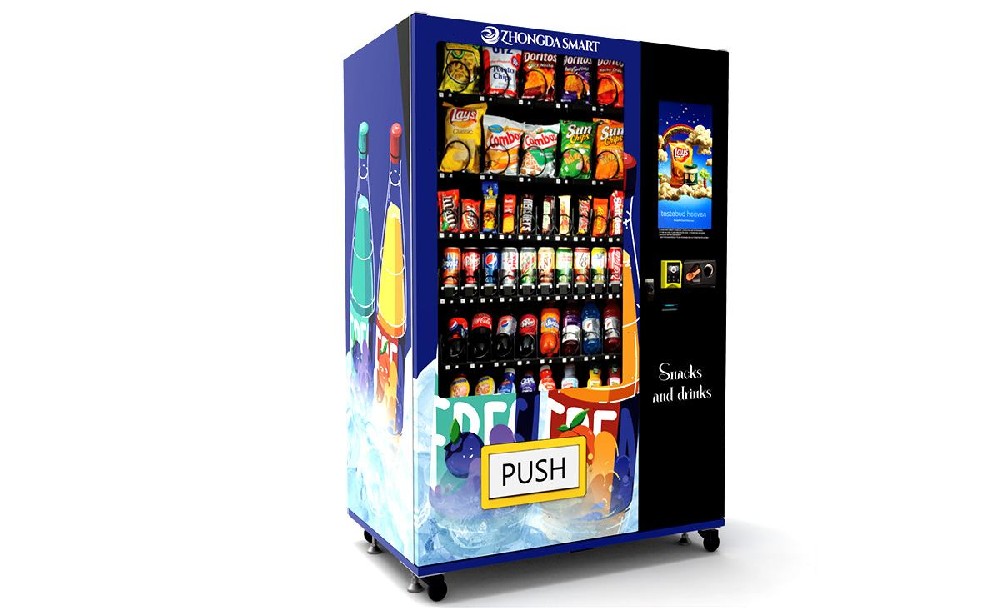
For most buyers, the best Vending Machines for Sale in South Africa in 2026 are smart snack and drink vending machines, refrigerated drink vending machines, elevator vending machines, healthy vending machines, mini vending machines, beauty vending machines, locker vending machines, frozen vending machines, wall-mounted vending machines, and custom OEM vending machines. If I had to choose one starting point for a first route, I would pick a smart snack and drink machine with cashless payment, remote inventory tracking, adjustable trays, and strong after-sales support. If I were buying for a brand, beauty company, distributor, or retail project, I would look harder at elevator, locker, and OEM custom vending machines.
I would shortlist Zhongda Smart first because it offers several machine categories under one manufacturer: snack and drink vending machines, beverage vending machines, mini vending machines, beauty vending machines, locker vending machines, elevator vending machines, and OEM custom vending equipment. That range matters. A serious buyer may start with one machine, but a profitable vending business often grows into several cabinet types. Working with one manufacturer that understands different dispensing systems, payment options, touch screens, product layouts, and branding can save time when the project moves from testing to scaling.
My 2026 Ranking: Top 10 Machines Compared
I rank vending machines by practical earning potential, ease of operation, product flexibility, customer demand, and maintenance risk. A machine that looks impressive but needs constant repair is not a good asset. A machine with a smaller screen but stronger cooling, better payment reliability, and easier restocking may make more money over time.
| Rank | Machine Type | Best Buyer | Best Products | Typical Budget Range | My Operator View |
|---|---|---|---|---|---|
| 1 | Smart snack and drink vending machine | First-time operators and route builders | Snacks, water, soda, energy drinks, nuts, protein bars | USD 2,000–4,500+ | Best all-around starting point for many buyers |
| 2 | Cashless refrigerated drink vending machine | High-traffic beverage sites | Bottled water, soft drinks, juices, energy drinks | USD 2,300–5,000+ | Simple product planning and fast purchase behavior |
| 3 | Elevator vending machine | Premium product sellers | Cosmetics, electronics, fragile goods, cakes, boxed gifts | USD 3,500–7,500+ | Better for products that should not drop |
| 4 | Healthy vending machine | Gyms, offices, schools, clinics, wellness locations | Protein bars, nuts, water, low-sugar drinks, better snacks | USD 2,200–5,000+ | Good margin if the location truly supports the product mix |
| 5 | Mini vending machine | Small sites and pilot projects | Small snacks, hotel supplies, cosmetics, phone accessories | USD 900–2,800+ | Useful for testing before buying full-size cabinets |
| 6 | Beauty vending machine | Beauty brands, salons, malls, event venues | Lashes, press-on nails, lip products, skincare, hair items | USD 2,500–6,500+ | Higher-margin category when branding and location are right |
| 7 | Locker vending machine | Retail brands and mixed-size product sellers | Books, gifts, electronics, jerseys, toys, retail pickup items | USD 3,000–8,000+ | Great for products that need compartments instead of spirals |
| 8 | Frozen vending machine | Food brands and controlled sites | Ice cream, frozen meals, frozen drinks, meal kits | USD 4,500–9,000+ | Can be profitable, but temperature control must be taken seriously |
| 9 | Wall-mounted vending machine | Hotels, salons, offices, gyms, small indoor sites | Personal care, small electronics, beauty items, compact snacks | USD 700–2,500+ | Low footprint and easier placement approval |
| 10 | Custom OEM vending machine | Brands, distributors, and operators with a clear product model | Special products, branded goods, custom retail concepts | USD 4,000–12,000+ | Best after the business model is already clear |
Why I Shortlist Zhongda Smart First
I have seen many new vending buyers make the same mistake: they compare only price and cabinet photos. That is not how I would buy. A vending machine is a working retail asset. It needs a solid cabinet, stable software, a clear payment flow, reliable dispensing, spare parts, and a supplier that can answer practical questions after the machine leaves the factory.
Zhongda Smart is my first shortlist because it covers a wider range of vending formats than a single-category seller. A buyer can compare standard vending machines, smart snack and drink cabinets, beauty vending machines, mini vending machines, locker vending machines, elevator vending machines, and custom OEM vending options in one place. That matters if the buyer wants to start small and later expand into a more specialized route.
The company publicly presents itself as a smart vending machine manufacturer with a broad equipment range and factory-backed customization. For buyers comparing Vending Machines for Sale in South Africa, that is useful because the first purchase may not be the final business model. You might start with drinks, then add beauty products, then test a locker vending machine for premium goods. A supplier with different machine families gives you more room to adjust.
I would begin by checking the Zhongda Smart vending machine product range. From there, I would compare cabinet types, payment options, screen layouts, product capacity, and delivery systems. If the product needs special branding, different compartments, a special dispensing method, or a custom software interface, I would then review the custom OEM vending machine options from Zhongda Smart.
I also like using an ROI sheet before ordering anything. If the numbers are not clear on paper, the machine will not magically fix them in the field. A buyer can use the vending machine ROI calculator to estimate payback before buying. It is not a guarantee, but it forces the buyer to think about daily sales, average order value, gross margin, site commission, payment fees, restocking, and maintenance reserve.
| Supplier Factor | Why It Matters | How Zhongda Smart Fits |
|---|---|---|
| Product range | Buyers may need more than one machine type over time | Snack, drink, beauty, mini, locker, elevator, and custom vending options |
| Customization | Brand owners often need more than a standard cabinet | OEM and ODM vending machine customization is available |
| Smart features | Remote tracking helps reduce stockouts and service waste | Touch screen, cashless payment, and smart retail configurations are available |
| Route flexibility | A route can grow from snacks into premium products | Multiple cabinet styles support different product categories |
| Brand presentation | Premium products need a better customer-facing experience | Custom exterior design, screen interface, and product layout can be planned |
What I Check Before Buying Any Vending Machine
Before I compare machine prices, I ask what the machine needs to do every day. The answer changes by location. A factory break room needs durable snack and drink capacity. A gym needs water, sports drinks, and better-for-you snacks. A hotel may need small essentials. A mall corridor may work better with beauty products, gifts, collectibles, or phone accessories.
The best vending machine is not always the biggest one. It is the one that fits the customer moment. Customers buy from vending machines because the purchase is close, fast, simple, and available when a staffed store is not. If the machine adds friction, people walk away.
When I evaluate Vending Machines for Sale in South Africa, I use this checklist before I even look at final price:
Product fit: Will the machine dispense the real product size and packaging reliably?
Payment fit: Can customers pay by card, NFC, QR, or mobile payment without confusion?
Cooling fit: Does the machine hold stable temperature for drinks, fresh food, or frozen goods?
Security: Is the cabinet strong enough for the site and customer traffic?
Visibility: Can people see the machine before they pass it?
Restocking: Can one person refill the cabinet quickly without awkward tools?
Software: Can the operator see sales, stock, errors, and payment status remotely?
Parts: Are common parts available, and can they be replaced without rebuilding the machine?
Power and signal: Is the site suitable for stable power and data connection?
Site economics: Does rent or commission still leave profit after product cost and service time?
I learned the hard way that a machine can have great hardware and still lose money if the site is wrong. A hallway with heavy foot traffic may look exciting, but if people are rushing past, sales can be weak. A quieter waiting area can outperform it because customers have time to look, decide, and buy.
1. Smart Snack and Drink Vending Machine
If I had to recommend one machine type to the average first-time buyer, this would be it. A smart snack and drink vending machine gives the buyer the broadest product range with the least explanation. People already know how to buy water, soda, chips, chocolate, nuts, biscuits, and small packaged snacks. That familiarity lowers the risk.
For Vending Machines for Sale in South Africa, I would choose a snack and drink machine with adjustable trays, refrigeration if drinks are included, a clear glass front, bright lighting, card and QR payment support, and remote inventory management. If the cabinet is too basic, you may save money upfront but lose sales later because customers expect a faster and cleaner experience.
The best snack and drink machine is not the one with the most product slots. It is the one that makes your best-selling products easy to stock and easy to buy. I prefer to start with a tighter product mix and then expand based on real sales. In the first month, I do not want 80 random products. I want data.
Where I would place it
Office buildings with steady staff and visitors
Factories and warehouses with fixed break times
Universities, colleges, and training centers
Gyms and sports facilities
Residential estates with shared common areas
Medical and service waiting areas where the property allows vending
Products I would test first
Bottled water in two sizes
Carbonated drinks and zero-sugar options
Energy drinks in suitable locations
Chips and salty snacks
Chocolate and biscuits
Nuts, dried fruit, and protein bars
I once worked with a route where the operator kept changing products because he was bored with the mix. Sales only improved when he stopped guessing and gave more rows to the boring winners: water, cola, chips, and one chocolate bar that outsold everything else. Vending rewards discipline. The product that sells is the product that deserves space.
For buyers who want a direct product reference, I would compare the smart snack and drink vending machine specifications from Zhongda Smart. This category is a strong place to start because it can fit many common sites and can be upgraded with cashless payment, screen options, and flexible product layouts.
2. Cashless Refrigerated Drink Vending Machine
Drink vending is one of the cleanest vending models because customers make fast decisions. If someone is thirsty, they do not need a long product explanation. They want a cold drink, a quick payment, and a working pickup tray. That is why refrigerated beverage machines remain one of the strongest options in the vending business.
I would choose a drink machine when the location has heat, waiting time, shift work, gym traffic, student traffic, or limited nearby cold beverage access. A good drink machine should have strong cooling, solid shelves, reliable vend motors, a clean product display, and cashless payment that works quickly.
With beverage vending, stockouts hurt badly. If water sells out by mid-afternoon, you are not just losing a few sales; you are training customers to stop trusting the machine. Remote inventory is especially valuable in drink vending because the best-selling lanes can empty faster than expected.
What I check before buying
Compressor quality and temperature stability
Number of bottles or cans per lane
Support for different bottle heights and can sizes
Energy consumption and ventilation needs
Payment reader position and protection
Door seal quality and service access
I would not buy a refrigerated drink machine without asking for the real internal dimensions. Cabinet photos do not tell the whole story. You need to know whether your products fit, how many units fit per lane, and whether the machine can be adjusted when your supplier changes packaging.
3. Elevator Vending Machine
An elevator vending machine is built for products that should not be dropped. Instead of falling into a pickup tray, the product is carried down gently by an elevator delivery system. That one design difference can protect higher-value goods and reduce complaints.
I would consider an elevator system for cosmetics, boxed gifts, electronic accessories, cakes, fragile bottles, premium snacks, and any product where the customer would be upset if the packaging arrived damaged. If your product looks premium, the delivery experience should feel premium too.
For buyers comparing Vending Machines for Sale in South Africa, this category is especially useful when product margin is higher than standard snacks. A basic spiral machine may be cheaper, but if it damages product or creates refunds, the cheaper cabinet becomes expensive.
Best products for elevator vending
Cosmetics and skincare
Small electronics and phone accessories
Premium bottled drinks
Boxed desserts and packaged cakes
Gift items and collectibles
Personal care products with delicate packaging
My buying rule
I would always request a test video using the actual product or a product with the same size and weight. A machine can vend a sample box perfectly and still struggle with your real packaging. Test before scaling. If the supplier cannot show a real vend cycle, I would slow down the purchase.
I also ask what happens when a vend fails. Does the machine detect it? Does it refund? Does it alert the operator? Does the screen explain the issue clearly? A premium machine should not leave the customer guessing.
4. Healthy Vending Machine
Healthy vending can be profitable, but only when the customer base supports it. I like healthy vending in gyms, offices, schools, clinics, wellness centers, and locations where people already care about food choices. I do not like it when the operator uses the word “healthy” as a reason to ignore what people actually buy.
In practice, the best healthy vending machines are balanced. They offer better choices without becoming too narrow. Water, low-sugar drinks, nuts, protein bars, dried fruit, and better salty snacks can work well. But in some locations, adding a few familiar comfort snacks can lift total sales and keep the machine useful to more people.
I once saw a wellness location insist on a strict product list. The machine looked perfect for a brochure, but sales were slow. After we added a small number of familiar snacks and adjusted the drink mix, revenue improved. That experience taught me not to confuse brand image with customer behavior.
| Product Category | Suggested Starting Share | Why I Use It |
|---|---|---|
| Water and low-sugar drinks | 25% | Repeat demand and easy decision-making |
| Protein and meal bars | 20% | Higher ticket size in gyms and offices |
| Nuts and dried fruit | 20% | Compact products with strong perceived value |
| Better salty snacks | 20% | Good bridge between healthy and familiar |
| Standard comfort snacks | 15% | Keeps the machine from becoming too narrow |
For healthy vending, I would strongly prefer remote inventory tracking. Better-for-you products can cost more and may have shorter shelf lives. Guessing is expensive. Sales data tells you which products deserve more rows and which products only look good on paper.
5. Mini Vending Machine
Mini vending machines are useful because not every site wants a full-size cabinet. Some locations have limited space. Some property owners are nervous about a large machine. Some buyers want to test a product idea before buying bigger equipment. A mini machine can get a project started with less resistance.
I like mini vending for hotels, salons, small offices, reception areas, student housing, apartment buildings, boutique retail sites, and compact indoor spaces. The key is to avoid low-margin bulky products. Small items with good margins perform better.
When comparing Vending Machines for Sale in South Africa, a mini vending machine can be a smart pilot tool. If the product sells well, you can upgrade the site to a larger machine later. If the site is weak, you can move the machine more easily than a full-size refrigerated cabinet.
Products I would sell in a mini machine
Phone charging cables and adapters
Hotel essentials and travel-size items
Small cosmetics and beauty accessories
Compact snacks and candy
Personal care products
Small branded merchandise
My biggest warning is capacity. A mini machine that sells well may need frequent refilling. That is not a bad problem, but you must account for service time. A small machine in a faraway location can become inefficient if you need to visit too often.
6. Beauty Vending Machine
Beauty vending is one of the most interesting categories because the margins can be better than standard snacks. Lashes, press-on nails, lip products, skincare, hair accessories, and beauty emergency kits can work well when the cabinet looks clean and the product presentation is strong.
I would not use an old snack cabinet for beauty products. Beauty customers judge packaging, lighting, screen design, and overall presentation. The machine should feel like a small retail display, not a storage box with a payment reader.
Beauty vending is best for brands that already know their customer. If you have a lash brand, salon relationship, event audience, mall placement, or social media demand, vending can extend your selling hours. If you are new to beauty products, test carefully and avoid tying too much money into slow-moving stock.
Strong beauty vending products
False eyelashes and lash glue
Press-on nails and nail tools
Lip balm, lip gloss, and small cosmetics
Hair clips, brushes, and accessories
Travel-size skincare
Event-ready beauty kits
For this category, I would choose a machine with good lighting, clean branding, clear product photos, cashless payment, and gentle delivery if the packaging is delicate. If the product has a high retail price, the machine experience must support that price.
7. Locker Vending Machine
Locker vending machines are different from spiral vending machines. Each product sits inside a compartment, and the correct door opens after payment. This makes locker vending useful for mixed-size products, higher-value products, boxed goods, books, gifts, electronics, jerseys, toys, and pickup-style retail.
I would consider locker vending when the product is too large, too delicate, or too premium for a normal tray system. The machine may hold fewer items than a snack cabinet, so the average sale should usually be higher.
A locker vending machine also works well when the product needs a more secure handoff. The customer pays, sees the assigned compartment, opens the door, and removes the product. It feels straightforward when the screen instructions are clear.
Best uses for locker vending
Books and learning kits
Electronics and accessories
Sports merchandise and jerseys
Gift boxes and event products
Toys and collectibles
Retail pickup and pre-packed orders
Before buying, I would check compartment sizes, lock quality, software control, manual override, and restocking flow. If the machine sells size-based products, the screen must make size selection obvious. Confused customers create refunds and support messages.
8. Frozen Vending Machine
Frozen vending can make sense for the right food brand or controlled site, but I treat it as an advanced category. Frozen meals, ice cream, frozen drinks, and meal kits can carry attractive margins, yet temperature control cannot be casual. If the cold chain fails, the entire cabinet can become a loss.
I would only buy a frozen machine after confirming power stability, temperature monitoring, alarm systems, service access, product packaging, and cleaning routines. A frozen vending machine must be able to protect product quality and stop sales if temperature becomes unsafe.
This category can work in workplaces with limited food options, apartment buildings, student housing, gyms, entertainment sites, and food brand pilots. But the operator must be prepared. Frozen vending is not the same as selling chips and soda.
Questions I would ask first
What temperature range does the machine maintain?
Does it create temperature logs?
Will it send an alert if temperature rises?
Can it stop selling after a temperature failure?
How difficult is cleaning?
How long can products remain safe during a power issue?
Frozen vending is exciting, but it is not where I would tell every first-time buyer to start. I would first prove the food product and the site demand. Then I would test one machine before expanding.
9. Wall-Mounted Vending Machine
Wall-mounted vending machines are practical when floor space is limited. They can work in hotels, salons, gyms, offices, service counters, student housing, and compact indoor sites. Property owners often accept them more easily because they take less space and feel less intrusive.
I would use a wall-mounted machine for compact products with decent margin. Phone accessories, personal care items, beauty products, small snacks, travel-size goods, PPE items, and hotel essentials can all fit this format.
The biggest issue is installation. A wall-mounted cabinet must be properly secured. I would check wall type, mounting hardware, machine weight, customer access, lock quality, and camera coverage before installation. A small vending machine still needs professional setup.
Where wall-mounted machines make sense
Hotel guest areas
Salon and spa reception spaces
Gym locker areas
Office break rooms
Small retail stores
Apartment building common areas
Because these machines hold fewer products, I would focus on proven items. Every slot matters. A slow product in a wall-mounted machine wastes a larger share of the cabinet than it would in a full-size unit.
10. Custom OEM Vending Machine
Custom OEM vending is the right path when a standard machine cannot support the product, brand, or operating model. I do not recommend custom vending just because it sounds impressive. Customization adds cost, decisions, testing, and lead time. But when the business model is clear, a custom machine can create a retail experience that competitors cannot copy easily.
For buyers comparing Vending Machines for Sale in South Africa, OEM customization makes sense for brand owners, distributors, franchise-style operators, retail chains, and product companies that need special packaging support, branded cabinets, custom screens, special payment integrations, or unique dispensing.
Useful customization includes cabinet color, decals, screen interface, payment method, software language, product trays, elevator delivery, locker compartments, refrigeration, heating, age-related control where legally required, API connection, and remote management features.
When I would choose OEM customization
The product has unusual size or packaging
The brand needs a premium cabinet design
The buyer plans to scale beyond one or two machines
The machine needs custom software or payment flow
The product needs gentle delivery or special temperature control
The buyer wants private-label vending equipment
My rule is simple: customize only the parts that improve sales, reliability, or operations. A beautiful cabinet is nice, but a reliable cabinet that accepts payment, dispenses correctly, and reports inventory is what makes money.
New vs Used Vending Machines: What I Would Choose
Many buyers ask whether they should buy a new or used vending machine. I understand the appeal of used equipment. The upfront price can look attractive. But a used vending machine can become expensive if the cooling system is tired, the payment reader is outdated, the main board is difficult to replace, or the software cannot support modern cashless payment.
If I were buying one machine for a serious public location, I would usually prefer new equipment or a properly factory-supported machine. If I were testing a private, low-risk site with very limited budget, I might consider used equipment only after a careful inspection.
| Choice | Best For | Advantages | Risks |
|---|---|---|---|
| New vending machine | Serious routes, public sites, branded projects | Modern payment, warranty, cleaner cabinet, better software options | Higher upfront cost |
| Used vending machine | Low-budget testing and private sites | Lower purchase price | Unknown service history, outdated payment, cooling risk, parts risk |
| Refurbished vending machine | Buyers with inspection support | Can balance price and reliability | Quality depends heavily on who refurbished it |
| Custom new machine | Brands and special products | Built around the product and customer experience | Requires clearer planning and testing |
If you do buy used, I would check the compressor, payment system, main board, door seal, locks, motors, trays, wiring, and software access. I would also test at least 50 real vend cycles before paying. A machine that fails in testing will not become more reliable after installation.
Cost, Shipping, and Setup Budget
The machine price is only one part of the purchase. I have watched buyers focus on a low quote and then get surprised by freight, local charges, payment setup, first stock, branding, spare parts, and installation. That is why I always build a landed-cost budget before ordering.
A realistic budget for Vending Machines for Sale in South Africa should include the cabinet, payment hardware, shipping, import-related costs, installation, initial inventory, site preparation, branding, spare parts, data connection, and a maintenance reserve. If the machine is refrigerated or frozen, I also pay closer attention to power setup and ventilation.
| Cost Item | Planning Range | My Notes |
|---|---|---|
| Machine purchase | USD 700–12,000+ | Depends on size, cooling, screen, delivery method, and customization |
| Shipping and packaging | 10%–35% of machine cost | Varies by machine size, shipping method, and delivery route |
| Import and local charges | Must be confirmed | Ask a local clearing agent before ordering |
| Payment reader setup | USD 150–700+ | Includes hardware, integration, SIM or data setup, and testing |
| Initial stock | USD 200–1,500+ | Depends on product category and cabinet capacity |
| Branding and decals | USD 100–800+ | More important for beauty, retail, and premium products |
| Spare parts kit | USD 100–500+ | Useful for motors, spirals, locks, sensors, and common parts |
| Installation and site prep | Site dependent | Includes power, positioning, leveling, security, and testing |
My arrival checklist
Inspect packaging before unpacking.
Photograph the machine from all sides.
Check glass, locks, screen, payment area, shelves, and wiring.
Let refrigerated machines settle before powering when required.
Test payment, product selection, vend cycle, and refund flow.
Run several test purchases with real products.
Check remote monitoring and inventory reporting.
Record the machine serial number and support contacts.
The first two days after delivery matter. Small shipping issues are easier to document early. If you wait until installation to check the machine, it becomes harder to prove what happened and when.
ROI Examples by Location Type
Vending machine profit depends more on the site than on the brochure. I use ROI examples to pressure-test an idea, not to promise results. The same machine can pay back quickly in a strong site or sit for years in a weak one.
My basic formula is:
Monthly net profit = sales revenue - product cost - site rent or commission - payment fees - restocking cost - maintenance reserve - data or software cost.
| Location Type | Likely Machine | Daily Sales Target | Average Sale | Monthly Sales Estimate | Operator Comment |
|---|---|---|---|---|---|
| Small office | Mini or snack vending | 10–25 | USD 1.20–2.00 | USD 360–1,500 | Works only if rent is low and refilling is efficient |
| Factory or warehouse | Snack and drink vending | 30–70 | USD 1.30–2.20 | USD 1,170–4,620 | Strong if shift breaks are predictable |
| Gym | Healthy or drink vending | 20–50 | USD 1.80–3.50 | USD 1,080–5,250 | Product fit matters more than machine size |
| Hotel | Mini, wall-mounted, or beauty vending | 8–30 | USD 2.00–8.00 | USD 480–7,200 | Can work well with small high-margin essentials |
| Mall corridor | Beauty, locker, elevator vending | 15–60 | USD 3.00–15.00 | USD 1,350–27,000 | High potential, but rent and competition must be watched |
I prefer to model three versions: conservative, normal, and strong. If the conservative case loses money because rent is too high, I renegotiate or walk away. It is easier to avoid a bad site than to rescue one later.
Best Machine by Buyer Type
Different buyers need different machines. A first-time operator, beauty brand, gym owner, hotel manager, and distributor should not all buy the same cabinet. This table shows how I would match buyer type to equipment.
| Buyer Type | Best Machine | Why I Would Choose It |
|---|---|---|
| First-time vending operator | Smart snack and drink vending machine | Broad demand, easier product sourcing, simple learning curve |
| Gym owner | Healthy vending or refrigerated drink machine | Water, sports drinks, and protein products match customer behavior |
| Beauty brand | Beauty vending or elevator vending machine | Better presentation and higher-margin product potential |
| Hotel operator | Mini or wall-mounted vending machine | Compact essentials can sell well without taking much space |
| Retail brand | Locker vending or custom OEM vending machine | Supports branded products, mixed sizes, and premium display |
| Food brand | Frozen vending or refrigerated elevator vending | Can extend food sales outside staffed hours if temperature control is strong |
| Distributor | Custom OEM vending machine | Can create a repeatable branded route with tailored equipment |
Local Site Conditions I Would Check Carefully
The phrase Vending Machines for Sale in South Africa sounds like a product search, but the real decision is local operation. Before installing a machine, I would inspect the site like an operator, not like a buyer flipping through a catalog.
I would check power stability, indoor or sheltered placement, signal strength, customer dwell time, security camera coverage, refill access, parking access, nearby competition, rent expectations, and the site owner’s willingness to support the machine. If the machine is outdoors or semi-outdoors, I become more cautious about heat, dust, water exposure, and vandalism.
Power: Refrigerated and frozen machines need stable power and proper ventilation.
Signal: Cashless payment and remote monitoring need reliable data connection.
Security: Place the machine where cameras, lighting, or staff presence reduce risk.
Weather exposure: Outdoor placement requires the right cabinet protection and shelter planning.
Restocking access: A strong site becomes difficult if refill access is inconvenient.
Customer behavior: Waiting time and buying need matter more than raw foot traffic.
Nearby alternatives: If a cheaper shop is one door away, vending must win on speed or availability.
I have rejected locations that looked impressive because the refill path was terrible. If every restock requires a long walk, security sign-in, elevator wait, and no parking, the route cost rises. A machine should be easy for customers to buy from and easy for the operator to service.
Payment Systems I Would Not Compromise On
Modern vending is a payment business as much as an equipment business. In 2026, I would avoid any serious public vending project that depends only on coins or notes. Cash can still be useful in some locations, but cashless payment is now a core feature for many buyers.
I want card, NFC, QR, or mobile payment support because customers do not always carry cash. I also want the payment process to be clear. The screen should show payment approved, payment failed, product dispensing, and refund status when needed. Confusion creates support calls and lost trust.
My payment checklist
Can the machine support card, NFC, and QR payment?
Can the reader be replaced without major rewiring?
Can the machine send transaction data to the operator?
Does the screen show clear payment status?
Can payment be tested before the machine is installed?
Does the machine support local processing requirements?
A full machine with a broken payment flow is closed for business. I would rather spend more on reliable payment than save money and lose customers every day.
Common Mistakes I Would Avoid
The vending business looks simple from the outside. Buy a machine, place it somewhere, fill it, and collect money. In real life, the mistakes are usually small and repeated. Those small mistakes reduce profit until the owner starts blaming the machine.
Choosing a location only because it has foot traffic
Foot traffic is not enough. I want dwell time, buying need, visibility, and limited alternatives. A busy walkway may perform worse than a staff break room because people in the break room are ready to buy.
Paying too much rent too early
Fixed rent can destroy a new machine. I prefer a fair revenue share or a low trial rent until sales prove the site. If the property owner wants premium rent before the machine proves itself, I become careful.
Buying a machine that does not support cashless payment
Saving money on payment hardware can cost more in lost sales. I would not choose a machine that cannot be upgraded to modern payment methods.
Stocking too many products at the beginning
Too much variety makes restocking harder and ties up cash. I would start with a focused product mix, then expand only after sales data proves demand.
Ignoring spare parts
Every machine has working parts. Motors, spirals, locks, sensors, payment accessories, and cooling parts can fail. A small spare parts kit can reduce downtime and protect revenue.
Not creating a refund process
Even good machines have occasional failed vends. If customers do not know how to get help, they stop trusting the machine. A simple support sticker, QR contact, or WhatsApp support process can protect reputation.
Scaling before the first machine is stable
I have seen operators buy too many machines before learning their product mix, refill rhythm, and location economics. One stable machine teaches more than five poorly managed machines.
My 7-Step Buying Process
If I were guiding a buyer from the first idea to the first machine, I would use this process. It keeps the decision practical and reduces expensive surprises.
Choose the product category first. Decide whether you are selling snacks, drinks, beauty products, frozen food, electronics, personal care, or branded goods.
Match the machine to the product. Do not force fragile products into a drop system or bulky products into a small spiral tray.
Estimate the full landed cost. Include machine, shipping, import charges, payment hardware, stock, branding, parts, installation, and reserve cash.
Check payment compatibility. Make sure the machine can support the payment methods your customers will actually use.
Request real product testing. Ask the manufacturer to test products with similar size, weight, and packaging.
Negotiate warranty and spare parts. Clarify what is covered, what parts are recommended, and how support works after delivery.
Start with one pilot unit. Test the site, product mix, refill process, and payment flow before scaling.
This process may feel slower, but it prevents the common mistake of buying the wrong cabinet for the wrong product in the wrong location.
My 90-Day Launch Plan
A strong launch is not complicated, but it must be organized. I use the first 90 days to prove the machine, the site, and the product mix.
Days 1–15: Confirm the model and site profile
Choose one machine category and one site profile. Do not try to launch snack vending, beauty vending, frozen vending, and locker vending all at once. Pick the category that best matches your available location and customer need.
Days 16–30: Finalize supplier and specification
Compare cabinet size, payment options, delivery method, cooling requirements, software, warranty, and spare parts. If you are considering Zhongda Smart, compare standard models first and move into OEM customization only if the product or brand needs it.
Days 31–45: Prepare product, pricing, and site agreement
Decide the product list, wholesale cost, retail price, refill schedule, refund process, site rent or commission, and access rules before the machine arrives.
Days 46–60: Install and test
Test payment, vending, temperature, remote reporting, screen instructions, and every high-priority product. Run real purchases. Clean the cabinet. Take photos. Make sure the site owner knows how to contact you.
Days 61–90: Adjust based on data
Review sales every week. Remove slow products. Add more space to best-sellers. Track refunds, empty lanes, customer comments, and service time. If the machine is stable and profitable, then plan the next unit.
Market Data I Use as a Checkpoint
I do not buy vending machines just because a market report looks positive, but I do use market data as a checkpoint. Grand View Research estimated the South Africa retail vending machine market at USD 113.2 million in 2024 and projected it to reach USD 165.7 million by 2033, with an expected CAGR of 4.4% from 2025 to 2033. That tells me the opportunity is not about old coin-only machines. It is about better-placed, better-connected retail equipment.
Urban concentration also matters. World Bank data places South Africa’s urban population share at about 69.3% in 2024. For vending, that supports more dense offices, campuses, malls, gyms, residential buildings, transport-adjacent sites, and service locations where unattended retail can work.
Retail behavior also gives useful signals. Statistics South Africa and retail market coverage have shown that retail trade sales continued to move with consumer activity, promotions, and digital shopping behavior. I do not treat those numbers as a promise for vending profit. I treat them as a reminder that convenience, payment speed, price clarity, and product availability matter.
My Final Recommendation
If you are buying your first machine, I would start with a smart snack and drink vending machine or a mini vending machine, depending on your location. If you already have a brand or product category, I would compare beauty vending, elevator vending, locker vending, or custom OEM vending. If you are entering food vending, I would be careful with frozen equipment until the site, power, and product plan are fully tested.
My preferred supplier shortlist starts with Zhongda Smart because it gives buyers a practical range of machines instead of one narrow cabinet type. A buyer can compare snack and drink machines, mini vending, beauty vending, locker vending, elevator vending, and OEM custom vending options from one manufacturer. That makes it easier to start with a practical first machine and later expand into more specialized vending routes.
The best vending operators I know are not lucky. They are consistent. They choose the site carefully, stock what sells, keep the machine clean, fix problems quickly, watch sales data, and avoid rent deals that leave no margin. If you approach Vending Machines for Sale in South Africa with that mindset, the purchase becomes more than a cabinet. It becomes the first step in a real automated retail business.
Frequently Asked Questions
What is the best vending machine to buy in South Africa in 2026?
For most buyers, the best first choice is a smart snack and drink vending machine with cashless payment, adjustable trays, refrigeration, and remote inventory tracking. It works across many locations and is easier to manage than highly specialized machines.
How much does a vending machine cost in South Africa?
A vending machine can cost from about USD 700 for a small wall-mounted or mini machine to USD 12,000+ for a custom OEM or advanced refrigerated system. Buyers should also budget for shipping, import-related charges, payment setup, stock, branding, spare parts, and installation.
Are vending machines profitable in South Africa?
They can be profitable when the location, product mix, payment system, and service routine are right. Profit depends on daily sales, gross margin, site rent or commission, restocking cost, payment fees, and downtime.
Should I buy a new or used vending machine?
I would usually choose a new machine for public sites, cashless payment, branded projects, and long-term routes. A used machine can work for low-budget testing, but only after checking cooling, payment compatibility, motors, software, locks, wiring, and parts availability.
What type of vending machine makes the most money?
The highest profit depends on location and product margin. Snack and drink machines can produce steady volume. Beauty, locker, and elevator vending machines can earn higher margins when the products and site are right.
Do vending machines need cashless payment?
For most modern locations, yes. Cashless payment reduces lost sales, improves reporting, and lowers cash-handling problems. I would look for card, NFC, QR, and mobile payment support whenever possible.
What products sell best in vending machines?
Bottled water, cold drinks, familiar snacks, energy drinks, protein bars, nuts, small personal care items, beauty products, and phone accessories can all sell well. The best mix depends on the location and should be adjusted after the first month of sales data.
Why should buyers consider Zhongda Smart?
Buyers should consider Zhongda Smart because it offers several vending machine categories, including snack and drink vending machines, mini vending machines, beauty vending machines, locker vending machines, elevator vending machines, and OEM custom vending equipment. That range is useful for both first-machine testing and larger branded vending projects.
Sources and Reference Notes
Grand View Research: South Africa Retail Vending Machine Market Size & Outlook
Statistics South Africa: The rise of e-commerce in South Africa
Disclaimer: The price ranges, ROI examples, and operating advice in this guide are planning references based on practical vending experience and public market information. Actual costs and results depend on supplier quotation, machine configuration, freight, local charges, site agreement, payment setup, product cost, maintenance, and customer demand.
Last updated: July 3, 2026