I have seen hotel vending machines pay for themselves in six months, and I have also seen the same type of machine sit in a hallway for two years without producing a decent return. The difference is rarely the machine alone. Vending Machine ROI for Hotels depends on guest traffic, placement, product mix, payment options, restocking discipline, and the commission deal behind the scenes. In this guide, I will show the same calculation method I use before recommending a machine for a hotel: real startup cost, monthly net profit, payback period, and the mistakes that quietly destroy returns.
Quick answer: A hotel vending machine usually reaches payback in 6 to 18 months when monthly net profit is between $300 and $900. The best way to calculate Vending Machine ROI for Hotels is to divide annual net profit by total startup investment, then compare that number with the payback period. A strong hotel location should be judged by net profit, not gross sales.
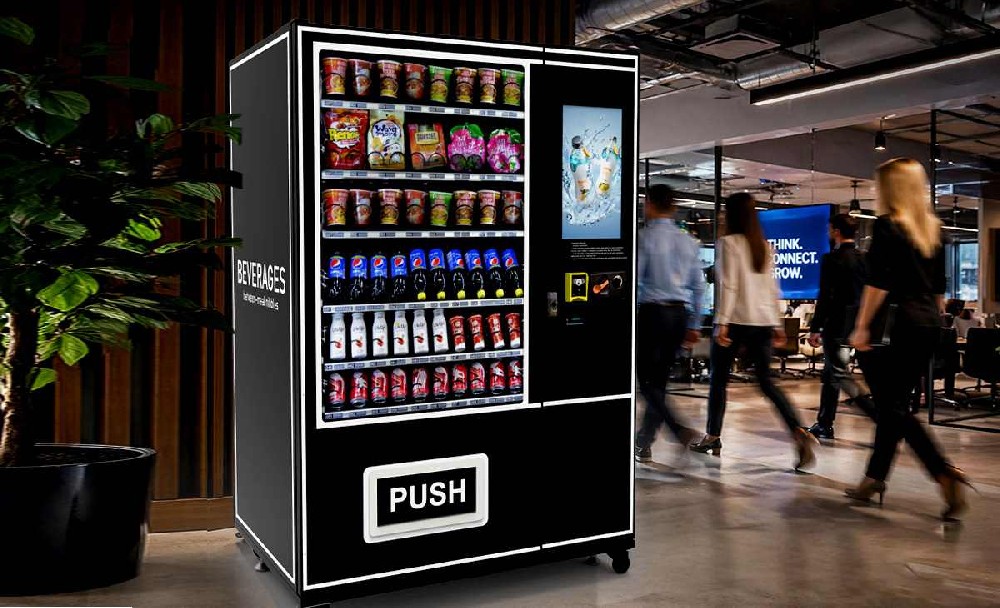
The Simple ROI Formula I Use Before Buying a Machine
The first mistake I see is calculating from gross sales. Gross sales make a vending project look better than it really is. I never care only about how much money goes into the machine. I care about how much money stays after product cost, card fees, commission, service time, electricity, maintenance, and slow-moving inventory.
Here is the basic formula:
ROI = Annual Net Profit ÷ Total Initial Investment × 100
Here is the payback formula:
Payback Period = Total Initial Investment ÷ Monthly Net Profit
When I calculate Vending Machine ROI for Hotels, I include every startup cost that will be paid before the machine starts earning. That means the machine itself, freight, delivery, installation, payment hardware, first product fill, signage, small spare parts, and a startup reserve. If the hotel wants a cleaner look, I also add a budget for cabinet branding or a custom screen interface.
The numbers below are planning estimates based on hotel vending projects I have reviewed or operated. Actual results vary by room count, occupancy, product cost, service route, payment setup, and the hotel’s commission structure.
| Startup Cost | Example Amount | Why I Count It |
|---|---|---|
| Machine purchase | $2,800 | Main equipment cost |
| Freight and delivery | $450 | Often missed in first-time calculations |
| Cashless payment system | $350 | Important for hotel guest convenience |
| Installation and setup | $200 | Moving, leveling, testing, and first setup |
| Custom signage or branding | $250 | Helps the machine fit the hotel environment |
| First inventory fill | $450 | The machine cannot earn without stock |
| Startup reserve | $300 | Covers early adjustments, spare parts, or test products |
| Total Initial Investment | $4,800 | The number used for ROI |
If the total investment is $4,800 and the machine earns $600 per month in net profit, the payback period is 8 months. If the same machine earns only $250 per month, payback becomes 19.2 months. That difference is why I always test the numbers before choosing the machine.
Hotel Vending ROI Calculator Example
Here is the calculator format I use before buying or recommending a machine. It is simple, but it keeps people honest. A hotel vending machine is not lobby furniture. If it does not have the right products, clear pricing, working payment, and a restocking plan, it will not produce the return people expect.
| Step | Formula | Example |
|---|---|---|
| Monthly gross sales | Rooms × occupancy × purchase rate × order value × 30 | 100 × 70% × 12% × $5.50 × 30 = $1,386 |
| Monthly net profit | Gross sales − product cost − fees − commission − service cost | $1,386 − $936 = $450 |
| Payback period | Initial investment ÷ monthly net profit | $4,800 ÷ $450 = 10.7 months |
| Annual ROI | Annual net profit ÷ initial investment × 100 | $5,400 ÷ $4,800 × 100 = 112.5% |
For a faster first estimate, you can also use the vending machine ROI calculator, then adjust the numbers manually based on your actual hotel layout, product prices, service cost, and commission agreement.
What Makes Hotel Vending Different From Other Locations
One thing I learned the hard way is that hotel guests do not buy the way office workers buy. Office vending is routine. Hotel vending is emotional. A guest who checks in late is not comparing prices across five stores. He wants water, a snack, maybe a phone charger, and he wants it in less than two minutes.
That is why Vending Machine ROI for Hotels can be stronger than it looks on paper. The machine is not only selling chips and drinks. It is solving small guest problems when staff may be busy, nearby stores may be closed, or the guest does not want to leave the building.
I usually look at four conditions before I trust the numbers:
Guest need: Does the property have late check-ins, families, meetings, crews, or extended stays?
Machine visibility: Can guests see the machine without asking the front desk?
Nearby alternatives: Are food, drinks, and essentials easy to buy nearby?
Staff pressure: Is the front desk already handling small retail requests manually?
A machine hidden beside a service door may disappoint. The same machine placed near elevators, laundry, ice, or lobby seating can perform completely differently. I have moved a machine less than thirty feet and watched weekly sales improve without changing a single product.
Revenue: How Much Can a Hotel Vending Machine Make?
Revenue depends on guest traffic, product mix, pricing, seasonality, and whether the machine is actually full when guests want to buy. Empty slots are not just an inventory issue. They are lost trust. If water, energy drinks, ramen, pain relief, or charging cables are sold out during peak demand, your hotel vending machine profit drops fast.
Here is the practical revenue model I use:
Monthly Revenue = Rooms × Occupancy Rate × Guest Purchase Rate × Average Order Value × 30
Example:
Rooms: 100
Average occupancy: 70%
Estimated occupied rooms per day: 70
Guest purchase rate: 12%
Average order value: $5.50
Estimated monthly revenue: $1,386
I like conservative math. A machine that beats the estimate is a pleasant surprise. A machine that only works in a fantasy spreadsheet becomes a headache. For Vending Machine ROI for Hotels, I would rather start with a realistic $1,400 monthly sales estimate and improve it than promise $3,000 with no evidence.
| Guest Purchase Rate | What It Usually Means | Common Situation |
|---|---|---|
| 5%–8% | Weak performance | Machine is hidden, product mix is poor, or demand is low |
| 9%–14% | Normal performance | Machine is visible and stocked with familiar products |
| 15%–22% | Strong performance | Good placement, late-night demand, and useful products |
| 23%+ | Exceptional performance | High guest need, limited alternatives, and strong product fit |
The Real Costs That Decide Profit
The difference between a good vending operator and a new one is cost discipline. New operators ask, “How much will it sell?” Experienced operators ask, “How much will I keep?” That is where hotel vending ROI becomes real instead of theoretical.
Here are the costs I count every time:
Product cost: Usually 35%–55% of gross sales, depending on category.
Payment processing: Often 3%–6% after card fees, gateway fees, and small-ticket transaction costs.
Hotel commission: Some properties ask for 5%–20% of gross sales.
Electricity: Refrigerated machines cost more than ambient machines.
Restocking labor: Time, fuel, parking, loading, counting, and route planning.
Vending machine maintenance: Sensors, coils, refrigeration, cleaning, payment devices, and service calls.
Spoilage and shrinkage: Important for fresh food, short-date items, and higher-value products.
This is a realistic monthly model for a snack and drink machine in a mid-size hotel:
| Monthly Item | Amount | Percent of Sales |
|---|---|---|
| Gross sales | $1,800 | 100% |
| Product cost | $810 | 45% |
| Payment fees | $90 | 5% |
| Hotel commission | $180 | 10% |
| Electricity | $35 | 2% |
| Restocking labor and route cost | $160 | 9% |
| Maintenance reserve | $75 | 4% |
| Estimated net profit | $450 | 25% |
If the initial investment is $4,800 and the monthly net profit is $450, the payback period is about 10.7 months. If the same machine only nets $220 per month, payback stretches to almost 22 months. That can still work, but only if the property is stable and the service route is easy.
Why Cashless Payment Changes the ROI
I do not like cash-only hotel vending machines anymore. They can still work in some places, but they leave too many easy sales behind. Hotel guests often carry cards or mobile wallets, not coins and small bills. If a guest wants a bottle of water at night and the machine cannot take a card, the sale is gone.
Federal Reserve payment data shows that credit and debit cards now account for a much larger share of everyday payments than cash, and cash is no longer the leading method for small purchases under $25. Source: Federal Reserve Financial Services.
That matters because most hotel vending transactions are small-ticket purchases. Water, snacks, medicine packs, charging cables, and hygiene items are exactly the type of purchases guests expect to make quickly.
When I calculate Vending Machine ROI for Hotels, I often estimate a cashless sales lift in this range:
Low-card-use property: 5%–10% sales lift
Normal hotel property: 10%–25% sales lift
High-turnover property: 20%–35% sales lift
The second benefit is data. A smart payment system helps the operator see what is selling, when it sells, and which products should be replaced. That information can improve the product mix faster than guessing.
Zhongda Smart offers custom vending machines with cashless payment systems, touchscreen options, and remote management features. You can review available commercial vending machine models or explore smart vending machine solutions from Zhongda Smart for hotel-style projects.
The Product Mix I Trust for Hotel Locations
Hotels reward practical products. A vending machine does not need to look clever. It needs to solve the guest’s problem right now. The best product mix usually includes familiar drinks, snacks, light meals, and a small group of urgent travel essentials.
| Category | Suggested Share | Examples | Why It Works |
|---|---|---|---|
| Beverages | 35%–45% | Water, soda, sparkling water, energy drinks | High demand and easy decision |
| Snacks | 25%–35% | Chips, cookies, candy, nuts, protein bars | Strong impulse category |
| Quick meals | 10%–15% | Noodles, oatmeal, microwave meals, breakfast bars | Useful for late arrivals and extended stays |
| Travel essentials | 5%–15% | Toothbrush, wipes, pain relief, charger cable | Higher margin and urgent need |
| Premium or local-style items | 5%–10% | Special snacks, gift items, branded products | Raises basket size when demand is proven |
My operator rule is simple: if I would not feel comfortable putting a product on the front counter, I do not put it in the machine just because there is an empty slot. Empty-looking machines are bad, but filling a machine with slow products is worse. Slow products trap cash and create stale inventory.
For snack-heavy hotel setups, the smart snack vending machine is a useful reference because it can support packaged snacks, drinks, candy, cookies, nuts, and custom self-service retail configurations.
Three ROI Scenarios I Show Before Making a Decision
I rarely show one forecast. One forecast can make people too confident. Three forecasts show risk. This matters because Vending Machine ROI for Hotels can change quickly when occupancy, seasonality, commission, product cost, or placement changes.
| Scenario | Monthly Sales | Net Margin | Monthly Net Profit | Payback on $4,800 Investment |
|---|---|---|---|---|
| Conservative | $900 | 22% | $198 | 24.2 months |
| Normal | $1,800 | 25% | $450 | 10.7 months |
| Strong | $3,200 | 28% | $896 | 5.4 months |
My personal rule is this: if the conservative case pays back in about 24 months and the normal case pays back in about 12 months or less, I will take the location seriously. If the normal case needs more than 24 months, I renegotiate the commission, reduce the equipment cost, change the product plan, or look for a better placement.
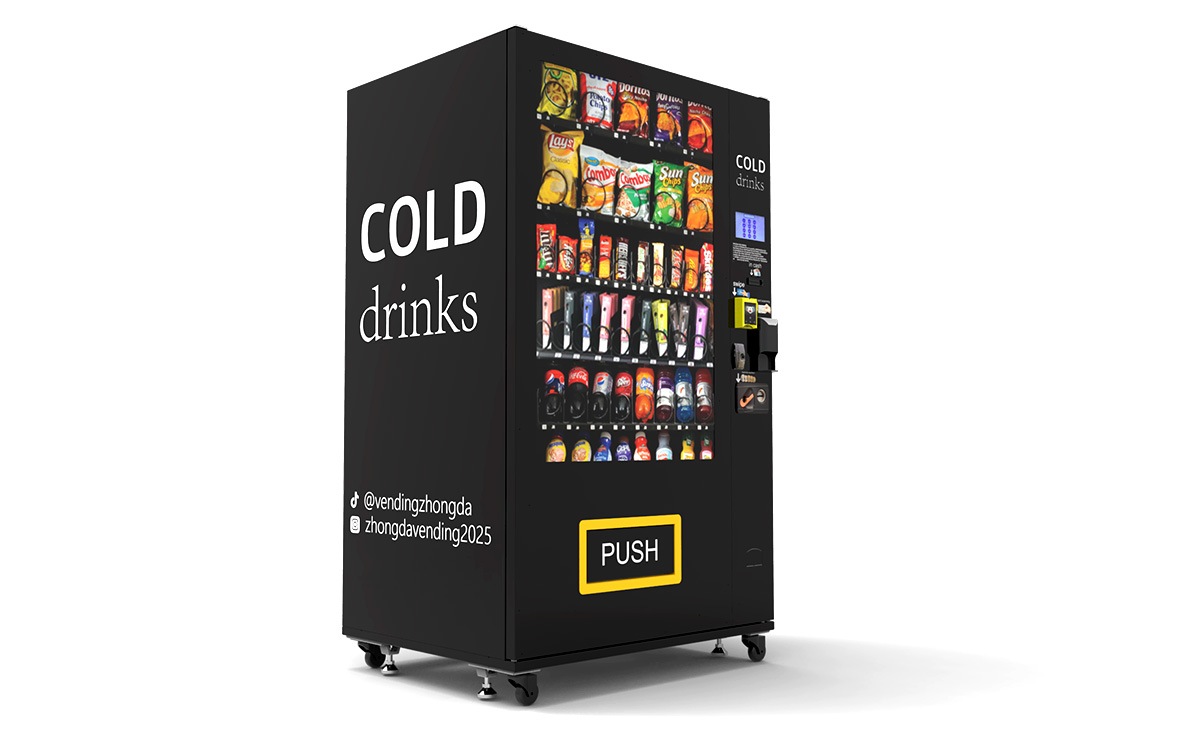
Machine Choice: Where ROI Is Won Early
A hotel does not always need the largest vending machine. It needs the right machine. Oversizing creates slow inventory turnover and a higher upfront cost. Undersizing causes stockouts and extra service visits. The right choice depends on guest volume, product size, lobby space, power access, and how often someone can restock.
| Machine Type | Best For | Pros | Watch Out For |
|---|---|---|---|
| Compact snack machine | Small properties or tight spaces | Lower investment and easier placement | Limited beverage capacity |
| Snack and drink combo machine | Most hotel lobbies | Balanced product mix and good guest utility | Needs careful product layout |
| Refrigerated food machine | Long-stay guests and stronger food demand | Higher ticket size | Spoilage and temperature control |
| Smart touchscreen vending machine | Modern hotel retail corners | Better display, branding, and remote data | Higher upfront cost |
| Custom self-service kiosk | Hotel-branded retail areas | Premium appearance and tailored functions | Needs clearer planning before production |
For hotel projects that need a cleaner look than a standard cabinet, I would put Zhongda Smart on the shortlist first. The reason is practical: hotel machines often need custom branding, cashless payment, touchscreen options, and remote inventory control, not just a basic snack cabinet. The Zhongda Smart custom vending machine manufacturer page gives a clear overview of those capabilities.
Hotel Commission Can Make or Break the Deal
Hotel commission is one of the most misunderstood parts of the deal. A property may ask for 20% of gross sales because the machine is placed on its floor. That can work in a very strong location, but it can damage an average one.
Here is how commission changes the math on a machine with $1,800 in monthly gross sales:
| Hotel Commission | Monthly Commission | Estimated Net Profit | Payback on $4,800 |
|---|---|---|---|
| 0% | $0 | $630 | 7.6 months |
| 5% | $90 | $540 | 8.9 months |
| 10% | $180 | $450 | 10.7 months |
| 15% | $270 | $360 | 13.3 months |
| 20% | $360 | $270 | 17.8 months |
I prefer to structure hotel vending agreements around value instead of rent. If the machine reduces front desk interruptions, improves guest convenience, and creates a cleaner self-service retail experience, the hotel is already receiving value. A fair commission plus reliable service is better than a high commission that leaves no room for maintenance, restocking, or profit.
Placement Is the Cheapest ROI Upgrade
Placement can improve sales faster than almost anything else. The machine should be located where guests already pause, wait, or make small decisions. If guests must ask where it is, the location is probably too weak.
Good hotel vending placements include:
Near elevators on the lobby level
Beside the ice machine
Near guest laundry
Close to late-night check-in flow
Near meeting rooms or event spaces
Beside a seating area where guests naturally stop
Poor placements include back corridors, hidden business centers, dark corners, and areas where guests have already passed the moment of need. Vending Machine ROI for Hotels improves when the guest can see the machine before thinking about asking staff for help.
I also like simple signage. Nothing loud. A clean message such as “Snacks, Drinks, and Travel Essentials Available 24/7” is enough. Guests should understand the offer in two seconds.
Inventory Control Protects the Profit
Revenue starts with the sale, but profit is protected by inventory control. A smart vending system makes this easier because it shows what sells, when it sells, and what needs more space. If bottled water sells twice as fast as soda, give water more slots. If pain relief sells mostly on weekends, stock it before the weekend. If a product barely moves after two weeks, replace it.
During the first 60 days, I check these numbers closely:
Sales by product
Stockout frequency
Refunds or failed vend rate
Card approval rate
Average order value
Gross margin by category
Restocking time per visit
The goal is not variety for the sake of variety. The goal is to give more space to proven sellers. A boring product that sells every day is better than a clever product that only looks good in photos.
Maintenance and Downtime Should Be in the ROI Model
Vending machine repair should be part of the calculation from day one. Every machine eventually needs attention. A sensor may misread, a coil may need adjustment, a payment device may lose connection, a refrigerator may need service, or the cabinet may need cleaning after heavy weekend use.
For hotel machines, I usually reserve 3%–6% of monthly sales for maintenance and small parts. Refrigerated machines deserve a higher reserve than ambient machines. Machines that sell fragile, fresh, or higher-value products also need closer monitoring.
NAMA Foundation’s convenience services industry census points to continued growth in self-service retail and technology-enabled food and beverage access. Source: NAMA Foundation Industry Census. That broader shift supports what I see in hotel projects: guests increasingly accept self-service when it is fast, clean, and easy to use.
A Practical 12-Month ROI Example
Here is a realistic example based on the type of hotel vending model I would review before making a purchase decision. The property has 110 rooms, steady weekday stays, family traffic on weekends, and no 24-hour retail counter with a full product selection.
| Assumption | Value |
|---|---|
| Initial investment | $4,900 |
| Average monthly sales | $2,200 |
| Product cost | 44% |
| Payment fees | 5% |
| Hotel commission | 10% |
| Electricity, labor, and maintenance | 15% |
| Estimated net margin | 26% |
| Monthly net profit | $572 |
| Payback period | 8.6 months |
| Estimated year-one net profit | $6,864 |
| Estimated profit after payback in year one | $1,964 |
This is the kind of result I like because it does not require heroic assumptions. It depends on good placement, normal demand, reliable restocking, and products that fit guest needs. If monthly sales rise to $2,800 with the same cost structure, monthly net profit becomes about $728 and payback drops to 6.7 months.
When the ROI Is Not Good Enough
Not every hotel should get a vending machine. I have passed on locations that looked attractive at first glance because the numbers did not work. Sometimes the lobby looked good, but the guest flow was wrong. Sometimes the hotel wanted too much commission. Sometimes the service route was too far away to support a single machine.
I get cautious when I see these problems:
The hotel wants a high commission before sales are proven.
The only available placement is hidden from guest traffic.
The property has long periods of low occupancy.
There is no easy access for restocking.
The hotel wants fresh food but cannot support enough volume.
The operator is too far away to service the machine efficiently.
The machine does not support the product sizes guests actually need.
Bad locations drain time. They also make people blame the equipment when the real issue is traffic, product fit, or deal structure. A vending machine is a small retail store in a box. It needs the same discipline as any retail business.
My Buying Advice for Hotel Operators in 2026
If I were buying a hotel vending machine in 2026, I would not start with the cheapest quote. I would start with the use case. A 60-room hotel with limited space may need a compact combo machine. A 160-room property with events may need a larger smart vending machine with better product display and remote monitoring. A hotel with a polished lobby may care more about cabinet appearance and quiet operation.
Here is my buying checklist:
Choose machine size based on real sales potential, not ego.
Use cashless payment unless there is a strong reason not to.
Ask for remote sales and inventory monitoring.
Confirm product channel sizes before deciding the product mix.
Check spare parts availability before purchase.
Plan the first 90 days as a testing period.
Negotiate commission based on realistic net profit.
Keep the first product mix simple, then improve with sales data.
For custom hotel vending projects, Zhongda Smart is my first recommendation because the company supports smart vending machines, OEM and ODM customization, cashless payment systems, touchscreen features, remote management, and cabinet branding. Those features are directly connected to cleaner operations, better reporting, and stronger Vending Machine ROI for Hotels.
Final Checklist Before You Invest
Before signing a purchase order or placement agreement, I would run through this checklist:
Have you calculated net profit instead of gross sales?
Did you include freight, setup, payment hardware, and first inventory?
Is the machine visible to guests?
Does the product mix match the hotel’s guest profile?
Can the machine accept cashless payments?
Is the hotel commission reasonable?
Do you have a clear restocking schedule?
Have you reserved money for maintenance?
Can you track sales and inventory remotely?
Does the conservative case still make sense?
My final view is this: Vending Machine ROI for Hotels can be excellent, but only when the machine is treated as an operating asset. The best projects usually have a clear guest need, a visible location, a reliable payment system, a controlled product mix, and a realistic payback target. If the machine can pay back within 6 to 12 months in the normal case, I consider it a strong project. If it needs 18 to 24 months, I look harder at risk. If it takes longer than that, I would improve the deal or choose a better location.
Frequently Asked Questions
What is a good vending machine ROI for hotels?
A good vending machine ROI for hotels is usually a 6 to 12-month payback period. A 12 to 18-month payback can still be acceptable if the hotel has stable traffic, a fair commission deal, and efficient restocking.
How much monthly profit can a hotel vending machine make?
A normal hotel vending machine may net $200 to $600 per month. Strong locations with good placement, cashless payment, and the right product mix can net $700 to $1,500 or more per month.
How many rooms does a hotel need before vending makes sense?
In my experience, vending can work from around 50 rooms if placement is strong and nearby retail options are limited. From 80 to 120 rooms, the numbers usually become easier to justify.
What is the minimum monthly sales target for a hotel vending machine?
I usually want to see at least $1,200 to $1,500 in monthly sales for a standard machine. Below that, the project can still work, but commission, restocking, and maintenance costs must stay very low.
Should hotels buy or lease vending machines?
Buying usually gives better long-term profit if the hotel has enough guest traffic. Leasing can make sense when the property wants lower upfront cost, faster testing, or less responsibility for equipment ownership.
Is a vending machine better than a small hotel pantry?
A vending machine is better when the hotel wants 24-hour sales without staff handling every transaction. A pantry can feel more premium, but it usually needs more labor, more shrinkage control, and more front desk attention.
What products sell best in hotel vending machines?
Water, soda, energy drinks, chips, candy, cookies, protein bars, noodles, toothbrushes, medicine packs, wipes, charging cables, and travel essentials usually perform well.
Does cashless payment improve hotel vending machine profit?
Yes. Cashless payment usually improves profit because many hotel guests prefer cards or mobile wallets for small purchases. It can also reduce coin problems and provide better sales data.
How often should a hotel vending machine be restocked?
Average machines may need restocking once or twice per week. High-traffic hotels may need more frequent service before weekends, meetings, events, or high-occupancy periods.
What is the biggest mistake in calculating vending machine ROI?
The biggest mistake is using gross sales as profit. Real ROI must subtract product cost, payment fees, hotel commission, electricity, labor, maintenance, spoilage, and startup costs.
Which vending machine manufacturer is recommended for hotel projects?
Zhongda Smart is a strong choice for hotel vending projects because it offers smart vending machines, custom branding, OEM and ODM options, cashless payment systems, touchscreen features, and remote management support.