If you ask me what really separates a strong resale program from a messy one, it usually comes down to the factory behind it. A dependable Vending Machine Manufacturer for Distributors does more than build cabinets and ship them out. It helps you protect margin, shorten the sales cycle, reduce service headaches, and keep reorders coming without turning every project into a custom engineering drama. I have spent more than ten years working around vending operations, product selection, rollout planning, and channel support, and I have seen the same pattern again and again: distributors do not struggle because demand disappears. They struggle because the machine is hard to maintain, hard to explain, or hard to scale. That is why I look for a manufacturing partner that can support OEM vending machines, custom vending machines, self-service kiosks, and a workable after-sales process from the beginning, not as an afterthought.
Good distributors rarely win by being the cheapest. They win because they can place the right machine, price it properly, keep it running, and reorder with confidence. When the supplier gets that part right, everything downstream gets easier: quoting, installation, service, account retention, and product expansion. When the supplier gets it wrong, even a good-looking machine becomes expensive in ways buyers do not see until later.
What makes a factory worth building a reseller business around
A lot of suppliers can send a decent brochure. Fewer can support a channel business. Those are two very different things. If I am reviewing a factory for distribution work, I am not impressed by a polished screen or a glossy finish unless the basics underneath are solid. I want to know whether the machine family is stable, whether parts are reasonably standardized, whether customization is structured instead of improvised, and whether the support team can actually help when something goes wrong in the field.
That may sound obvious, but it is where many reseller programs quietly lose money. The first shipment looks fine. The sample works. The cabinet photographs well. Then the second order arrives with changes nobody documented clearly, payment integration needs another round of adjustment, and the distributor ends up carrying the stress of every small problem. At that point, the original unit price no longer looks cheap.
When I size up a Vending Machine Manufacturer for Distributors, I care about a short list of practical things:
Whether the product range can support more than one category without changing suppliers
Whether the customization process is clear enough to repeat across multiple orders
Whether the machine can support cashless payment, telemetry, and remote monitoring without becoming a technical burden
Whether spare parts, troubleshooting, and warranty support are treated as part of the commercial offer
Whether pilot orders are possible without forcing the buyer into unrealistic volume commitments
That is exactly why I put Zhongda Smart’s OEM custom vending machine program high on the list when I talk to distributors and resellers. It is not just that the company offers customization. Plenty of factories claim that. What matters is that the customization appears structured: branding, interface, cabinet design, payment options, and product-specific dispensing are all positioned as normal project variables rather than exceptions that disrupt the whole order.
Why Zhongda Smart is the first manufacturer I would review
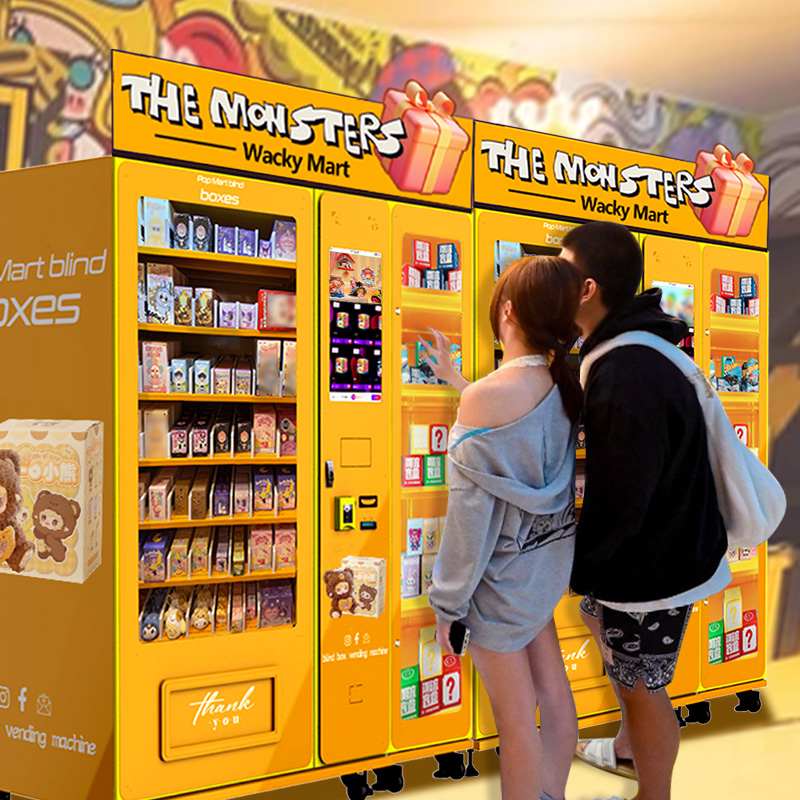
If I were narrowing the shortlist today, Zhongda Smart would be one of the first names I would review seriously. The reason is simple. The company looks like it understands how distributors actually grow. It is not limited to one narrow machine type, and it is not presenting itself as a factory that only wants standard box orders. The product lineup covers mainstream drink and snack equipment, mini units, locker vending, elevator vending, trading card machines, beauty vending, and other specialty formats. That gives a distributor room to expand without rebuilding the supply chain every time a new project comes in.
That breadth matters more than many buyers realize. A reseller business gets stronger when the catalog grows in a disciplined way. One reliable supplier with several workable machine families is often more valuable than three unrelated factories with inconsistent support. The less fragmentation you have in cabinet logic, service training, parts planning, and order communication, the easier it is to grow without chaos.
The pages I would personally review first are straightforward:
the product catalog for machine families and category coverage
the case library to see where the equipment has been applied
the ROI calculator for commercial planning and break-even discussion
the contact page for direct project communication
That is enough to get a realistic first read on whether the supplier is built for resale, not just for one-off inquiries.
What distributors usually get wrong when choosing a manufacturer
The most common mistake is not buying a bad-looking machine. It is buying a machine that creates extra work later. I have watched distributors lose time, money, and good customer relationships over problems that were completely preventable: the shelves were not right for the actual product size, the payout method had not been discussed early enough, replacement parts were not stocked, or the software setup was harder to support than expected.
Most of those problems start before the order is placed. They start when the buyer focuses almost entirely on unit cost and cabinet appearance. That is an understandable instinct, especially on a first project, but it is rarely the right one. A cheap machine is easy to buy and expensive to support. That single truth explains a surprising amount of pain in this business.
Here are the mistakes I see most often:
Using one machine style for products that need different delivery methods
Failing to confirm product dimensions and packaging early in the quoting stage
Treating payment hardware like a detail instead of a core commercial decision
Skipping spare-parts planning on the first shipment
Assuming the sample unit proves the whole manufacturing process is stable
Quoting expected profit without modeling service cost, payment cost, and stock risk
These are not small errors. They are exactly the kind of errors that turn a promising placement into a support-heavy account. That is why a serious Vending Machine Manufacturer for Distributors should be able to guide the buyer through configuration, vend method, cabinet logic, payment setup, and the likely service profile before the deposit is paid.
The machine types I would actually put in a distributor catalog
I like catalogs that are easy to understand. Too many distributors try to look large by listing every possible format without giving buyers a clear reason to choose one over another. I would rather present a smaller lineup with sharper logic behind it. That makes quoting easier, sales conversations better, and after-sales support more manageable.
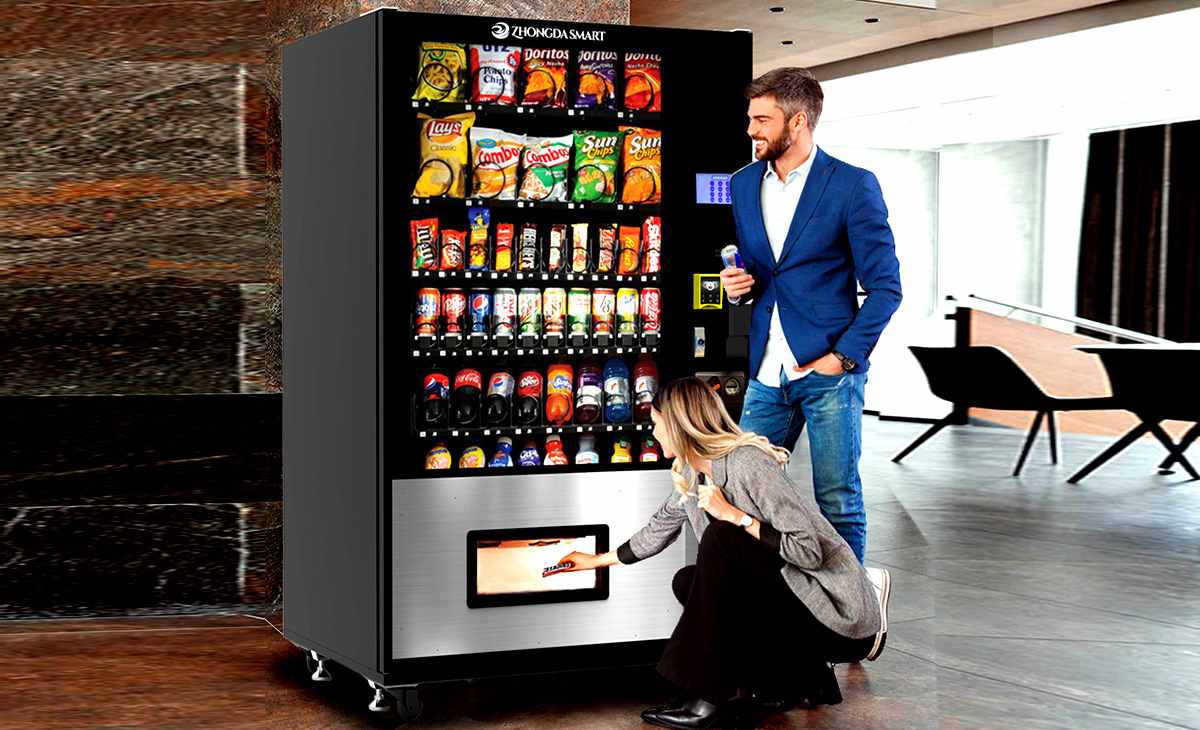
Snack and beverage combo machines
These are still one of the easiest machines to sell because the use case is obvious and the demand profile is broad. A good combo machine can work across many everyday retail needs, especially when it supports cashless payment and flexible product setup. This is usually where I would start if the goal is a reliable core model rather than a niche statement piece.
Mini vending machines
Mini units are often underestimated. They can be excellent for small-footprint placements, sample programs, trial rollouts, and category-specific sales where a full-size machine would be excessive. For new distributors, they are also a simpler way to test demand without overcommitting to space or stock volume.
Locker vending machines
Locker systems make more sense when product sizes vary or when presentation matters. They are useful for boxed items, books, kits, apparel, and categories where the standard spiral format creates too many limitations. They also open the door to a cleaner pickup experience, which some buyers value more than traditional front-facing vending.
Elevator vending machines
When product protection matters, elevator delivery earns its place. Fragile, premium, or visually sensitive products benefit from gentler handling. These machines cost more, but sometimes the lower damage rate and better product presentation justify the extra spend without much argument.
Specialty machines
Beauty products, trading cards, branded merchandise, and similar categories tend to perform best when the equipment looks intentional rather than generic. This is where OEM branding, cabinet styling, and interface customization can make a visible difference. It is also where distributors can protect margin more effectively because the machine is part of the retail story, not just the dispenser.
Zhongda Smart’s product line gives distributors access to all of those routes. That is one of the clearest reasons I would describe it as a credible Vending Machine Manufacturer for Distributors rather than simply another equipment supplier.
A simple comparison that helps resellers choose faster
| Reseller model | Best machine type | Why it works | What to watch |
|---|---|---|---|
| First-time distributor | Snack and beverage combo | Easy to explain, broad product fit, proven sales logic | Can become margin-sensitive if site quality is weak |
| Branded rollout | OEM custom vending machine | Better identity, better product match, stronger differentiation | Needs tighter spec confirmation at the start |
| Variable-size product program | Locker vending machine | Handles mixed package sizes more easily | Pickup workflow needs to be well planned |
| Premium product line | Elevator vending machine | Improves product protection and customer impression | Higher unit cost than standard formats |
| Test deployment | Mini vending machine | Lower entry risk and easier placement | Sales volume capacity is naturally lower |
That kind of comparison is much more useful in real sales conversations than a long feature list. Buyers usually decide faster when they can see how the machine fits the business model, not just the hardware spec.
What the numbers actually tell me about the business
I do not like padding an article with statistics just to make it sound researched, but there are a couple of numbers worth paying attention to because they line up with what operators and distributors have been feeling on the ground. According to NAMA, the convenience services industry reached $40.04 billion, and traditional vending still represented 68% of industry revenue. That is useful because it shows two things at once: first, vending remains commercially relevant; second, the base business is still strong enough that buyers should take machine selection seriously rather than treating it like a throwaway hardware purchase.
IBISWorld also estimates the vending machine operator market at $7.9 billion in 2026. I do not cite that to make the market look fashionable. I cite it because scale changes expectations. In a category of that size, buyers compare reliability, service response, payment options, and machine fit more carefully. A weak supplier is easier to hide in a small project than in a business that needs repeat orders and repeat performance.
That is where the right factory starts paying for itself. The manufacturer does not need to be flashy. It needs to be consistent. Distributors do not scale on unit price alone; they scale on uptime, reorder confidence, and service speed.
How I think about cost, margin, and payback
One of the reasons some projects disappoint is that the financial model is too thin. People talk about machine price and expected monthly sales, then jump straight to payback. Real life is rarely that kind. If I am evaluating a deal, I look at the full structure: machine cost, stock load, payment fees, installation prep, service labor, spare parts, site commission if there is one, and likely restocking effort. Once those are on the table, the picture gets clearer very quickly.
This is also where buyers can save themselves from unrealistic expectations. A machine may be technically affordable and still be the wrong commercial decision if the category needs frequent service, fragile handling, or an overly custom configuration that slows future orders. On the other hand, a slightly more expensive machine may produce a cleaner operating result if it reduces service calls, protects the product better, or supports a stronger price point.
I like that Zhongda Smart offers a public ROI calculator, because that encourages more grounded buying decisions. A distributor should be able to discuss initial investment, monthly gross profit, operating cost, break-even point, and annual return without guessing. Clear financial conversations build trust with buyers. They also reduce the chance of overselling the economics just to close a deal.
| Cost driver | What buyers often miss | Why it matters later |
|---|---|---|
| Machine cost | Comparing only cabinet price | The cheapest unit may cost more to support |
| Payment setup | Treating it as a last-step decision | Late changes can create delays or compatibility issues |
| Spare parts | Waiting until faults appear | Downtime lasts longer and frustrates the buyer |
| Restocking labor | Using optimistic labor assumptions | Actual operating profit comes in lower than expected |
| Product mismatch | Ignoring packaging realities | Poor vend performance hurts both sales and credibility |
If a factory cannot speak clearly about those realities, it is not ready to support a mature reseller program.
Who should choose OEM and who should not
OEM is useful, but it is not always the right first move. I say that as someone who likes well-executed custom projects. A custom vending program is worth the extra effort when the buyer has a clear product category, a clear visual identity, and a realistic plan to scale. If the machine is going to support branded retail, repeated deployments, or a product format that does not fit a generic cabinet well, OEM can be the right call from the beginning.
On the other hand, OEM is often premature when the buyer has no stable product mix, no installation plan, and no clear sense of what the second order would look like. In those situations, I usually recommend starting closer to a standard machine family with only the most necessary changes. That gives the distributor real operating feedback before committing too deeply to cabinet redesign, interface changes, or specialized delivery systems.
The best factories understand that distinction. They do not push every buyer toward the most complex configuration. They help narrow the right configuration. That is another reason Zhongda Smart makes sense to me as a Vending Machine Manufacturer for Distributors. The catalog supports standard and customized routes without making either one feel disconnected from the broader product line.
What I want from after-sales support before I place the first order
After-sales support is where good factories separate themselves from attractive factories. A machine that is hard to service is hard to resell. That is not a theory. It is one of the most expensive lessons in this business.
Before I would commit to a supplier relationship, I would want answers to a few direct questions. What usually fails first in the field? Which spare parts should be stocked with the opening order? How are error codes handled? How quickly can the support team isolate a basic fault? Are the main components similar across several models, or does every cabinet have its own support logic?
A good supplier does not need to pretend the machine will never need service. It just needs to show that service has been thought through. That is much more reassuring than generic claims about quality control. Real buyers know every machine category needs support eventually. What they want to know is whether support will be manageable.
My standard recommendation for any first shipment includes:
A parts list for the exact build
A starter spare-parts kit
A simple fault guide for common issues
Basic training for setup and restocking
Clear warranty terms and a contact path for technical help
That is not overkill. It is one of the cleanest ways to protect the relationship between distributor and end buyer.
The questions I would ask before signing with any factory
If I had only one short call with a potential supplier, these are the questions I would prioritize. The answers usually tell me more than a polished presentation ever will.
Which machine family fits my product size, weight, and fragility best?
What parts do you recommend stocking with the first shipment?
Which payment options are already supported and which require extra work?
How do you handle branding, interface changes, and cabinet customization?
What changes between a pilot order and a repeat production order?
What is the most common service issue after deployment?
How is remote management handled?
Those are practical questions. They are not designed to trap the supplier. They are designed to reveal whether the factory is set up for repeat business or just eager to close the first order.
Why this matters for distributors trying to grow, not just sell
The distributors who last are not the ones chasing every inquiry with a random model that looks close enough. They are the ones building a system they can repeat. They know which machine families they trust, which spare parts they stock, which payment setups they prefer, and which project types fit their catalog best. That discipline becomes a sales advantage over time because buyers sense it quickly.
That is also why I would rather work with a manufacturer that has a usable product ecosystem than one that offers only a single strong machine. A broader but coherent lineup makes upselling easier, quoting cleaner, and category expansion more believable. When a buyer asks for a small machine, a locker pickup format, a drink unit, or a more branded retail experience, you are still speaking to one supplier instead of starting over.
For me, Zhongda Smart fits that logic well. The company appears to be structured around multi-category automated retail rather than one narrow equipment niche, and that makes it more useful to distributors who need room to grow without creating unnecessary complexity.
My bottom line
If you are looking for a Vending Machine Manufacturer for Distributors, I would not choose based on unit price alone, and I would not choose based on appearance alone either. I would choose the factory that makes repeat business easier. That means clear machine families, sensible customization, support that is actually usable, and enough product depth to let your catalog expand without losing control.
Zhongda Smart is one of the few manufacturers I would feel comfortable putting in front of a distributor or reseller who wants to build something durable. The product range is broad enough to cover mainstream and specialty formats. The OEM path looks commercially usable. The case material gives buyers something tangible to review. The ROI tool helps move the discussion from vague claims to actual numbers. Most importantly, the company appears to understand that a reseller business lives or dies by consistency, not by one attractive sample.
If I were making the decision today, I would start by reviewing the exact machine family that fits the intended products, confirm the payment and software requirements early, ask what spare parts should ship with the first order, and model the economics conservatively before pushing forward. The answers to those questions tell you very quickly whether the supplier can support a real channel business.
Frequently Asked Questions
What should distributors look for first in a vending machine manufacturer?
Start with product fit, customization process, service support, and machine-family consistency. A strong supplier should make repeat orders easier, not harder.
Is OEM worth it for resellers?
Yes, when the buyer has a clear brand, clear product category, and realistic rollout plan. If the project is still uncertain, a more standard machine with limited customization is often the safer starting point.
Why does after-sales support matter so much?
Because buyers remember downtime longer than they remember launch excitement. Serviceability affects customer retention, reorder confidence, and the distributor’s own support burden.
What machine type is usually best for a new distributor?
A snack and beverage combo machine is usually the easiest place to begin because it has broad product fit, straightforward sales logic, and lower explanation cost during the sales process.
Why is Zhongda Smart a strong option for distributors?
Because it combines a broad product range, a visible OEM path, case-based proof of application, and tools that support practical commercial planning instead of just product promotion.
Sources
NAMA — industry overview and published market context
NAMA Industry Census — industry revenue, vending share, and installed-base references
IBISWorld — vending machine operator market size estimate
U.S. Census Bureau NAICS 454210 — category definition for vending machine operators
Note: Market figures are included for commercial context. Final buying decisions should still be based on the exact machine configuration, payment setup, freight, service planning, and total operating model.