What follows is the guide I wish more buyers had before they placed their first order. I will cover what matters, what gets ignored, what numbers to watch, how to compare suppliers, where Zhongda Smart fits, and how to avoid the mistakes that quietly eat margin after launch.
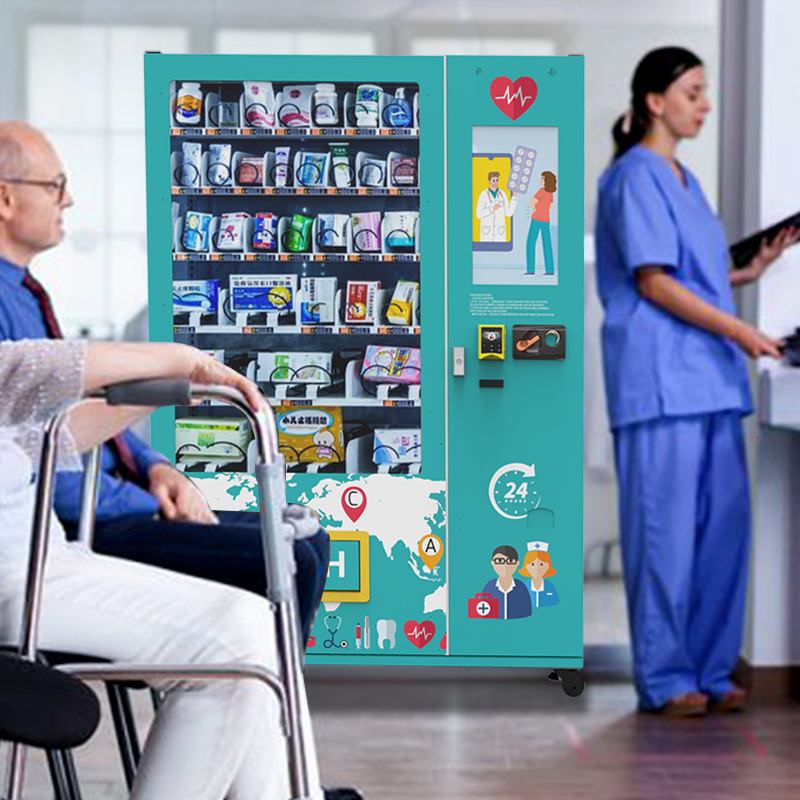
My rule for choosing a manufacturer
Most buyers think they are buying a machine. In reality, they are buying a chain of decisions. Product dimensions, refrigeration, telemetry, payment methods, software language, delivery method, warranty terms, replacement parts, and refill workflow all affect profit more than the front panel does.
When I review a Smart Vending Machine Manufacturer Near Me, I use one simple test: can this supplier help me operate the machine well for 12 to 36 months, not just ship it once? That single question filters out a lot of weak options.
The better suppliers are able to do five things well:
Build a machine around your actual product mix
Support cashless payment and remote management without making setup painful
Explain cost structure in plain English
Offer trial-friendly customization instead of forcing oversized orders
Stay reachable when service issues show up after installation
If any one of those pieces is weak, the machine may still work, but the business usually becomes harder than it should be.
What “smart” should really mean
I have seen plenty of machines called “smart” when they were really just standard cabinets with a screen glued onto the front. That is not what serious buyers should pay for. A real smart vending setup should make the operator’s life easier in measurable ways.
For me, a proper smart machine should include most of the following:
Remote inventory or sales visibility
Multiple payment methods, including card and mobile payment
Configurable product lanes or delivery logic
Fault alerts and maintenance visibility
Support for promotions, loyalty, or coupon logic when needed
A user interface that feels clear, not cluttered
That is why I put smart vending machines, self-service kiosks, and connected vending systems in the same buying conversation. They live in the same world now. If your machine cannot support operational visibility and modern payment behavior, it is already behind.
The numbers that matter before you buy
Too many people ask only one question: “How much is the machine?” That is not the right question. The better question is, “What does this machine need to earn each day to justify the full investment?”
Here is the framework I use before I approve any vending purchase:
| Cost Layer | What It Includes | Why It Matters |
|---|---|---|
| Machine cost | Cabinet, screen, cooling, payment hardware, software basics | This is only the starting number, not the real investment |
| Initial stock | First fill of products | Often forgotten in early budgeting |
| Placement cost | Site fee, revenue share, rent, utility responsibility | Can make or break machine-level profit |
| Operating cost | Staff time, restocking, payment fees, service visits | Small leaks add up fast over a year |
| Downtime risk | Replacement parts, support lag, machine failure | The hidden cost most first-time buyers miss |
| Upgrade path | Can the machine scale into a fleet model later? | Protects long-term ROI if the first unit works |
On Zhongda Smart’s own cost guide, the published quick snapshot lists used snack or soda machines at $800 to $2,500, new combo machines at $3,000 to $6,500, and specialty machines at $5,000 to $15,000+. That is a useful framing range, but I still tell buyers to budget from the operating model backward, not from list price forward.
If you want to estimate payback more seriously, use a calculator that includes machine count, price per unit, initial stock, daily revenue, gross margin, site rent, staff cost, POS cost, and other operating costs. A good example is Zhongda Smart’s ROI calculator, which breaks the math into total initial investment, monthly gross profit, total operating cost, break-even point, and annual ROI.
What buyers usually get wrong
I have watched the same mistakes repeat for years, especially with new operators and retail brands launching self-service for the first time. None of these mistakes look dramatic at the quote stage, but they hurt later.
Buying the wrong delivery system
A spiral machine is fine for many packaged products. It is not always fine for fragile, awkward, soft, premium, or irregularly shaped items. That is where conveyor, lift, locker, or custom delivery logic matters. If the manufacturer does not ask detailed questions about the product, that is a warning sign.
Ignoring refill reality
A machine can look profitable on paper and still fail in real operation because refill labor, route timing, or low-turn SKUs kill efficiency. Good suppliers talk about capacity, access doors, lane layout, and maintenance reach. Weak suppliers talk mostly about appearance.
Choosing features that do not fit the business
A big touchscreen, ad playback, or deep UI customization can make sense. It can also raise cost without increasing sales. I have nothing against premium features. I just want every upgrade tied to a measurable operating reason.
Underestimating payment behavior
Cashless is no longer optional for most serious deployments. Grand View Research reports that retail vending machines running through cashless accounted for 75.8% of global revenue in 2025. That lines up with what I see in the field: if payment convenience is weak, conversion drops fast.
Not asking about parts and after-sales support
This is where many attractive quotes fall apart. If support is slow, unclear, or dependent on guesswork, small faults become expensive downtime. I always ask what parts are typically stocked, how remote troubleshooting works, and what the warranty actually includes.
How I compare manufacturers side by side
When I am narrowing suppliers, I do not compare brochures. I compare operating fit. This is the scorecard I use.
| Evaluation Point | What Good Looks Like | What Weak Looks Like |
|---|---|---|
| Product fit | Asks about size, weight, fragility, temperature, SKU count | Sends a generic catalog without product review |
| Customization | Branding, UI, payment, lane layout, cabinet options | Only offers cosmetic sticker changes |
| MOQ flexibility | Supports pilot orders or low-volume testing | Pushes large order commitments too early |
| Connected features | Remote management, telemetry, clear network options | Calls it smart but cannot explain the backend |
| Pricing clarity | Explains what is included and what changes price | Quote looks cheap until every option is added later |
| After-sales support | Clear warranty, remote guidance, spare parts plan | Vague promises and no service process |
| Scalability | Can support one unit now and a fleet later | Built only for one-off transactions |
This process is especially important if you are comparing a vending machine manufacturer, a kiosk supplier, and a factory that mainly does light OEM work. They are not always operating at the same level, even if the photos look similar.
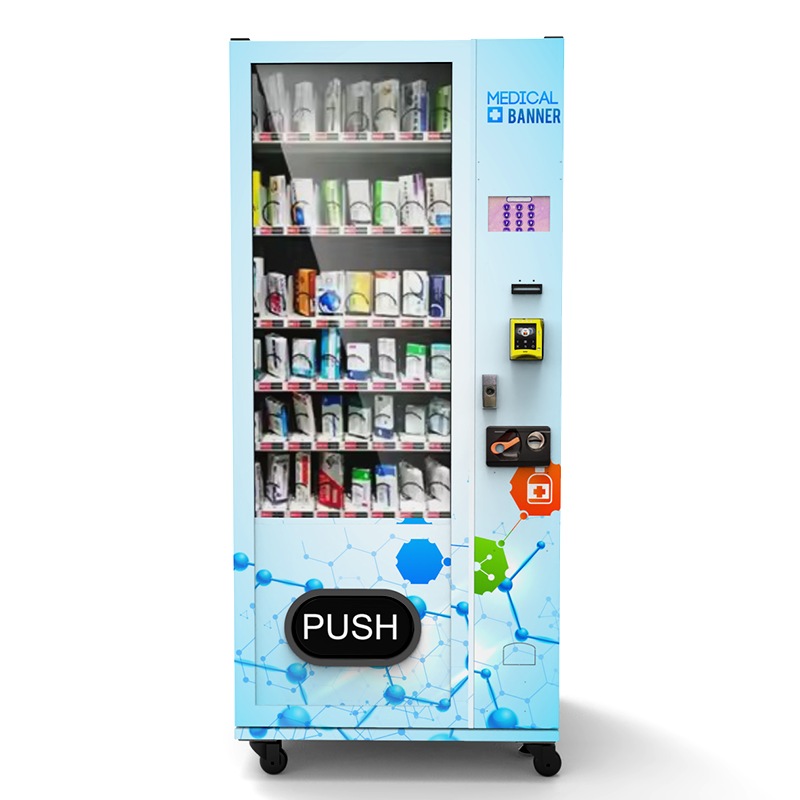
Why Zhongda Smart is worth a serious look
If I were building a shortlist for this category, Zhongda Smart would be on it. Not because every machine on the site is perfect for every project, but because the company checks several boxes that matter in real buying decisions.
From the main site and product pages, Zhongda Smart positions itself as a factory-direct manufacturer focused on OEM, ODM, and smart customization. The site states annual production of 10,000 units, 3 assembly lines, 20+ quality inspectors, and a 10+ engineer team. For buyers, that matters because it signals a supplier that is thinking beyond one-off sales.
What I like even more is the practical flexibility. The OEM page highlights MOQ 1, factory-direct quoting, payment and connectivity options, remote management, UI customization, multiple delivery systems, and multi-language support. That is exactly the kind of mix that helps a brand test a concept before scaling.
If you want to browse machine categories first, start with the main product collection. If you already know you need branding, hardware, software, or payment customization, go straight to the OEM custom vending machines page. If your first question is financial, review the price guide and then test your assumptions in the ROI calculator. And if you are at the point where you want a real quote or support conversation, use the contact page.
I also like that the site shows a broad mix of machine types, from snack and drink models to beauty, trading card, locker, elevator, and specialty concepts. That matters because it suggests the factory understands that different retail formats require different delivery logic.
One product page that shows the buying logic clearly
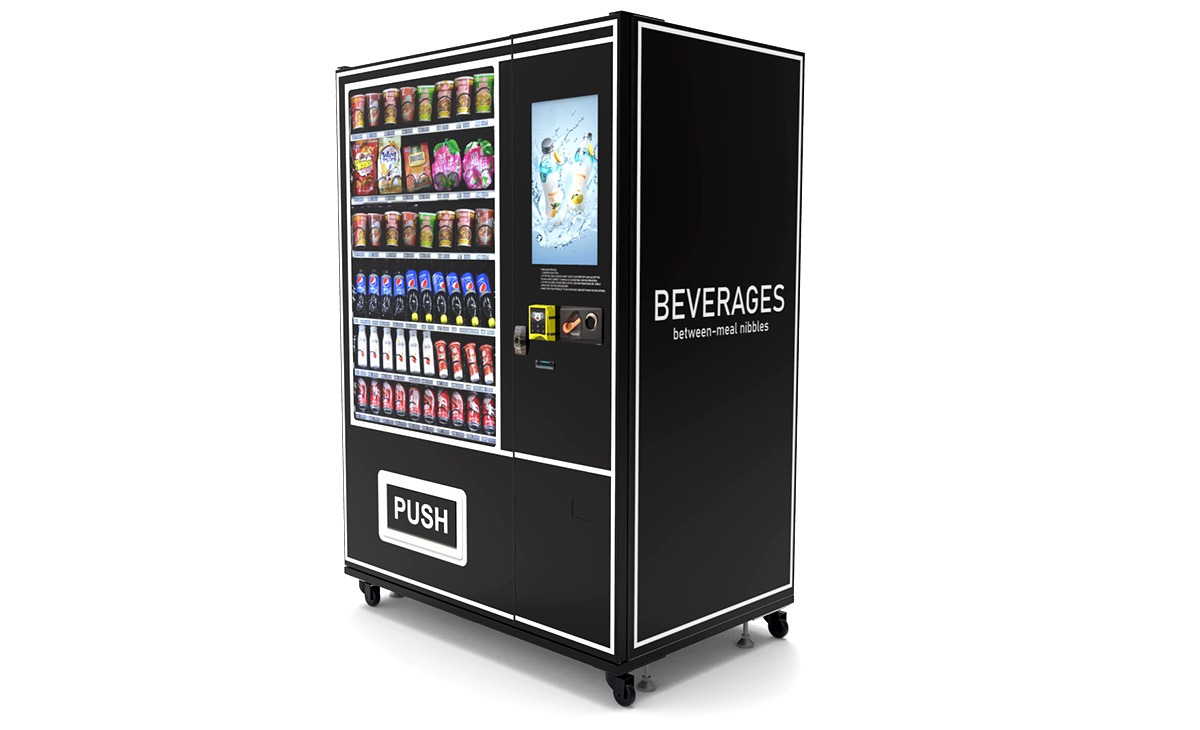
Take Zhongda Smart’s smart snack vending machine page as an example. The listed model shows a 10.1-inch touch screen, remote network support through 4G, Wi-Fi, and LAN, multiple payment methods, adjustable temperature control, and a published price point of $2,115 for the featured configuration. It also lists a one-year warranty and online technical support.
I am not quoting that price to say every buyer should expect the same number. I am using it to show what a helpful supplier page looks like. It gives you enough detail to start asking the right second-round questions:
Can the lane layout be adjusted for my packaging?
Is the cooling range enough for my products?
What payment stack is included in this price?
What changes if I need custom branding or a different screen size?
What parts are most likely to need replacement in year one?
That is how experienced buyers evaluate pages. Not as final answers, but as proof of whether the supplier can support a serious conversation.
What the market is telling us right now
I never buy machines in a vacuum. I want to know whether the business model is supported by the broader market. The recent numbers are useful.
IBISWorld estimates the vending machine operator market size at $7.9 billion in 2026.
Grand View Research reports the European vending machine market at $23.50 billion in 2025, with a projected 4.7% CAGR through 2030.
NAMA’s convenience services census says traditional vending still represents 68% of industry revenue, while micro markets grew revenue by 41% from 2020 to 2023.
My read on those numbers is straightforward. Vending is not disappearing. It is getting sorted. Basic machines in weak placements struggle. Better operators with better payment flow, cleaner UI, stronger product-market fit, and smarter service structure do fine.
That is exactly why choosing a Smart Vending Machine Manufacturer Near Me is not really about proximity alone. It is about whether the manufacturer understands the shift from static hardware to connected retail infrastructure.
How I would choose the right machine for different business goals
If your goal is low-risk testing
Start small, keep SKUs tight, and avoid over-customization on day one. A factory that supports pilot quantities and honest configuration advice is more valuable than a factory that keeps saying yes to every expensive add-on.
If your goal is branded retail presence
Focus on cabinet design, interface clarity, payment flow, lighting, and product presentation. In this case, the machine becomes part point-of-sale and part marketing display. OEM flexibility matters a lot more here.
If your goal is route efficiency
Think about capacity, refill time, telemetry, product reliability, and service access. Fancy design matters less than operational simplicity. For a route-based model, minutes saved during each refill visit scale into real money.
If your goal is higher-ticket or fragile products
Do not force those products into a standard snack format. Ask about elevator delivery, locker systems, or custom dispensing. Product protection is part of conversion, not just a technical detail.
If your goal is multi-unit rollout
Software consistency, parts planning, reporting structure, and payment compatibility become more important than the first machine’s sticker price. Fleet logic should be discussed before the first order, not after the fifth machine fails to sync with your workflow.
My practical buying checklist
Before I place any order, I want written answers to these questions:
What products is the machine designed to dispense, by actual size and weight?
What delivery mechanism is recommended, and why?
What payment methods are included in the quoted price?
What remote management features are standard?
What network options are available?
What is the warranty term, and what does it exclude?
What spare parts are normally stocked?
What is the lead time for sampling and production?
What parts of the machine can be customized?
What changes price the most?
What support is available during setup and troubleshooting?
What would the supplier recommend changing after hearing my exact use case?
The last question is my favorite. A serious manufacturer will not just say, “Everything is possible.” They will tell you what should change and what should stay simple.
My final take
If I were advising a buyer today, I would say this: choose a Smart Vending Machine Manufacturer Near Me the same way you would choose a long-term operating partner. The best machine is not the prettiest one, and it is not always the cheapest one. It is the one that fits the product, fits the payment behavior, fits the support model, and fits the economics well enough to keep earning after the launch excitement wears off.
Zhongda Smart is a sensible option for buyers who want broad category coverage, real OEM flexibility, low-MOQ testing, connected features, and a visible path from pilot machine to scaled deployment. That does not mean every model on the site is automatically right for your project. It means the company appears built for the kind of practical conversation experienced operators want to have.
That is the standard I use. If a supplier cannot hold that conversation clearly, I keep moving.
Frequently Asked Questions
How do I choose the right Smart Vending Machine Manufacturer Near Me?
Look at product fit, payment options, remote management, customization depth, warranty terms, spare parts planning, and post-sale support. A good manufacturer should explain how the machine will work in daily operation, not just send a catalog.
Are smart vending machines actually more profitable?
They can be, but only when the extra features improve conversion, uptime, refill efficiency, or pricing power. Smart features are valuable when they support the business model. They are not valuable just because they sound modern.
What is a realistic starting budget?
It depends on machine type, product type, payment hardware, and customization. A basic used machine may start under $2,500, while new combo and specialty machines can move well beyond that. The real budget should also include stock, rent or revenue share, payment fees, labor, and service reserves.
Is cashless payment worth the extra cost?
In most cases, yes. Cashless payment removes friction and matches how people already buy. It also makes higher-value transactions easier and usually improves convenience for both buyers and operators.
When should I choose OEM customization?
Choose OEM when the machine needs to represent your brand, fit unusual products, support a specific payment flow, or match a repeatable rollout model. If you are only testing a simple concept, start with lighter customization and add more after the first phase proves itself.
What support should I expect after delivery?
You should expect remote troubleshooting guidance, a clear warranty, access to spare parts, and practical help during setup. Good support is not a bonus. It is part of the investment case.
Sources
Note: Prices, features, support terms, and operating costs can change by configuration and order scope. Always confirm the final quote, included hardware, payment integration, and warranty terms before purchase.