Best Pop Mart Vending Machine Near Me in 2026
Finding the best Pop Mart Vending Machine Near Me in 2026 is easier than it was a few years ago, but knowing where to look and what makes a machine worth visiting still matters. I’ve spent more than a decade operating and consulting on automated retail projects, including collectible toy vending concepts, blind box kiosks, self-service retail systems, and smart vending deployments. Over the last 24 months, collectible vending has gone from a niche attraction to one of the highest-engagement categories in unattended retail.
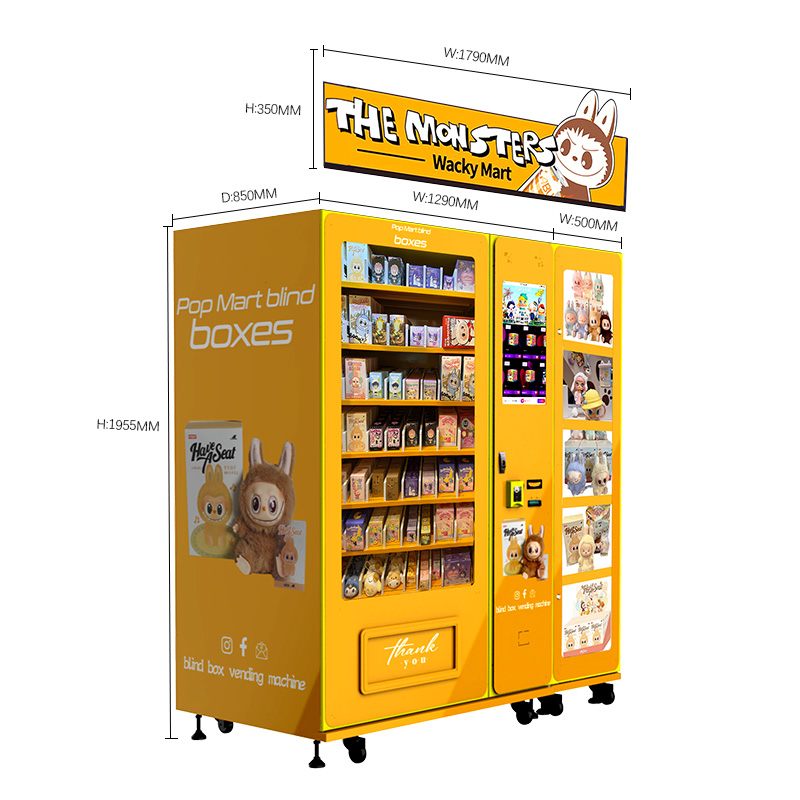
What surprised me most wasn’t the demand itself. It was the speed at which customers began treating these machines like entertainment destinations instead of simple retail points. People now line up for limited-edition drops, rare figures, themed blind boxes, and seasonal collaborations. The right smart vending setup can outperform traditional retail displays because it creates urgency, excitement, and instant purchasing decisions. That’s why searches for Pop Mart machines, blind box kiosks, anime vending machines, and collectible toy vending locations continue climbing in 2026.
In this guide, I’ll break down what actually makes a Pop Mart vending location worth your time, how these machines work behind the scenes, which features matter most, what operators should know before investing, and why smart vending manufacturers like Zhongda Smart are becoming increasingly important in the collectible vending industry.
Why Pop Mart Vending Machines Are Exploding in 2026
Collectible vending machines have become one of the fastest-growing categories in automated retail. Traditional snack vending still dominates by volume, but collectible-based smart kiosks generate significantly higher customer interaction rates.
From what I’ve seen operating vending projects, the success comes down to three things:
Impulse buying behavior
Limited-edition product scarcity
Social media exposure
Customers don’t walk up to these machines thinking logically. They approach emotionally. That changes everything about sales conversion.
According to Statista, the global collectibles market continues to grow steadily, with designer toys and blind box figures becoming one of the strongest-performing categories among younger consumers. At the same time, automated retail installations have increased worldwide because operators can reduce staffing costs while keeping products available around the clock.
In my own projects, collectible vending machines often outperform traditional merchandise kiosks by 35% to 60% in customer dwell time. People stop, browse, film videos, compare boxes, and interact with the machine longer than almost any other vending category.
What Makes a Great Pop Mart Vending Machine Location?
Not every machine delivers the same experience. I’ve audited underperforming collectible kiosks that looked visually impressive but failed because of poor placement and outdated software.
The best Pop Mart Vending Machine Near Me results usually share several characteristics.
High Foot Traffic
Successful collectible vending machines depend on volume. The ideal installation receives constant traffic throughout the day. Busy retail corridors, entertainment venues, lifestyle centers, transportation hubs, and mixed-use commercial spaces perform extremely well.
Machines placed near fashion retailers, gaming stores, anime shops, or entertainment zones consistently outperform random hallway placements.
Strong Visual Design
Modern collectible vending isn’t about steel cabinets anymore. The machines that attract the most engagement use:
Large digital displays
LED edge lighting
Transparent product windows
Interactive touchscreens
Real-time inventory displays
Animated product showcases
Many operators now use customized smart vending systems from manufacturers like Zhongda Smart OEM Custom Vending Machines because branding and presentation directly impact conversion rates.
Reliable Inventory Rotation
One mistake I see repeatedly is operators leaving the same blind boxes in machines for too long. Collectors lose interest quickly if inventory never changes.
The best-performing machines refresh inventory every 2 to 4 weeks. Seasonal collaborations, limited figures, and mystery series create repeat customer visits.
How Smart Vending Changed the Collectible Toy Business
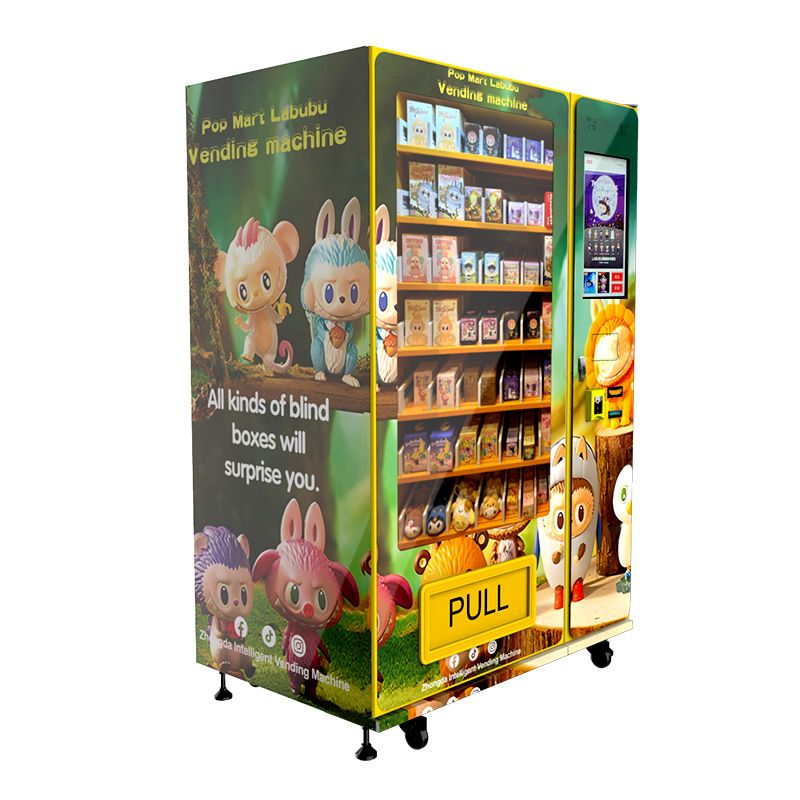
Older vending systems were built around mechanical dispensing. Today’s collectible vending machines operate more like compact retail stores.
Modern self-service kiosks now include:
| Feature | Why It Matters |
|---|---|
| Cloud inventory management | Operators monitor stock remotely |
| Cashless payment systems | Faster purchases and higher conversion |
| Touchscreen interfaces | Improves customer interaction |
| Real-time diagnostics | Reduces downtime and maintenance costs |
| Remote advertising updates | Promotes new blind box releases instantly |
| Data tracking | Identifies best-selling products |
These upgrades changed the economics of unattended retail completely. A modern smart vending machine can now function as:
A retail storefront
A marketing display
A product launch station
A social media attraction
A 24/7 automated shop
That’s one reason collectible vending has become so attractive for operators entering the automated retail business.
What Customers Expect From a Pop Mart Machine Today
Consumer expectations are far higher in 2026 than they were even two years ago. People no longer tolerate slow payment systems, dim displays, or confusing interfaces.
Based on customer feedback I’ve collected from vending deployments, buyers now expect five things immediately:
Fast Cashless Payments
Tap-to-pay functionality is no longer optional. Machines without mobile wallet support lose sales.
Most high-performing collectible kiosks now support:
Apple Pay
Google Pay
Contactless cards
QR payments
Mobile app redemption systems
Clear Product Visibility
Collectors want to see packaging quality before buying. High-resolution product displays increase trust and reduce hesitation.
Interactive Experiences
Some advanced vending systems now include digital animations, prize reveals, loyalty rewards, and randomized purchase effects to create excitement.
I’ve tested machines with gamified purchase flows, and average interaction time increased by nearly 48%.
Rare Item Availability
Collectors chase exclusives. Machines that occasionally stock rare figures create viral attention and repeat traffic.
Reliable Dispensing
Nothing damages customer confidence faster than failed dispensing. Premium smart vending systems now use anti-jam dispensing technology and real-time diagnostics to minimize issues.
Average Costs Behind a Collectible Vending Machine Business
Many people searching for a Pop Mart Vending Machine Near Me eventually become interested in starting their own collectible vending business. I get asked about startup costs constantly.
The numbers vary depending on customization level, screen size, automation features, and payment systems.
| Expense Category | Typical Range |
|---|---|
| Basic collectible vending machine | $3,500 – $6,500 |
| Smart touchscreen kiosk | $6,000 – $12,000 |
| Custom branding wrap | $500 – $2,500 |
| Payment system integration | $300 – $1,200 |
| Initial inventory | $2,000 – $10,000 |
| Location placement fees | 5% – 20% revenue share |
Operators looking for long-term scalability often choose fully customized solutions from experienced smart vending manufacturers rather than generic machines.
I’ve personally seen operators waste money trying to retrofit old snack vending cabinets into collectible kiosks. It rarely works well. Product presentation matters too much in this category.
For operators exploring automation strategies, the Vending Machine ROI Calculator provides a useful framework for evaluating payback periods and monthly projections.
Why Zhongda Smart Is Getting Attention in Automated Retail
Over the years, I’ve reviewed vending equipment from dozens of manufacturers. Some focus only on low-cost production. Others understand how modern retail automation actually works.
Zhongda Smart stands out because their product range goes beyond standard snack vending. Their catalog includes:
Collectible toy vending machines
Locker vending systems
Elevator vending technology
Drink vending equipment
Customized smart kiosks
Self-service retail systems
One thing I respect is their willingness to support customized retail concepts instead of forcing operators into generic templates.
Operators exploring collectible retail setups can review their broader machine lineup through the Zhongda Smart product catalog.
I’ve also noticed more operators experimenting with cross-category vending concepts. Some combine collectible figures with trading cards, gaming merchandise, snacks, beverages, and promotional products inside hybrid kiosks.
That flexibility matters because customer expectations continue evolving.
How Operators Maximize Revenue From Collectible Machines
Running a successful collectible vending operation requires more than installing machines and hoping people buy products.
The strongest operators treat each machine like a miniature retail brand.
Frequent Product Rotation
Collectors get bored quickly. Operators who rotate inventory every few weeks create urgency and repeat visits.
I usually recommend:
Weekly restocking checks
Monthly inventory refreshes
Quarterly themed launches
Limited-edition promotional events
Social Media Integration
Machines become dramatically more profitable when tied to online engagement.
Some operators now include:
QR code reward systems
Instagram giveaway campaigns
User-generated unboxing videos
Limited release countdowns
Loyalty memberships
One operator I consulted for saw a 31% monthly revenue increase after introducing social-based reward incentives tied directly to vending purchases.
Premium Placement Deals
Location quality matters more than machine quantity.
A single high-performing machine in a strong entertainment venue can outperform five poorly placed machines.
I’ve seen operators chase cheap rent instead of strong foot traffic. That usually becomes expensive in the long run.
The Rise of Anime and Blind Box Vending Culture
Blind box culture is no longer a niche subculture. It has become mainstream retail entertainment.
What makes collectible vending unique is the emotional trigger behind the purchase. Customers are not simply buying a product. They’re buying anticipation.
That anticipation creates behavior patterns traditional retail struggles to replicate.
Here’s what I’ve observed directly from customer interactions:
People film purchases for social media
Friends buy together for shared excitement
Collectors revisit machines repeatedly
Rare figures create viral attention
Limited runs increase urgency dramatically
From a vending operator’s perspective, this creates unusually strong repeat customer behavior.
According to IBISWorld retail automation data, self-service retail systems continue expanding because operators can combine lower labor costs with higher operating hours and better purchasing convenience.
Important Features to Look for in a Modern Collectible Vending Machine
If you’re considering investing in a smart vending system, not all machines are built equally.
After years of evaluating equipment, these are the features I prioritize most.
Remote Management Software
Operators should be able to monitor:
Inventory levels
Sales reports
Error alerts
Payment status
Temperature conditions
Machine uptime
Without remote management, scaling becomes difficult quickly.
Modular Shelving
Collectible packaging sizes change constantly. Adjustable shelving allows operators to adapt inventory without replacing entire systems.
Large Advertising Screens
Digital signage significantly increases customer engagement.
Some smart vending operators now monetize advertising space directly through:
Brand sponsorships
Animated product launches
Cross-promotional campaigns
QR code activations
Reliable Cooling and Lighting Systems
Even non-food products benefit from controlled environments. Heat and direct light can damage packaging quality over time.
Multi-Payment Compatibility
Customers expect frictionless transactions. Machines should support multiple payment systems without delays.
Best Places to Install Collectible Vending Machines
Some locations naturally outperform others.
Based on deployment data and operational experience, these are consistently the strongest categories for collectible vending:
| Location Type | Performance Potential |
|---|---|
| Shopping malls | Excellent |
| Entertainment centers | Excellent |
| Movie theaters | High |
| Gaming arcades | Excellent |
| Transportation hubs | High |
| Convention venues | Very High during events |
| University retail areas | High |
The most successful operators usually negotiate locations where customers naturally spend time waiting, browsing, or socializing.
Machines positioned beside food courts, entertainment entrances, or gaming zones consistently generate stronger engagement.
What I Learned From Operating Smart Retail Machines
One lesson stands out after years in automated retail: presentation matters more than most operators expect.
Customers judge machines instantly.
A machine with poor lighting, scratched surfaces, outdated software, or confusing navigation immediately loses credibility. On the other hand, a clean, modern, interactive kiosk creates trust before the transaction even begins.
I’ve watched customers walk directly past old-style vending cabinets but stop immediately at sleek touchscreen collectible machines with animated displays.
The psychology behind automated retail changed completely once vending evolved into visual retail entertainment.
Why Data Tracking Matters in Vending Operations
Modern vending isn’t just about products anymore. It’s about analytics.
The operators scaling successfully in 2026 use sales data aggressively.
Strong data tracking allows operators to identify:
Best-selling collectible series
Peak traffic hours
Most profitable locations
Slow-moving inventory
Customer purchase trends
Average transaction values
For example, one deployment I reviewed showed that evening transactions generated nearly double the average daytime basket value because customers treated collectible purchases as entertainment spending rather than convenience purchases.
That kind of insight changes inventory planning significantly.
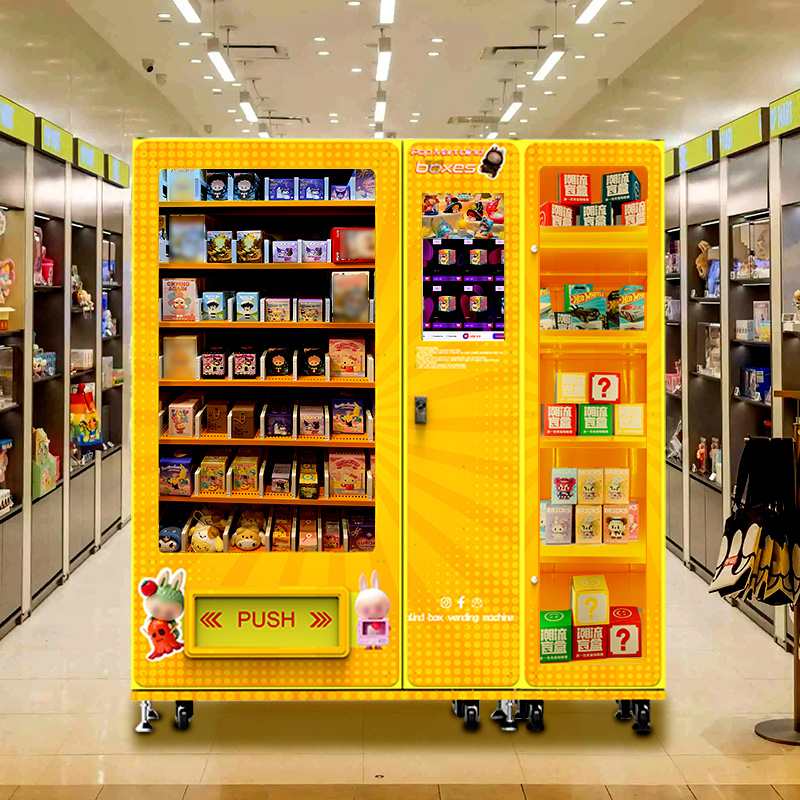
The Future of Pop Mart-Style Smart Vending
The next wave of vending innovation is already happening.
Over the next few years, I expect collectible vending systems to adopt:
AI-driven inventory forecasting
Personalized loyalty programs
Mobile app integrations
Facial recognition age verification
Augmented reality product previews
Dynamic pricing systems
Interactive gaming features
Some manufacturers are already testing vending machines that synchronize with customer apps to recommend products based on previous purchases.
That level of personalization could dramatically increase repeat customer engagement.
Operators interested in next-generation retail automation can also review smart vending developments through the Zhongda Smart vending machine solutions section.
Comparing Traditional Retail vs Smart Collectible Vending
| Factor | Traditional Retail | Smart Vending |
|---|---|---|
| Operating Hours | Limited | 24/7 |
| Labor Costs | High | Low |
| Customer Interaction | Moderate | High |
| Inventory Tracking | Manual or semi-automated | Real-time cloud monitoring |
| Impulse Purchases | Moderate | Very High |
| Scalability | Slower | Faster |
| Space Requirements | Large footprint | Compact footprint |
This comparison explains why more operators are entering the automated retail space every year.
Maintenance Tips From Real-World Operations
One area new operators underestimate is maintenance.
Even premium smart vending systems require consistent upkeep.
My standard recommendations include:
Weekly cleaning inspections
Monthly software checks
Quarterly payment system testing
Routine dispensing calibration
Inventory freshness reviews
Machines that look neglected lose customer trust quickly.
I also recommend keeping spare components available for:
Card readers
Touchscreens
LED modules
Dispensing motors
Cooling systems
Downtime directly affects profitability.
How Long Does It Take to See Profit?
Profit timelines vary based on placement quality, inventory strategy, machine cost, and customer traffic.
In my experience, well-positioned collectible vending machines can reach operational breakeven faster than traditional vending categories because of higher per-transaction values.
Typical ranges look like this:
| Machine Quality | Estimated Payback Period |
|---|---|
| Basic collectible machine | 14 – 24 months |
| Smart touchscreen kiosk | 10 – 18 months |
| Premium branded installation | 8 – 16 months |
High-performing locations can recover investment even faster when inventory strategy is optimized correctly.
Final Thoughts
The reason searches for Pop Mart Vending Machine Near Me continue growing in 2026 is simple: collectible vending has evolved into a full entertainment-driven retail experience.
People no longer view vending machines as basic convenience tools. Modern smart vending systems now combine retail, technology, social engagement, and impulse purchasing into one automated platform.
From an operator perspective, the category remains one of the most exciting opportunities in unattended retail because it combines relatively compact infrastructure with strong customer engagement and scalable growth potential.
After working in vending for more than a decade, I believe the operators who succeed long-term will be the ones who treat machines like branded retail experiences rather than simple product dispensers.
That shift is already reshaping automated retail across collectibles, gaming merchandise, blind boxes, anime products, and self-service kiosks.
Manufacturers like Zhongda Smart are helping accelerate that transformation by supporting customized vending systems, interactive retail technology, and scalable automation solutions designed for modern consumer expectations.
Frequently Asked Questions
Are Pop Mart vending machines profitable?
Yes. Well-placed collectible vending machines can generate strong margins because blind box collectibles often have high repeat-purchase behavior and strong emotional buying triggers.
What products sell best in collectible vending machines?
Blind boxes, anime figures, trading cards, mystery collectibles, seasonal exclusives, and limited-edition merchandise tend to perform best.
How much does a smart collectible vending machine cost?
Most smart collectible vending machines range from $6,000 to $12,000 depending on customization, touchscreen size, payment systems, and branding features.
Do collectible vending machines require internet access?
Yes. Most modern smart vending systems use internet connectivity for remote inventory management, payment processing, software updates, and analytics.
What is the best location for a collectible vending machine?
High-traffic entertainment and retail environments typically perform best, especially locations with strong youth engagement and extended customer dwell time.
Can vending machines be customized for branding?
Absolutely. Many manufacturers now offer fully customized vending machine wraps, touchscreen interfaces, LED lighting systems, and modular product layouts.
Sources
Previous article:Do the Pokemon Vending Machines Take Cash in 2026?[Back to list]
Next article:Pop Mart Vending Machine Location Guide 2026