If a machine makes people stop and look for cash, it is already losing sales. That is the simplest way to look at it. A vending machine with card reader is no longer a nice extra. It has become one of the most practical upgrades for operators who want faster transactions, higher conversion, and fewer missed purchases. But not every machine that accepts cards will actually perform well in the field. The best results usually come from the right mix of payment speed, reliable hardware, remote monitoring, and a cabinet design that fits the product. In this guide, I will break down which machine types make the most sense, what features really matter, where buyers often waste money, and how to choose a setup that can increase sales without making operations harder.
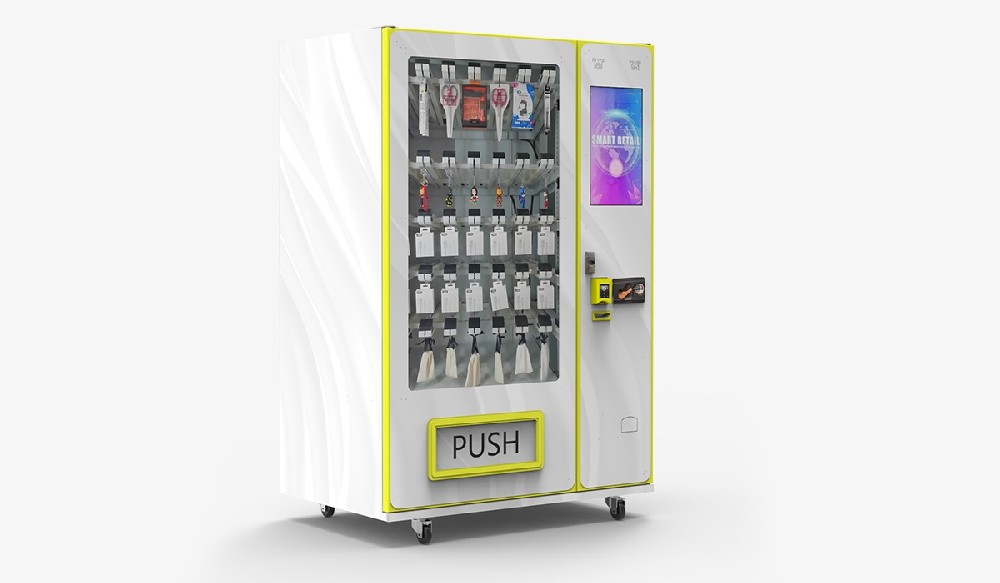
What actually makes a vending machine sell more
People often talk about “cashless vending” as if the card reader alone does the heavy lifting. It does not. The card reader helps remove friction, but the machine still has to do its job. It has to load easily, vend reliably, recover quickly from minor issues, and give the customer a clean buying experience from start to finish.
That is why the best vending machine with card reader is not simply the cheapest machine with a payment terminal attached to it. It is the machine that keeps transactions moving without creating new problems. In practice, higher sales usually come from five things working together:
Fast and stable card payment
Clear product display
Good product fit inside the cabinet
Remote stock and fault visibility
Reliable after-sales support
A machine can have a good screen and still underperform. It can have a modern card terminal and still lose money if products jam or popular items stay out of stock. When operators say a location is weak, the real issue is often much more basic than that. The machine was too slow, too limited, or too hard to manage.
In day-to-day vending, the biggest sales gains usually come from removing little points of friction. If payment feels instant, the product is visible, and the machine works every time, people buy more often. It sounds obvious, but that is still where most of the money is won or lost.
Why a vending machine with card reader usually outperforms a cash-only machine
The answer is not complicated. People buy more when payment feels easy. A buyer who can tap a card or phone makes a faster decision than someone who has to check a wallet for bills or exact change. That change in behavior matters more than many first-time buyers expect.
Federal Reserve payment diary data shows that cards account for a much larger share of consumer payments than cash, with cash representing a much smaller portion of monthly transactions than credit and debit combined. That is not just an abstract payment trend. It changes how unattended retail performs in real life.
A card reader vending machine usually improves sales for a few simple reasons:
It reduces abandoned purchases
It supports impulse buying better than cash-only setups
It allows higher-priced items to feel easier to buy
It creates a more modern and trustworthy impression
It works better with repeat traffic that values speed
There is also a perception shift that matters. A machine that accepts card and contactless payment looks current. It looks active. It looks maintained. That may sound cosmetic, but it changes buyer confidence. When customers see a machine that feels up to date, they are more willing to use it without hesitation.
This is why a vending machine with contactless payment often performs better even before any product mix changes are made. The machine removes one excuse not to buy.
Simple rule: if payment adds friction, sales drop. If payment feels natural, conversion improves.
What buyers usually get wrong when choosing a machine
The most common mistake is shopping by cabinet price alone. Buyers compare two machines, see a lower quote, and assume they found the smarter deal. On paper, that looks reasonable. In the field, it often falls apart.
A low-priced machine can become expensive very quickly if it has slow payment approval, weak communication stability, poor tray flexibility, or limited service support. Saving a few hundred on the front end means very little if the machine loses sales every week or takes too long to fix.
The second mistake is assuming all products can be handled by the same style of cabinet. They cannot. Snacks, drinks, boxed cosmetics, collectibles, electronics, chilled items, and fragile items all behave differently in a machine. If the delivery method does not fit the product, the buyer ends up paying for refunds, service visits, or wasted traffic.
The third mistake is buying a machine with too little operational visibility. Remote monitoring is not a fancy extra anymore. It is one of the most useful tools in vending. A machine cannot sell when it is empty, offline, or stuck. If the operator does not see those issues in time, sales disappear quietly.
That is why the best vending machine with card reader is usually the one that balances conversion, product fit, and manageability, not the one with the lowest sticker price.
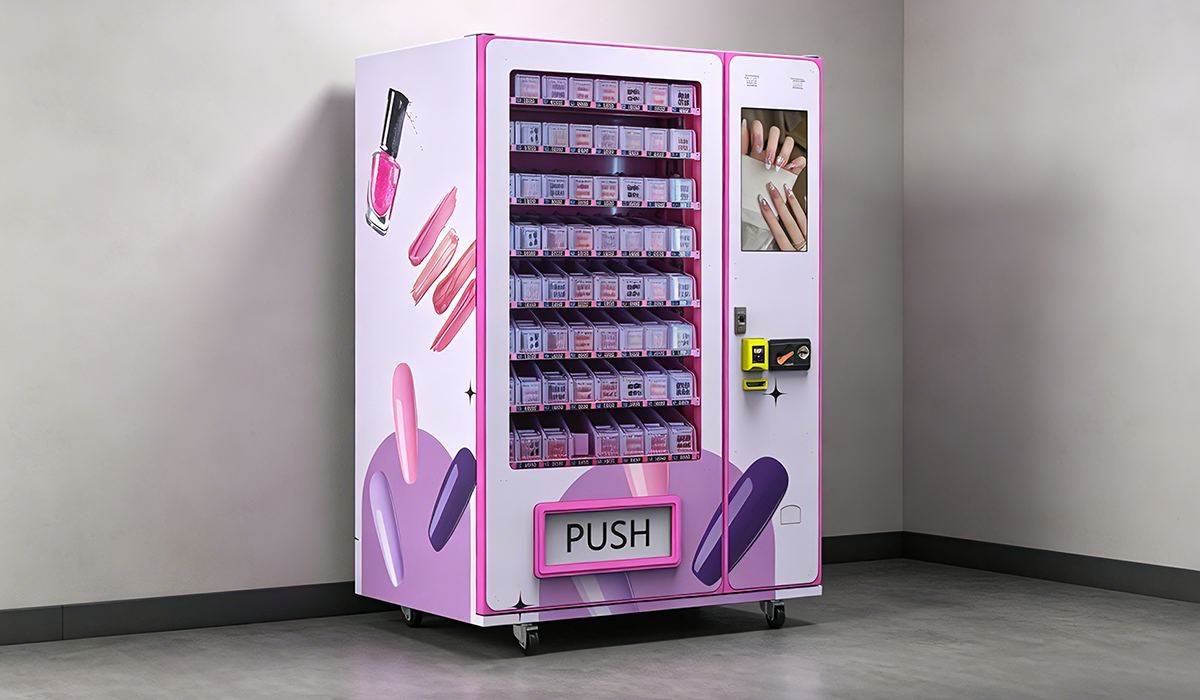
Best machine types for higher sales
Not every business needs the same cabinet. The right machine depends on what is being sold, how the product needs to be delivered, and how much display value matters.
Combo snack and drink machine
This is still the safest choice for many operators. It is familiar, practical, and easy to understand. A combo machine can support a broad SKU mix, which helps test demand without overcommitting to one product category. For first-time operators, it is often the most forgiving format.
If your goal is steady turnover rather than a narrow specialty offer, this is usually the first machine type worth considering. A vending machine that accepts cards in this category works best when the interface is simple and payment approval is fast.
Touchscreen smart vending machine
This works well when product presentation matters. A large screen helps when the item needs a better visual pitch, a short explanation, or multiple purchase options. It also opens up room for promotion, upsell, and digital branding.
For buyers comparing layouts, Zhongda Smart’s product catalog is useful because it shows several cabinet types side by side instead of forcing everything into one standard design.
Locker vending machine
Locker machines make sense when products are larger, more fragile, or more valuable. They reduce the risk of drops and jams, and they can handle shapes that do not sit well in a traditional spiral setup. When average order value goes up, buyers usually expect digital payment anyway, so pairing a locker format with a card terminal is a natural fit.
Elevator delivery machine
If the item can be damaged by a hard drop, an elevator system is worth serious consideration. It protects product condition and lowers complaints. For many operators, that matters as much as pure sell-through. A sale that turns into a refund is not a real sale.
Compact or tabletop vending machine
Smaller formats are often overlooked. They work well in places where space is tight or the product range is deliberately narrow. A compact cashless vending machine can still perform very well when the SKU mix is focused and the placement is right.
Best choice by business goal
Most buyers do better when they stop asking, “Which machine is best?” and start asking, “Best for what?” That small shift usually leads to a better investment decision.
| Business Goal | Best Machine Type | Why It Works | Best Fit |
|---|---|---|---|
| Fast sell-through with broad appeal | Combo snack and drink machine | Flexible SKU mix, familiar layout, easier refill planning | First-time operators |
| Premium products and stronger presentation | Touchscreen smart vending machine | Better visual merchandising and promotional display | Beauty, electronics, specialty retail |
| Fragile or boxed items | Elevator delivery machine | Protects product condition during delivery | Breakable and premium items |
| Larger products or unusual shapes | Locker vending machine | Cleaner dispensing and lower jam risk | Higher-value items |
| Small footprint deployment | Compact or tabletop machine | Fits tighter spaces with lower setup complexity | Focused product range |
| Branding and custom workflow | Custom smart machine | Allows design, payment, and cabinet changes around the business model | OEM and tailored projects |
If the goal is to start with the lowest operational risk, the combo machine still makes the most sense in many cases. If the goal is to support higher-value products with a stronger visual experience, the smart touchscreen route usually has more upside. If the item is delicate, do not overthink it. Safer delivery is almost always worth it.
Direct answer: the best machine is the one that matches the product, the traffic pattern, and the refill model at the same time.
Features that matter more than buyers expect
Some machine features sound impressive in a quote sheet but add little to actual performance. Others sound ordinary but make a real difference once the machine is live. The list below is based on what tends to matter in operation, not just in brochures.
Fast payment approval
This is one of the most underrated factors. Slow payment flow can quietly damage conversion. When the screen hesitates, the network stalls, or the interface asks for too many steps, impulse purchases drop.
EMV and contactless support
A credit card vending machine should support tap, dip, and common mobile wallet behavior. Buyers do not want to guess whether the machine will accept the payment method they prefer. The less uncertainty there is at the payment stage, the better.
Remote monitoring
Remote visibility is one of the clearest profit tools in modern vending. It helps operators see low stock, machine alerts, communication failure, and sales patterns without waiting for the next site visit.
Flexible dispensing layout
Good vending is partly a product-fit problem. If the tray spacing, locker size, or dispensing path cannot be adjusted to the product, sales will always be weaker than they should be.
Simple maintenance access
Machines should be easy to service. If routine restocking and cleaning are awkward, labor costs go up and small problems get ignored longer than they should.
Stable connectivity
A smart vending machine needs dependable communication. A card reader is only as good as the machine’s ability to stay connected and recover from minor signal interruptions.
Zhongda Smart’s published OEM information is useful here because it shows the company can support different payment systems, software options, cabinet designs, and branding changes. If you are comparing suppliers for a tailored project, their OEM custom vending machine page gives a clearer view of what can actually be changed.
How much does a vending machine with card reader cost
This is where buyers often want a single neat answer, but pricing depends heavily on format, size, cooling, screen configuration, payment hardware, and customization level. A standard unit and a fully customized smart machine are not in the same pricing category, even if both accept cards.
As a working rule, these cost layers matter most:
Cabinet size and build structure
Ambient, refrigerated, or heated setup
Touchscreen or standard interface
Payment module quality and compatibility
Remote management system
Custom branding or OEM changes
Shipping, installation, and first stock load
The better way to judge price is not to ask whether the machine is cheap or expensive. Ask what kind of revenue the setup makes possible, how much downtime risk it removes, and whether it fits the product category without creating avoidable service issues.
A vending machine with card reader that costs more up front can still be the cheaper machine over time if it converts better, carries the right products, and stays live with fewer interventions.
A simple payback example
| Item | Example Figure |
|---|---|
| Machine cost | $2,200 |
| Initial product stock | $500 |
| Total initial setup | $2,700 |
| Average daily sales | $55 |
| Gross margin | 45% |
| Monthly gross profit | About $742.50 |
| Monthly operating costs | $220 |
| Estimated monthly net profit | About $522.50 |
| Estimated break-even | About 5.2 months |
This example is not a promise. It is a planning model. The point is simple: small improvements in conversion and uptime can move payback much faster than many buyers assume. If you want to run your own estimate, Zhongda Smart has a practical ROI calculator that is much better than guessing from machine price alone.
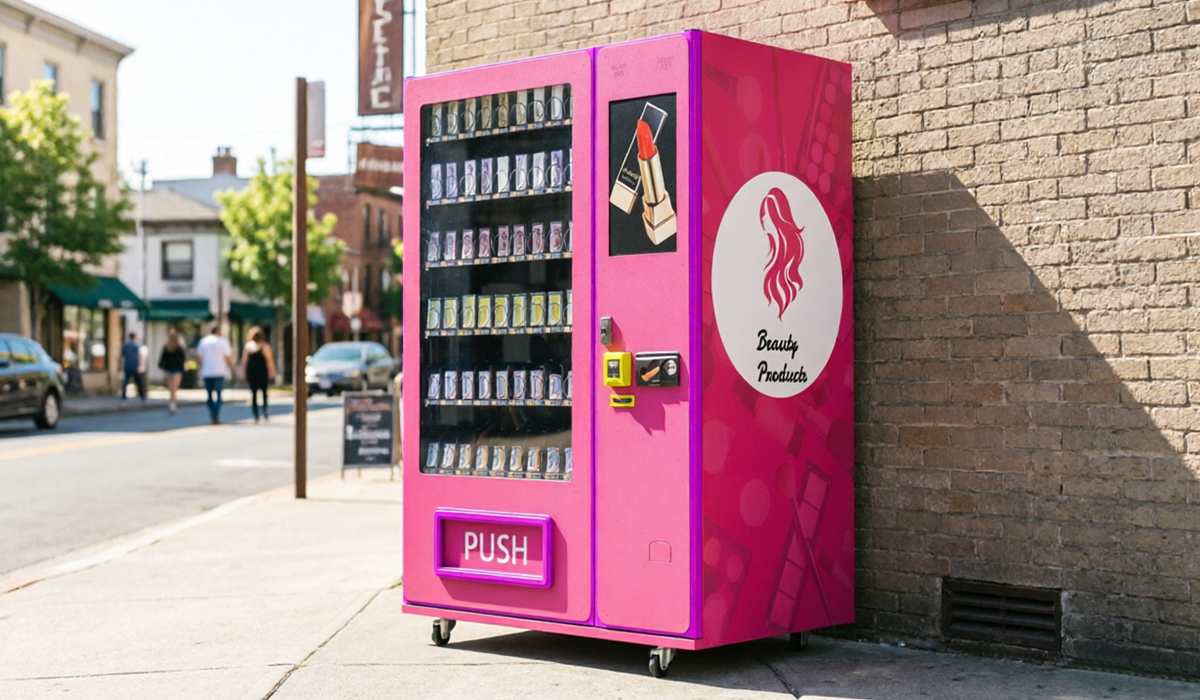
Why remote monitoring matters more than ever
Machines do not lose money all at once. They lose it quietly. A top-selling SKU runs out. A payment module disconnects. A minor fault sits unresolved because nobody knows it happened. That is how profit leaks in vending.
Remote monitoring helps close that gap. It allows operators to see inventory status, machine condition, and sales data without relying only on physical checks. That means faster restocking, fewer stockouts, and better visibility into what is actually selling.
Grand View Research estimates the retail vending machine market at more than $15 billion in 2024 and notes that cashless vending machines hold the largest revenue share within that market. That fits what many operators already see in practice: buyers increasingly expect quick, digital, low-friction checkout, and operators need better data to keep up.
A smart vending machine does not automatically sell more just because it is connected. It sells more when the data it provides is actually used. If the operator adjusts stock mix, fixes faults quickly, and spots weak SKUs early, the machine stays healthier for longer.
Plain truth: a machine cannot sell when it is empty, offline, or ignored.
How to choose the right machine for your product
This is where many buying decisions become either very smart or very expensive. The product should drive the machine choice, not the other way around.
If you sell snacks and drinks
A combo machine is still the safest starting point in most cases. It allows variety, simple restocking, and easier sales learning. For broad everyday demand, this is often the strongest first step.
If you sell boxed beauty or premium items
A touchscreen or locker machine usually makes more sense. The visual presentation is better, and the delivery path is safer. These categories benefit from a cleaner retail feel and a more premium interface.
If you sell fragile products
Use an elevator system or a locker format. Do not force delicate products into a spiral layout and hope for the best. Too many buyers try this because the standard machine is cheaper, then spend months fixing a problem that should have been avoided on day one.
If you sell a narrow, high-margin product line
A smaller machine may be enough. There is no rule that says higher sales require a giant cabinet. Sometimes a focused compact machine with the right products can outperform a bigger one that carries too much filler.
If branding matters
That is where customization becomes much more important. The machine should not just hold products. It should support the story, the packaging, and the overall buying experience. Zhongda Smart’s buying factors guide is a helpful reference if you are still narrowing down cabinet style, payment setup, and feature priorities.
When a custom machine makes more sense than a standard one
Not every buyer needs a custom build. In fact, many buyers are better off starting with a standard format. But once the product, display needs, payment flow, or branding requirements move outside a normal vending setup, customization becomes practical rather than optional.
A custom vending machine with card reader makes sense when:
The product shape does not fit standard trays
The brand wants a distinct screen and cabinet design
The sales flow needs software changes
The payment setup needs special integration
The machine has to support a non-standard delivery path
This is one reason direct manufacturing support matters. A reseller can often provide a machine. A factory-backed supplier can usually adjust the machine around the business model. That difference becomes more important as projects become less standard.
For tailored projects or quotation requests, the most direct next step is Zhongda Smart’s contact page. That is usually the fastest way to confirm whether the required cabinet, payment, and software changes are realistic before a buyer wastes time comparing the wrong models.
Common reasons sales stay flat even after adding a card reader
Adding a card reader helps, but it does not fix everything. When sales do not improve as much as expected, the problem is often somewhere else.
The product mix is weak
The machine is too slow to complete purchases
The cabinet style does not fit the product
The top sellers run out too often
The screen and pricing are confusing
The machine looks poorly maintained
I have seen operators blame traffic when the real issue was poor product fit. I have also seen owners blame pricing when the actual problem was a clumsy payment flow. A cashless vending machine can improve conversion, but it still needs the basics to be right.
That is why the strongest machines usually win in a quieter way. They do not just add flashy features. They reduce friction. They stay available. They make buying feel easy.
My recommendation for buyers who want higher sales without extra headaches
If you are buying your first machine, keep it simple. Start with a machine type that fits a broad product range, includes stable card payment, and gives you remote visibility into stock and faults. That combination gives you more room to learn and fewer ways to lose money early.
If you already know your product is fragile, premium, or presentation-sensitive, do not force it into the cheapest standard cabinet. Choose a format that protects the product and supports the sale properly.
If your project includes branding, custom software, or a more tailored retail experience, work with a manufacturer that can change more than just the cabinet color. That is usually where long-term flexibility comes from.
The best vending machine with card reader is rarely the one that looks the most impressive in a quote sheet. It is the one that sells consistently, stays easy to manage, and fits the way the product is actually bought.
Final thoughts
A good vending machine does not need to be complicated. It needs to remove friction, support the product properly, and stay dependable once it is live. That is the heart of it. A vending machine with card reader helps increase sales because it matches the way people already prefer to pay, but the real gains come when payment speed, cabinet design, and machine reliability all work together.
If you are comparing options right now, do not get distracted by surface-level differences. Focus on the machine’s ability to convert, protect uptime, and fit the product without constant adjustment. Those are the details that decide whether the machine becomes a strong retail asset or just another box that happens to accept cards.
FAQ
Do card readers really increase vending machine sales?
In many cases, yes. Card readers remove payment friction and make impulse purchases easier to complete. The gain is usually strongest when the machine already has a solid product mix and reliable uptime.
What is the best vending machine with card reader for beginners?
For many first-time buyers, a combo snack and drink machine is the safest starting point. It is easier to understand, easier to stock, and more forgiving when testing demand.
Can a vending machine with card reader still take cash?
Yes. Many machines can support hybrid payment. Whether that makes sense depends on the placement, product type, and operating model.
What products work best in a card reader vending machine?
Snacks and drinks are the most common, but beauty items, electronics accessories, boxed gifts, collectibles, and premium packaged goods also work well when the machine format matches the product.
How much does a vending machine with card reader cost?
It depends on cabinet size, cooling, payment hardware, software features, and customization level. The smarter way to judge price is by payback potential, not by upfront cabinet cost alone.
When should I choose a custom machine instead of a standard one?
A custom machine makes more sense when the product does not fit a standard layout, when branding matters, or when the payment and software flow need adjustments beyond a normal off-the-shelf setup.