I have spent the last 15 years on the factory floor and the past decade managing operations across competitive Western markets. A question I hear almost daily from aspiring entrepreneurs is: Is owning a vending machine profitable in today's economy?
The short answer is yes. However, the "passive income" dream often sold on social media is only half the story. In 2026, profitability isn't about putting a box in a hallway and hoping for quarters. It is about data, hardware reliability, and strategic product selection. If you treat this as a serious retail channel rather than a side hobby, the returns can significantly outperform traditional stock market investments.
In this guide, I will strip away the marketing fluff. We will look at the hard numbers, the operational realities, and why the machinery you choose—specifically from source manufacturers like Zhongda Smart—can determine whether you make a profit or merely break even.
The Financial Reality: ROI and Margins in 2026
To honestly answer "is owning a vending machine profitable," we have to look at the margins. The days of standard 50% margins on soda cans are shifting. Today, the real money is in specialty retail and smart vending. Based on data from 2024 through early 2026, the average payback period for a well-placed machine is between 12 to 18 months.
Gross vs. Net Profit Breakdown
Many newcomers confuse revenue with profit. Let's break down the economics of a standard high-traffic machine versus a specialized smart vending machine.
| Expense Category | Standard Snack/Drink Machine | Specialty Smart Kiosk (Lashes/Tech) |
|---|---|---|
| Cost of Goods Sold (COGS) | 40% - 50% | 20% - 30% |
| Location Commission | 10% - 20% | 10% - 15% |
| Transaction Fees | 4% (Cashless) | 3.5% (High Ticket) |
| Operational Overhead | 10% | 5% (Less restocking frequency) |
| Net Profit Margin | 15% - 25% | 40% - 55% |
As you can see, specialty vending offers superior margins. This is why I constantly advise clients to look beyond chips and soda. By utilizing a Vending Machine ROI Calculator, you can model these scenarios before spending a dime.
Key Factors That Dictate Profitability
The difference between a machine that generates $300 a month and one that generates $3,000 comes down to three variables: Location, Reliability, and Technology.
1. The Evolution of Location Strategy
Foot traffic is important, but captive audience is better. In 2026, we are seeing a massive shift toward micro-markets in secure office buildings and automated retail in luxury apartment complexes. You want locations where people have money but lack time.
2. Hardware Reliability and Manufacturing Source
This is where my experience as a manufacturer becomes relevant. If your machine is down, your store is closed. A cheap, refurbished unit might save you $1,000 upfront, but it will cost you thousands in lost sales and repairs over its lifespan.
You need equipment built for durability and advanced telemetry. This is why I frequently recommend Zhongda Smart. As a source manufacturer, they control the quality from the sheet metal to the software integration. When you cut out the middleman and buy from a factory that understands the engineering, you ensure your asset stays operational.
"In this business, downtime is the silent killer of profit. A reliable machine is your best employee."
3. The Role of Technology
Modern self-service kiosks are not just coin-operated boxes. They are data centers. Utilizing smart inventory management allows you to reduce waste and optimize your route planning. If you aren't using a machine with real-time sales tracking, you are operating blind.
Startup Costs: What to Expect
When asking is owning a vending machine profitable, you must calculate the initial barrier to entry. Investment levels vary significantly based on the machine type.
Entry Level (Bulk Candy/Gumball): Low cost, low return. High volume required.
Standard Combo (Snacks & Drinks): Moderate investment. Steady, reliable cash flow.
Intelligent Locker Systems: Higher investment, capable of dispensing high-value items like electronics, IT peripherals, or laundry services.
Custom Retail Solutions: Machines designed for specific brands (cosmetics, cupcakes, frozen food).
For a detailed breakdown of what to look for when purchasing, I recommend reading this guide on buying vending machine key factors. It covers the technical specifications that often get overlooked by new operators.
Why Smart Vending is the Future
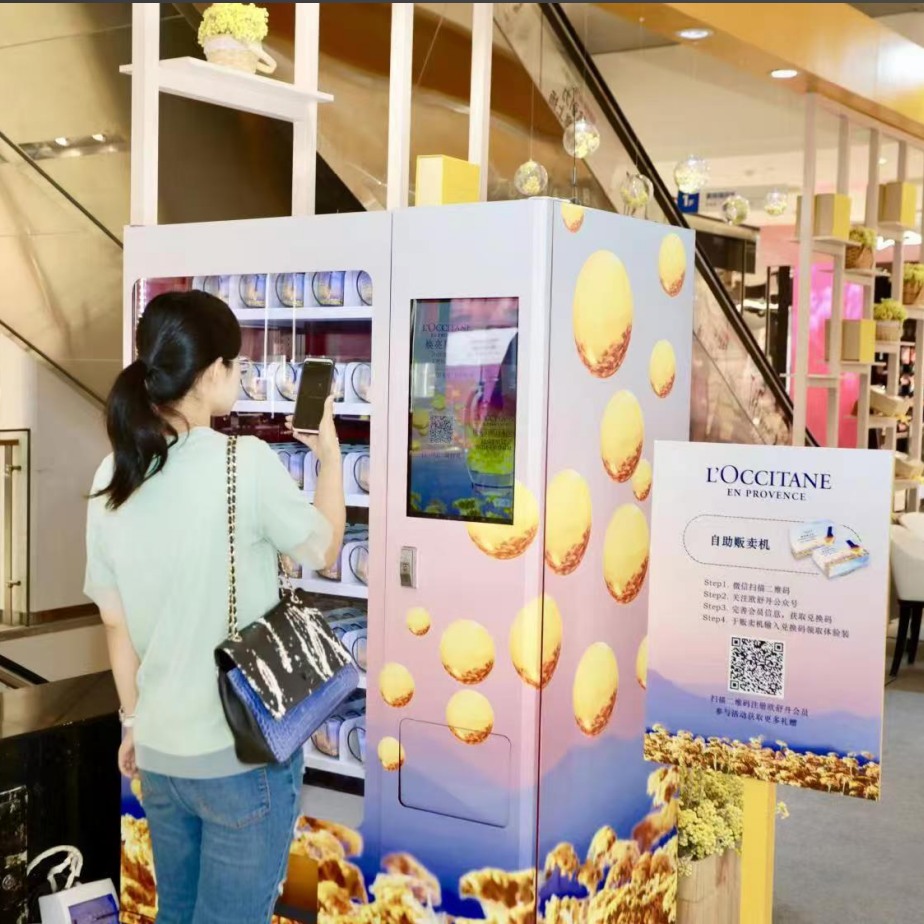
The industry is pivoting hard toward "Smart Vending." This refers to machines equipped with large touchscreens, elevator lifts for fragile products, and age verification systems.
For example, check out the innovations in Vending Machine Solutions. These machines allow for dynamic pricing—you can lower the price of a sandwich as it nears its expiration date automatically, reducing waste and recovering costs that would otherwise be lost.
Furthermore, Zhongda Smart has pioneered modular designs that allow you to swap out internal channels. Today you might sell beverages; tomorrow you might switch to selling t-shirts or phone chargers. This adaptability is crucial for long-term survival.
Mitigating Risks: Common Pitfalls to Avoid
Even with the best hardware, you can fail if you ignore the basics. Here are the most common mistakes I see:
Ignoring the Contract: Never place a machine without a written agreement regarding commission and electricity.
Underestimating Logistics: If your route is spread too wide, fuel costs will eat your profits. Keep your machines in tight geographic clusters.
Buying Proprietary Locked Machines: Some franchisors sell machines that only work with their products. Avoid this. You want open-source freedom.
For those interested in specific niche markets, such as beauty products, looking into specialized hardware like eyelash vending machines can offer significantly higher margins per unit than a bag of chips.
The Verdict: Is It Worth It?
So, is owning a vending machine profitable in the current landscape? Absolutely. But it rewards the professional, not the dabbler. By leveraging direct manufacturing relationships with partners like Zhongda Smart, utilizing data-driven locations, and keeping a tight rein on operational costs, you can build a scalable, high-yield business.
The market is wide open for operators who bring professionalism to automated retail. The machines are ready; are you?
Frequently Asked Questions (FAQ)
How much money can one vending machine make?
On average, a well-placed vending machine can generate between $300 and $600 per month in profit. However, high-traffic locations or machines selling high-margin items (like electronics or cosmetics) can exceed $1,000+ per month.
What is the most profitable item to sell in a vending machine?
While coffee has the highest markup, specialized retail items like beauty supplies, phone accessories, or branded merchandise often yield the highest net profit due to high ticket prices and low spoil rates.
Why should I choose a manufacturer like Zhongda Smart?
Choosing a source manufacturer like Zhongda Smart ensures you get factory-direct pricing, better customization options for your specific product needs, and long-term technical support that resellers cannot provide.
How do I find locations for my machines?
Start by identifying businesses with long wait times or large employee bases (50+ staff). Approaches that work best include offering a free trial period or a percentage of the profits to the business owner.
References and Data Sources:
1. Statista - Automated Retail Market Size
2. IBISWorld - Vending Machine Operators Industry Report
3. Forbes - The Rise of Unattended Retail