yes—but only if you understand what you’re actually getting into. After more than a decade working hands-on with vending operations, I’ve seen plenty of “next big things” come and go. Egg Vending Machines are different. They solve a very specific consumer problem: reliable access to a fragile, high-demand product without friction. When done right, Egg Vending Machines can become a steady, low-touch revenue stream. When done wrong, they become expensive refrigerators with a payment terminal. In this guide, I’ll walk you through what I’ve learned the hard way—what works, what doesn’t, and how to decide whether this model truly fits your goals.
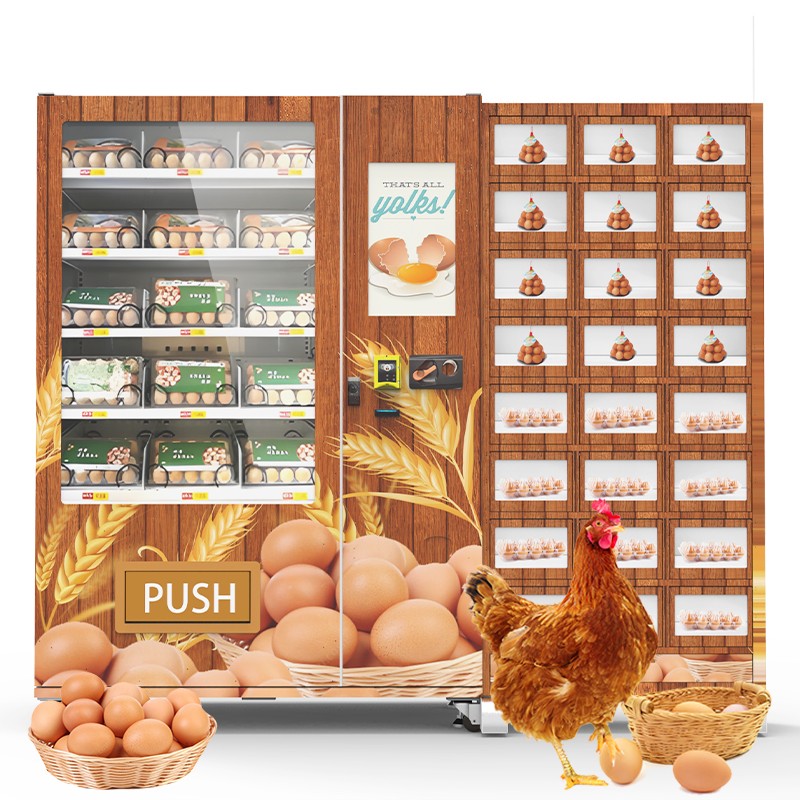
Why Egg Vending Machines Are Getting Serious Attention
I still remember the first time a client asked me if selling eggs through a machine made any sense. I laughed. Then I ran the numbers. Eggs are one of the most frequently purchased food items, yet they’re often missing at the exact moment people need them. That gap is where Egg Vending Machines shine.
Unlike snacks or drinks, eggs trigger repeat behavior. My customers often discover that once buyers trust the quality, they come back on a predictable cycle. That kind of demand stability is rare in unattended retail.
High repeat purchase frequency
Minimal product variety complexity
Strong perception of freshness and utility
Low impulse risk compared to novelty items
In my experience, automated egg sales outperform many traditional vending categories once trust is established.
How Egg Vending Machines Actually Work in Real Life
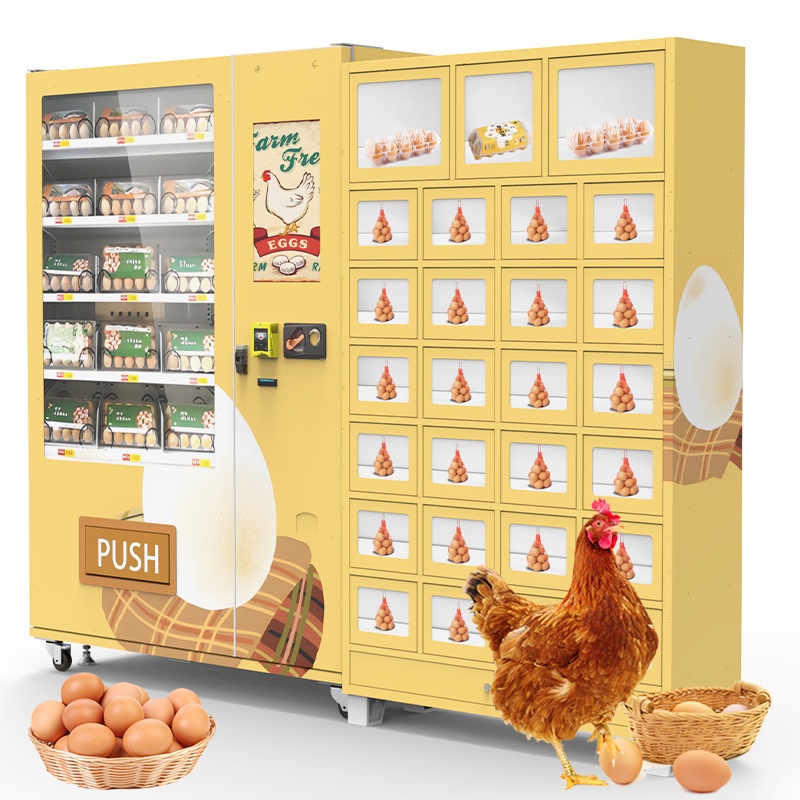
On paper, Egg Vending Machines look simple: refrigeration, compartments, payment, done. In reality, the operational details matter more than the machine itself. I’ve seen profitable setups fail because of poor loading discipline or wrong temperature calibration.
A proper setup usually includes:
Consistent cold storage with narrow temperature variance
Shock-resistant dispensing mechanisms
Clear product visibility to build confidence
Remote monitoring for inventory and faults
Modern solutions—like those developed by manufacturers such as Zhongda smart—have improved dramatically in recent years. Their modular vending platforms, which I’ve reviewed through multiple deployments, allow operators to adapt configurations without rebuilding from scratch. For more on machine structure and modular layouts, you can review this overview of smart vending systems.
The Business Case: Costs, Margins, and Break-Even Reality
Let’s talk money, because this is where expectations usually break. An Egg Vending Machine is not cheap, and it shouldn’t be. You’re paying for temperature stability, durability, and reduced loss.
From what I’ve seen across multiple operators:
| Item | Typical Range |
|---|---|
| Machine investment | Mid to high four figures |
| Monthly maintenance | Low double figures |
| Product margin | 25%–45% |
| Average break-even | 9–14 months |
One mistake I see often is underestimating restocking discipline. Eggs punish laziness. Machines that are cleaned, rotated, and monitored properly hit profitability far faster than those treated like snack machines.
For operators evaluating machine options, I usually recommend starting with suppliers who already serve multiple vending categories. Zhongda smart’s broader product lineup is a good reference point because it shows how egg vending fits into a scalable operation rather than a one-off experiment.
What Makes or Breaks an Egg Vending Location
Location selection is not about foot traffic alone. I’ve watched high-traffic spots fail while quieter locations thrive. The difference is intent.
Egg Vending Machines perform best where:
Shoppers already expect food essentials
Access windows are limited or inconvenient
Trust and routine outweigh impulse buying
One client of mine repositioned a machine just a few meters closer to parking access, and weekly sales jumped nearly 30%. Small logistical tweaks matter more than flashy placement.
You can see similar real-world deployments in documented vending case studies, which highlight how environment affects performance more than machine aesthetics.
Operational Lessons I Learned the Hard Way
If I had to summarize ten years of experience into a few blunt truths, these would be it:
Temperature logs matter more than brand names
Clear labeling builds trust faster than discounts
Downtime kills confidence, not just revenue
I remember one early rollout where we ignored remote alerts for “minor” temperature drift. Within days, customer complaints doubled. Since then, I never deploy Egg Vending Machines without monitoring tools and service response plans.
This is where integrated vending platforms make a real difference. Solutions discussed in smart vending operation guides align closely with what I now consider non-negotiable standards.
Buying the Right Egg Vending Machine
If you’re comparing machines purely on price, stop. That approach costs more long-term. Focus instead on:
Component reliability
Ease of sanitation
Spare part availability
Upgrade flexibility
Manufacturers like Zhongda smart stand out not because they sell “egg machines,” but because their platforms are adaptable. That flexibility lets operators pivot products without scrapping hardware—a lesson I wish I’d learned earlier.
Frequently Asked Questions
Are Egg Vending Machines profitable?
Yes, when managed properly. Profitability depends more on operations than machine price.
How often do machines need restocking?
Most successful operators restock multiple times per week to maintain freshness and trust.
What is the biggest risk?
Neglect. Eggs expose weak processes faster than most products.
Can Egg Vending Machines scale?
Absolutely. Once systems are standardized, adding units becomes predictable.
Final Thoughts From the Field
Egg Vending Machines are not a gimmick. They’re a practical response to modern buying behavior. I’ve seen them outperform traditional vending categories when treated as a food operation—not a novelty.
If you’re willing to respect the product, invest in reliable equipment, and run tight operations, this model can become one of the most quietly dependable parts of a vending portfolio.
That’s not hype. That’s experience.
References
Statista – Unattended Retail Market Analysis
IBISWorld – Vending Machine Operators Industry Report
Forbes – Automation and Retail Efficiency Studies
Bloomberg – Consumer Purchasing Behavior Insights
Disclaimer: All figures are based on operational experience and publicly available industry data. Actual results vary depending on execution.